GWAS by Subtraction to Disentangle RBD Genetic Background from α-Synucleinopathies
Andrea Gaudio, Fabio Gotta, Clarissa Ponti, Alessandro Geroldi, Andrea La Barbera, Paola Mandich

TL;DR
This study explores whether idiopathic REM sleep behavior disorder (iRBD) has a unique genetic background or is an early sign of neurodegeneration linked to α-synucleinopathies.
Contribution
The study introduces a GWAS-by-subtraction approach using GenomicSEM to separate iRBD's genetic signature from shared α-synucleinopathy risk.
Findings
The SNCA locus is a key genetic regulator of iRBD susceptibility.
iRBD has a partially distinct genetic signature but overlaps with α-synucleinopathy traits.
Neuroanatomical associations may indicate future neurodegeneration risk.
Abstract
Rapid eye movement (REM) sleep behavior disorder (RBD) is a parasomnia characterized by loss of muscle atonia and abnormal behaviors occurring during REM sleep. Idiopathic RBD (iRBD) is recognized as the strongest prodromal hallmark of α-synucleinopathies, with an established conversion rate to a neurodegenerative condition that reaches up to 96.6% at 15 years of follow-up. Moreover, RBD-converters display a more severe clinical trajectory compared to those that do not present with RBD. However, the extent to which iRBD represents a distinct genetic entity or an early manifestation of neurodegeneration remains unclear. To address this, we applied Genomic Structural Equation Modeling (GenomicSEM) using a GWAS-by-subtraction approach to disentangle the genetic architecture of iRBD from the shared genomic liability across α-synucleinopathies. Our findings highlight the SNCA locus as a key…
Genes, proteins, chemicals, diseases, species, mutations and cell lines named across the full text — each resolved to its canonical identifier and authoritative record.
Click any figure to enlarge with its caption.
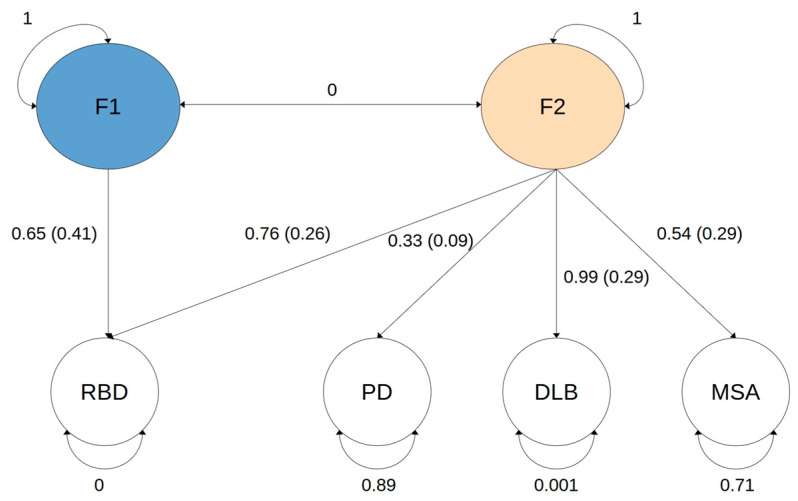 Figure 1
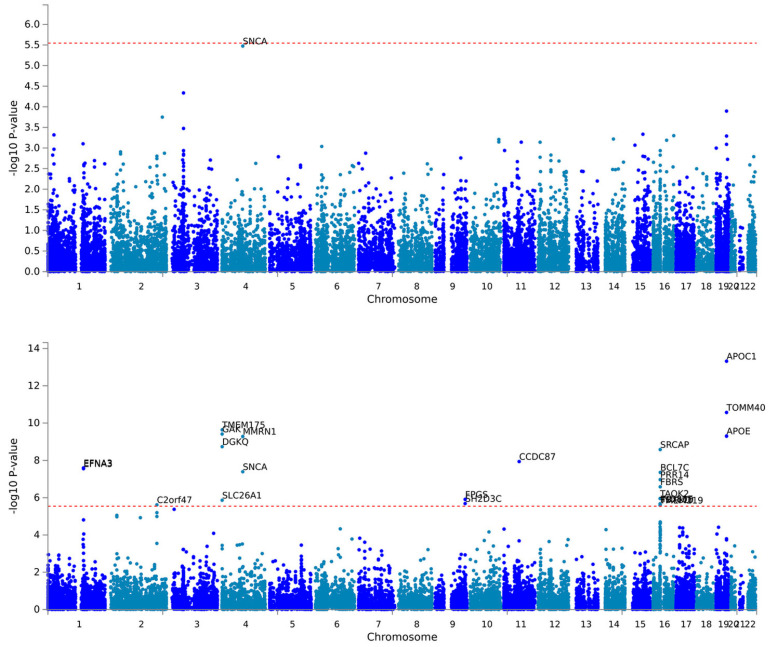 Figure 2
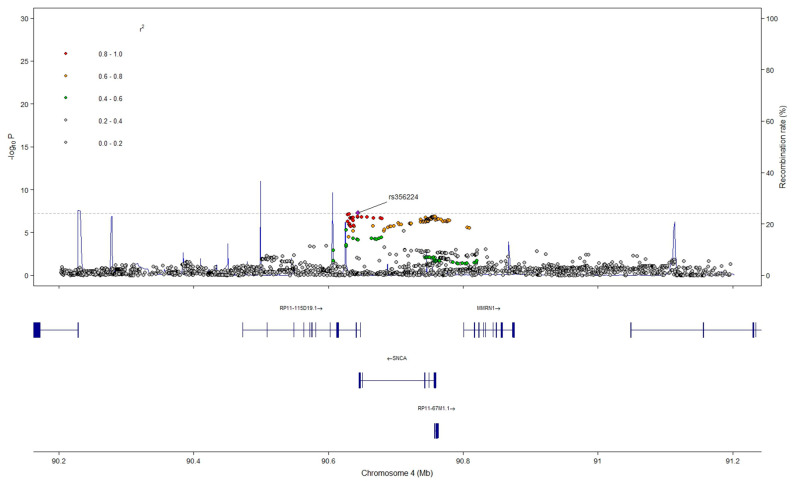 Figure 3
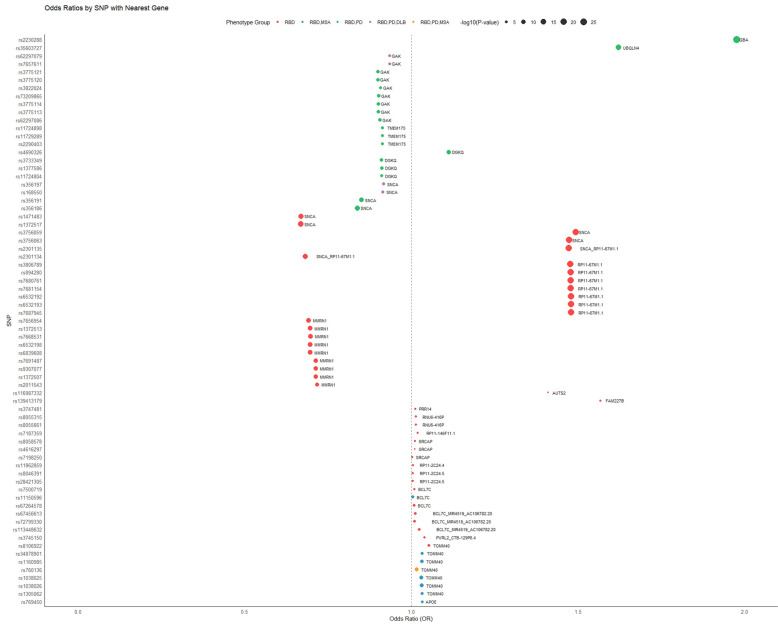 Figure 4
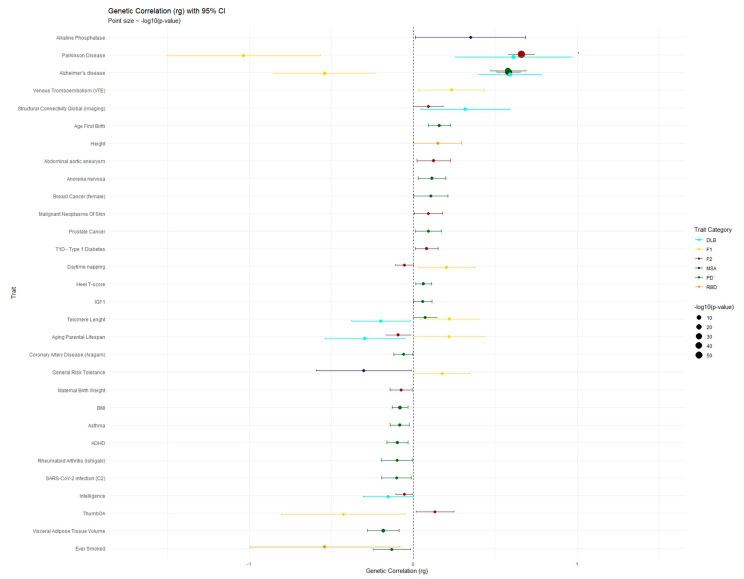 Figure 5
Peer Reviews
No public reviews on file for this paper yet. If you reviewed it on a platform where reviews are public (OpenReview, ICLR, NeurIPS, ICML), you can paste yours below so the community can read it here.
Videos
No videos yet. Explain this paper in a talk, walkthrough, or lecture? Add one.
Taxonomy
TopicsParkinson's Disease Mechanisms and Treatments · Lysosomal Storage Disorders Research