Multicomponent DNA Nanomachines for Amplification-Free Viral RNA Detection
Valeria V. Solyanikova, Daria A. Gorbenko, Valeriya V. Zryacheva, Anna A. Shtro, Maria S. Rubel

TL;DR
This paper introduces DNA nanomachines that can detect viral RNA without amplification, offering a cost-effective and reliable alternative to traditional methods for diagnosing respiratory viruses.
Contribution
The study presents multicomponent DNA nanomachines with a catalytic core for amplification-free detection of RNA viruses like HPIV and RSV.
Findings
DNA nanomachines generate a fluorescent signal upon detecting target viral RNA.
The nanomachines have six RNA-binding arms for efficient recognition and unwinding of RNA structures.
The system shows potential for real-world clinical use due to its simplicity and sensitivity.
Abstract
The rapid and accurate detection of viral infections is of paramount importance, given their widespread impact across diverse demographics. Common viruses such as influenza, parainfluenza, rhinovirus, and adenovirus contribute significantly to respiratory illnesses. The pathogenic nature of certain viruses, characterized by rapid mutations and high transmissibility, underscores the urgent need for dynamic detection methodologies. Quantitative reverse transcription PCR (RT-qPCR) remains the gold-standard diagnostic tool. Its reliance on costly equipment, reagents, and skilled personnel has driven explorations of alternative approaches, such as catalytic DNA nanomachines. Diagnostic platforms using catalytic DNA nanomachines offer amplification-free nucleic acid detection without the need for protein enzymes and demonstrate feasibility and cost-effectiveness for both laboratory and…
Genes, proteins, chemicals, diseases, species, mutations and cell lines named across the full text — each resolved to its canonical identifier and authoritative record.
Click any figure to enlarge with its caption.
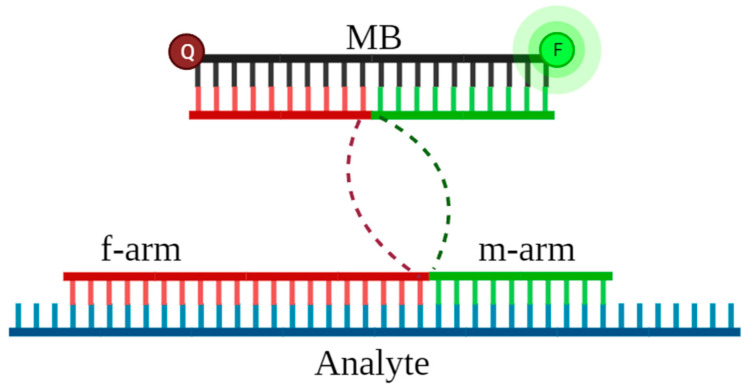 Figure 1
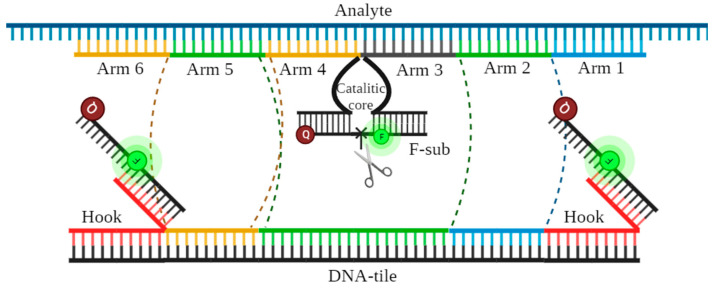 Figure 2
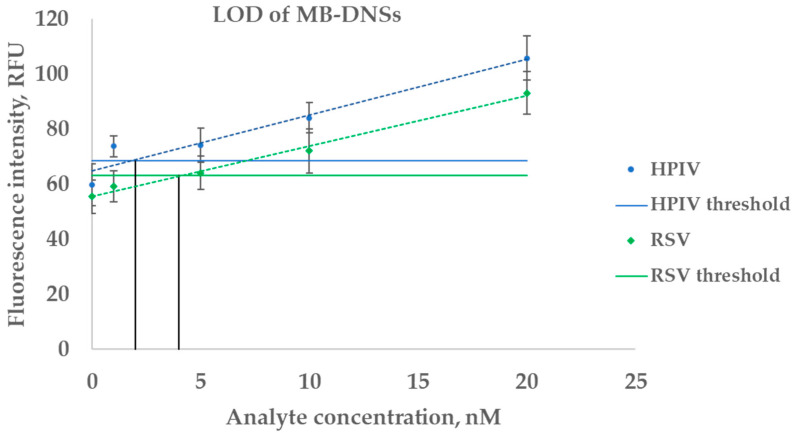 Figure 3
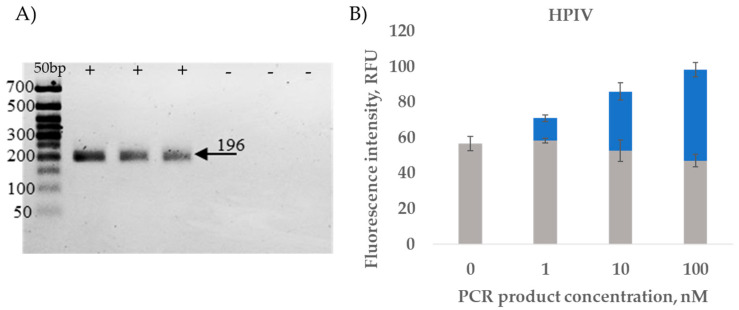 Figure 4
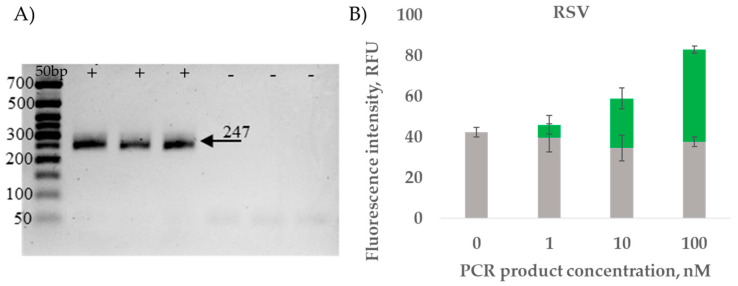 Figure 5
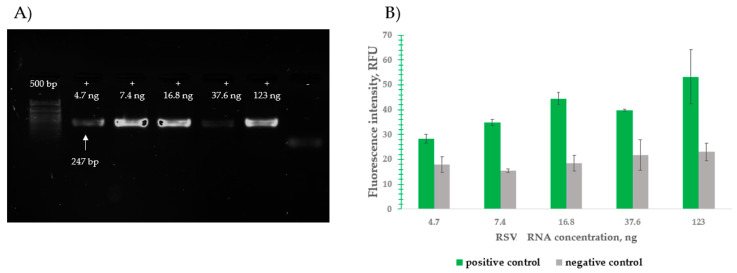 Figure 6
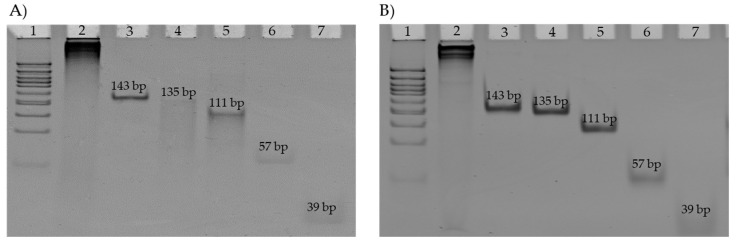 Figure 7
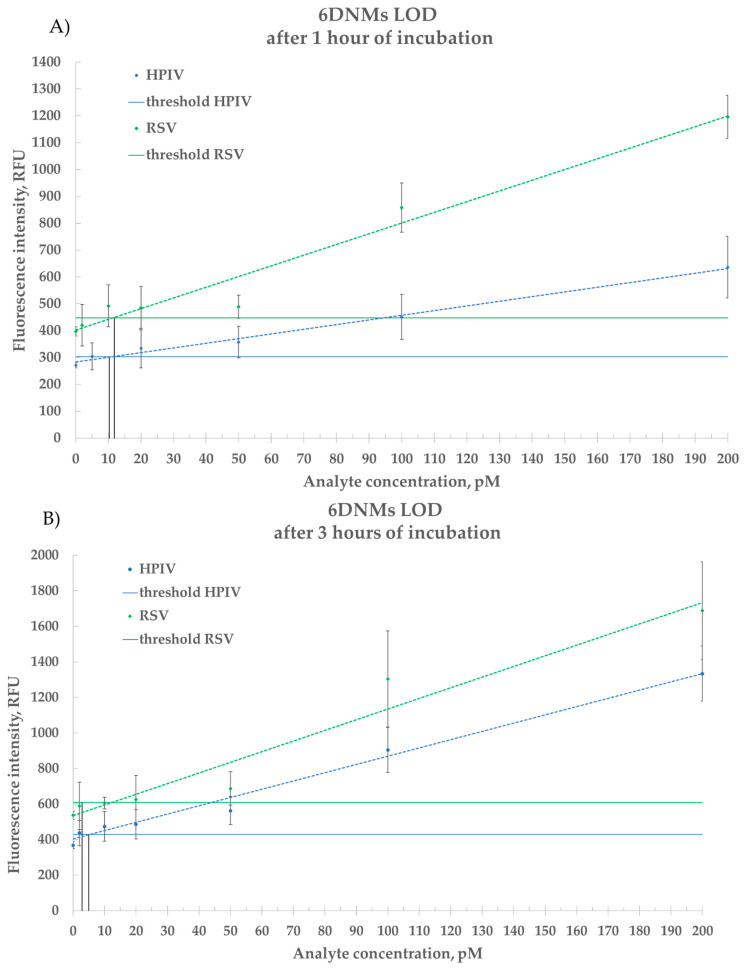 Figure 8
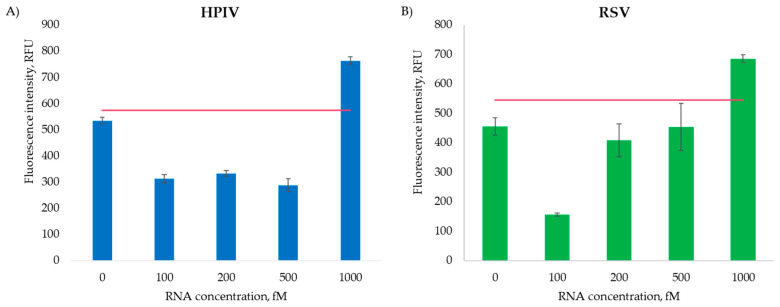 Figure 9
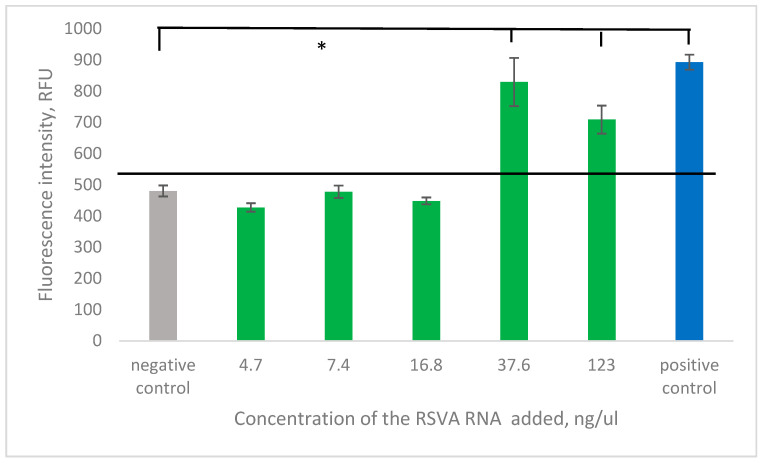 Figure 10
Peer Reviews
No public reviews on file for this paper yet. If you reviewed it on a platform where reviews are public (OpenReview, ICLR, NeurIPS, ICML), you can paste yours below so the community can read it here.
Videos
No videos yet. Explain this paper in a talk, walkthrough, or lecture? Add one.
Taxonomy
TopicsAdvanced biosensing and bioanalysis techniques · Bacteriophages and microbial interactions · SARS-CoV-2 detection and testing