Alginate–Gelatin Hydrogel Scaffold Model for Hypoxia Induction in Glioblastoma Embedded Spheroids
Janette del Rocío Aguilera-Marquez, Alejandro Manzanares-Guzmán, Lorena García-Uriostegui, Alejandro A. Canales-Aguirre, Tanya A. Camacho-Villegas, Pavel H. Lugo-Fabres

TL;DR
Researchers created a 3D model using a hydrogel scaffold to simulate hypoxia in glioblastoma, offering a new way to study tumor behavior and treatment resistance.
Contribution
A novel alginate–gelatin hydrogel scaffold model was developed to simulate hypoxia in glioblastoma spheroids for improved study of tumor microenvironments.
Findings
The scaffold model showed high reproducibility and enabled analysis of HIF-1α expression under hypoxic conditions.
The model's cell viability and hydrogel water absorption were successfully evaluated, supporting its use for therapeutic studies.
The 3D glioblastoma spheroid model is a promising platform for investigating hypoxia-driven tumor progression and resistance.
Abstract
Glioblastoma (GBM) is a highly aggressive and malignant brain tumor, characterized by hypoxia in its microenvironment, which drives its growth and resistance to treatments. Hypoxia-inducible factor 1 (HIF-1) plays a central role in GBM progression by regulating cellular adaptation to low oxygen availability, promoting processes such as angiogenesis and cell invasion. However, studying and modeling GBM under hypoxic conditions is complex, especially due to the limitations of animal models. In this study, we developed a glioma spheroid model using an alginate–gelatin hydrogel scaffold, which enabled the simulation of hypoxic conditions within the tumor. The scaffold-based model demonstrated high reproducibility, facilitating the analysis of HIF-1α expression, a key protein in the hypoxic response of GBM. Furthermore, cell viability, the microstructural features of the encapsulated…
Genes, proteins, chemicals, diseases, species, mutations and cell lines named across the full text — each resolved to its canonical identifier and authoritative record.
Click any figure to enlarge with its caption.
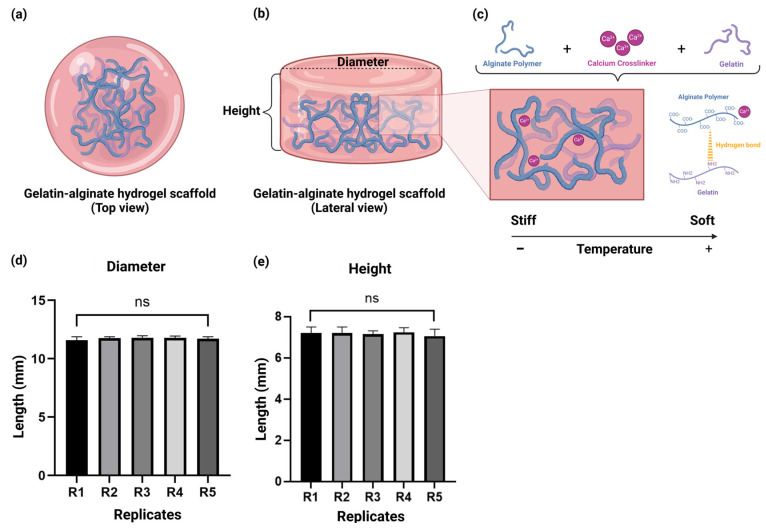 Figure 1
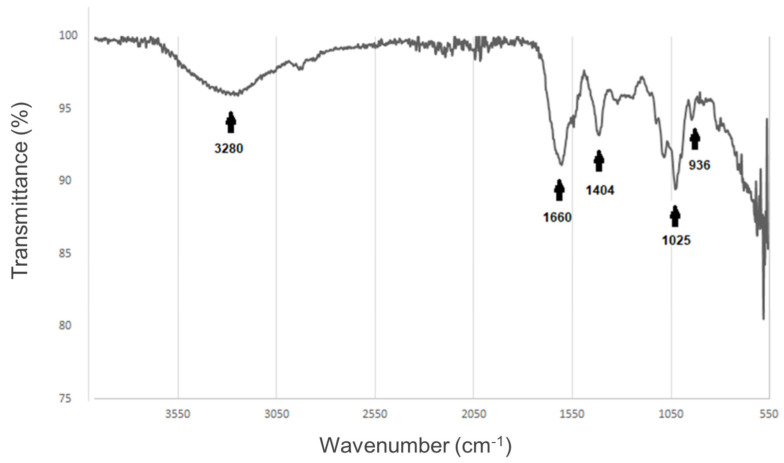 Figure 2
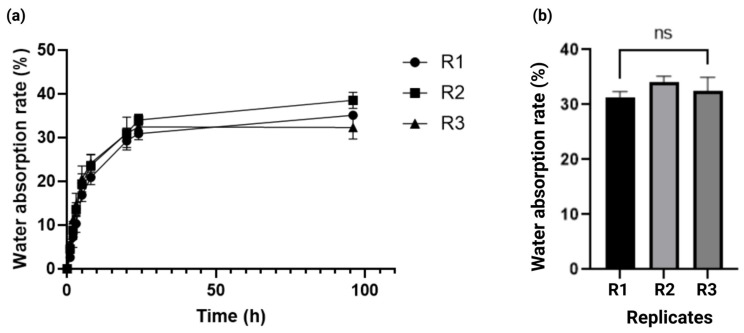 Figure 3
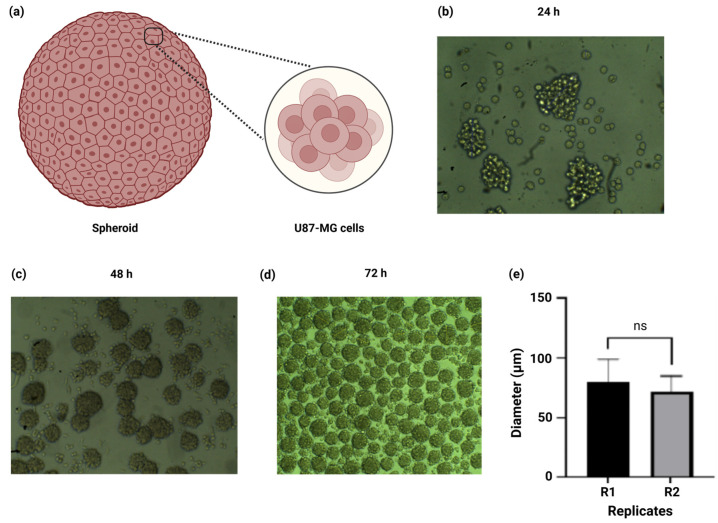 Figure 4
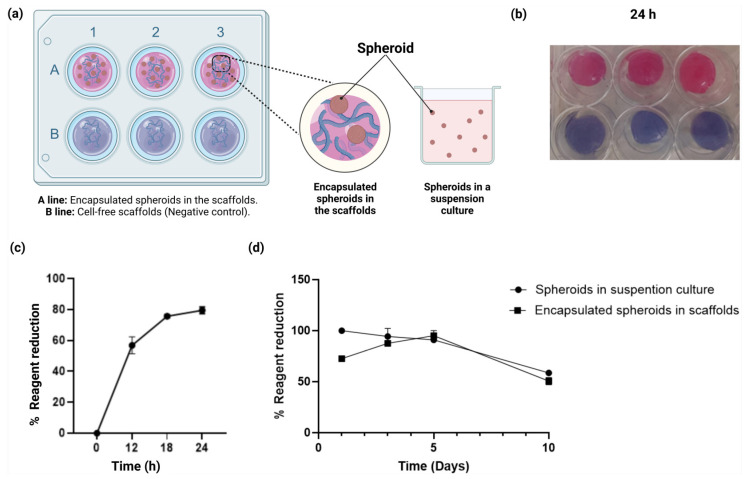 Figure 5
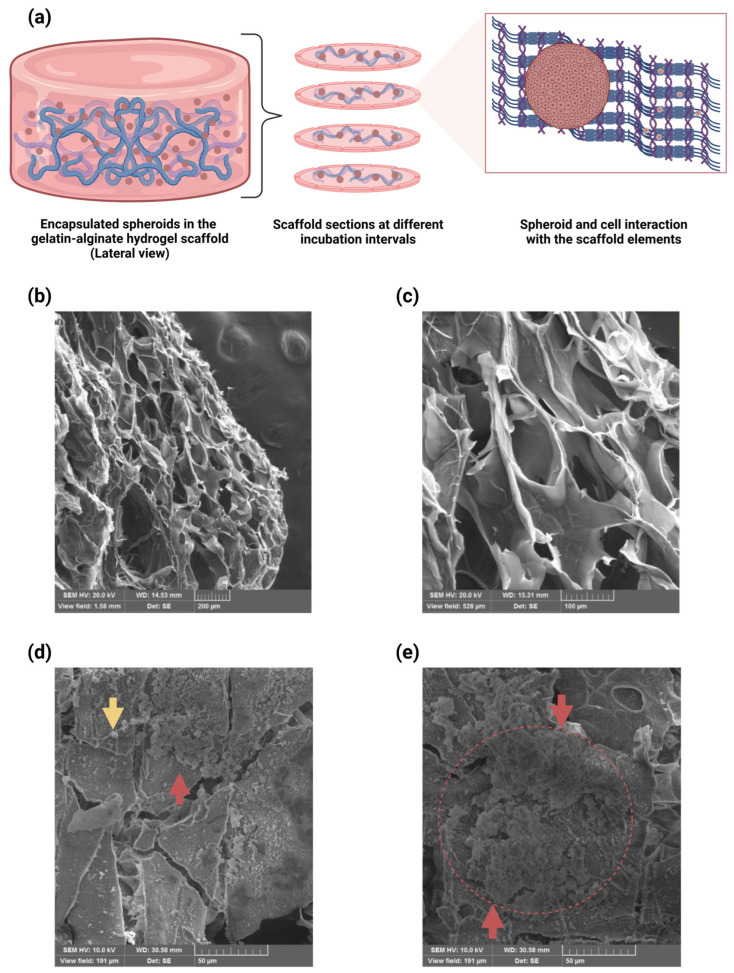 Figure 6
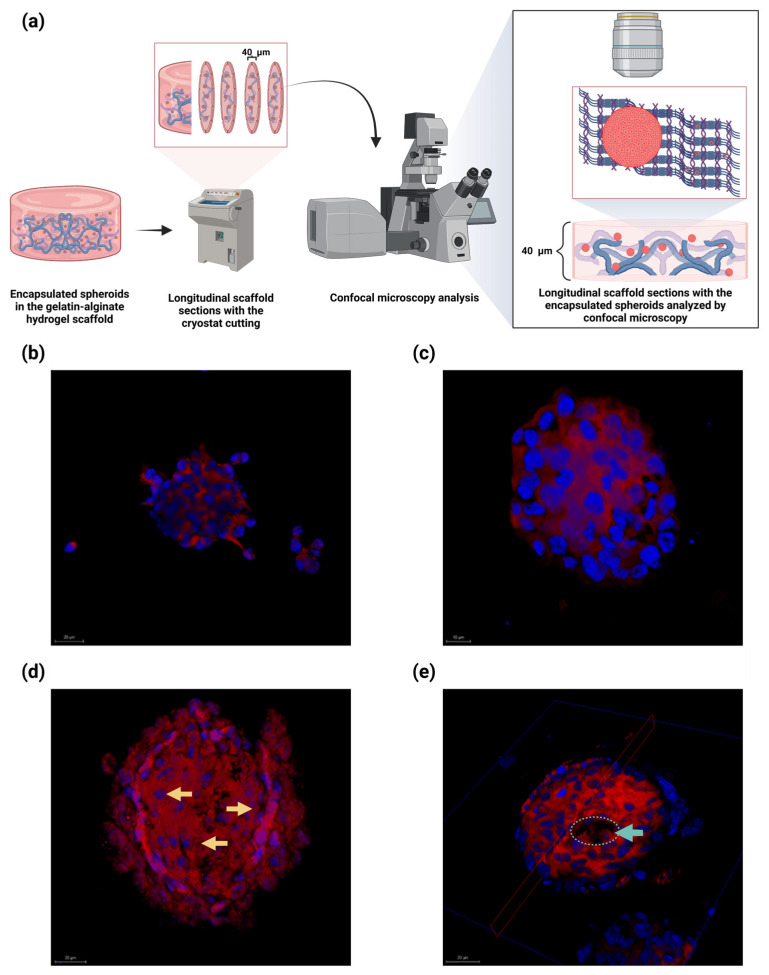 Figure 7
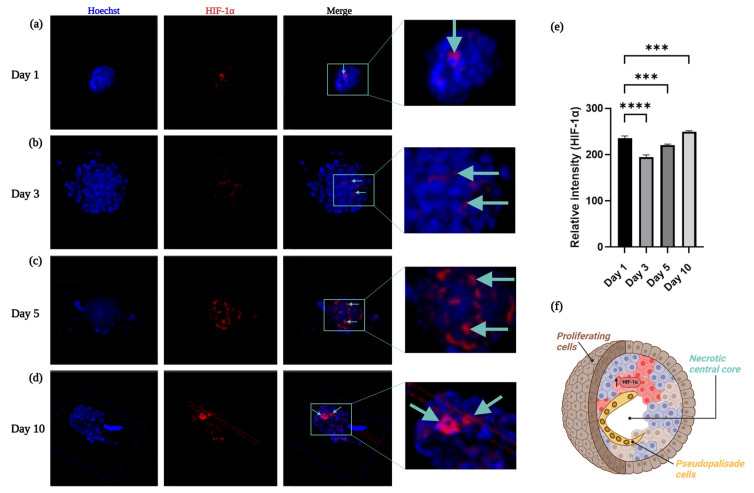 Figure 8
Peer Reviews
No public reviews on file for this paper yet. If you reviewed it on a platform where reviews are public (OpenReview, ICLR, NeurIPS, ICML), you can paste yours below so the community can read it here.
Videos
No videos yet. Explain this paper in a talk, walkthrough, or lecture? Add one.
Taxonomy
TopicsCancer, Hypoxia, and Metabolism · Cancer Cells and Metastasis · Immune cells in cancer