LMFE: A Novel Method for Predicting Plant LncRNA Based on Multi-Feature Fusion and Ensemble Learning
Hongwei Zhang, Yan Shi, Yapeng Wang, Xu Yang, Kefeng Li, Sio-Kei Im, Yu Han

TL;DR
The paper introduces LMFE, a new computational method that accurately predicts plant lncRNAs using multi-feature fusion and ensemble learning, outperforming existing tools.
Contribution
The novel LMFE method combines multi-feature fusion with XGBoost and SMOTE to improve plant lncRNA prediction accuracy and robustness.
Findings
LMFE achieved 99.42% accuracy on benchmark datasets and outperformed existing methods like CPC2 and PLEKv2.
The method showed robust cross-species performance with accuracy ranging from 89.30% to 99.81%.
LMFE improved accuracy by 12.29% on unbalanced datasets compared to traditional methods.
Abstract
Background/Objectives: Long non-coding RNAs (lncRNAs) play a crucial regulatory role in plant trait expression and disease management, making their accurate prediction a key research focus for guiding biological experiments. While extensive studies have been conducted on animals and humans, plant lncRNA research remains relatively limited due to various challenges, such as data scarcity and genomic complexity. This study aims to bridge this gap by developing an effective computational method for predicting plant lncRNAs, specifically by classifying transcribed RNA sequences as lncRNAs or mRNAs using multi-feature analysis. Methods: We propose the lncRNA multi-feature-fusion ensemble learning (LMFE) approach, a novel method that integrates 100-dimensional features from RNA biological properties-based, sequence-based, and structure-based features, employing the XGBoost ensemble learning…
Genes, proteins, chemicals, diseases, species, mutations and cell lines named across the full text — each resolved to its canonical identifier and authoritative record.
Click any figure to enlarge with its caption.
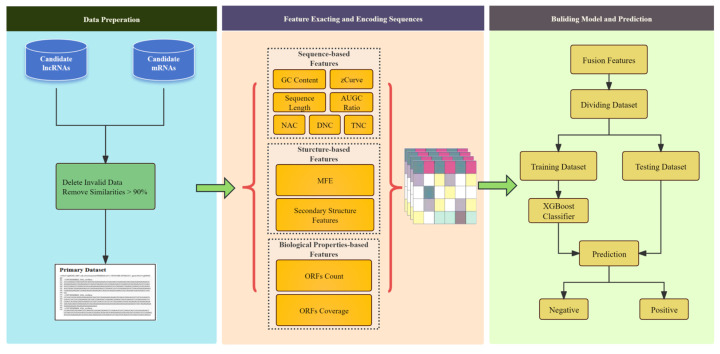 Figure 1
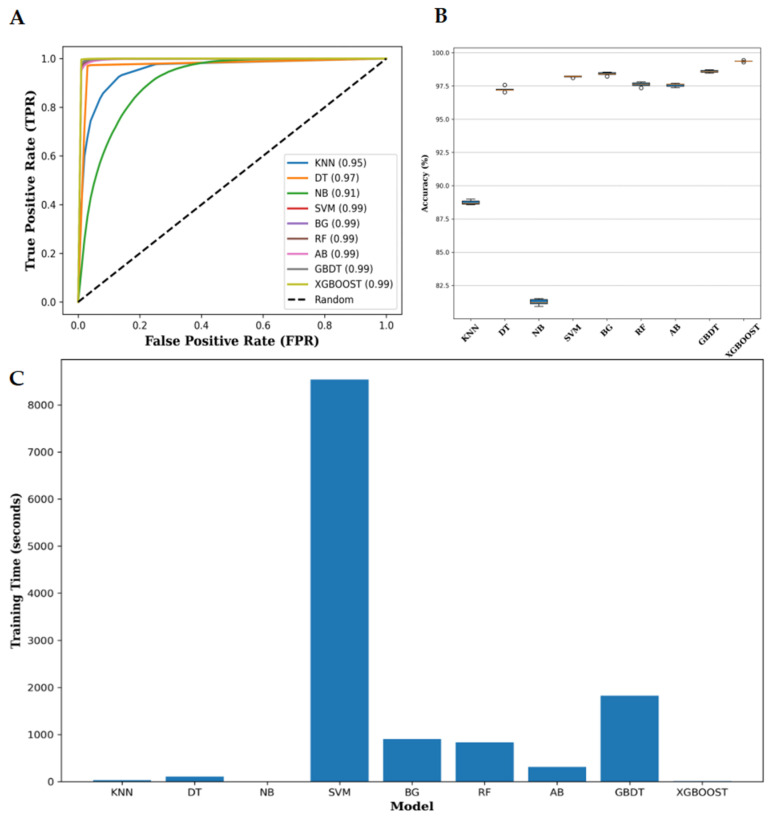 Figure 2
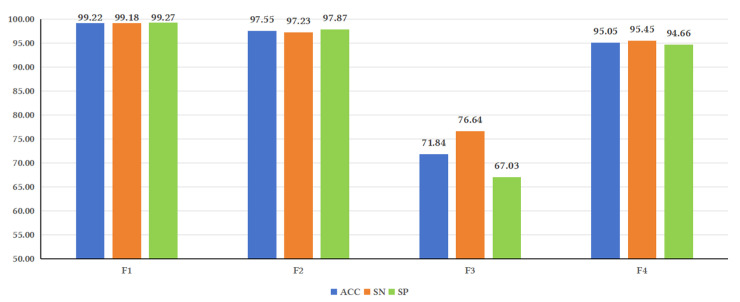 Figure 3
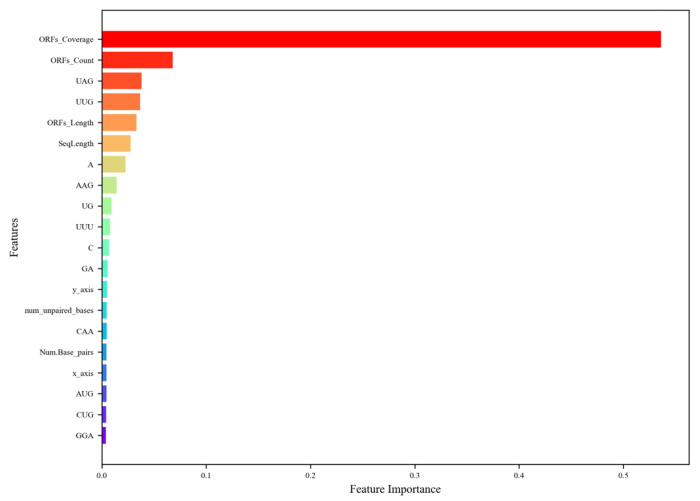 Figure 4
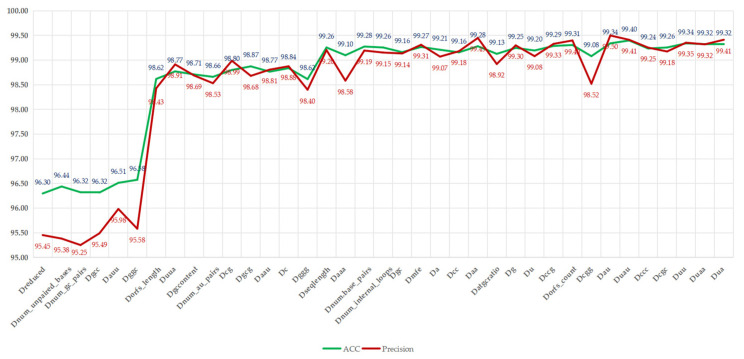 Figure 5
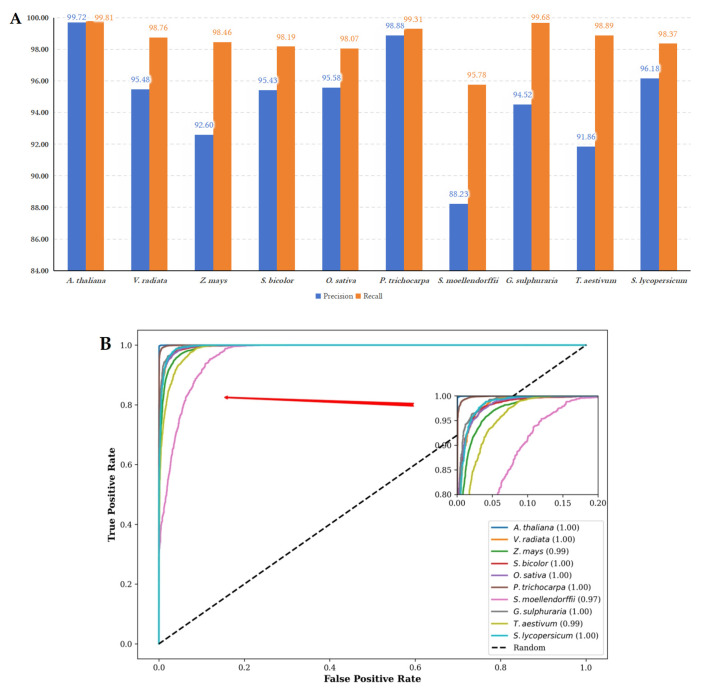 Figure 6
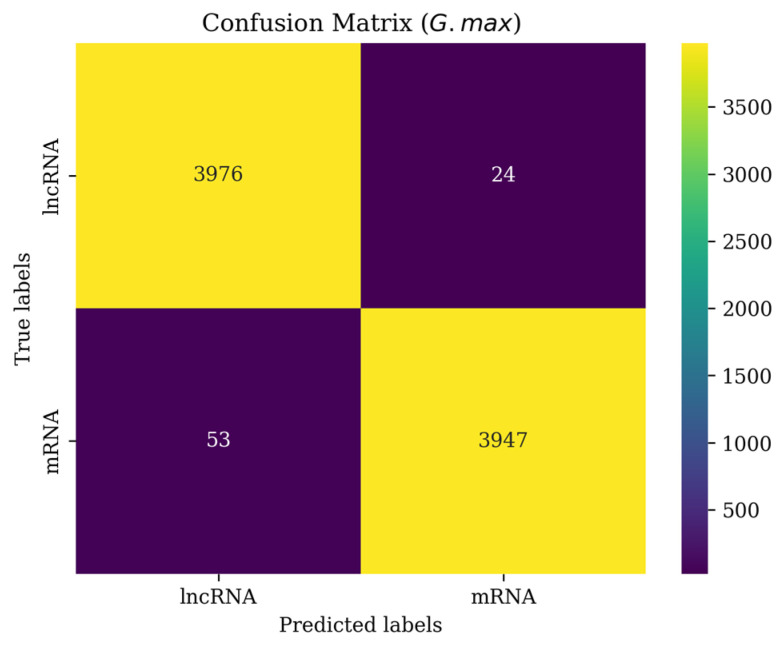 Figure 7
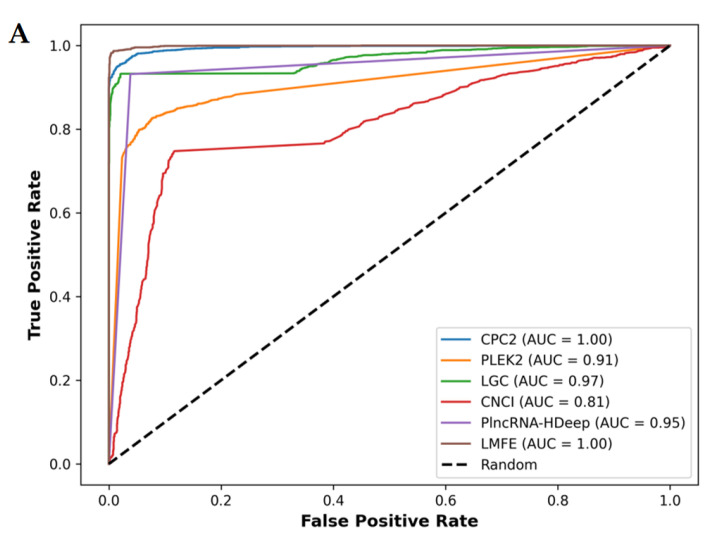 Figure 8
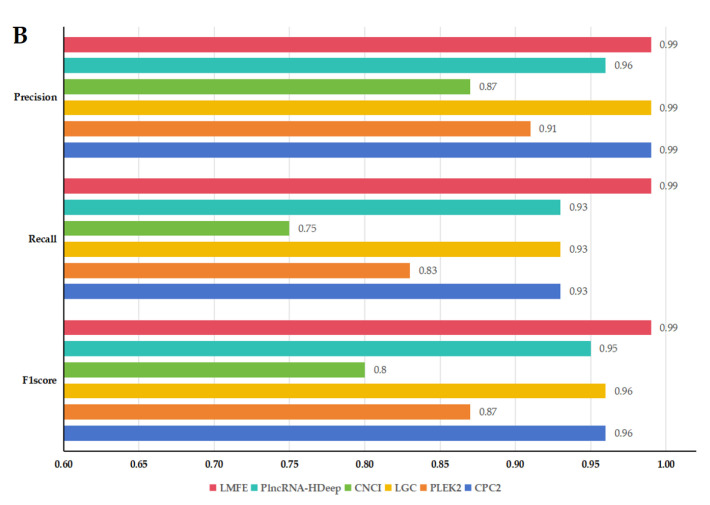 Figure 9
Peer Reviews
No public reviews on file for this paper yet. If you reviewed it on a platform where reviews are public (OpenReview, ICLR, NeurIPS, ICML), you can paste yours below so the community can read it here.
Videos
No videos yet. Explain this paper in a talk, walkthrough, or lecture? Add one.
Taxonomy
TopicsCancer-related molecular mechanisms research · Plant and Fungal Interactions Research · Genomics and Phylogenetic Studies