Phenology and Spatial Genetic Structure of Anadenanthera colubrina (Vell.), a Resilient Species Amid Territorial Transformation in an Urban Deciduous Forest of Southeastern Brazil
Ana Lilia Alzate-Marin, Paulo Augusto Bomfim Rodrigues, Fabio Alberto Alzate-Martinez, Gabriel Pinheiro Machado, Carlos Alberto Martinez, Fernando Bonifácio-Anacleto

TL;DR
This study examines how Anadenanthera colubrina, a resilient tree species, maintains genetic diversity and connects forest fragments in an urban area of Brazil, highlighting its role in ecological restoration.
Contribution
The study provides new insights into the resilience and genetic connectivity of A. colubrina in fragmented urban landscapes through spatial and genetic analyses.
Findings
AcolPM population is a key node for regional gene flow, connected by native pollinators.
Genetic diversity is intermediate with low generational isolation, making AcolPM suitable for reforestation.
Phenological observations show fructification occurs at the start of the rainy season.
Abstract
Background/Objectives: Anadenanthera colubrina (popularly known as angico; in this study: Acol) is a bee-pollinated tree with gravity-dispersed seeds that occurs in dry tropical forests (SDTF), one of the most fragmented tropical ecosystems. In this study, we analyzed the resilience of 30 Acol Forest fragments of Ribeirão Preto, São Paulo, Brazil, and the flow of pollinators among these fragments based on the flight ranges of Apis mellifera (6 km) and Trigona spinipes (8 km). Additionally, we investigated genetic diversity, spatial genetic structure (SGS), and phenology across generations of one Acol population (AcolPM), located in the urban fragment M103 in the “Parque Municipal Morro de São Bento” (a municipal park in Ribeirão Preto). Methods: We mapped Acol fragments using geospatial data, with relief and slope analysis derived from digital terrain modeling. We created a flow diagram…
Genes, proteins, chemicals, diseases, species, mutations and cell lines named across the full text — each resolved to its canonical identifier and authoritative record.
Click any figure to enlarge with its caption.
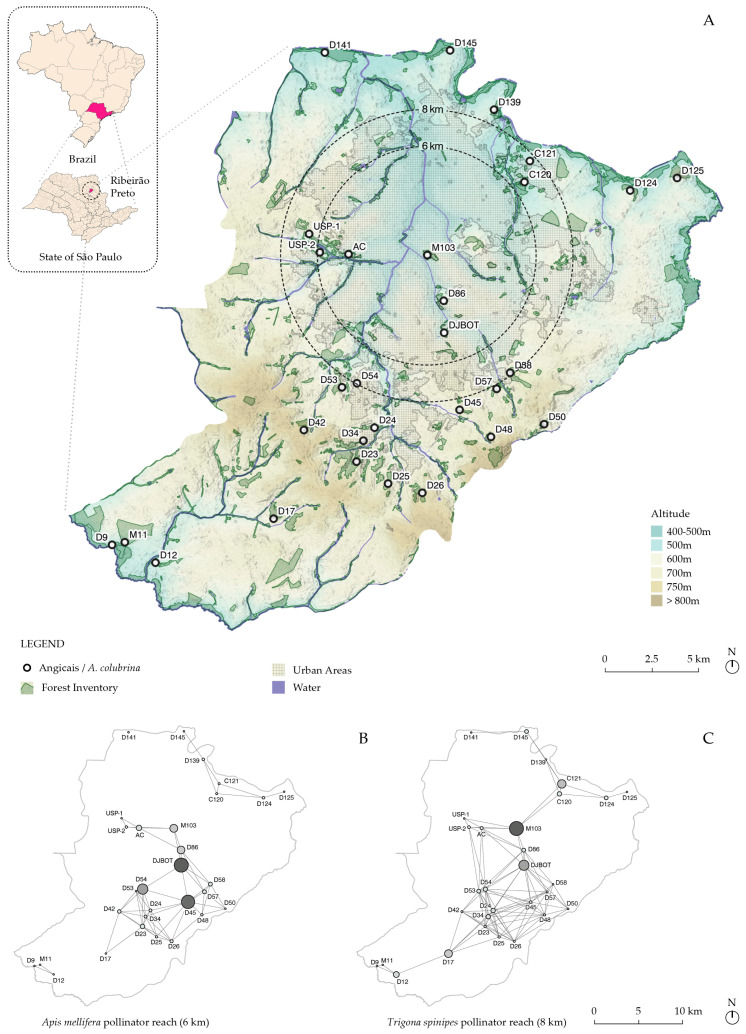 Figure 1
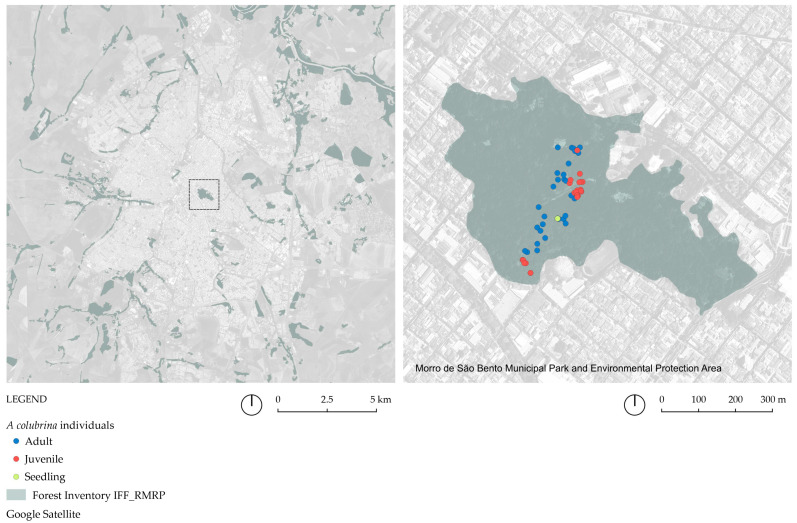 Figure 2
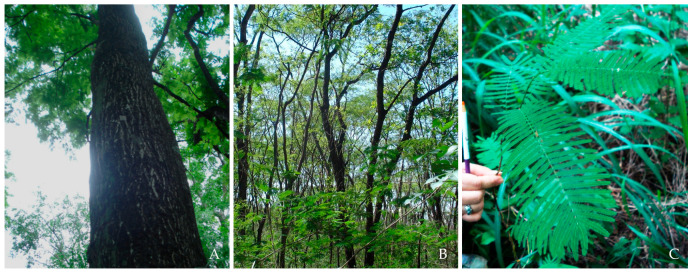 Figure 3
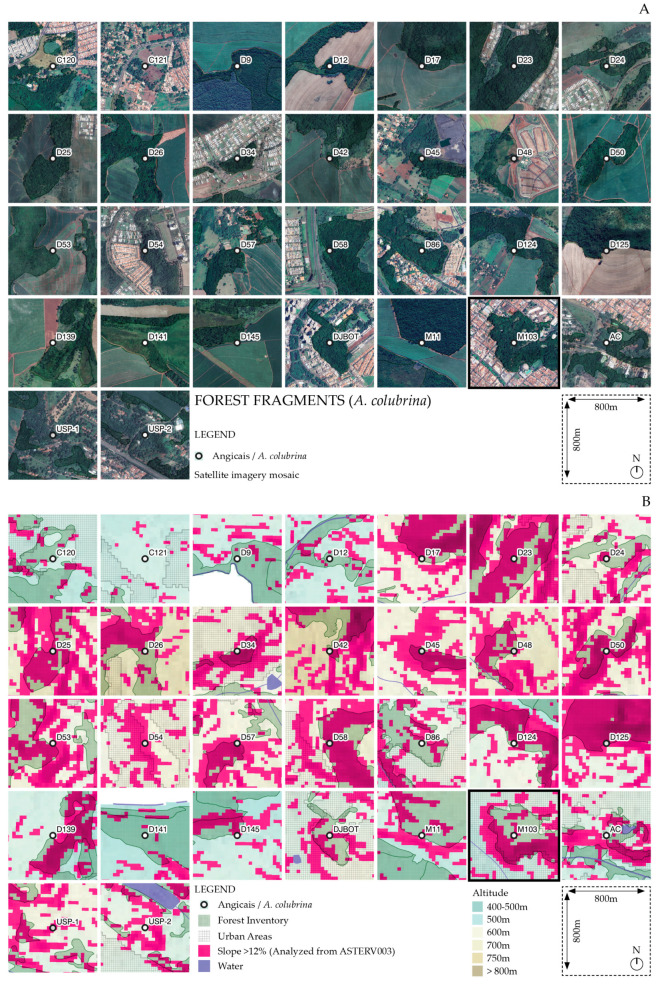 Figure 4
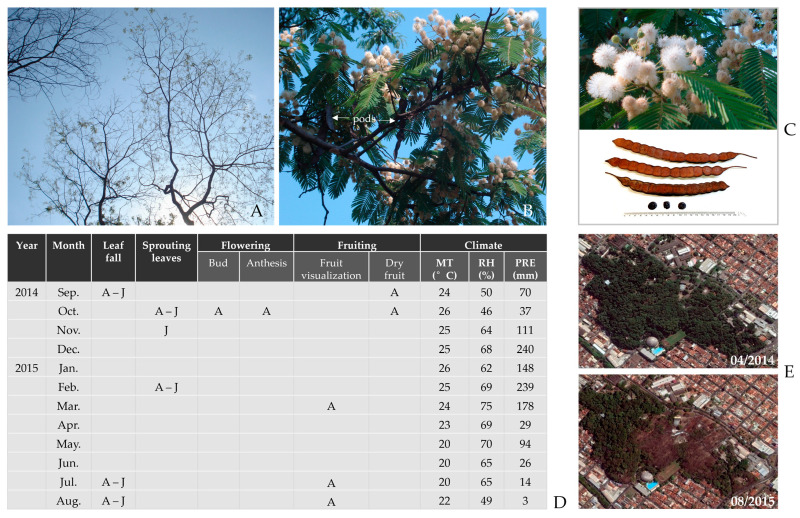 Figure 5
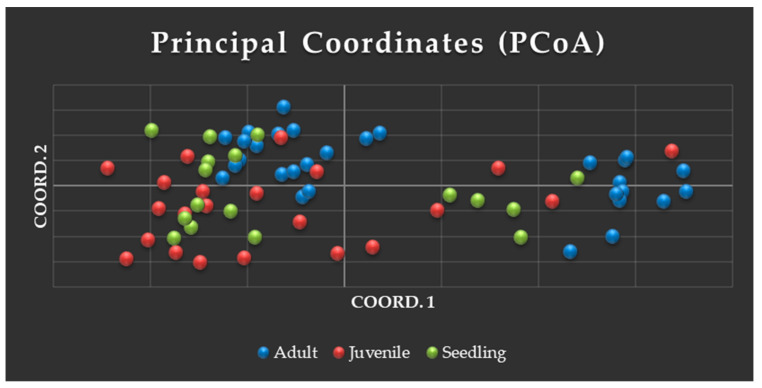 Figure 6
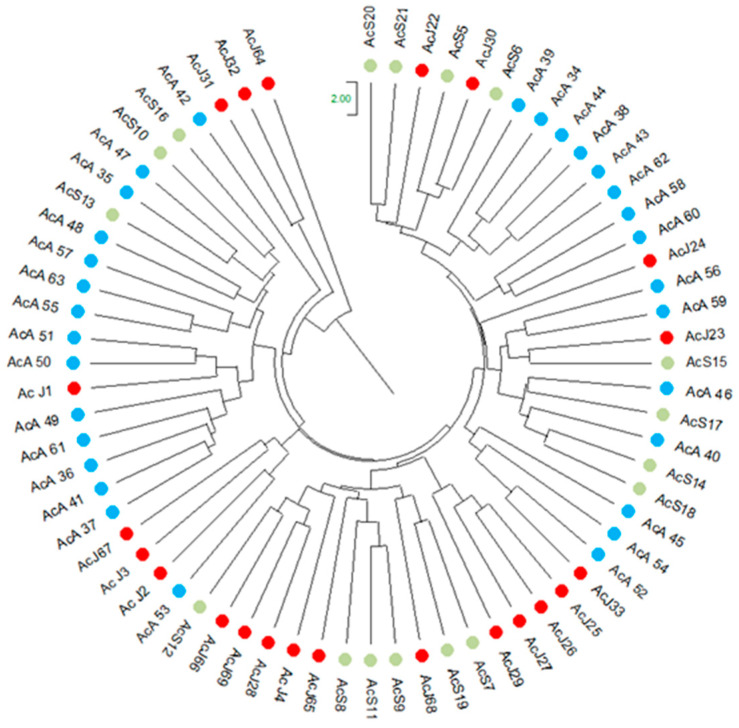 Figure 7
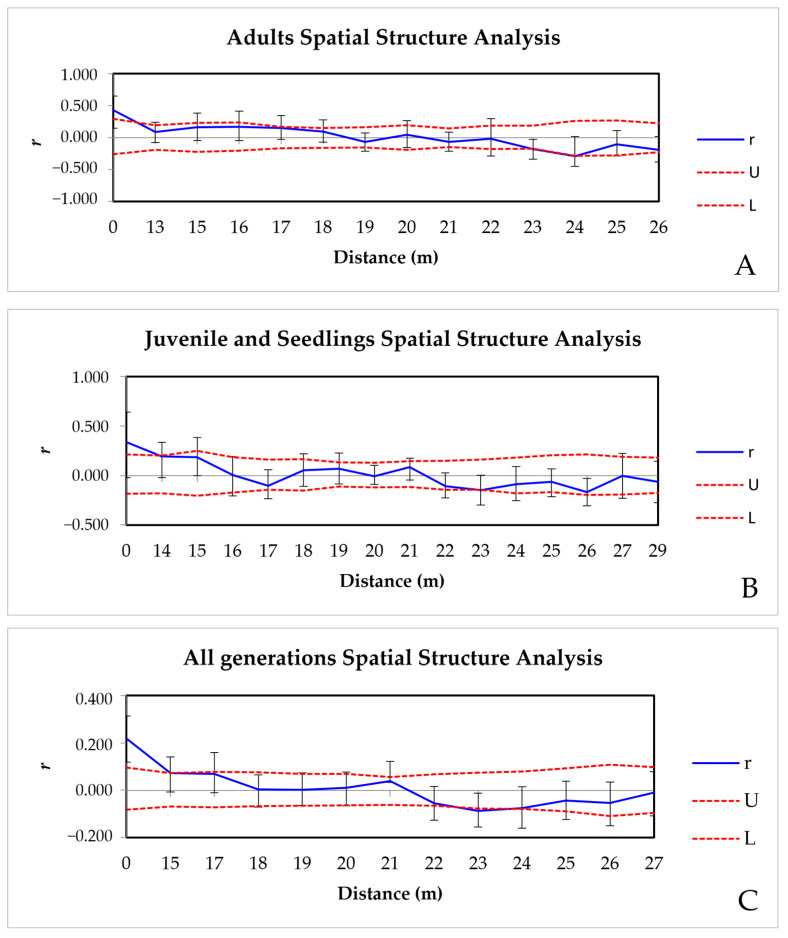 Figure 8
Peer Reviews
No public reviews on file for this paper yet. If you reviewed it on a platform where reviews are public (OpenReview, ICLR, NeurIPS, ICML), you can paste yours below so the community can read it here.
Videos
No videos yet. Explain this paper in a talk, walkthrough, or lecture? Add one.
Taxonomy
TopicsPlant and animal studies · Ecology and Vegetation Dynamics Studies · Plant Diversity and Evolution