Effects of Different Individuals and Verbal Tones on Neural Networks in the Brain of Children with Cerebral Palsy
Ryosuke Yamauchi, Hiroki Ito, Ken Kitai, Kohei Okuyama, Osamu Katayama, Kiichiro Morita, Shin Murata, Takayuki Kodama

TL;DR
This study explores how children with cerebral palsy respond differently to verbal encouragement from their mothers and therapists, as seen in brain activity patterns.
Contribution
The study introduces a novel approach to understanding how verbal tone and speaker identity affect brain networks in children with cerebral palsy.
Findings
Brain activity patterns varied in theta, alpha, and beta frequency bands depending on the speaker and tone.
Children showed greater internal focus when addressed by their mothers and better comprehension when addressed by therapists.
ICA frequency analysis revealed distinct neural responses to different verbal interactions.
Abstract
Background/Objectives: Motivation is a key factor for improving motor function and cognitive control in patients. Motivation for rehabilitation is influenced by the relationship between the therapist and patient, wherein appropriate voice encouragement is necessary to increase motivation. Therefore, we examined the differences between mothers and other individuals, such as physical therapists (PTs), in their verbal interactions with children with cerebral palsy who have poor communication abilities, as well as the neurological and physiological effects of variations in the tone of their speech. Methods: The three participants were children with cerebral palsy (Participant A: boy, 3 years; Participant B: girl, 7 years; Participant C: girl, 9 years). Participants’ mothers and the assigned PTs were asked to speak under three conditions. During this, the brain activity of the participants…
Genes, proteins, chemicals, diseases, species, mutations and cell lines named across the full text — each resolved to its canonical identifier and authoritative record.
Click any figure to enlarge with its caption.
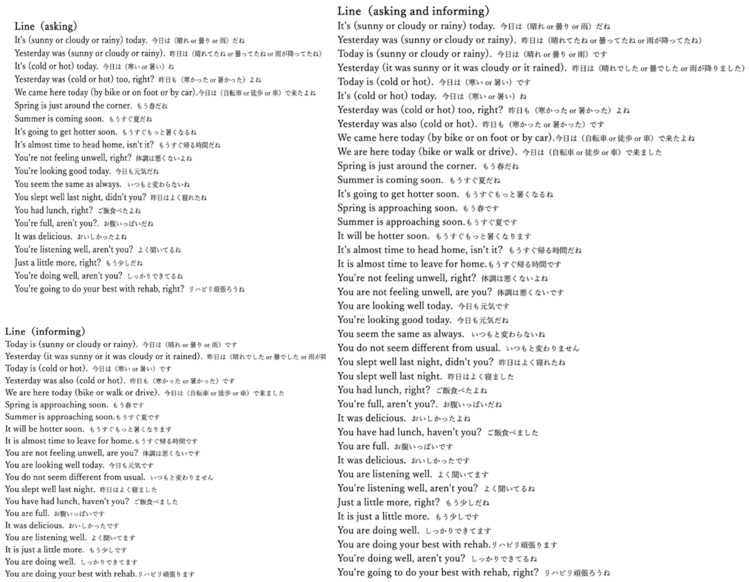 Figure 1
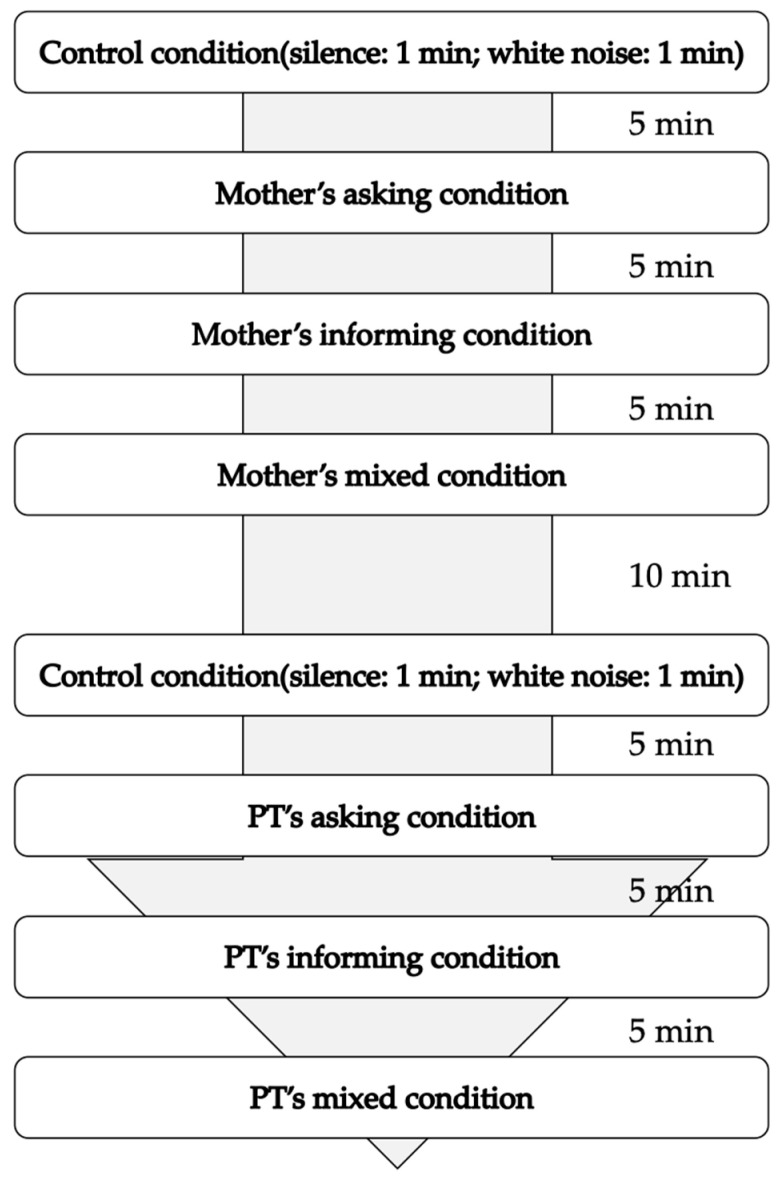 Figure 2
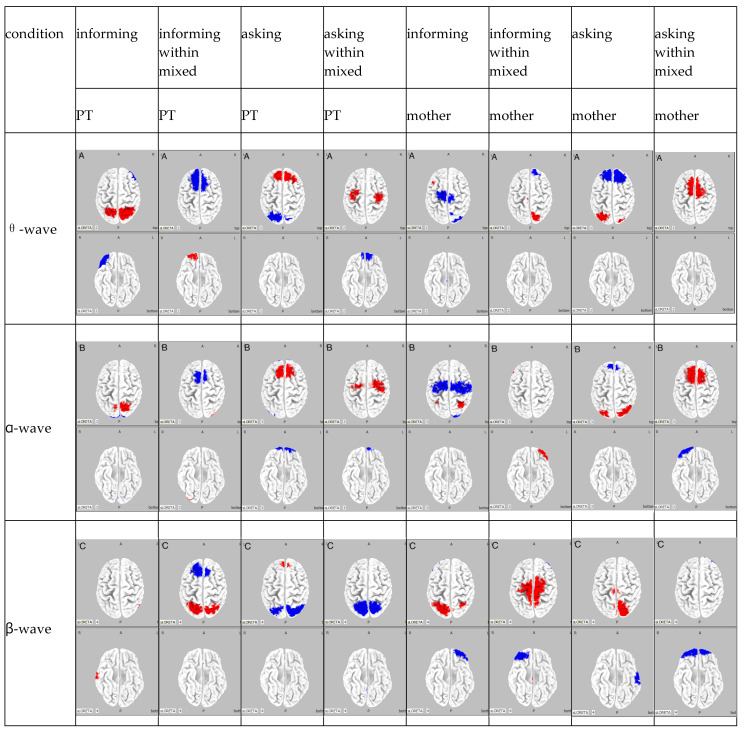 Figure 3
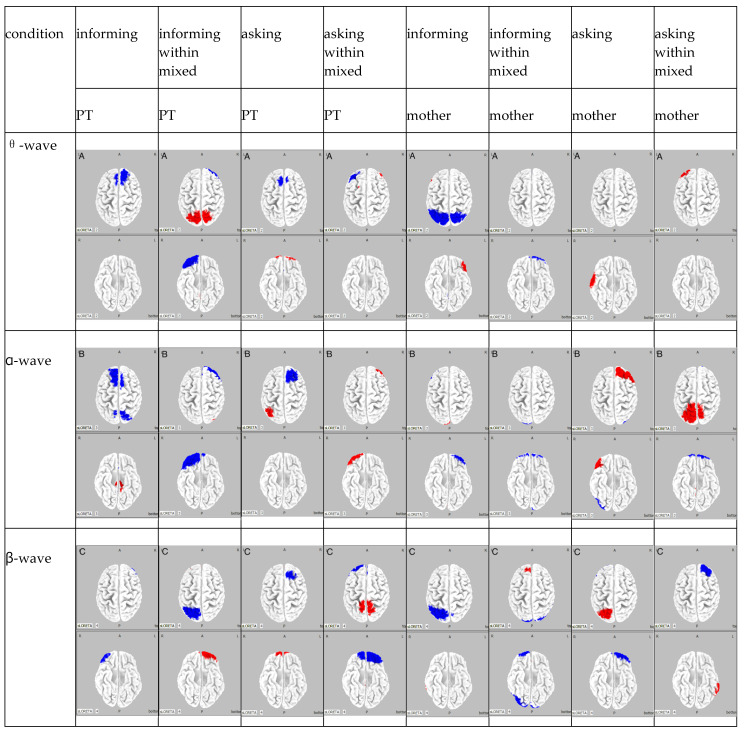 Figure 4
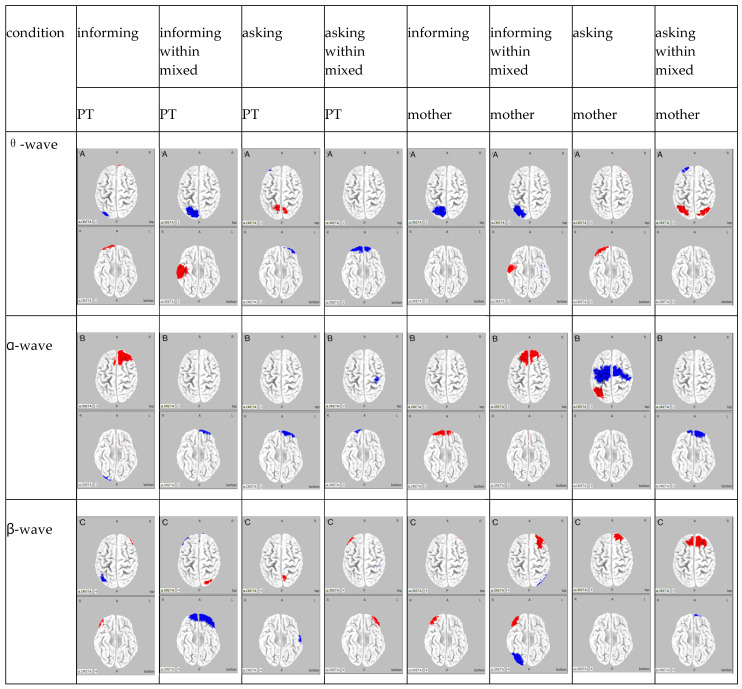 Figure 5
Peer Reviews
No public reviews on file for this paper yet. If you reviewed it on a platform where reviews are public (OpenReview, ICLR, NeurIPS, ICML), you can paste yours below so the community can read it here.
Videos
No videos yet. Explain this paper in a talk, walkthrough, or lecture? Add one.
Taxonomy
TopicsEEG and Brain-Computer Interfaces · Cerebral Palsy and Movement Disorders · Motor Control and Adaptation