U-Turn Diffusion
Hamidreza Behjoo, Michael Chertkov

TL;DR
This paper introduces U-Turn diffusion, a method that modifies pre-trained diffusion models to generate synthetic samples by adjusting the forward and reverse processes.
Contribution
The novel U-Turn diffusion method shortens the forward and reverse processes while maintaining detailed balance and introduces critical times for memorization and speciation.
Findings
Generated samples diverge from the ground truth after a Memorization Time Tm.
At Speciation Time Ts, samples begin representing different classes.
The score function becomes effectively affine for t > Ts.
Abstract
We investigate diffusion models generating synthetic samples from the probability distribution represented by the ground truth (GT) samples. We focus on how GT sample information is encoded in the score function (SF), computed (not simulated) from the Wiener–Ito linear forward process in the artificial time t∈[0→∞], and then used as a nonlinear drift in the simulated Wiener–Ito reverse process with t∈[∞→0]. We propose U-Turn diffusion, an augmentation of a pre-trained diffusion model, which shortens the forward and reverse processes to t∈[0→Tu] and t∈[Tu→0]. The U-Turn reverse process is initialized at Tu with a sample from the probability distribution of the forward process (initialized at t=0 with a GT sample) ensuring a detailed balance relation between the shortened forward and reverse processes. Our experiments on the class-conditioned SF of the ImageNet dataset and the…
Genes, proteins, chemicals, diseases, species, mutations and cell lines named across the full text — each resolved to its canonical identifier and authoritative record.
Click any figure to enlarge with its caption.
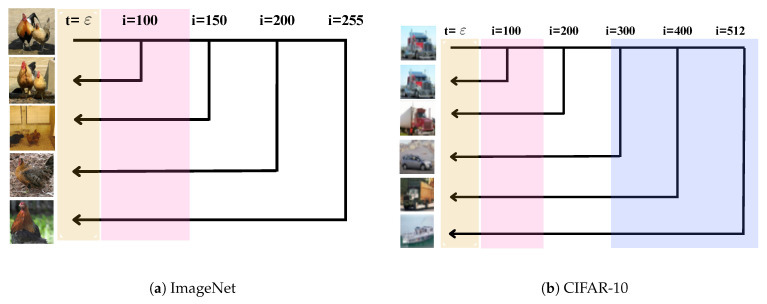 Figure 1
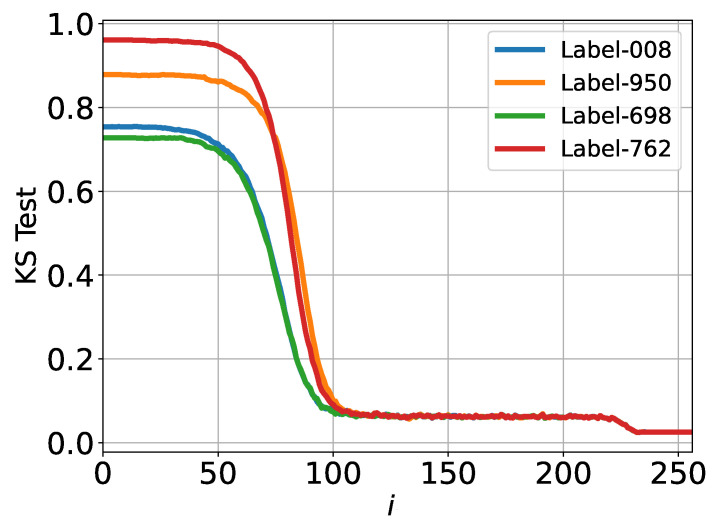 Figure 2
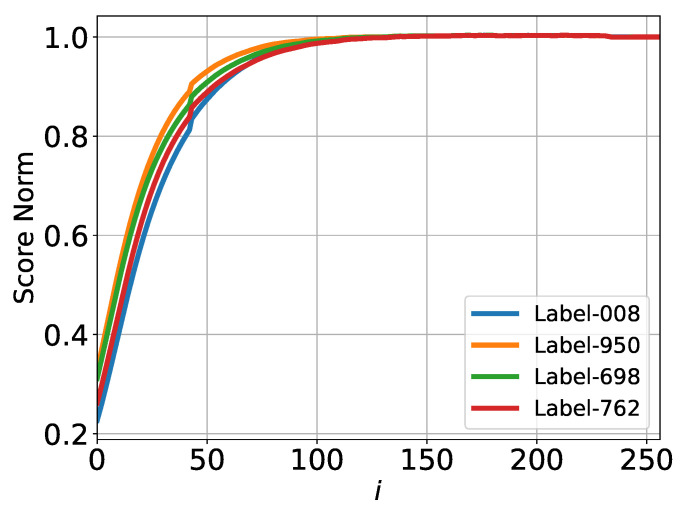 Figure 3
 Figure 4
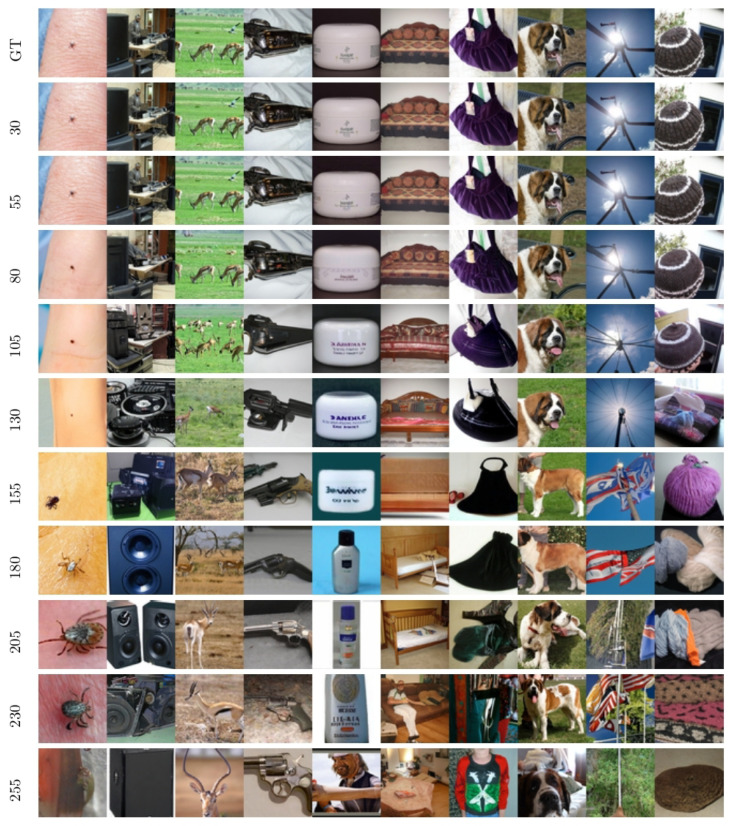 Figure 5
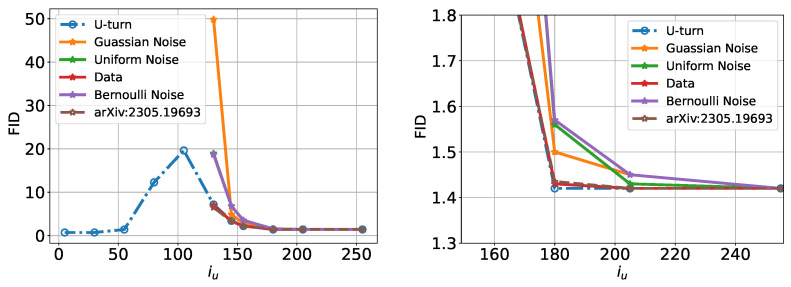 Figure 6
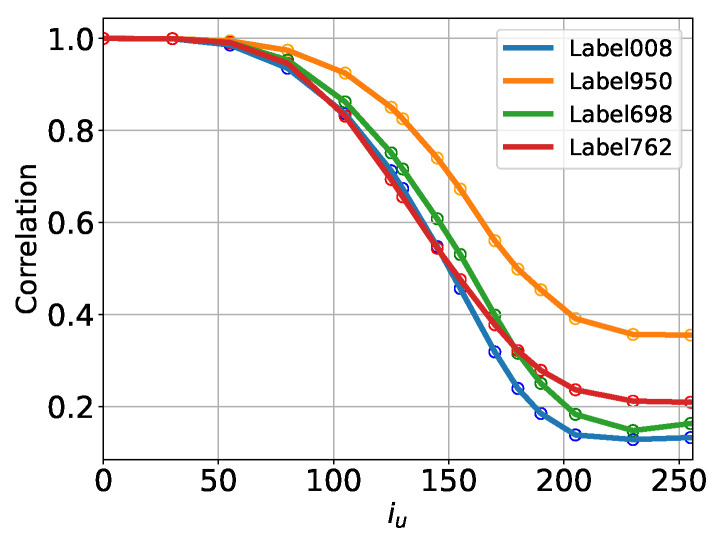 Figure 7
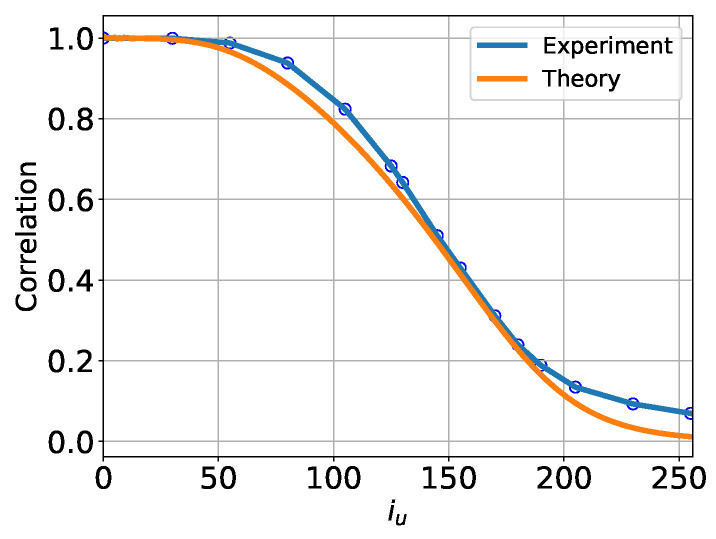 Figure 8
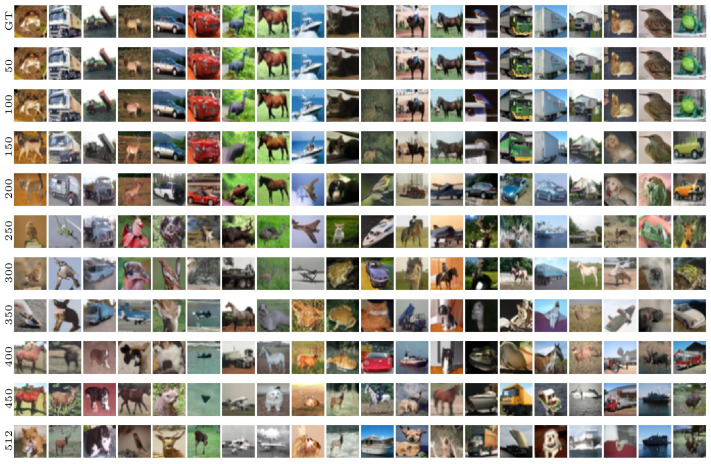 Figure 9
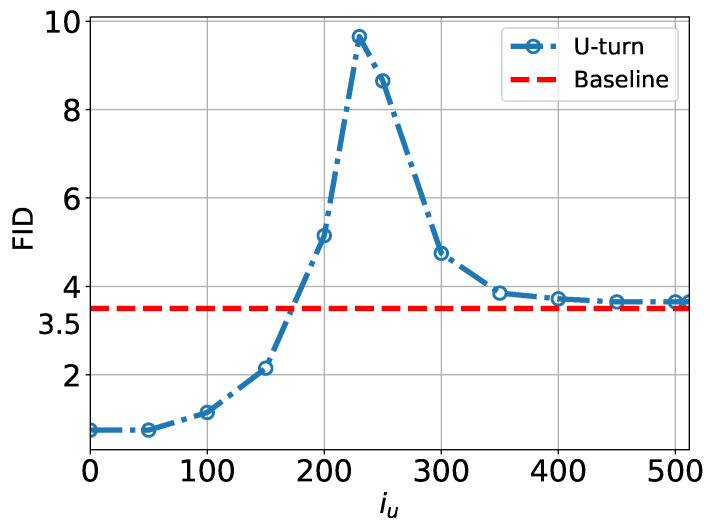 Figure 10
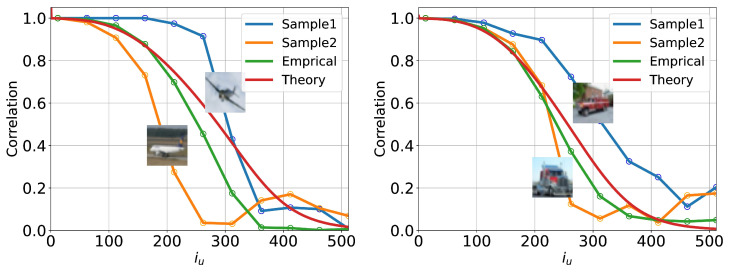 Figure 11
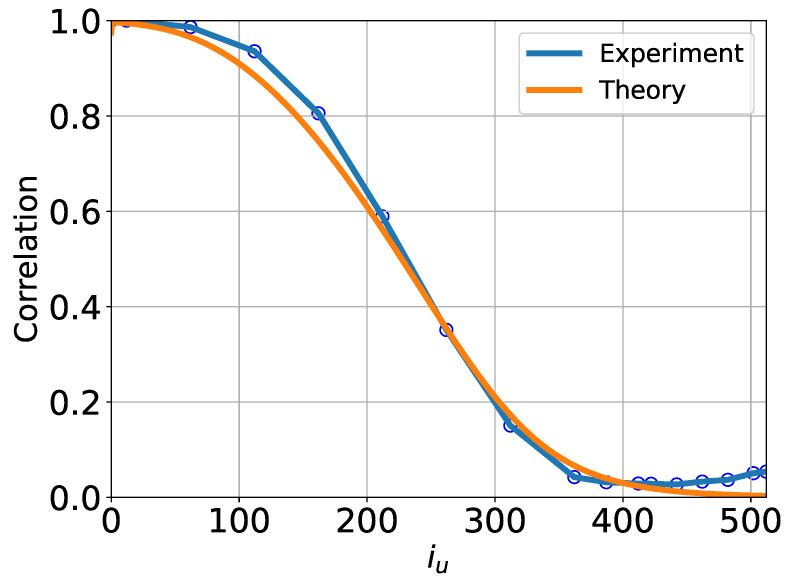 Figure 12
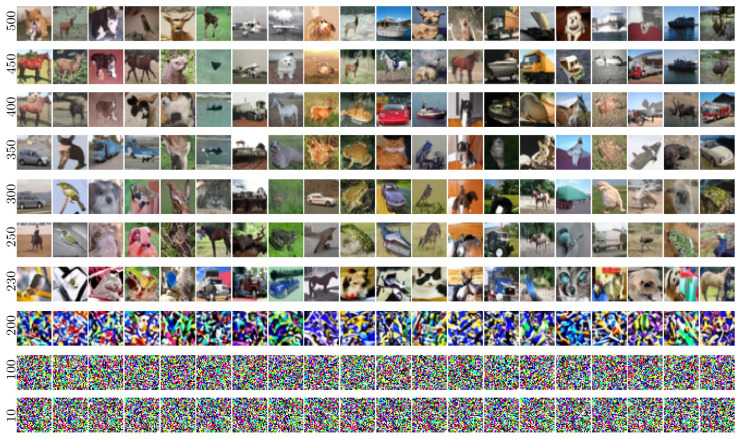 Figure 13
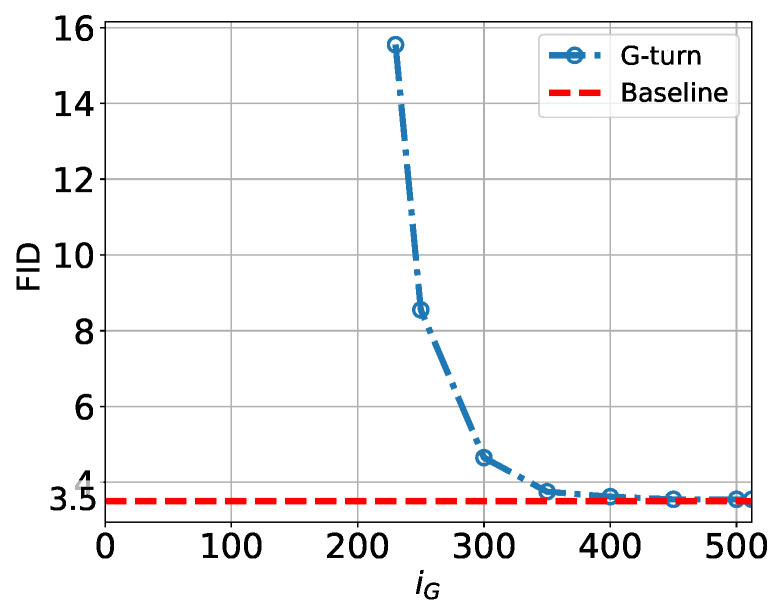 Figure 14
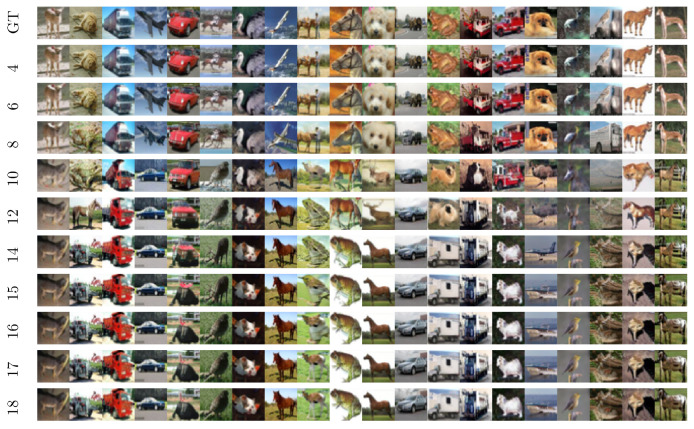 Figure 15
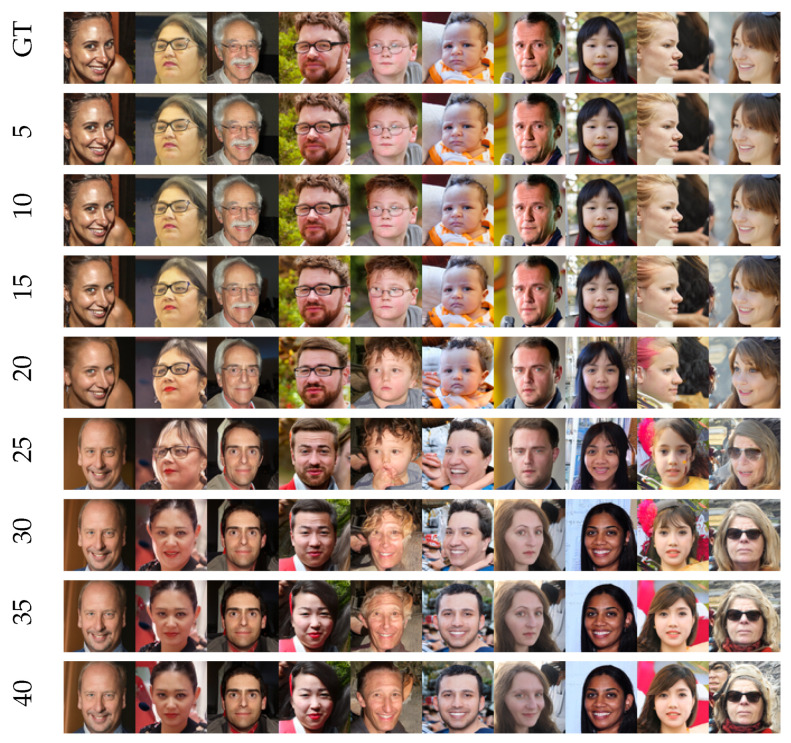 Figure 16
Peer Reviews
No public reviews on file for this paper yet. If you reviewed it on a platform where reviews are public (OpenReview, ICLR, NeurIPS, ICML), you can paste yours below so the community can read it here.
Videos
No videos yet. Explain this paper in a talk, walkthrough, or lecture? Add one.
Taxonomy
TopicsAdvanced Neuroimaging Techniques and Applications · Generative Adversarial Networks and Image Synthesis · Model Reduction and Neural Networks