An Event–Link Network Model Based on Representation in P-Space
Wenjun Zhang, Xiangna Chen, Weibing Deng

TL;DR
This paper introduces a new network model based on event–link relationships in P-space, which can generate networks with properties similar to real-world systems like transportation networks.
Contribution
The novel event–link model in P-space enables the generation of networks with controllable topological features and realistic statistical properties.
Findings
The event–link model generates networks with small-world and scale-free properties.
Simulation outcomes align with theoretical predictions under various parameter settings.
The model can replicate the growth and structure of real-world transportation networks.
Abstract
The L-space and P-space are two essential representations for studying complex networks that contain different clusters. Existing network models can successfully generate networks in L-space, but generating networks in P-space poses significant challenges. In this study, we present an empirical analysis of the distribution of the number of a line’s nodes and the properties of the networks generated by these data in P-space. To gain insights into the operational mechanisms of the network of these data, we propose an event–link model that incorporates new nodes and links in P-space based on actual data characteristics using real data from marine and public transportation networks. The entire network consists of a series of events that consist of many nodes, and all nodes in an event are connected in the P-space. We conduct simulation experiments to explore the model’s topological features…
Genes, proteins, chemicals, diseases, species, mutations and cell lines named across the full text — each resolved to its canonical identifier and authoritative record.
Click any figure to enlarge with its caption.
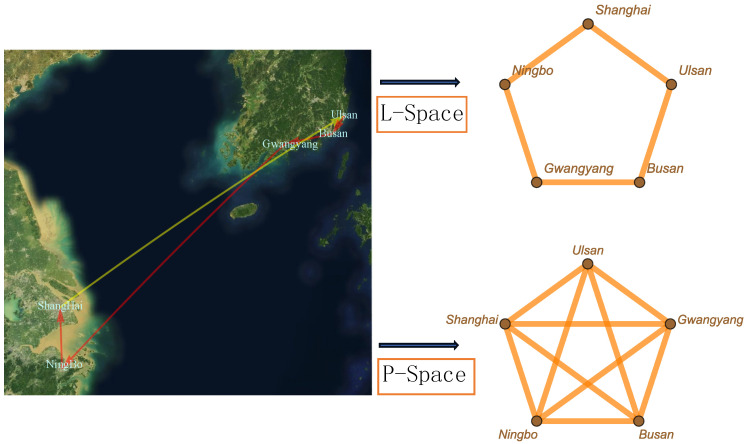 Figure 1
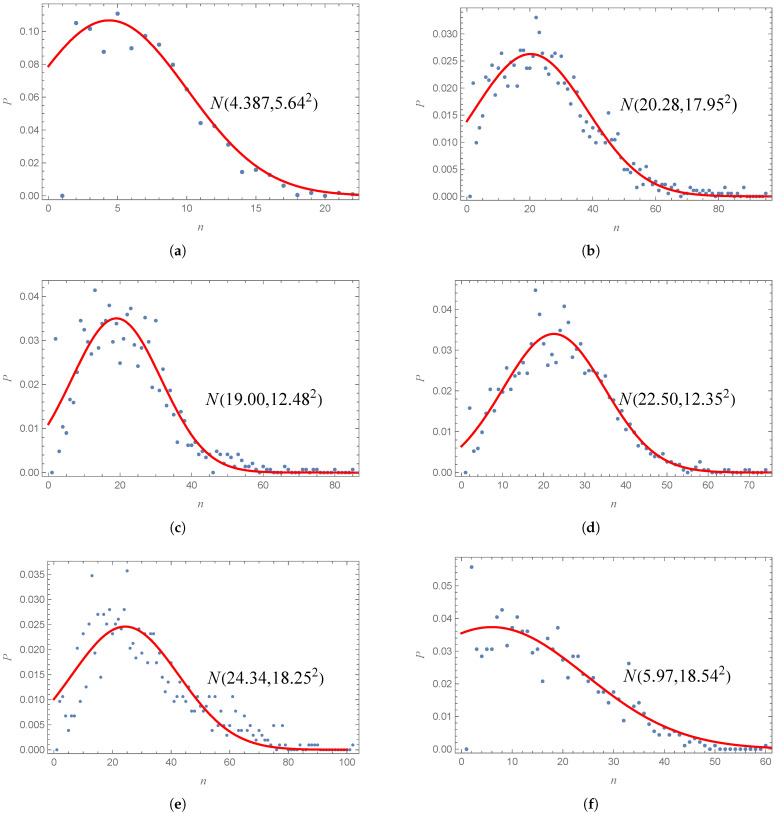 Figure 2
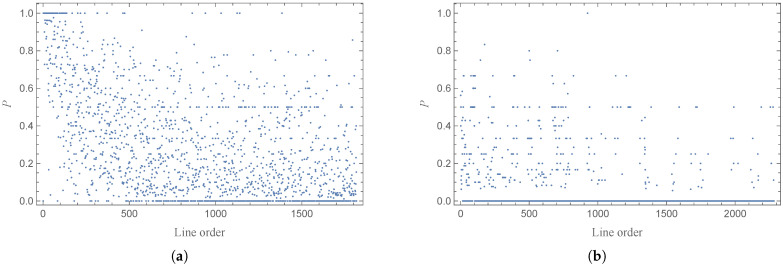 Figure 3
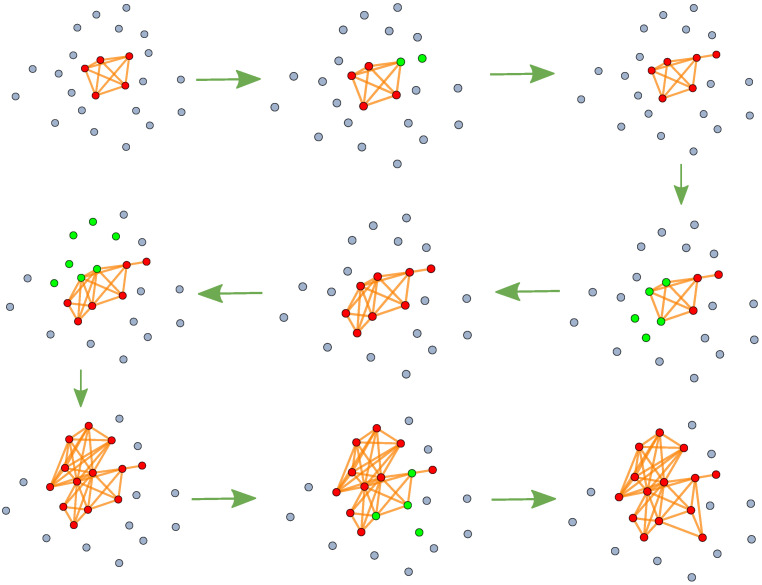 Figure 4
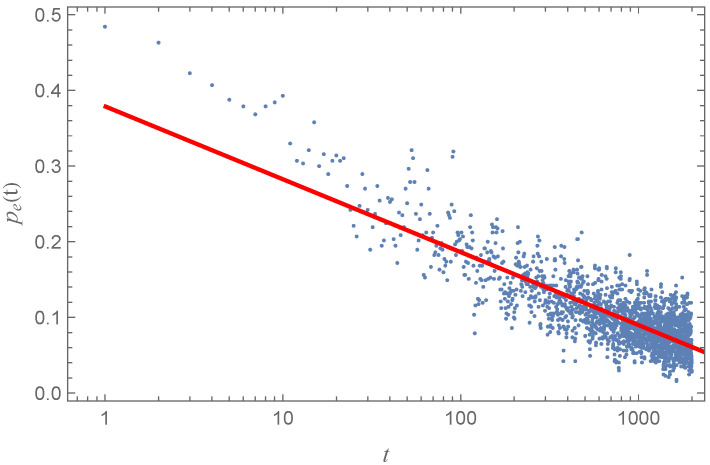 Figure 5
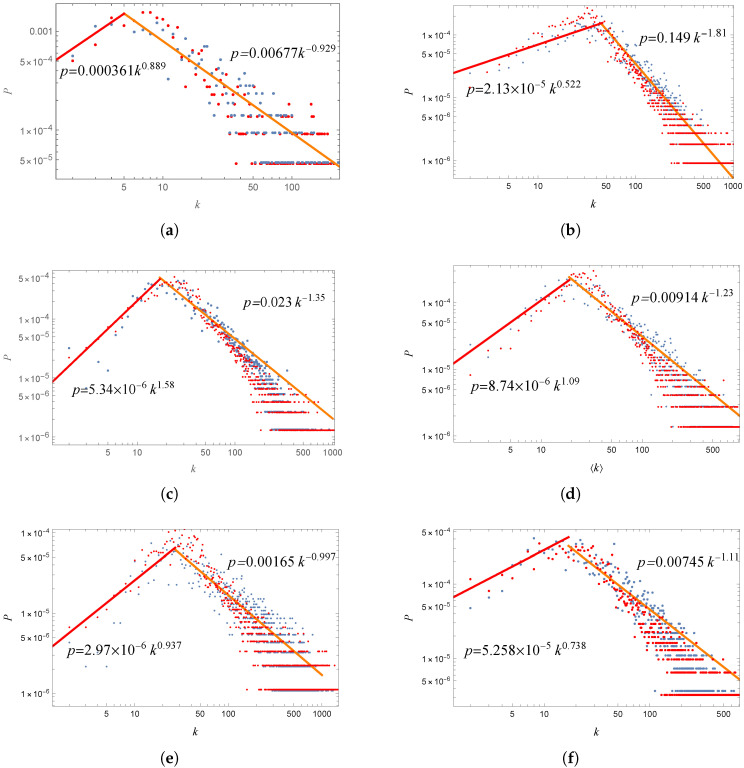 Figure 6
Peer Reviews
No public reviews on file for this paper yet. If you reviewed it on a platform where reviews are public (OpenReview, ICLR, NeurIPS, ICML), you can paste yours below so the community can read it here.
Videos
No videos yet. Explain this paper in a talk, walkthrough, or lecture? Add one.
Taxonomy
TopicsComplex Network Analysis Techniques · Opinion Dynamics and Social Influence · Human Mobility and Location-Based Analysis