Neural Oscillatory Mechanisms Underlying Step Accuracy: Integrating Microstate Segmentation with eLORETA-Independent Component Analysis
Kohei Okuyama, Kota Maeda, Ryosuke Yamauchi, Daichi Harada, Takayuki Kodama

TL;DR
This study explores how brain activity, particularly in the anterior cingulate cortex, supports accurate stepping, offering insights for fall prevention and rehabilitation.
Contribution
The study introduces an integrated framework combining eLORETA-ICA and microstate analysis to identify neural networks involved in precise stepping.
Findings
The anterior cingulate cortex showed the highest microstate probability (21.15%) during stepping tasks.
High-performing participants had amplified theta-band activity in the ACC and enhanced activity in the precuneus and postcentral gyrus.
Suppressed mu- and beta-band activity in the paracentral lobules was observed in high-performing individuals.
Abstract
Background/Objectives: Precise stepping control is fundamental to human mobility, and impairments increase fall risk in older adults and individuals with neurological conditions. This study investigated the cortical networks underlying stepping accuracy using mobile brain/body imaging with electroencephalography (EEG)-based exact low-resolution electromagnetic tomography-independent component analysis (eLORETA-ICA) and microstate segmentation analysis (MSA). Methods: Sixteen healthy male participants performed a precision stepping task while wearing a mobile EEG system. Step performance was quantified using error distance, measuring deviation between target and heel contact points. Preprocessed EEG data were analyzed using eLORETA-ICA and MSA, with participants categorized into high- and low-performing groups. Results: Seven microstate clusters were identified, with the anterior…
Genes, proteins, chemicals, diseases, species, mutations and cell lines named across the full text — each resolved to its canonical identifier and authoritative record.
Click any figure to enlarge with its caption.
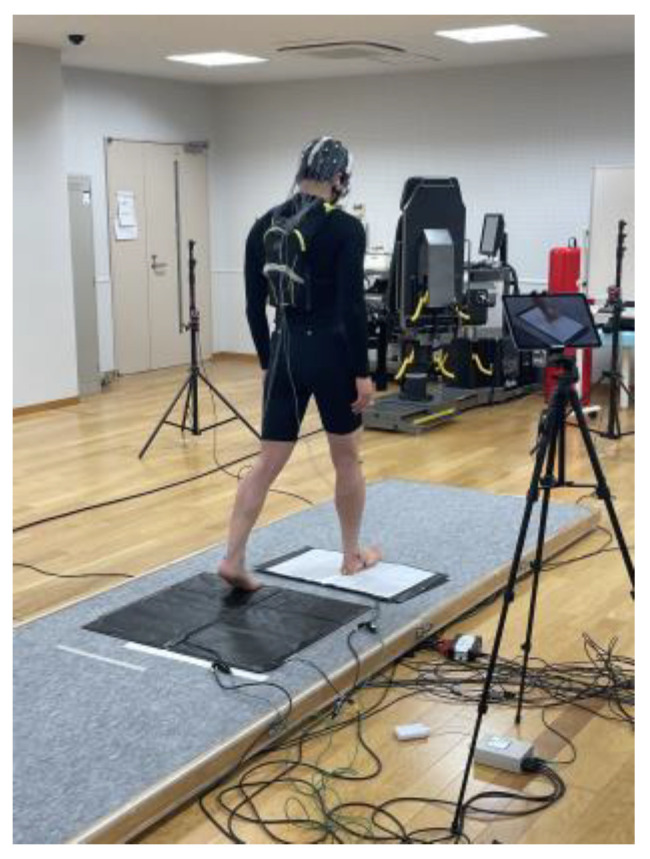 Figure 1
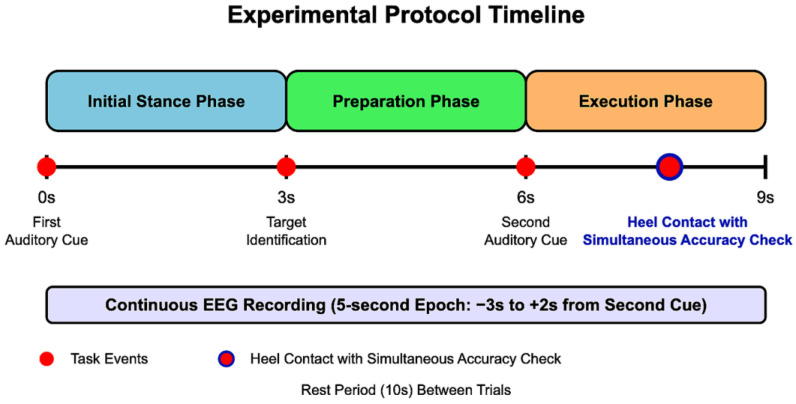 Figure 2
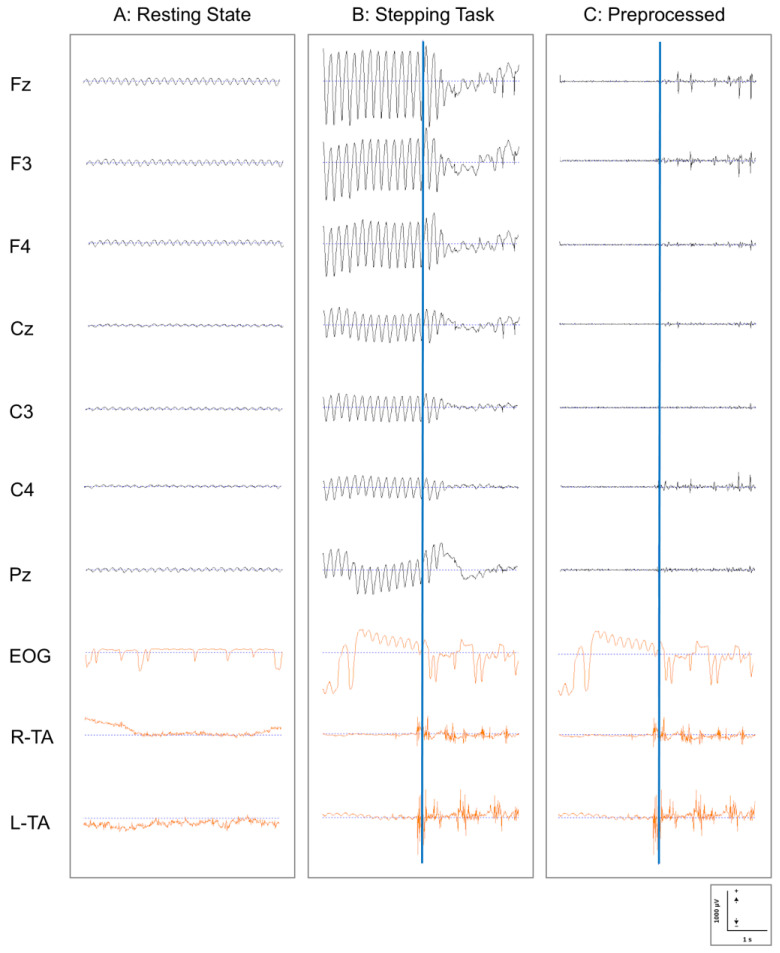 Figure 3
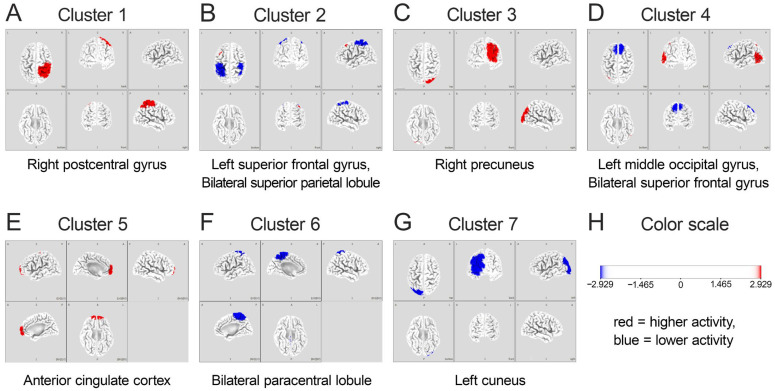 Figure 4
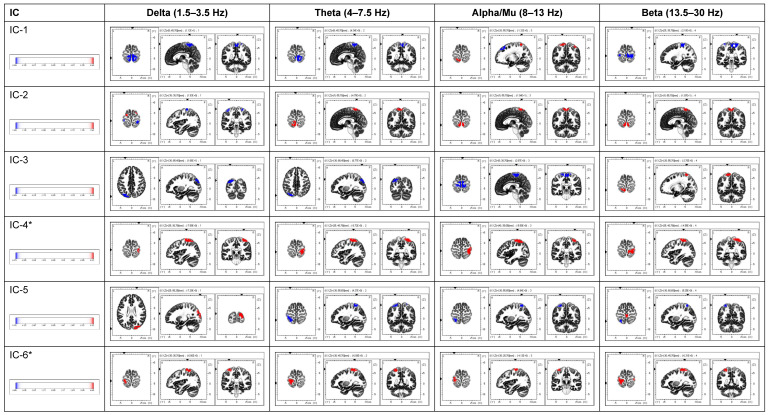 Figure 5
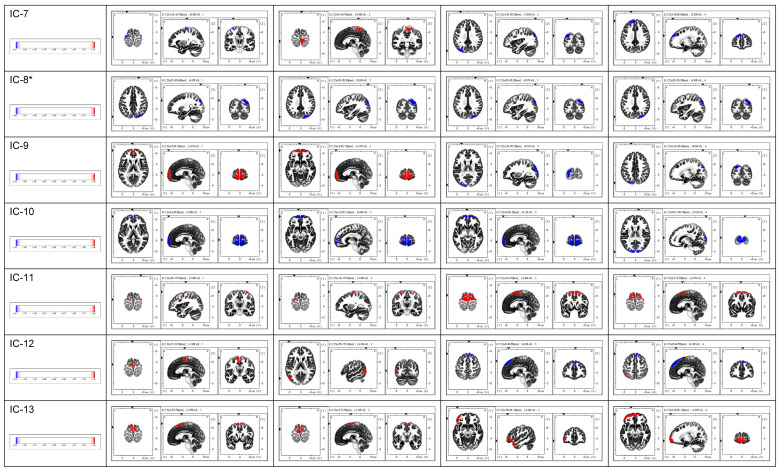 Figure 6
Peer Reviews
No public reviews on file for this paper yet. If you reviewed it on a platform where reviews are public (OpenReview, ICLR, NeurIPS, ICML), you can paste yours below so the community can read it here.
Videos
No videos yet. Explain this paper in a talk, walkthrough, or lecture? Add one.
Taxonomy
TopicsNeural Networks and Applications