The Use of Positron-Emission Tomography–Magnetic Resonance Imaging to Improve the Local Staging of Disease in Myxofibrosarcoma: A Feasibility Study
Corey D. Chan, Marcus J. Brookes, Tamir Ali, Elizabeth Howell, Petra Dildey, Michael Firbank, Rachel Pearson, Philip Sloan, Simon Lowes, Raj Sinha, John Tuckett, Maniram Ragbir, Thomas Beckingsale, Geoff Hide, Craig Gerrand, Kenneth S. Rankin, George S. Petrides

TL;DR
This study explores whether combining PET-MRI and DWI MRI improves the accuracy of staging myxofibrosarcomas compared to standard MRI.
Contribution
The study introduces a novel feasibility approach using FDG-PET and DWI MRI for better pre-operative staging of myxofibrosarcomas.
Findings
Combining FDG-PET and DWI MRI may provide more accurate local staging of MFSs than conventional MRI.
Five out of six patients had close or positive surgical margins, highlighting the need for improved imaging.
The study demonstrates the practicality of using PET-MRI and DWI for pre-operative planning in MFSs.
Abstract
Background/Objectives: Myxofibrosarcomas (MFSs) are aggressive soft-tissue sarcomas (STSs) that often arise in the upper and lower limbs. MFSs are a highly infiltrative sarcoma subtype with a high positive margin rate and poor clinical outcomes. Their management involves multidisciplinary team (MDT) input, with the mainstay of treatment being a wide surgical resection to remove the whole tumour, but this can be challenging due to the infiltrative nature of MFSs through fascial planes. Appropriate pre-operative imaging is therefore essential for surgical planning. Currently, MRI imaging is the modality of choice to assess the soft-tissue extent of MFSs; however, it does not always reliably predict tumour extent, especially when an MRI shows high-signal curvilinear projections, known as “tails”, which often represent tumour extension and increase the risk of positive margins and local…
Genes, proteins, chemicals, diseases, species, mutations and cell lines named across the full text — each resolved to its canonical identifier and authoritative record.
Click any figure to enlarge with its caption.
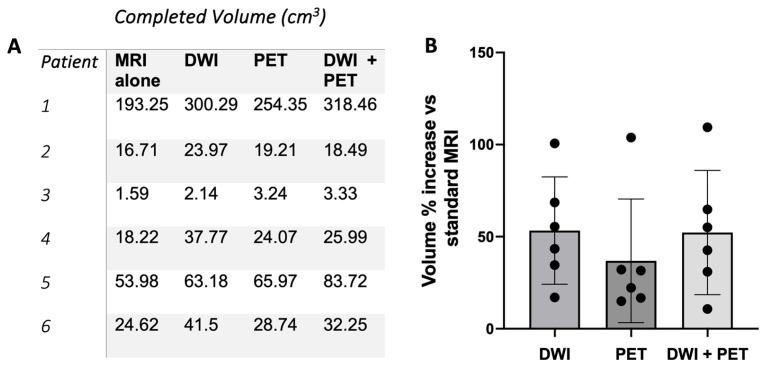 Figure 1
 Figure 2
 Figure 3
Peer Reviews
No public reviews on file for this paper yet. If you reviewed it on a platform where reviews are public (OpenReview, ICLR, NeurIPS, ICML), you can paste yours below so the community can read it here.
Videos
No videos yet. Explain this paper in a talk, walkthrough, or lecture? Add one.
Taxonomy
TopicsSarcoma Diagnosis and Treatment · Bone Tumor Diagnosis and Treatments · Cardiac tumors and thrombi