A novel nonsense mutation in SCAF4 associated with fliedner-zweier syndrome: a case report and review of the literature
Zhengfang Chen, Jing Zhao, Xiaoxuan Fan, Xiaoyan Xuan, Xiaoke Zhao

TL;DR
A new mutation in the SCAF4 gene is linked to Fliedner-Zweier syndrome, a rare condition causing intellectual disability and physical abnormalities.
Contribution
The study reports a novel nonsense mutation in SCAF4 not previously documented in genetic databases or literature.
Findings
A 4-year-old Chinese boy with intellectual impairment and distinct facial features was found to have a novel SCAF4 mutation.
RNA sequencing confirmed transcriptional dysregulation due to SCAF4 dysfunction, supporting its role in neurodevelopmental disorders.
The mutation was inherited from the father and is not present in GnomAD, dbSNP, or existing literature.
Abstract
Variants in the SR-related C-terminal domain-Associated factor 4 (SCAF4) gene are linked to Fliedner-Zweier syndrome (FZS), which presents with diverse symptoms, including mild intellectual disability, seizures, behavioral abnormalities, and various skeletal and structural anomalies. However, there is a paucity of cases describing genotypes and clinical features. We present the case of a 4-year and seven-month-old Chinese boy displaying intellectual impairment, language development disorder, behavioral abnormalities, and distinct facial features. Whole exome sequencing (WES) identified a heterozygous nonsense mutation, c.1693C>T (p.Arg565*), located in exon 14 of the SCAF4 gene (NM_020706). Sanger sequencing confirmed paternal inheritance of this mutation. RNA sequencing from the patient demonstrated widespread transcriptional dysregulation, reinforcing the role of SCAF4 dysfunction in…
Genes, proteins, chemicals, diseases, species, mutations and cell lines named across the full text — each resolved to its canonical identifier and authoritative record.
Click any figure to enlarge with its caption.
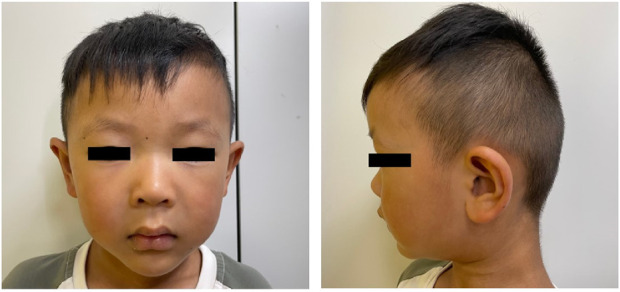 Figure 1
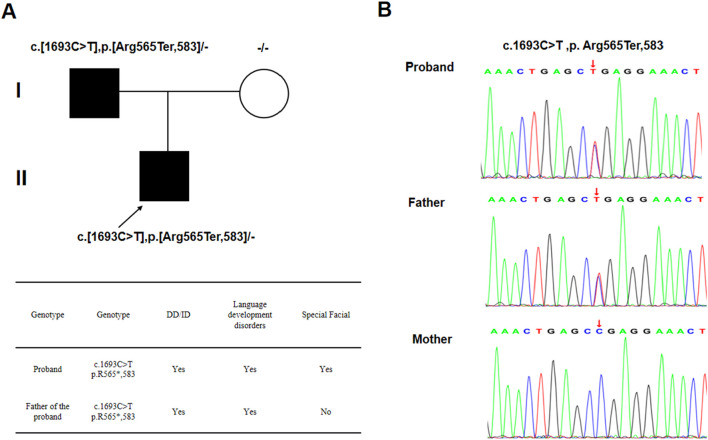 Figure 2
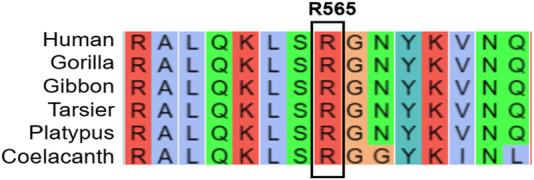 Figure 3
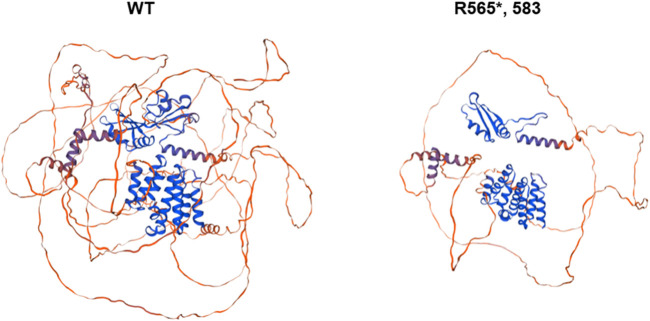 Figure 4
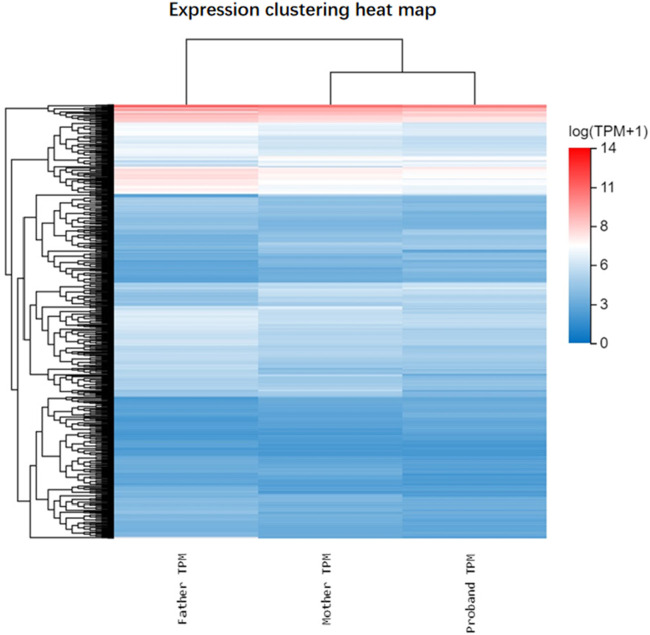 Figure 5
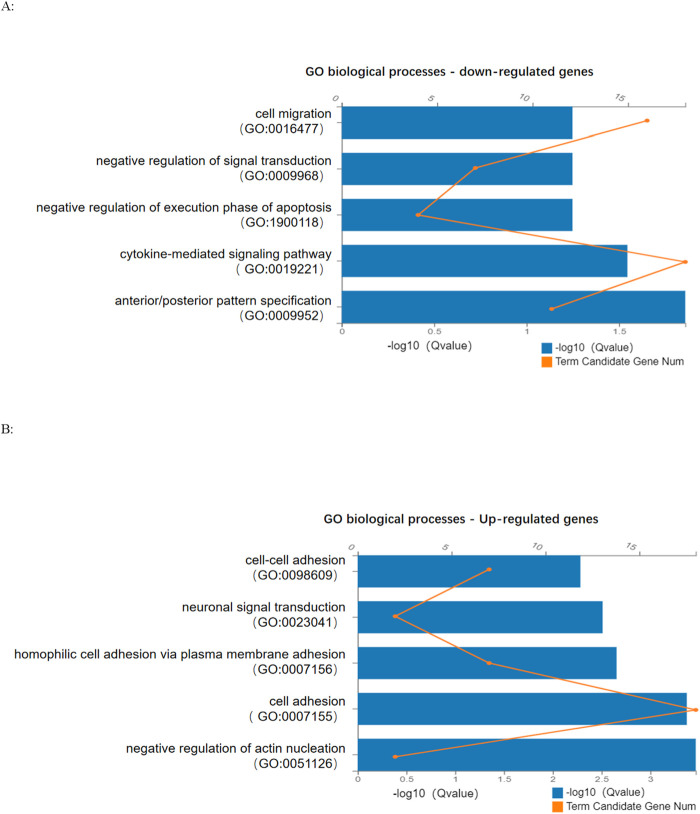 Figure 6
 Figure 7
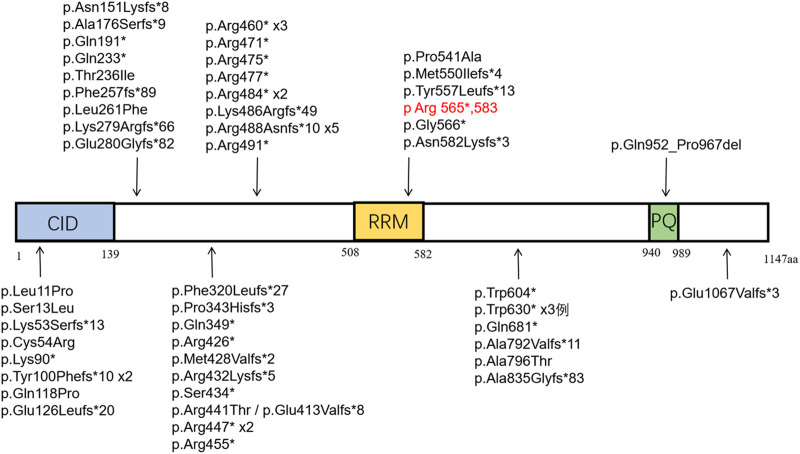 Figure 8
Peer Reviews
No public reviews on file for this paper yet. If you reviewed it on a platform where reviews are public (OpenReview, ICLR, NeurIPS, ICML), you can paste yours below so the community can read it here.
Videos
No videos yet. Explain this paper in a talk, walkthrough, or lecture? Add one.
Taxonomy
TopicsGenetics and Neurodevelopmental Disorders · Genomic variations and chromosomal abnormalities · Genomics and Rare Diseases