Rare MTNR1B variants causing diminished MT2 signalling associate with elevated HbA1c levels but not with type 2 diabetes
Kimmie V. Sørensen, Johanne M. Justesen, Lars Ängquist, Jette Bork-Jensen, Bolette Hartmann, Niklas R. Jørgensen, Jørgen Rungby, Henrik T. Sørensen, Allan Vaag, Jens S. Nielsen, Jens J. Holst, Oluf Pedersen, Allan Linneberg, Torben Hansen, Niels Grarup

TL;DR
Rare MTNR1B gene variants linked to reduced melatonin receptor signaling are associated with higher HbA1c levels but not with type 2 diabetes.
Contribution
Identifies rare MTNR1B variants that impair MT2 signaling and elevate HbA1c without increasing type 2 diabetes risk.
Findings
Missense MTNR1B variants causing impaired MT2 signaling are associated with higher HbA1c levels.
No significant association was found between MTNR1B variants and type 2 diabetes prevalence in the UK Biobank.
Carriers of MT2-impairing variants showed a reduced glucose-stimulated insulin response after melatonin treatment.
Abstract
An intronic variant (rs10830963) in MTNR1B (encoding the melatonin receptor type 2 [MT2]) has been shown to strongly associate with impaired glucose regulation and elevated type 2 diabetes prevalence. However, MTNR1B missense variants have shown conflicting results on type 2 diabetes. Thus, we aimed to gain further insights into the impact of MTNR1B coding variants on type 2 diabetes prevalence and related phenotypes. We conducted a cross-sectional study, performing MTNR1B variant burden testing of glycaemic phenotypes (N=248,454, without diabetes), other cardiometabolic phenotypes (N=330,453) and type 2 diabetes prevalence (case–control study; N=263,739) in the UK Biobank. Similar burden testing with glycaemic phenotypes was performed in Danish Inter99 participants without diabetes (N=5711), and type 2 diabetes prevalence (DD2 cohort serving as cases [N=2930] and Inter99 serving as…
Genes, proteins, chemicals, diseases, species, mutations and cell lines named across the full text — each resolved to its canonical identifier and authoritative record.
Click any figure to enlarge with its caption.
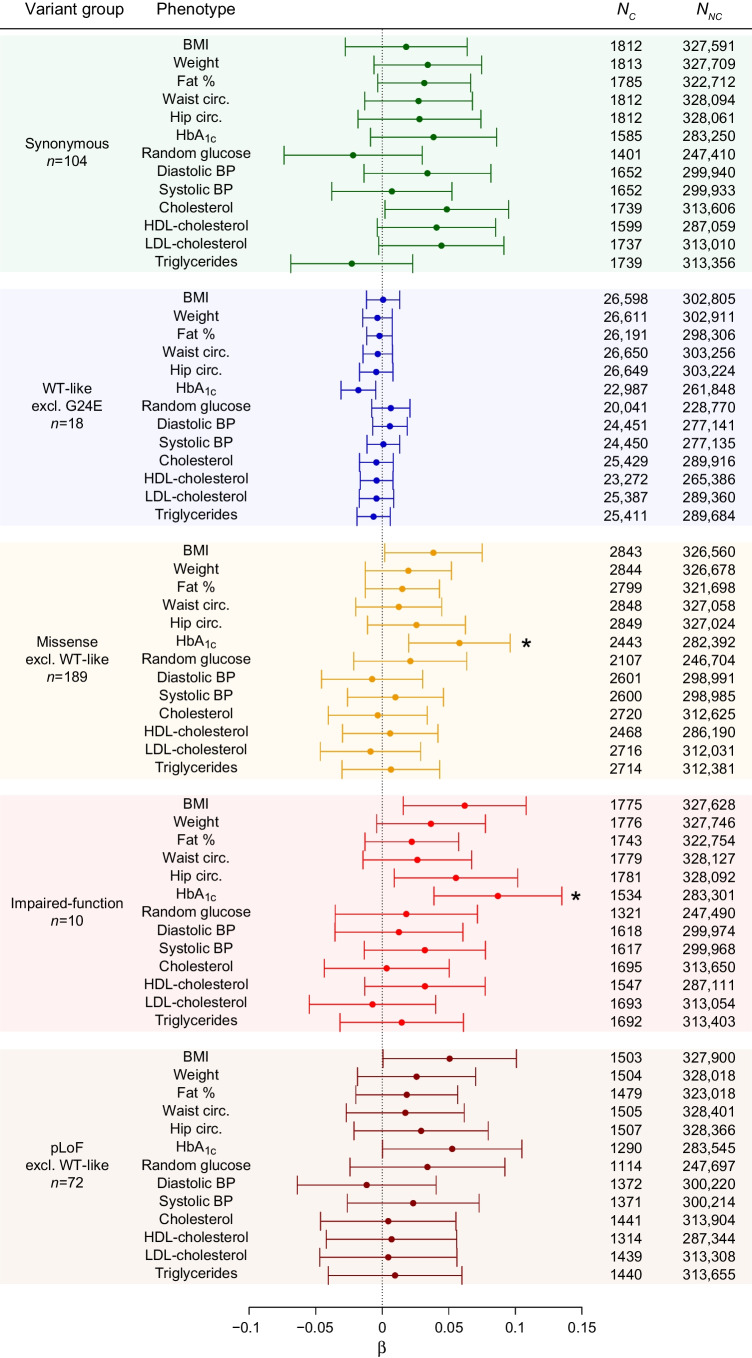 Figure 1
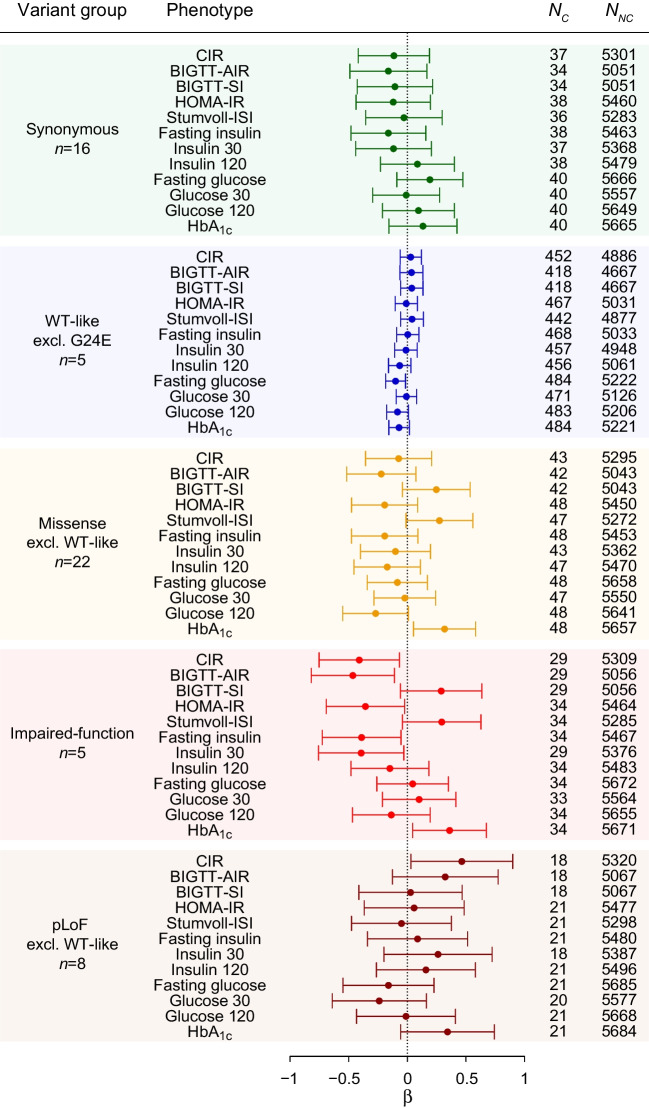 Figure 2
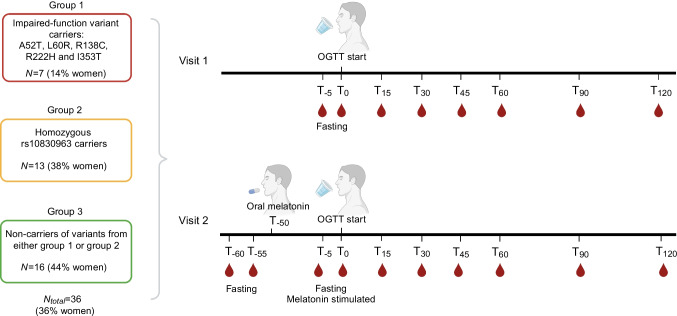 Figure 3
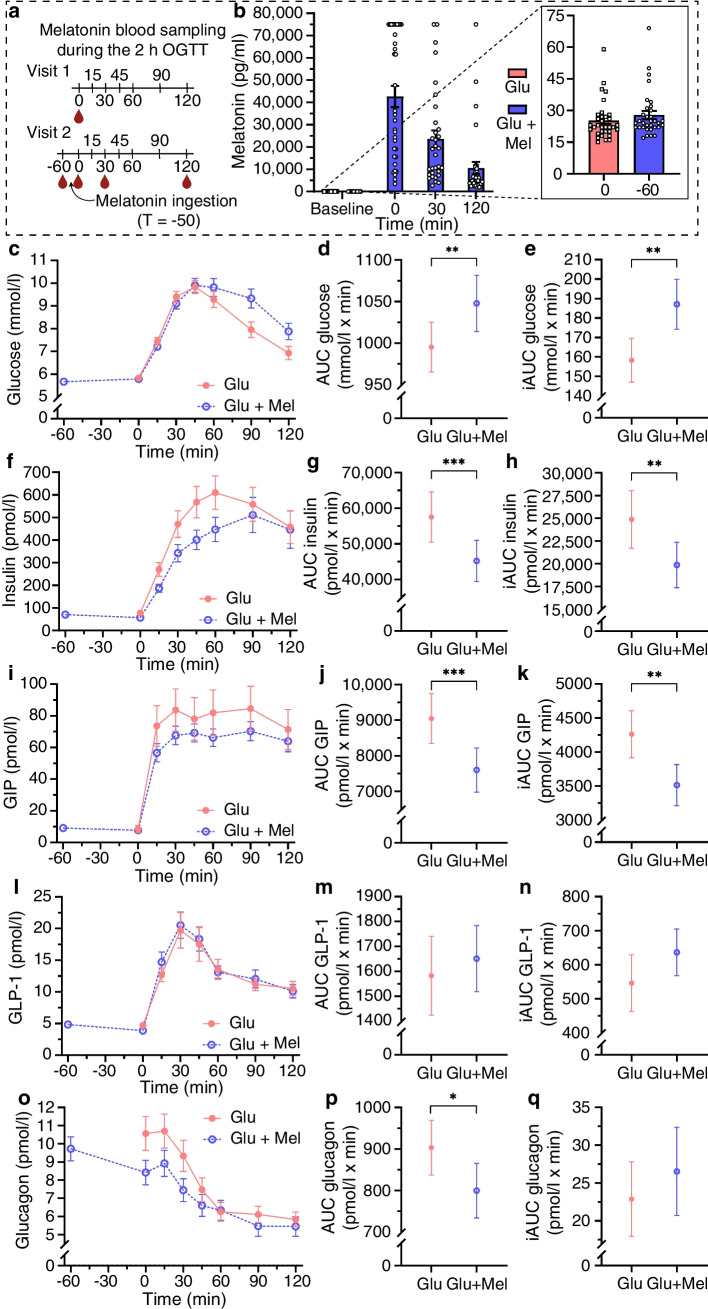 Figure 4
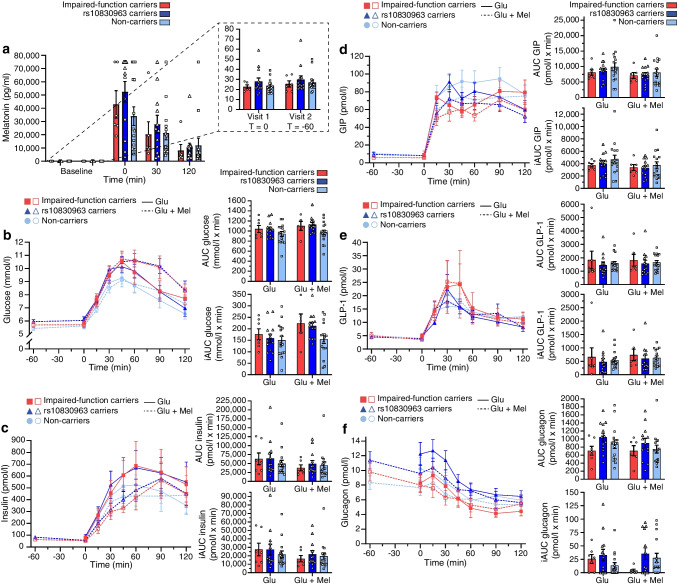 Figure 5
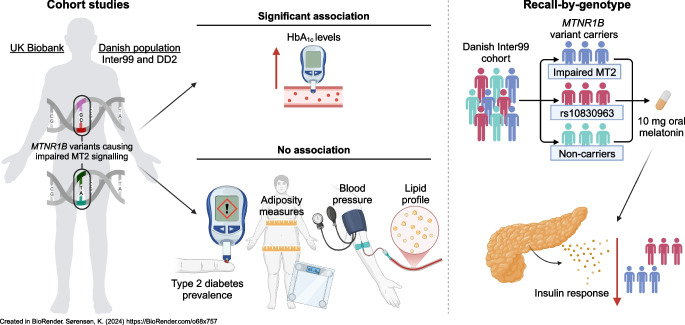 Figure 6
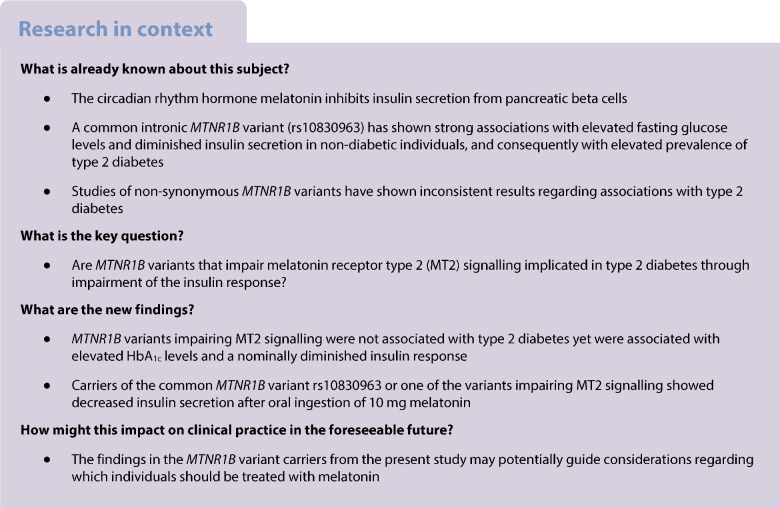 Figure 7
Peer Reviews
No public reviews on file for this paper yet. If you reviewed it on a platform where reviews are public (OpenReview, ICLR, NeurIPS, ICML), you can paste yours below so the community can read it here.
Videos
No videos yet. Explain this paper in a talk, walkthrough, or lecture? Add one.
Taxonomy
TopicsGenetics and Neurodevelopmental Disorders · Metabolism, Diabetes, and Cancer · Genomics and Rare Diseases