Metastatic pheochromocytoma complicated with Langerhans cell histiocytosis: a case report
Dandan Dai, Jing Xie

TL;DR
A rare case of metastatic pheochromocytoma combined with Langerhans cell histiocytosis is reported, with genetic mutations identified in both conditions.
Contribution
The first reported case of pheochromocytoma metastasis complicated by Langerhans cell histiocytosis.
Findings
Pheochromocytoma metastasized to the inferior vena cava eight years after adrenalectomy.
Langerhans cell histiocytosis was found in the metastatic pheochromocytoma tissue.
NGS identified BRAF and RAD54B mutations in LCH cells and EPAS1 in pheochromocytoma.
Abstract
Pheochromocytoma is a neuroendocrine neoplasm that originates from chromaffin cells of the adrenal medulla. Langerhans cell histiocytosis (LCH) is a proliferative disease of histiocyte-like cells, often associated with activating mutations of the mitogen-activated protein kinase (MAPK) pathway. We present a case of a 49-year-old male with a history of pheochromocytoma, which metastasized to the inferior vena cava eight years after left adrenalectomy. At the same time, it was found that the pheochromocytoma in the metastasis was complicated with LCH, a combination that has not been previously reported. Genetic analysis was carried out by next-generation sequencing (NGS) technology. Somatic mutations of BRAF and RAD54B were detected in Langerhans cells and EPAS1 in pheochromocytoma.
Genes, proteins, chemicals, diseases, species, mutations and cell lines named across the full text — each resolved to its canonical identifier and authoritative record.
Click any figure to enlarge with its caption.
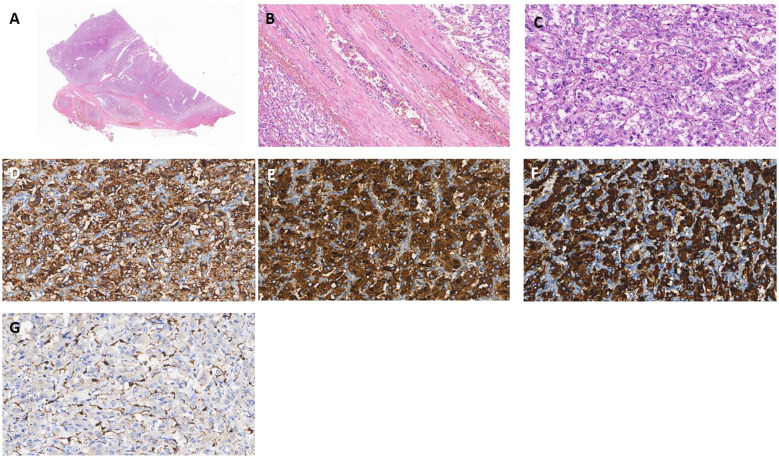 Figure 1
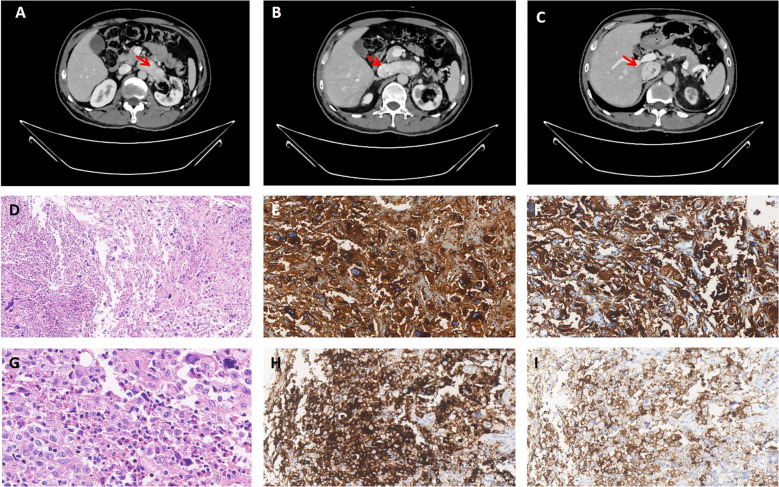 Figure 2
Peer Reviews
No public reviews on file for this paper yet. If you reviewed it on a platform where reviews are public (OpenReview, ICLR, NeurIPS, ICML), you can paste yours below so the community can read it here.
Videos
No videos yet. Explain this paper in a talk, walkthrough, or lecture? Add one.
Taxonomy
TopicsHistiocytic Disorders and Treatments · Ocular Oncology and Treatments · Ubiquitin and proteasome pathways