Identification of potential riboswitch elements in Homo sapiens mRNA 5’UTR sequences using positive-unlabeled machine learning
William S Raymond, Jacob DeRoo, Brian Munsky, Sudarshan Kasireddy, Sudarshan Kasireddy, Sudarshan Kasireddy

TL;DR
This paper uses machine learning to search for riboswitches in human mRNA sequences, identifying potential candidates for further experimental study.
Contribution
The novel use of positive-unlabeled machine learning to identify potential riboswitches in human 5’UTR sequences.
Findings
436 human 5’UTR sequences were identified as potential riboswitches by all 20 classifiers.
A database was created to guide future experiments on these candidate sequences.
Validation accuracy of the classifiers ranged from 75% to 99%.
Abstract
Riboswitches are a class of noncoding RNA structures that interact with target ligands to cause a conformational change that can then execute some regulatory purpose within the cell. Riboswitches are ubiquitous and well characterized in bacteria and prokaryotes, with additional examples also being found in fungi, plants, and yeast. To date, no purely RNA-small molecule riboswitch has been discovered in Homo Sapiens. Several analogous riboswitch-like mechanisms have been described within the H. Sapiens translatome within the past decade, prompting the question: Is there a H. Sapiens riboswitch dependent on only small molecule ligands? In this work, we set out to train positive unlabeled machine learning classifiers on known riboswitch sequences and apply the classifiers to H. Sapiens mRNA 5’UTR sequences found in the 5’UTR database, UTRdb, in the hope of identifying a set of mRNAs to…
Genes, proteins, chemicals, diseases, species, mutations and cell lines named across the full text — each resolved to its canonical identifier and authoritative record.
Click any figure to enlarge with its caption.
 Figure 1
 Figure 2
 Figure 3
 Figure 4
 Figure 5
 Figure 6
 Figure 7
 Figure 8
 Figure 9
 Figure 10
 Figure 11
 Figure 12
 Figure 13
 Figure 14
 Figure 15
 Figure 16
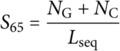 Figure 17
 Figure 18
 Figure 19
 Figure 20
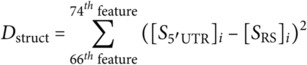 Figure 21
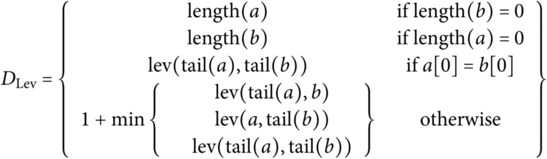 Figure 22
 Figure 23
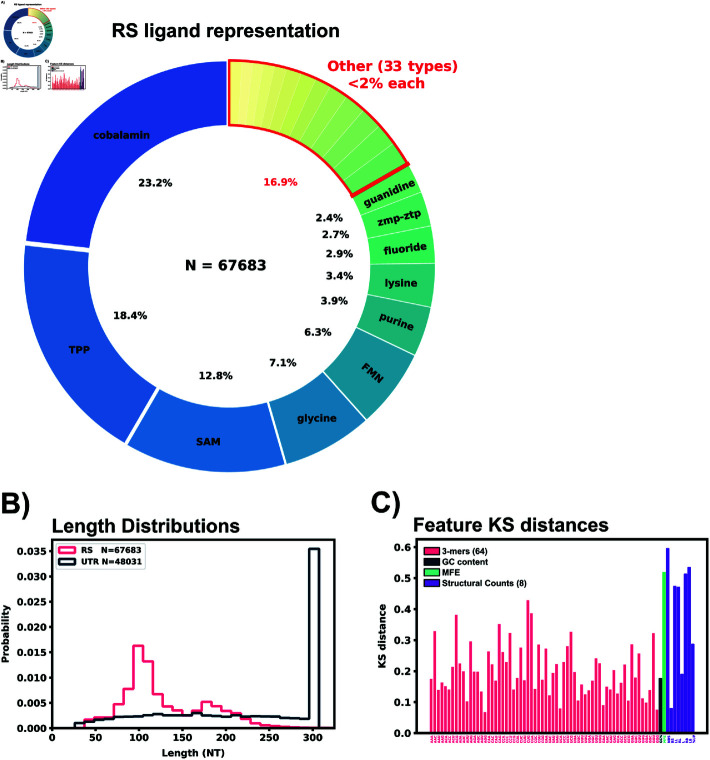 Figure 24
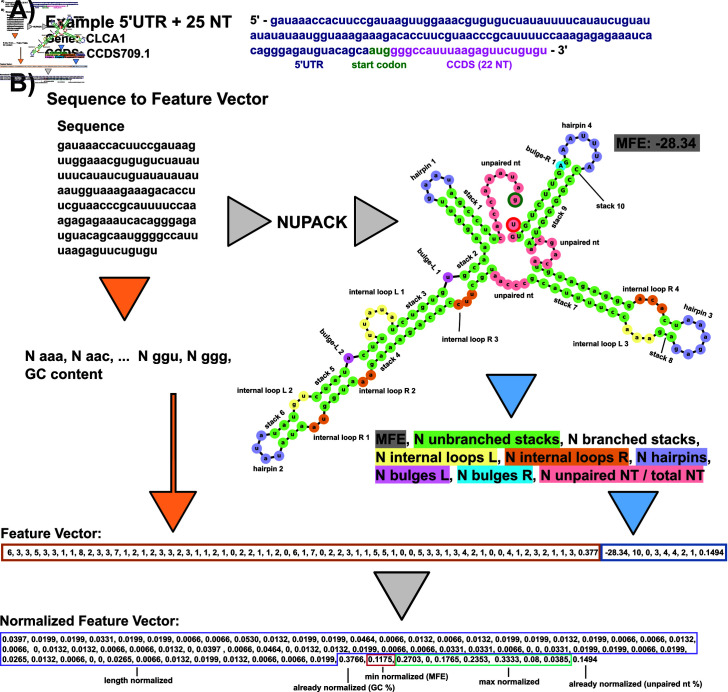 Figure 25
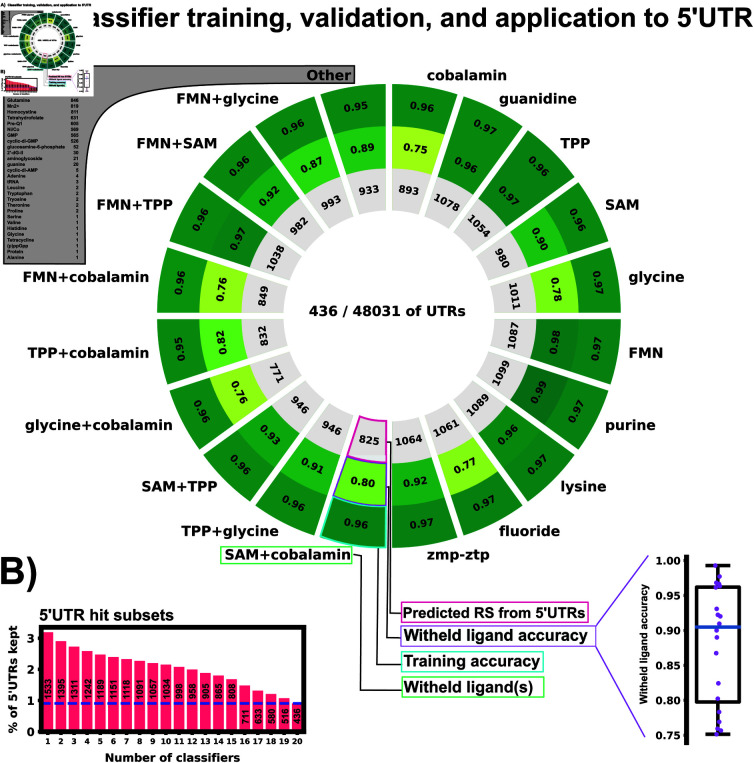 Figure 26
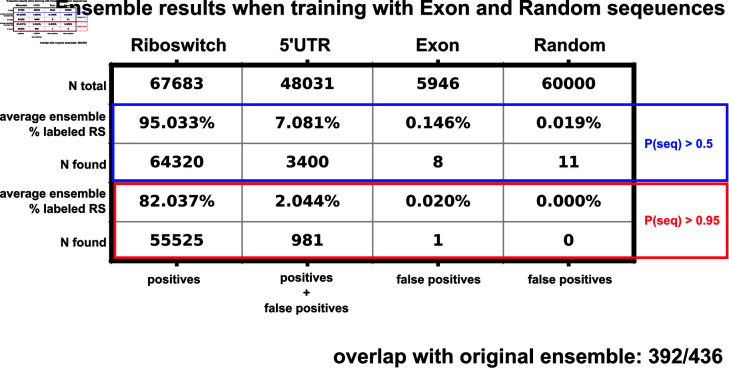 Figure 27
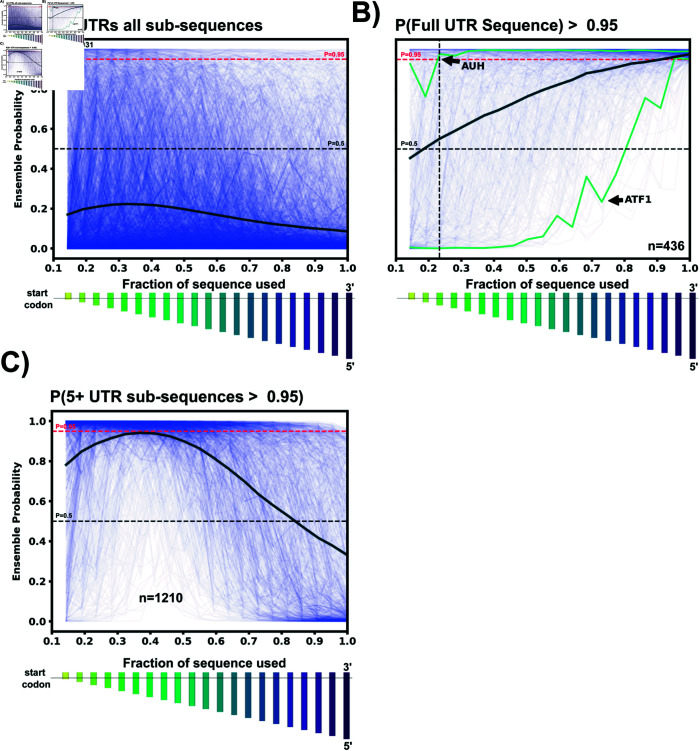 Figure 28
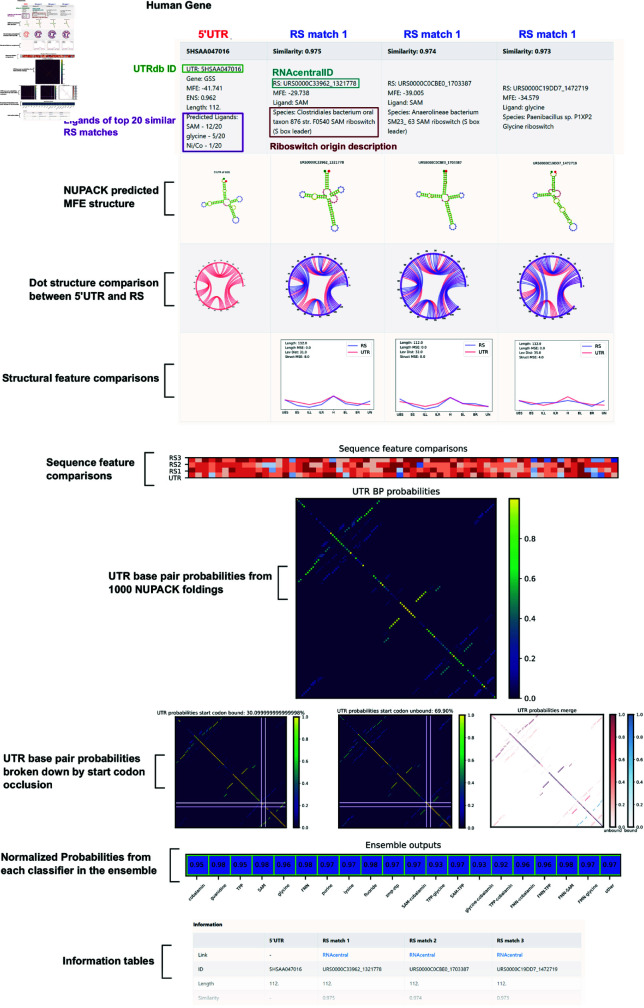 Figure 29
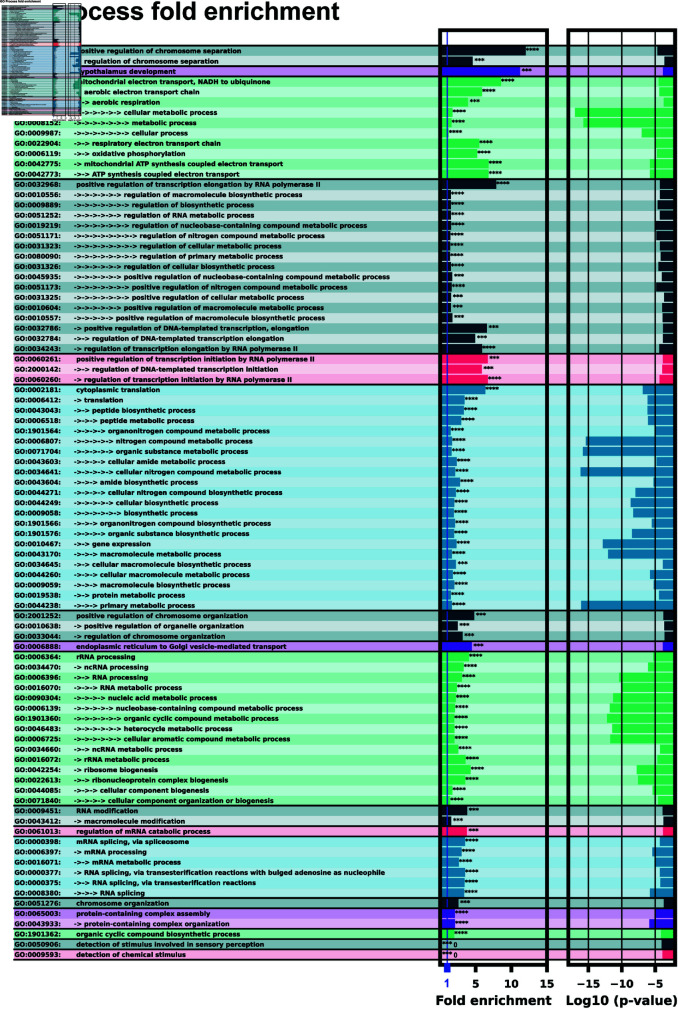 Figure 30
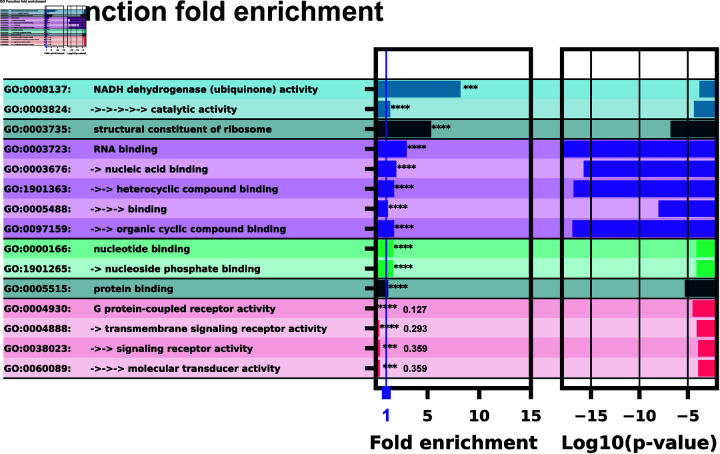 Figure 31
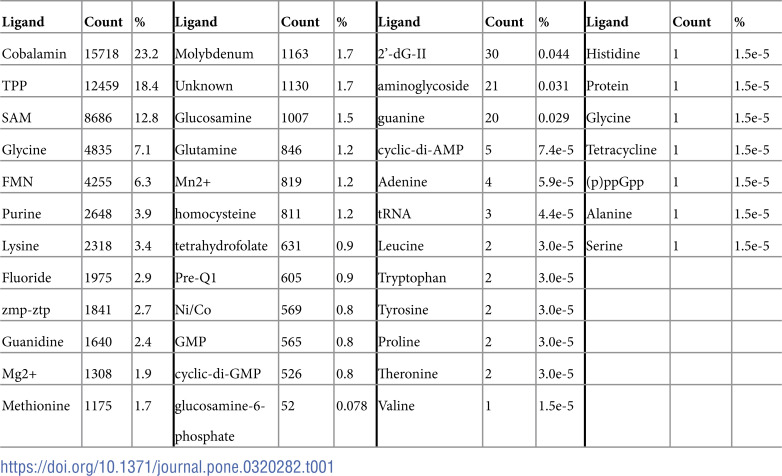 Figure 32
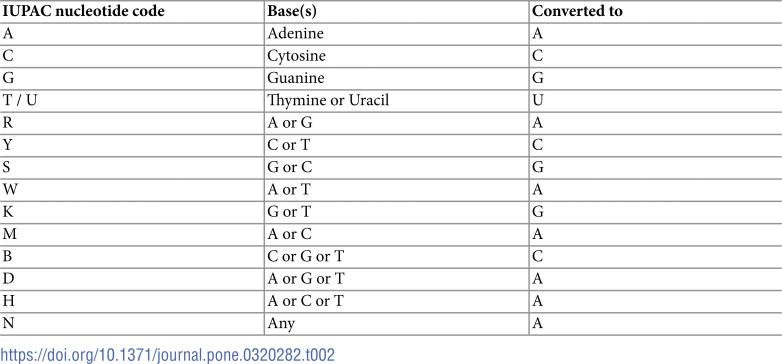 Figure 33
Peer Reviews
No public reviews on file for this paper yet. If you reviewed it on a platform where reviews are public (OpenReview, ICLR, NeurIPS, ICML), you can paste yours below so the community can read it here.
Videos
No videos yet. Explain this paper in a talk, walkthrough, or lecture? Add one.
Taxonomy
TopicsRNA and protein synthesis mechanisms · RNA modifications and cancer · RNA Research and Splicing