Isolated pulmonary metastatic disease from prostate cancer as an initial symptom in a patient following transurethral resection of the prostate for benign disease with normal histopathology
Georgios Tsakaldimis, Dimitrios Diamantidis, George Pappas-Gogos, Pipitsa Valsamaki, Francesk Mulita, Stilianos Giannakopoulos, Christos Kalaitzis

TL;DR
An 80-year-old man with benign prostate disease developed prostate cancer that first showed up as lung metastases eight months after surgery.
Contribution
This case highlights a rare scenario where prostate cancer presented as isolated pulmonary metastases after a benign TURP procedure.
Findings
The patient developed isolated pulmonary metastases as the first sign of prostate cancer eight months after TURP.
Histopathology was initially benign, but advanced prostate cancer was later diagnosed with a Gleason Score of 8.
The case raises concerns about current follow-up and histopathological evaluation practices for prostate cancer detection.
Abstract
Benign prostatic hyperplasia (BPH) remains a predominant cause of acute urinary retention (AUR) in elderly males. Transurethral resection of the prostate (TURP) is the gold-standard treatment for BPH, often uncovering incidental prostate cancer (IPC). Here, we present a unique case of an 80-year-old patient with refractory AUR due to BPH who underwent TURP. Despite benign histopathology, the patient developed isolated pulmonary metastases as the initial symptom of prostate cancer (PCa) eight months postoperatively. Diagnostic evaluation revealed advanced PCa with a Gleason Score of 8 and no other metastases. The rapid progression suggests potential vascular dissemination during TURP, although evidence remains inconclusive. This case highlights the importance of diligent follow-up post-TURP to exclude occult PCa, particularly in high-risk patients. The findings also raise questions about…
Genes, proteins, chemicals, diseases, species, mutations and cell lines named across the full text — each resolved to its canonical identifier and authoritative record.
Click any figure to enlarge with its caption.
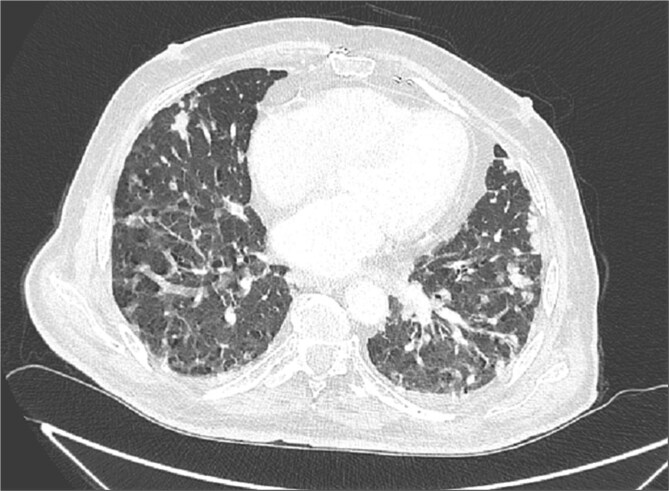 Figure 1
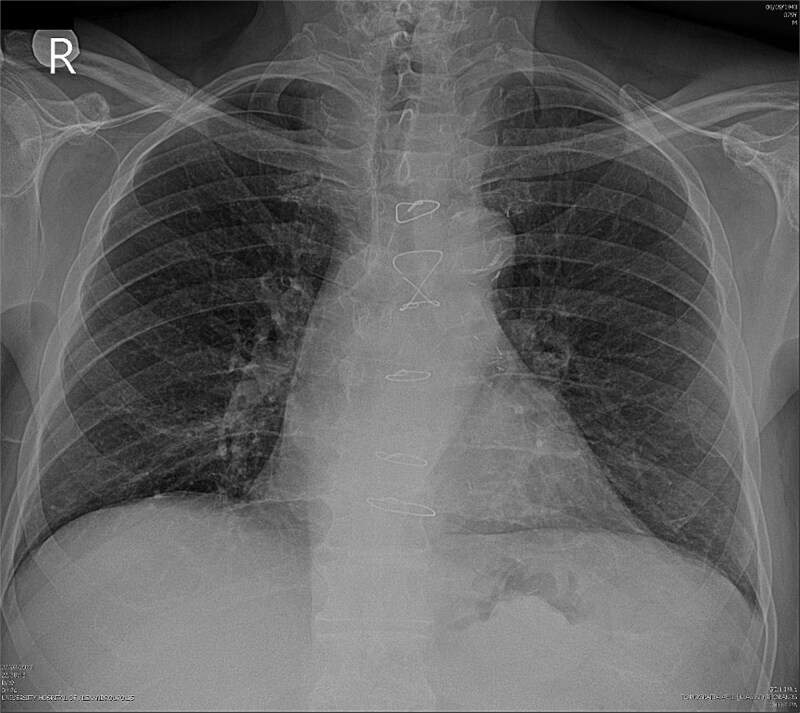 Figure 2
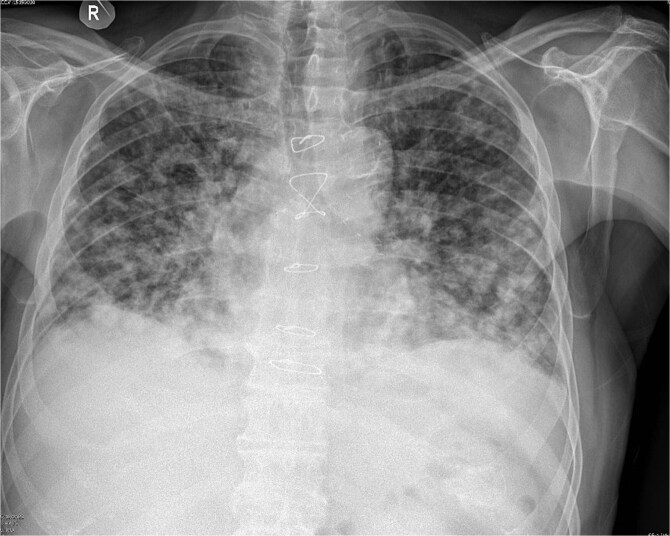 Figure 3
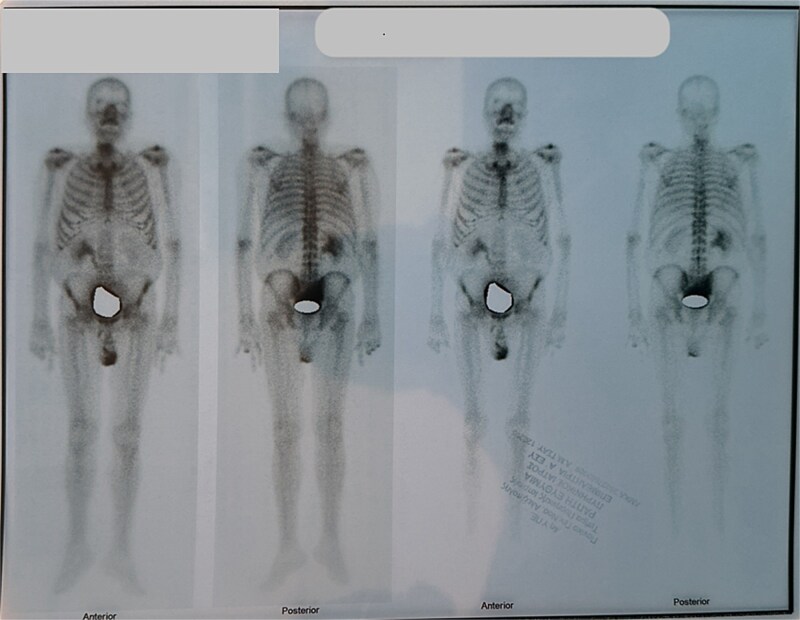 Figure 4
Peer Reviews
No public reviews on file for this paper yet. If you reviewed it on a platform where reviews are public (OpenReview, ICLR, NeurIPS, ICML), you can paste yours below so the community can read it here.
Videos
No videos yet. Explain this paper in a talk, walkthrough, or lecture? Add one.
Taxonomy
TopicsProstate Cancer Diagnosis and Treatment · Urologic and reproductive health conditions · Urinary Bladder and Prostate Research