Allostatic load and its determinants in a German sample—Results from the Carla cohort
Eric Priedemann, Alexander Kluttig, Frank Bernhard Kraus, Daniel Sedding, Rafael Mikolajczyk, Amand Führer, Andrey I Egorov, Andrey I Egorov, Andrey I Egorov

TL;DR
This study examines how stress-related wear and tear on the body, called allostatic load, changes over 20 years in a German population, highlighting differences between men and women.
Contribution
The study provides new insights into sex-specific patterns of allostatic load and its socioeconomic and behavioral determinants over a long-term period.
Findings
Women had lower allostatic load scores than men in younger age groups but higher scores in older age groups.
Physical activity was linked to lower allostatic load scores for both the total sample and women specifically.
Professional status was associated with lower allostatic load in men but not in women.
Abstract
Allostatic load (AL) is a surrogate of the physiological response to stress and reflects the ‘wear and tear’ on the body. Previous studies indicated that socioeconomic and behavioral determinants influence AL, which in turn is associated with health outcomes. Therefore, AL is increasingly used to operationalize the relationship between social inequality, stress, and health outcomes. This study aimed to investigate associated factors and patterns of AL in the population over a 20-year period using data from the CARLA cohort. The analysis included 473 participants from the CARLA study (Cardiovascular Disease, Living and Ageing in Halle), aged 45–80 years at baseline. From recruitment in 2002 in Halle (Saale), three follow-up examinations took place until 2022. We calculated AL scores as the sum of standardized z-scores for metabolic, immune, cardiovascular, and anthropometric components.…
Genes, proteins, chemicals, diseases, species, mutations and cell lines named across the full text — each resolved to its canonical identifier and authoritative record.
Click any figure to enlarge with its caption.
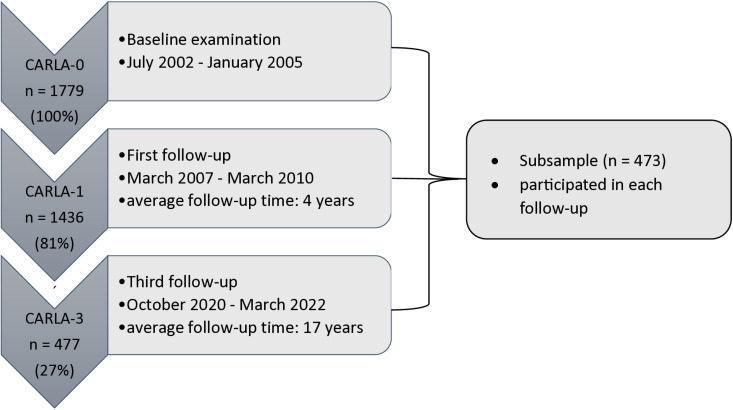 Figure 1
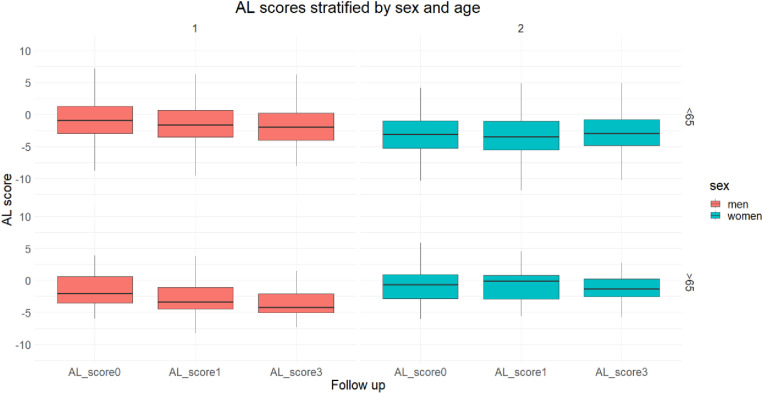 Figure 2
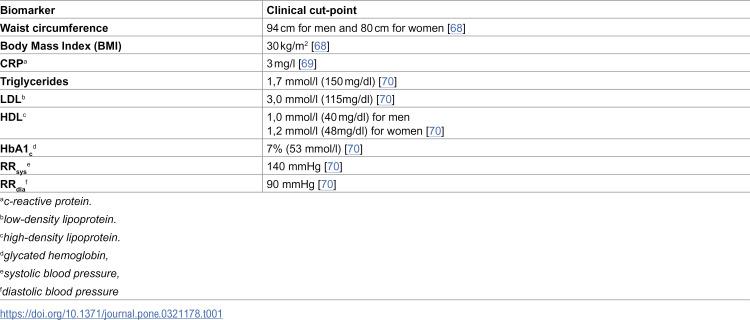 Figure 3
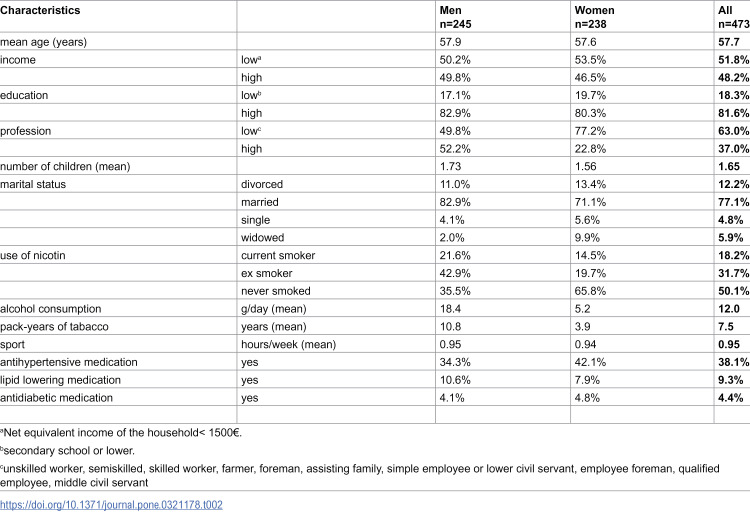 Figure 4
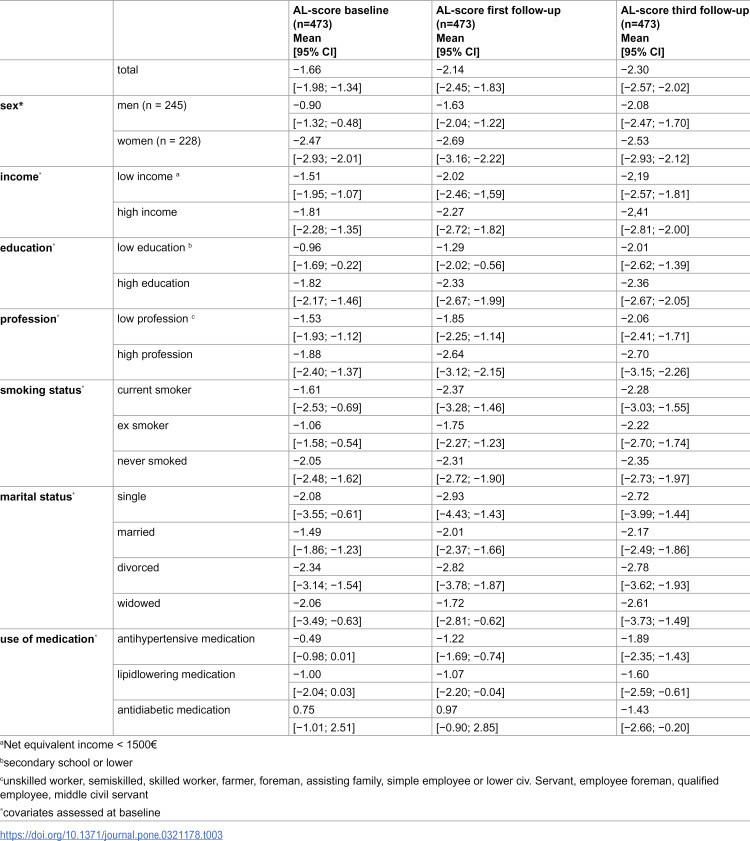 Figure 5
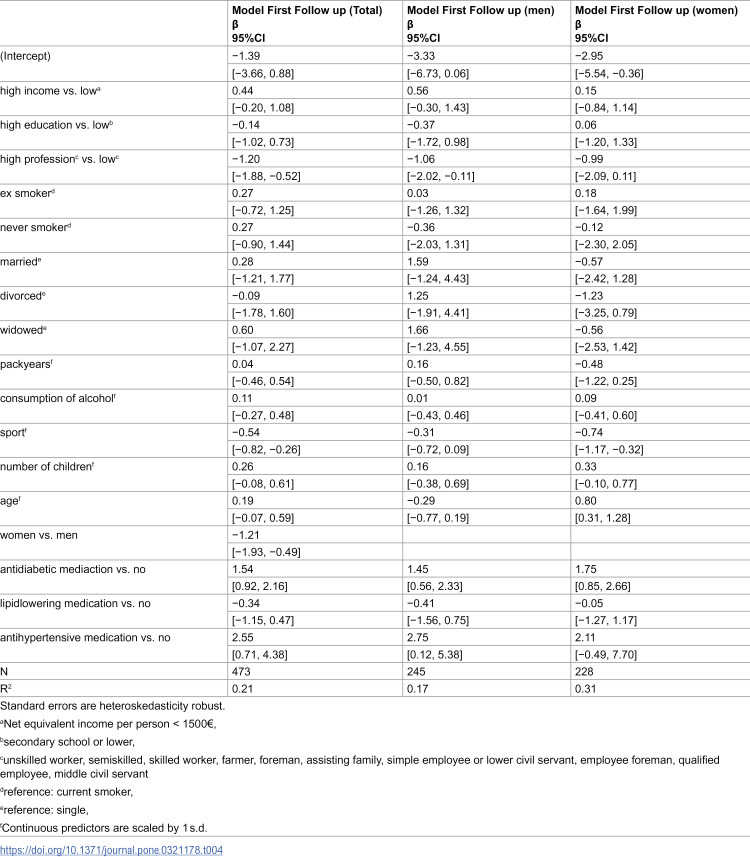 Figure 6
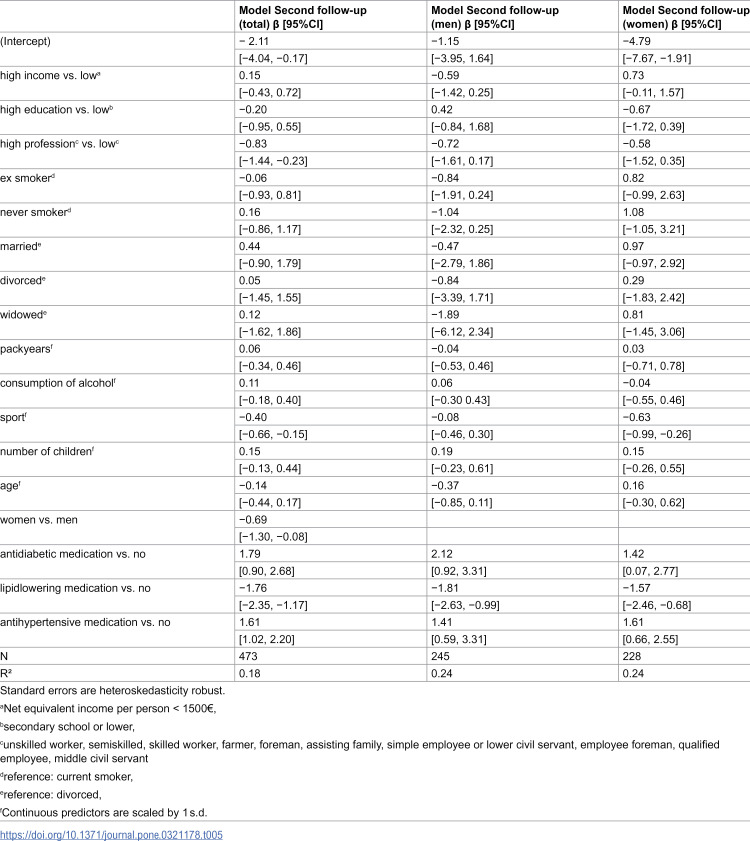 Figure 7
Peer Reviews
No public reviews on file for this paper yet. If you reviewed it on a platform where reviews are public (OpenReview, ICLR, NeurIPS, ICML), you can paste yours below so the community can read it here.
Videos
No videos yet. Explain this paper in a talk, walkthrough, or lecture? Add one.
Taxonomy
TopicsStress Responses and Cortisol · Cardiac Health and Mental Health · Physical Activity and Health