Regulating the glucose-6-phosphate dehydrogenase encoding gene gsdA and its impact on growth and citric acid production in Aspergillus niger
Susanne Fritsche, Valeria Ellena, Güler Demirbas-Uzel, Matthias G. Steiger, Bashir Sajo Mienda, Bashir Sajo Mienda, Bashir Sajo Mienda

TL;DR
This study explores how regulating the gsdA gene in Aspergillus niger affects its growth and citric acid production, showing that controlled expression can improve production efficiency.
Contribution
The study introduces a regulated gsdA gene expression system in A. niger and demonstrates its impact on citric acid yield and growth.
Findings
Regulating gsdA expression improved citric acid yield by 49% on glucose at low induction levels.
Growth was delayed on gluconate, but citric acid production was enhanced with increased gluconate in the medium.
The gsdA-regulated strain outperformed the control in citric acid yield after 120 hours of cultivation.
Abstract
Glycolysis in A. niger, a key organism in industrial biotechnology, provides essential precursors for efficient citric acid production. Glucose-6-phosphate dehydrogenase (G6PD), encoded by the gene gsdA, is a critical point in the cellular metabolism as it determines the metabolic fate of glucose-6-phosphate by redirecting it into the pentose phosphate pathway (PPP). Despite its decisive position in the metabolic network the functional role of G6PD and its impact on citric acid synthesis and growth is not fully understood. Here, we present an A. niger strain expressing a ptet-on regulated version of gsdA at the pyrG locus. The native gene was disrupted and hence, gsdA expression was based on a single copy level. Under non-inducing conditions, the strain was not growing on glucose. On gluconate, a precursor for an intermediate of the oxidative PPP, growth was restored but delayed…
Genes, proteins, chemicals, diseases, species, mutations and cell lines named across the full text — each resolved to its canonical identifier and authoritative record.
Click any figure to enlarge with its caption.
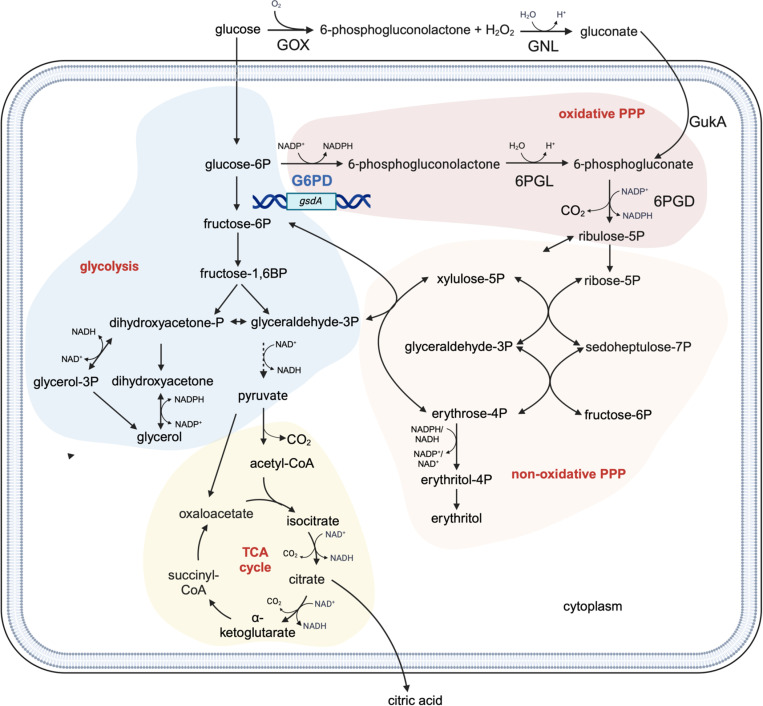 Figure 1
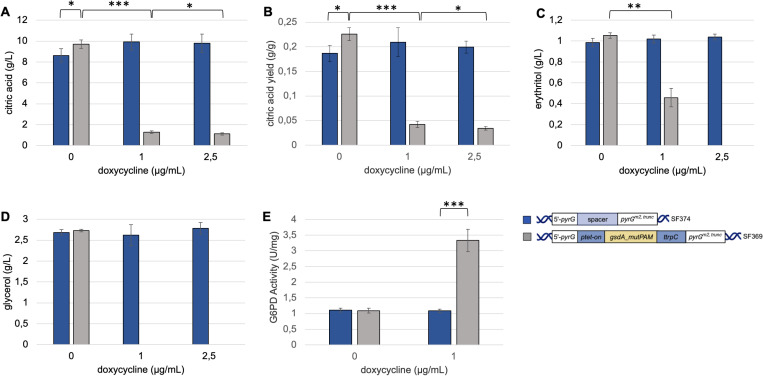 Figure 2
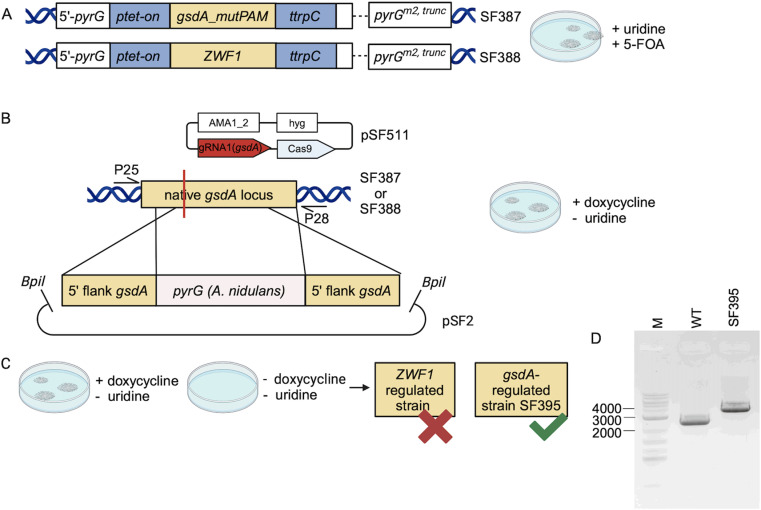 Figure 3
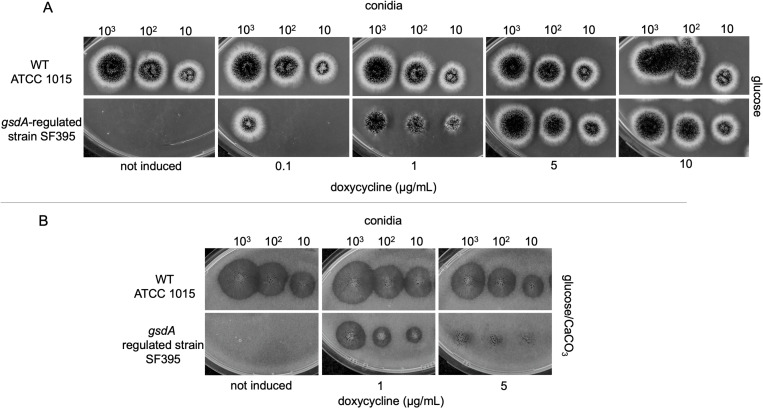 Figure 4
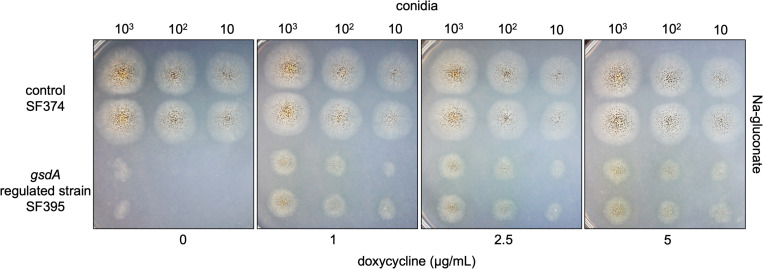 Figure 5
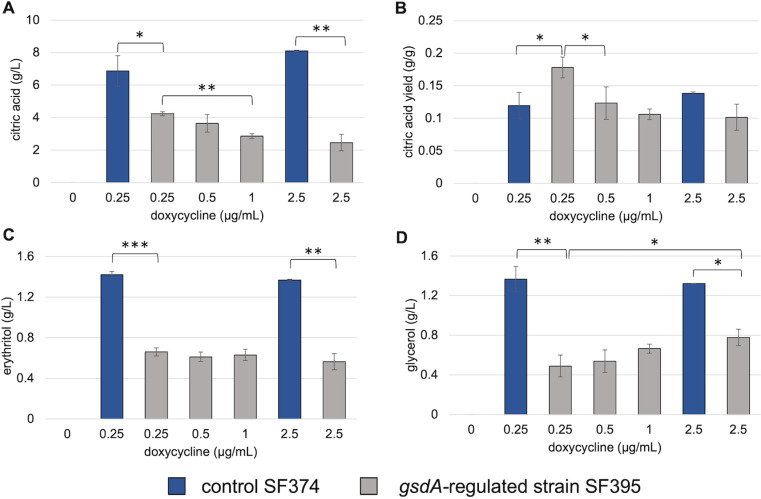 Figure 6
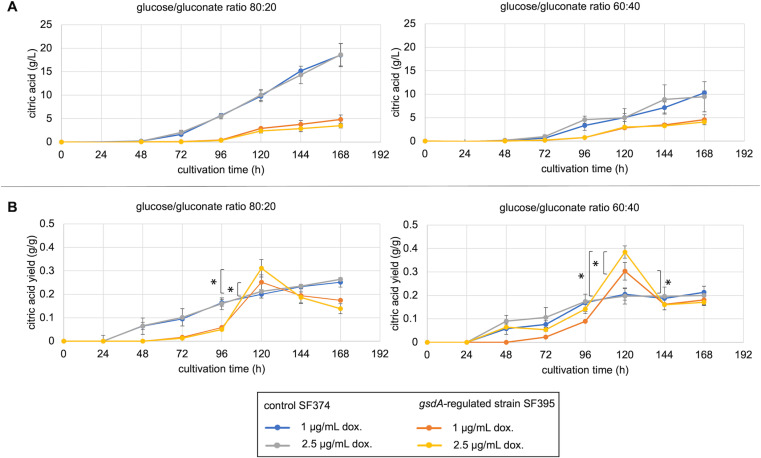 Figure 7
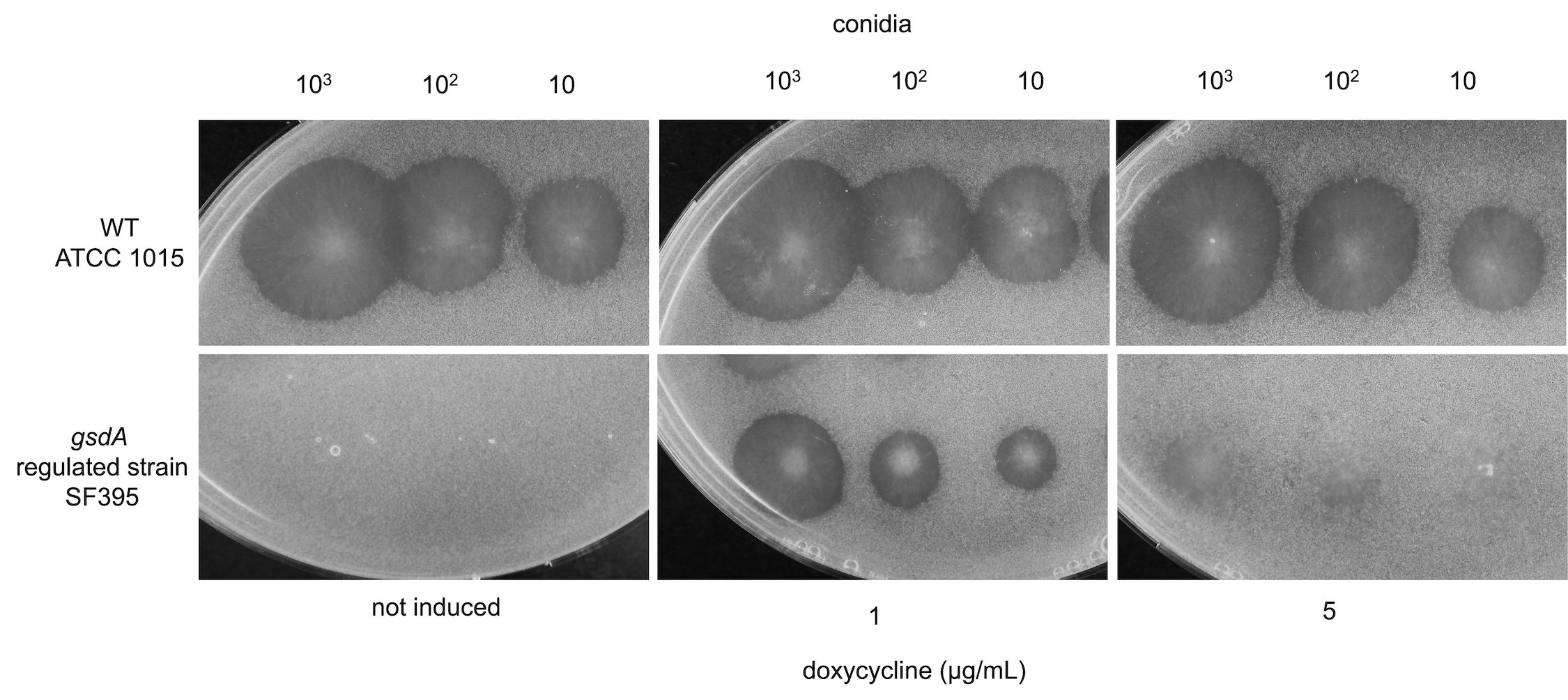 Figure 8
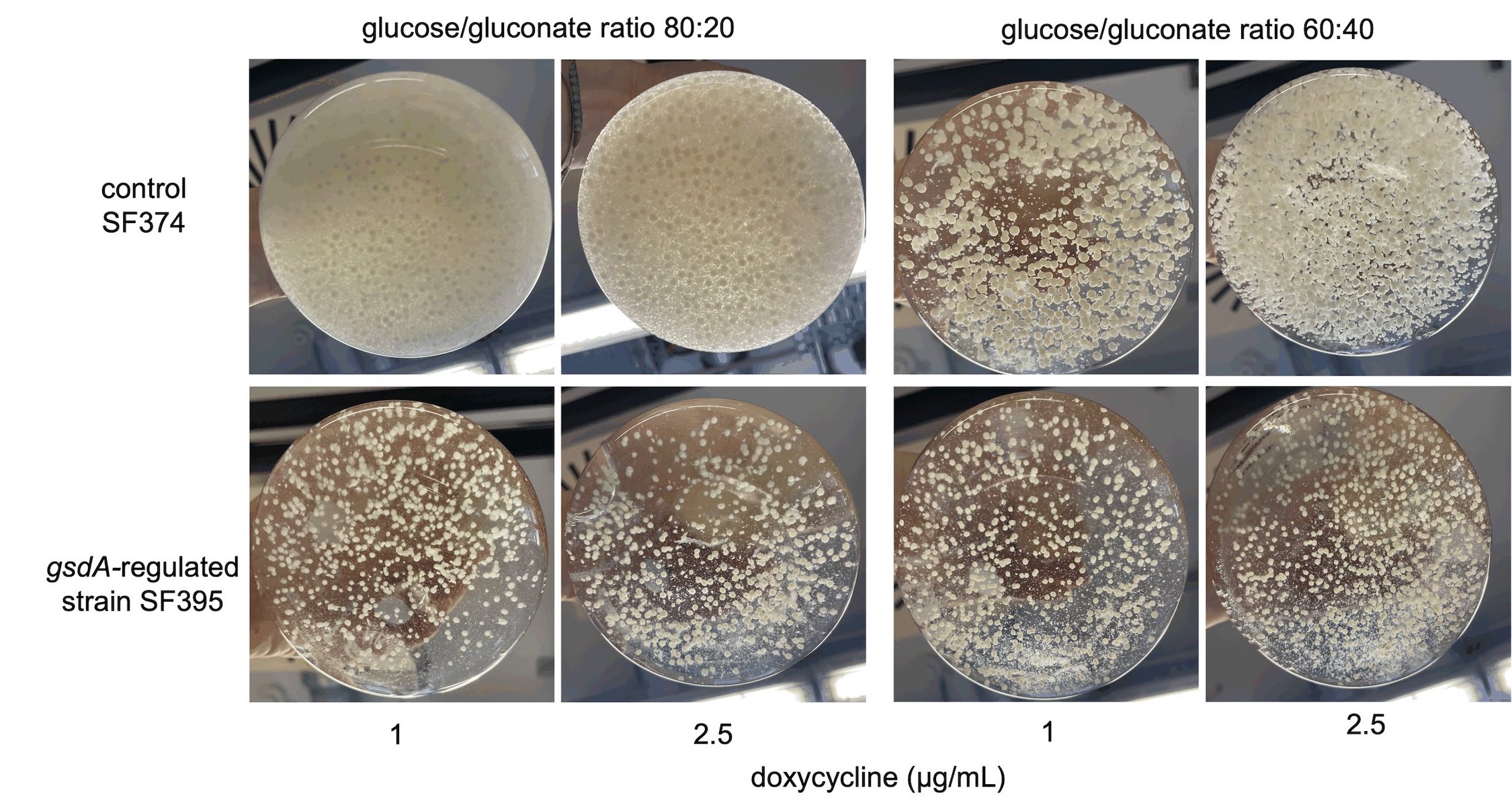 Figure 9
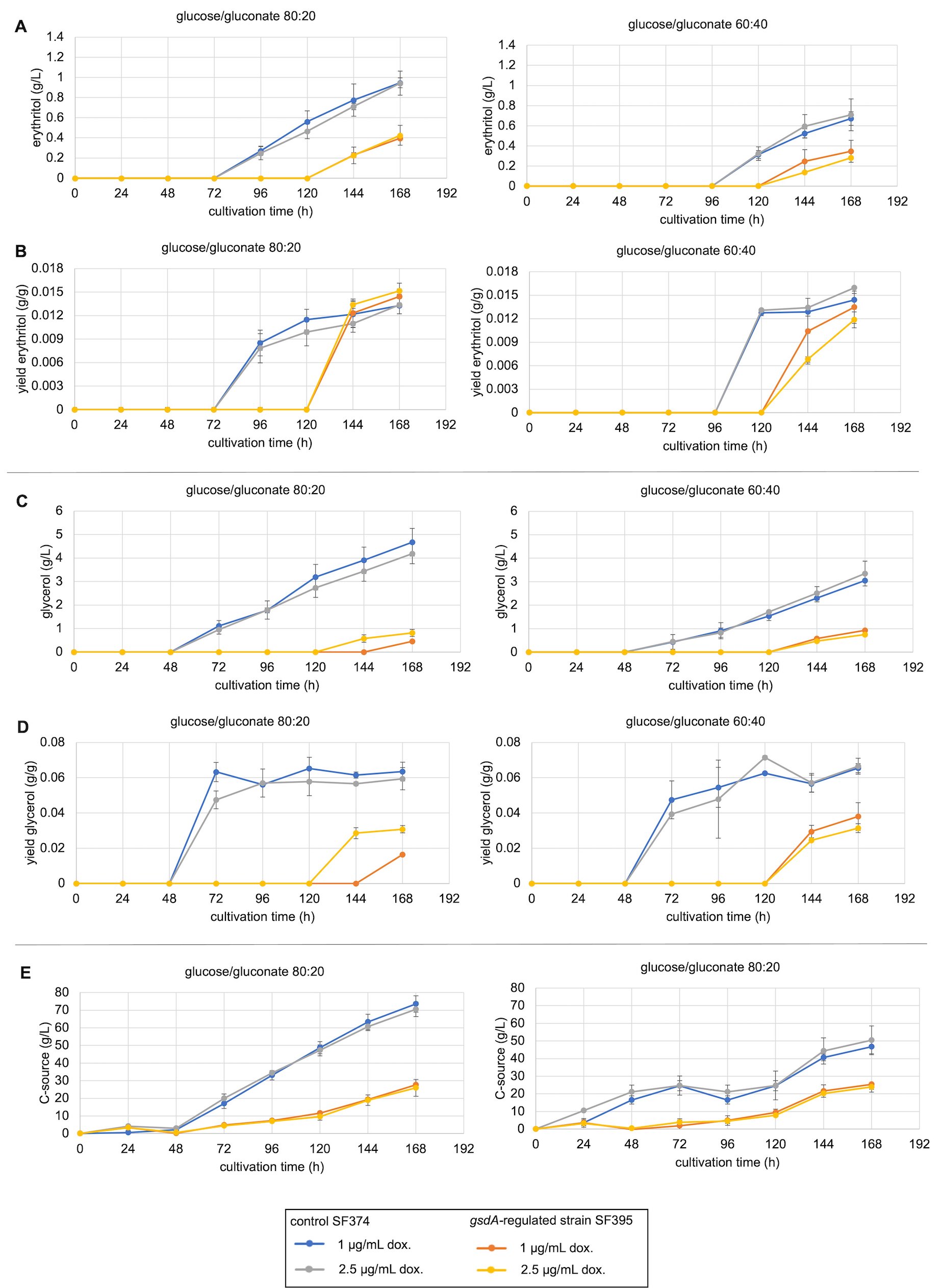 Figure 10
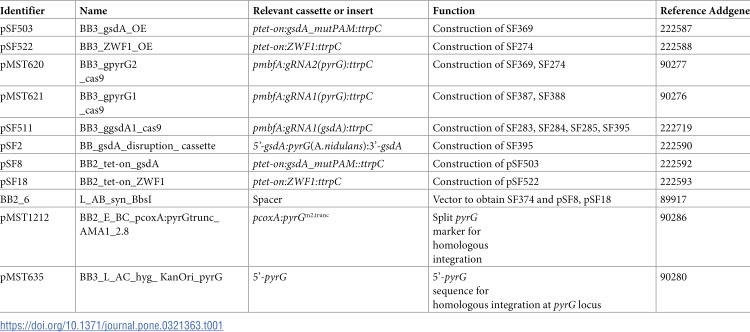 Figure 11
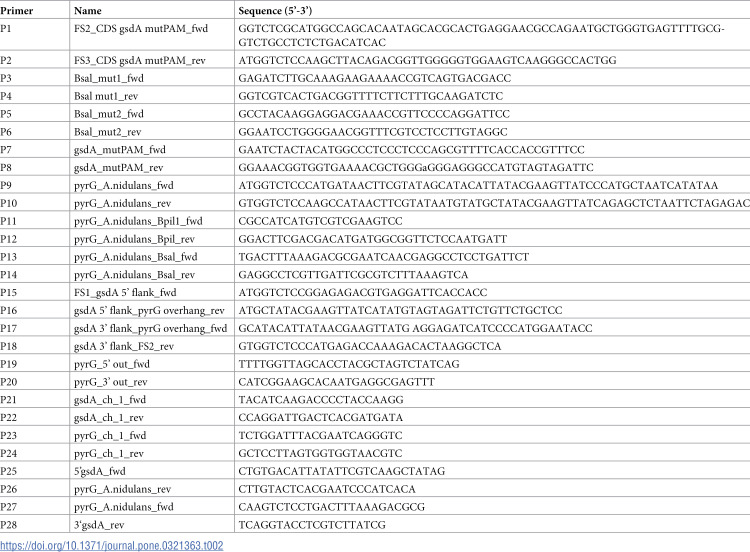 Figure 12
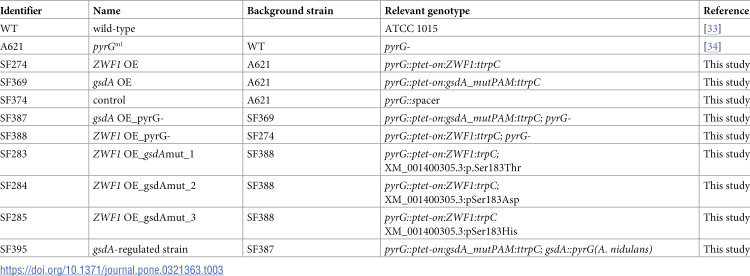 Figure 13
Peer Reviews
No public reviews on file for this paper yet. If you reviewed it on a platform where reviews are public (OpenReview, ICLR, NeurIPS, ICML), you can paste yours below so the community can read it here.
Videos
No videos yet. Explain this paper in a talk, walkthrough, or lecture? Add one.
Taxonomy
TopicsMicrobial Metabolic Engineering and Bioproduction · Photosynthetic Processes and Mechanisms · Fungal and yeast genetics research