Genetic diversity and demographic history of the largest remaining migratory population of brindled wildebeest (Connochaetes taurinus taurinus) in southern Africa
Stephanie J. Szarmach, Katherine C. Teeter, Jassiel M’soka, Egil Dröge, Hellen Ndakala, Clive Chifunte, Matthew S. Becker, Alec R. Lindsay

TL;DR
This study explores the genetic diversity and history of brindled wildebeest in Zambia to inform conservation efforts.
Contribution
The study provides the first genetic analysis of a large migratory brindled wildebeest population in the Greater Liuwa Ecosystem.
Findings
Brindled wildebeest in the GLE show moderate genetic diversity and low inbreeding.
The population experienced expansion in the Middle Pleistocene followed by decline in the Late Pleistocene and early Holocene.
No genetic population structure was detected within the GLE.
Abstract
The blue wildebeest (Connochaetes taurinus) is a keystone species in the savannahs of southern Africa, where it maintains shortgrass plains and serves as an important prey source for large carnivores. Despite being the second-largest migratory wildebeest population, the brindled wildebeest (C. t. taurinus) of the Greater Liuwa Ecosystem (GLE) of western Zambia have remained largely unstudied, until recently. While studies have increased understanding of recent demography, migration, and population limiting factors, the level of genetic diversity, patterns of gene flow, and long-term demographic history of brindled wildebeest in the GLE remains unknown. Most genetic studies of wildebeest have focused on small, heavily-managed populations, rather than large, migratory populations of high conservation significance. We used restriction-site associated DNA sequencing (RAD-seq) to assess…
Genes, proteins, chemicals, diseases, species, mutations and cell lines named across the full text — each resolved to its canonical identifier and authoritative record.
Click any figure to enlarge with its caption.
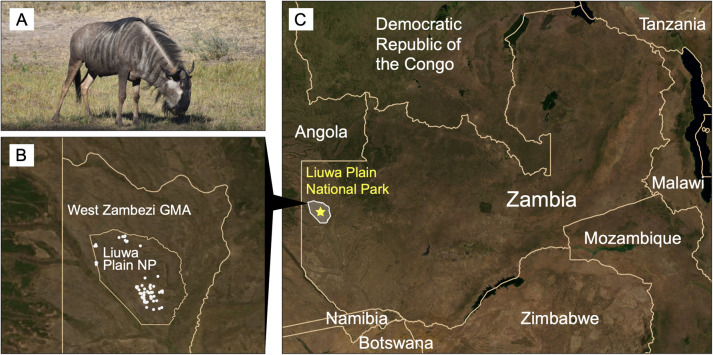 Figure 1
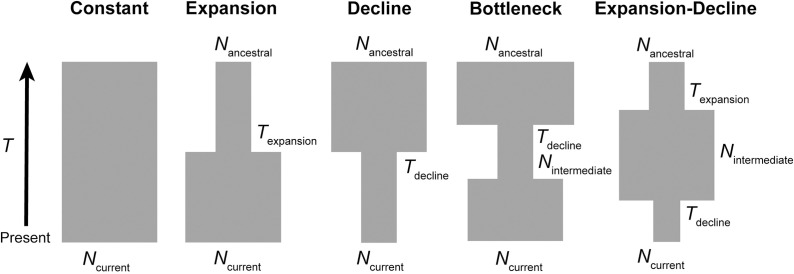 Figure 2
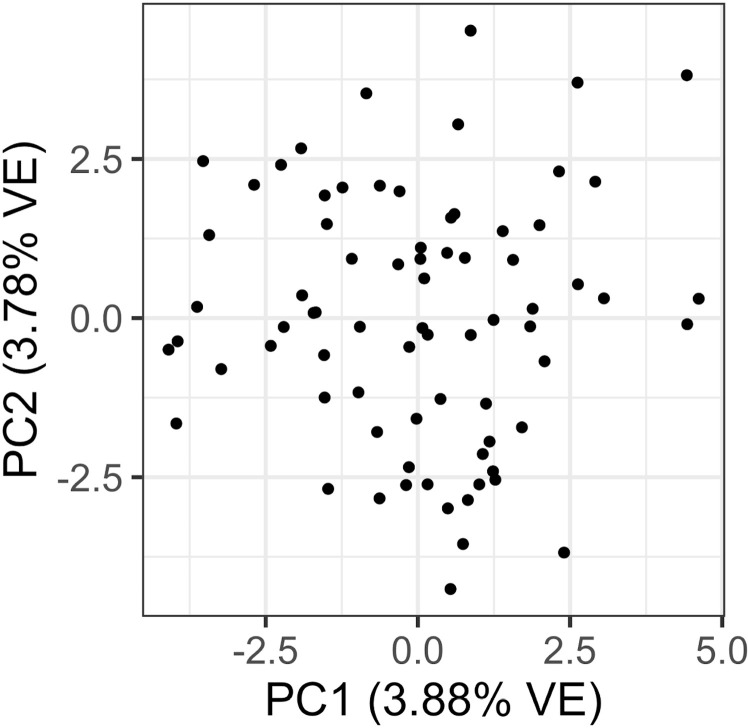 Figure 3
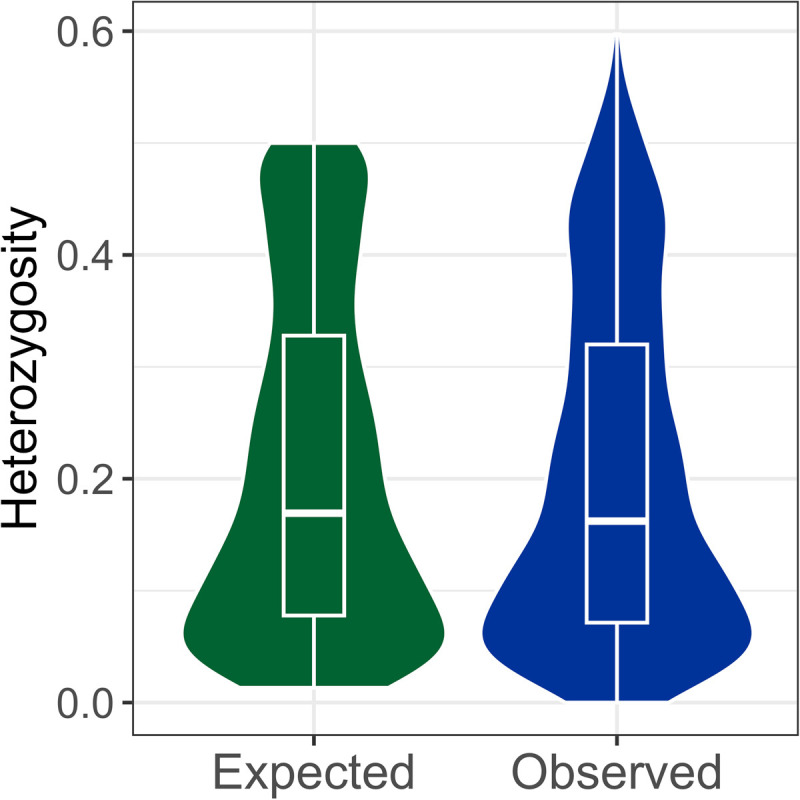 Figure 4
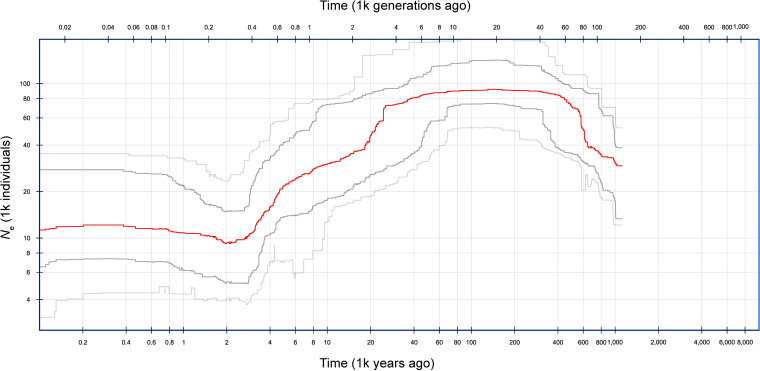 Figure 5
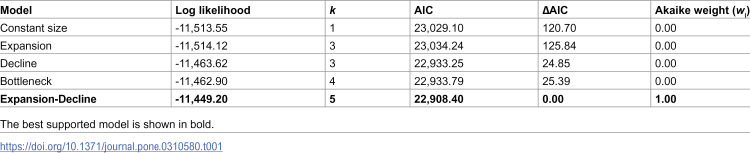 Figure 6
Peer Reviews
No public reviews on file for this paper yet. If you reviewed it on a platform where reviews are public (OpenReview, ICLR, NeurIPS, ICML), you can paste yours below so the community can read it here.
Videos
No videos yet. Explain this paper in a talk, walkthrough, or lecture? Add one.
Taxonomy
TopicsWildlife Ecology and Conservation · Genetic diversity and population structure · Genetic and phenotypic traits in livestock