Molecular cloning and functional verification of chalcone synthase genes from cassava (Manihot esculenta Crantz) in defense against Tetranychus cinnabarinus infestation
Yanni Yang, Kaiwen Zheng, Limei Gao, Yakang Hu, Cuixia Liu, Fei Li, Ming Liu

TL;DR
This study identifies and tests cassava genes that help plants resist a pest called Tetranychus cinnabarinus by boosting the production of protective chemicals.
Contribution
The study reports the molecular cloning and functional analysis of three CHS genes from cassava for the first time.
Findings
Over-expression of MeCHS1, MeCHS3, and MeCHS5 genes in Arabidopsis thaliana reduced Tetranychus cinnabarinus survival.
The expression of MeCHS genes was positively linked to secondary metabolite synthesis and negatively linked to pest survival.
Different MeCHS gene expression levels resulted in varying resistance levels in Arabidopsis against T. cinnabarinus.
Abstract
Secondary metabolites such as flavonoids play an important role in protecting plants from biological agents such as fungi, pathogens, bacteria and pests. Chalcone synthase (CHS) is the first enzyme in the plant flavonoid biosynthesis pathway, and is also a key enzyme and rate-limiting enzyme in the secondary metabolite production pathway, which has very important physiological significance in plants. Despite extensive characterization in various plants, the functions of CHS in cassava remain unknown. Here, MeCHS1, MeCHS3 and MeCHS5 genes from Manihot esculenta Crantz were isolated and functionally analyzed. The results showed that the over-expression of the three MeCHSs were beneficial to control the further reproduction of Tetranychus cinnabarinus. At the same time, the transfer of MeCHS1, MeCHS3 and MeCHS5 genes can promote the synthesis of more secondary metabolites in Arabidopsis…
Genes, proteins, chemicals, diseases, species, mutations and cell lines named across the full text — each resolved to its canonical identifier and authoritative record.
Click any figure to enlarge with its caption.
 Figure 1
 Figure 2
 Figure 3
 Figure 4
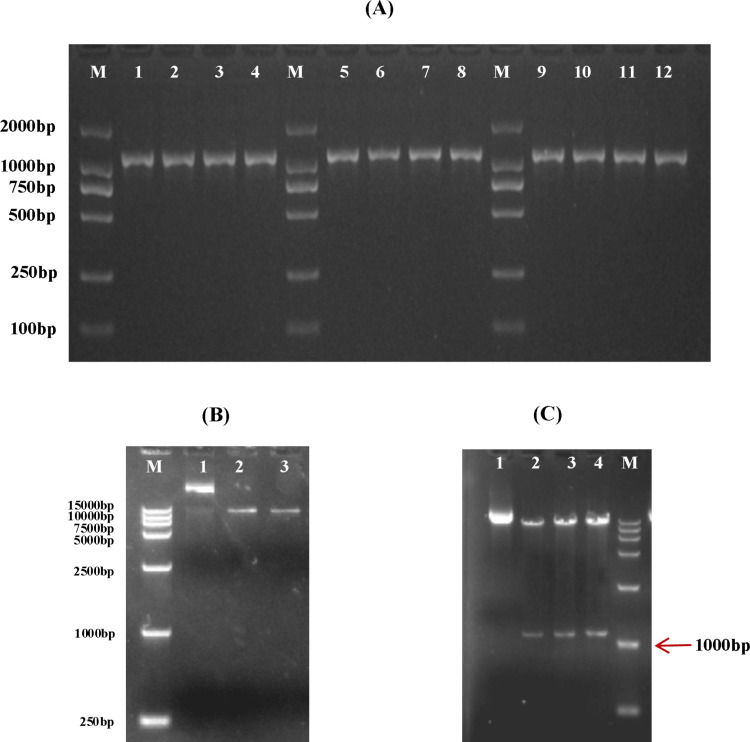 Figure 5
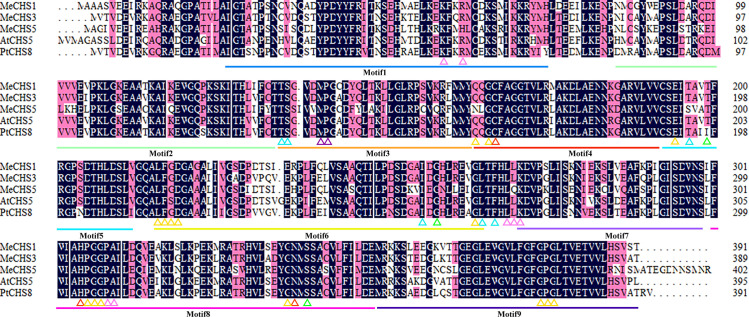 Figure 6
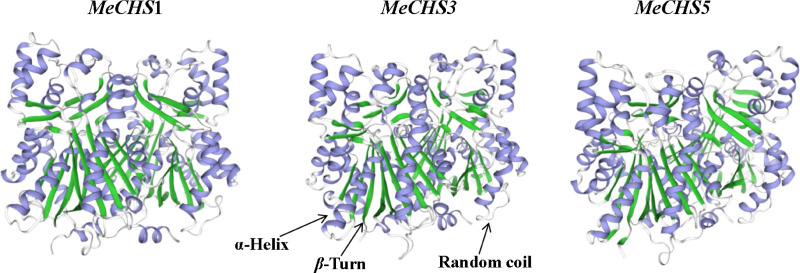 Figure 7
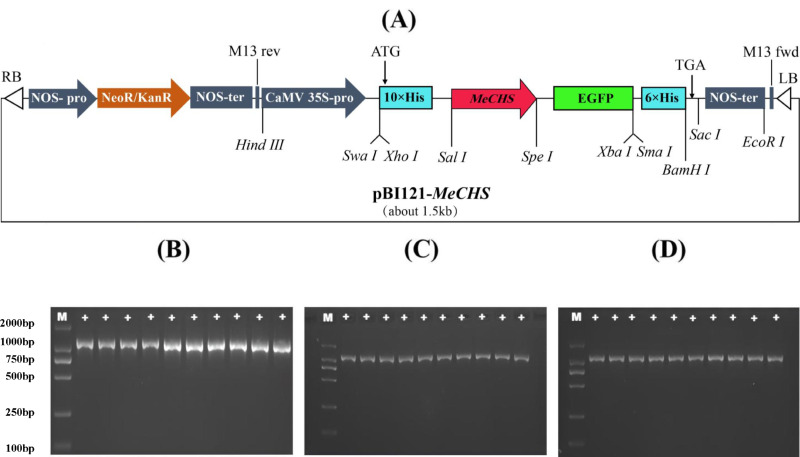 Figure 8
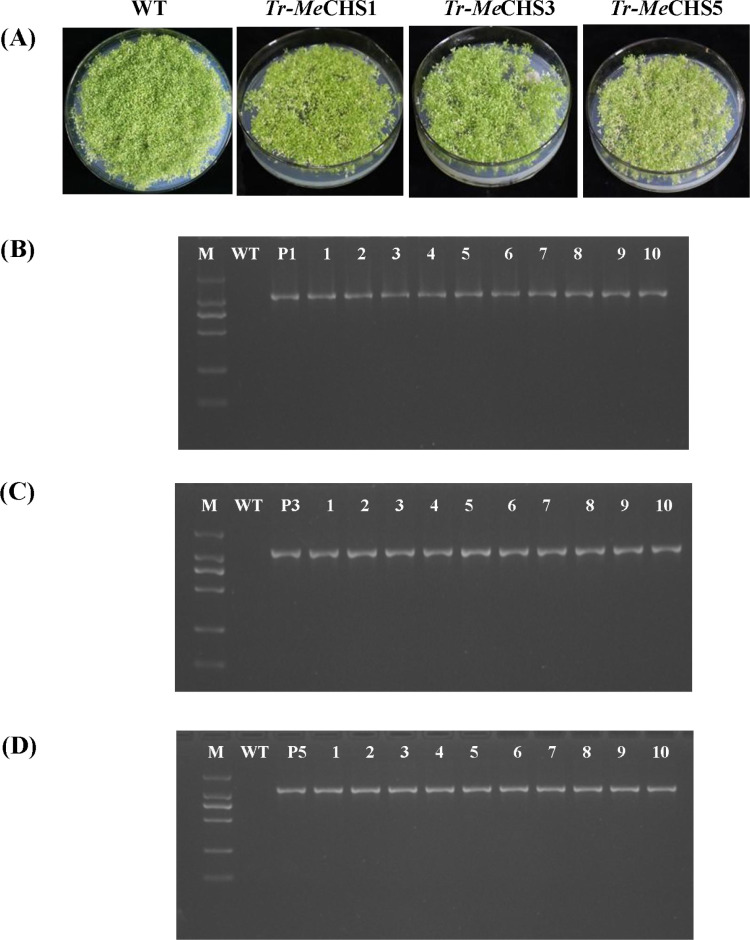 Figure 9
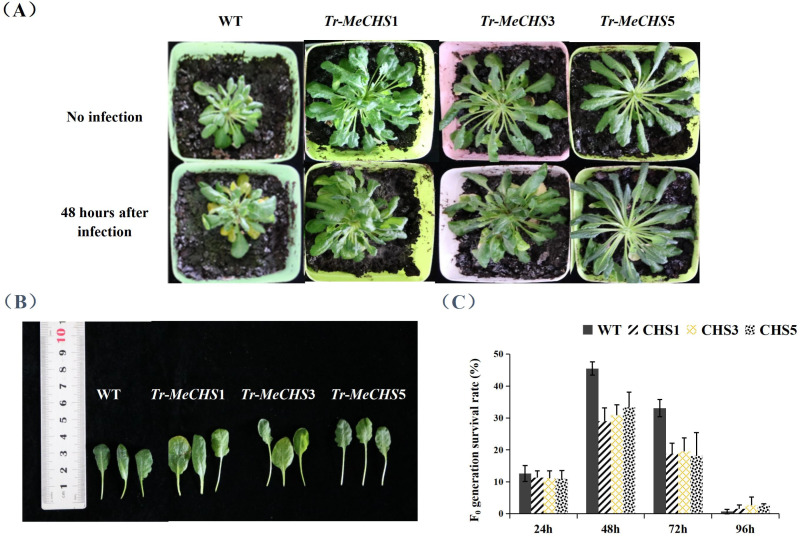 Figure 10
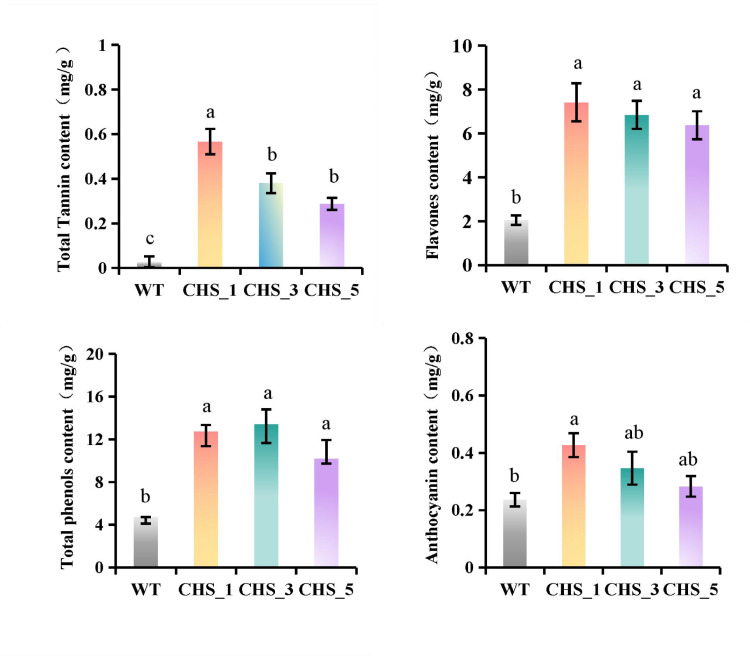 Figure 11
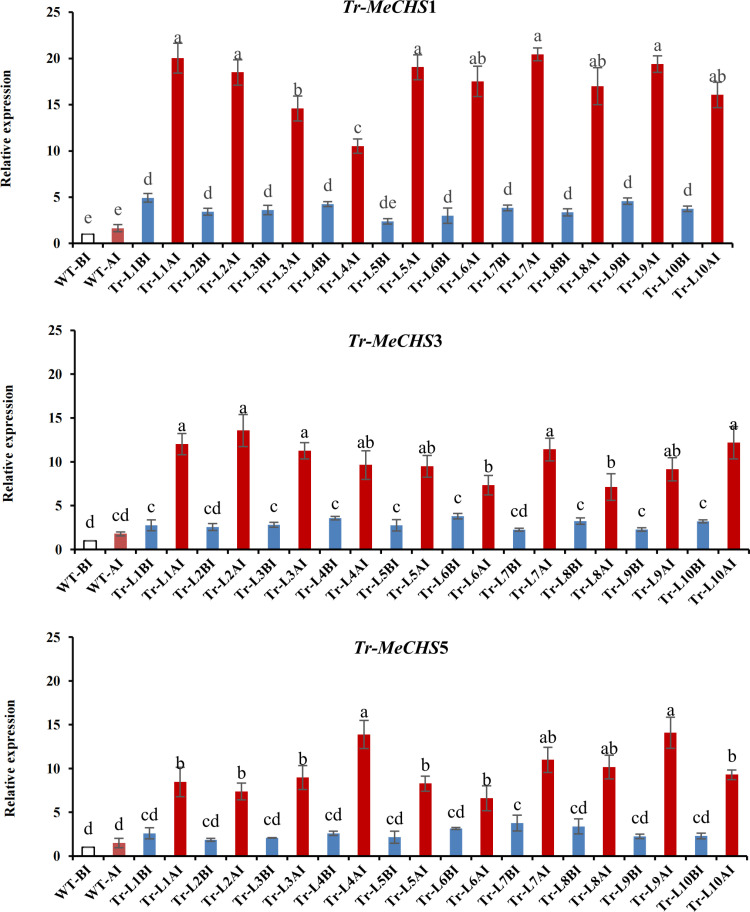 Figure 12
 Figure 13
 Figure 14
 Figure 15
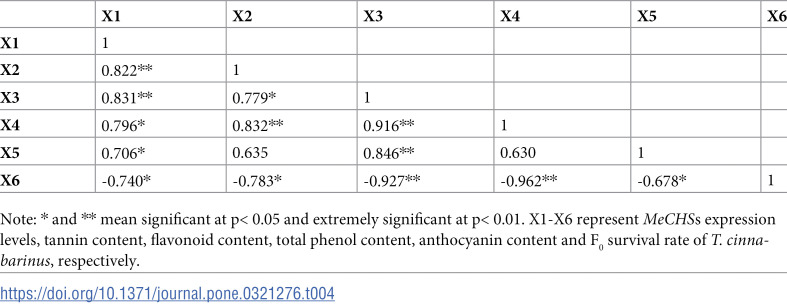 Figure 16
Peer Reviews
No public reviews on file for this paper yet. If you reviewed it on a platform where reviews are public (OpenReview, ICLR, NeurIPS, ICML), you can paste yours below so the community can read it here.
Videos
No videos yet. Explain this paper in a talk, walkthrough, or lecture? Add one.
Taxonomy
TopicsPlant Gene Expression Analysis · Plant biochemistry and biosynthesis · Plant tissue culture and regeneration