Kratopenia as an indicator of sarcopenia in smokers: Cut-off points for peak knee torque
Paolla Sanches, Karina A. de S. Souza, Alexandre R. P. Ambrozin, André R. Pereira, Leandro L. da Silva, Amanda S. Cano, Luciana Pinato, Tiago V. Barreira, Dionei Ramos, Mahara Proença

TL;DR
This study identifies cut-off points for peak knee torque to detect kratopenia in smokers, showing that over half of participants showed signs of muscle weakness.
Contribution
The study provides specific cut-off points for peak knee torque to identify kratopenia in smokers.
Findings
Kratopenia was present in over 50% of participants based on peak knee torque measurements.
Men showed significantly higher peripheral muscle strength compared to women.
Cut-off points for knee extension and flexion were identified to detect muscle strength loss in smokers.
Abstract
Muscle strength is a crucial predictor of adverse outcomes and is essential for identifying kratopenia and physical limitations. Smoking can aggravate this condition, damaging the musculoskeletal system. Assessing muscle strength, especially with portable dynamometers, is essential for early detection of muscle dysfunction. Studies demonstrate the importance of standardizing protocols and defining cut-off points for peripheral muscle weakness in general. Thus, focusing on the effects of smoking on muscle function, the objective was to investigate cut-off points based on functional limitation and identify the presence of kratopenia in smokers. This cross-sectional study, composed of smokers (conventional cigarettes), regardless of gender, aged over 18 years, was conducted with a comprehensive approach. The volunteers were evaluated by personal data, carbon monoxide analysis…
Genes, proteins, chemicals, diseases, species, mutations and cell lines named across the full text — each resolved to its canonical identifier and authoritative record.
Click any figure to enlarge with its caption.
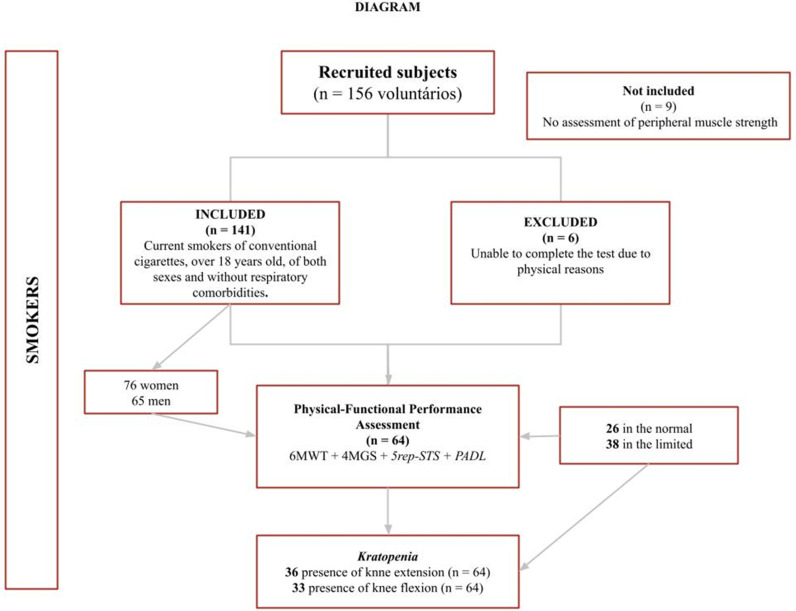 Figure 1
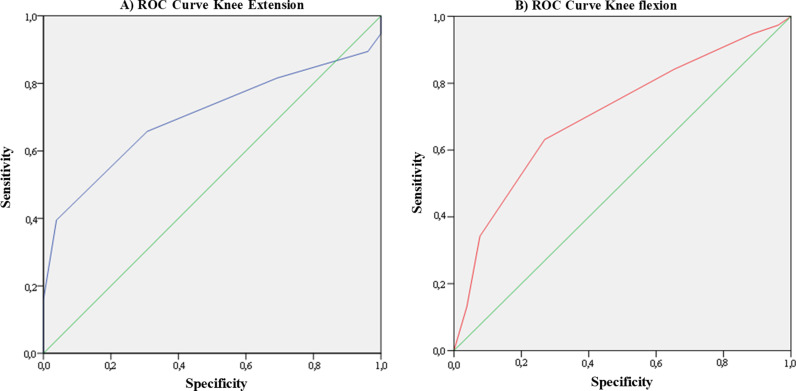 Figure 2
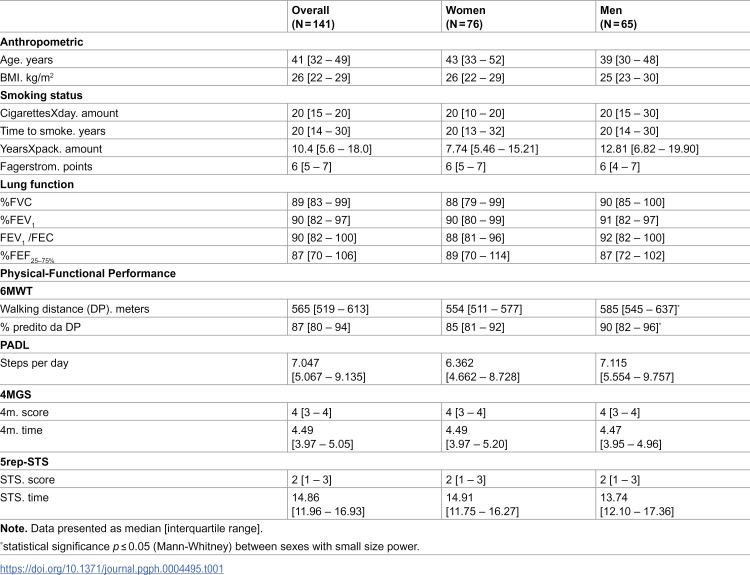 Figure 3
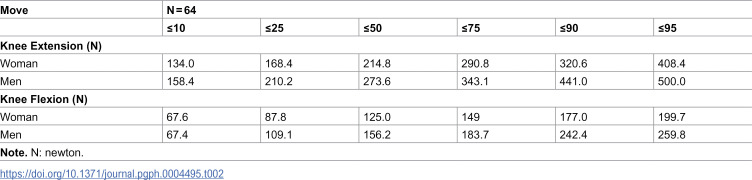 Figure 4
Peer Reviews
No public reviews on file for this paper yet. If you reviewed it on a platform where reviews are public (OpenReview, ICLR, NeurIPS, ICML), you can paste yours below so the community can read it here.
Videos
No videos yet. Explain this paper in a talk, walkthrough, or lecture? Add one.
Taxonomy
TopicsNutrition and Health in Aging · Cerebral Palsy and Movement Disorders · Chronic Obstructive Pulmonary Disease (COPD) Research