Maternal complication of instrumental vaginal delivery and its associated factors: Systematic review and meta-analysis
Hinsermu Bayu Abdi, Elias Bekele Wakwaya, Beyene Sisay Damtew, Beker Ahmed Hussen, Teresa Kisi Beyen, Liknaw Bewket Zeleke, Liknaw Bewket Zeleke, Liknaw Bewket Zeleke

TL;DR
This study finds that about 21% of mothers in Ethiopia face complications from instrumental vaginal delivery, with factors like instrument type and birthweight playing a role.
Contribution
The study provides the first nation-level meta-analysis on maternal complications of instrumental vaginal delivery in Ethiopia.
Findings
The pooled prevalence of maternal complications was 21%.
Complication rates increased from 14% before 2020 to 26% after 2020.
Instrument type, episiotomy status, birthweight, and parity were significant predictors of complications.
Abstract
While instrumental vaginal delivery is generally a safe procedure, but it is associated with significant risks for both the mother and the newborn in developing countries. However, burden of maternal instrumental delivery complications and its predictors in Ethiopia is highly varied and there isn’t data that indicate nation-level cumulative evidence. Therefore, this study aimed to assess pooled prevalence of maternal complication related to instrumental vaginal delivery and its associated factors among mothers who underwent instrumental vaginal delivery in Ethiopia. In this study, we conducted a search on PubMed, Scopus, Cochrane library, HINARI, and Google Scholar academic databases for studies published until August 2024. Keywords such as instrumental delivery, forceps, vacuum, complication, factors and Ethiopia were used to access literatures from the databases. For quality…
Genes, proteins, chemicals, diseases, species, mutations and cell lines named across the full text — each resolved to its canonical identifier and authoritative record.
Click any figure to enlarge with its caption.
 Figure 1
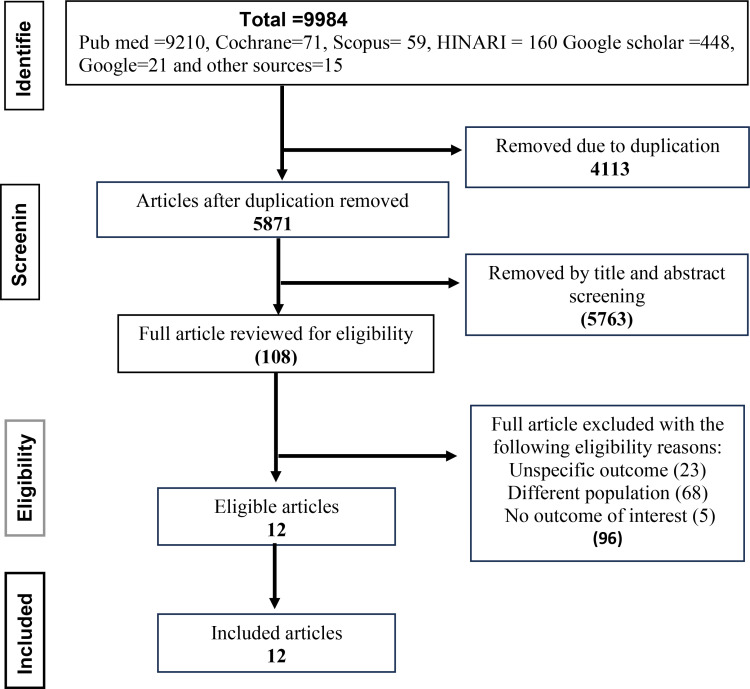 Figure 2
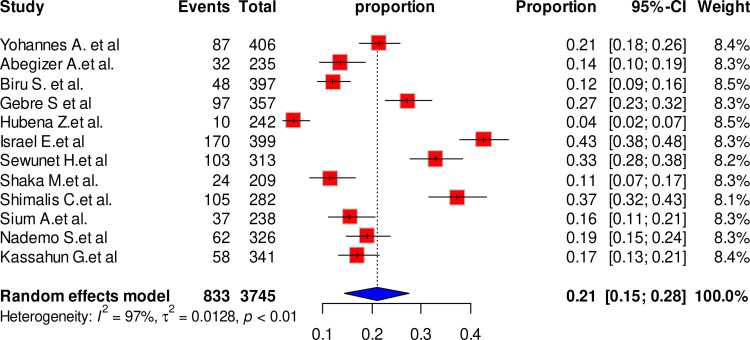 Figure 3
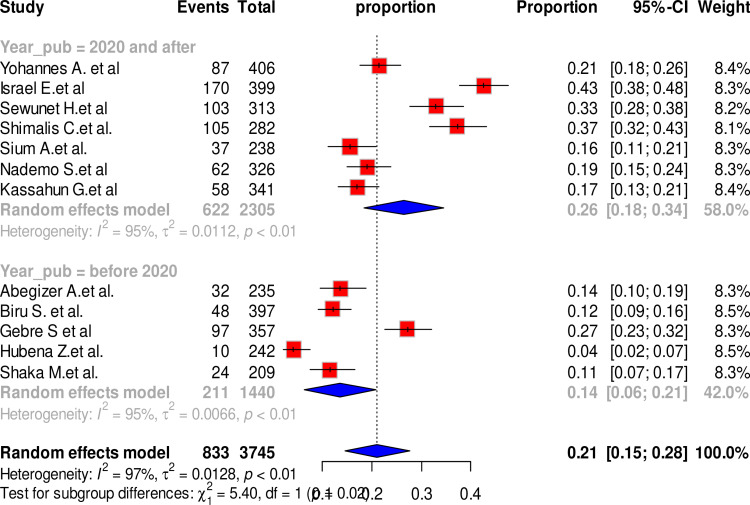 Figure 4
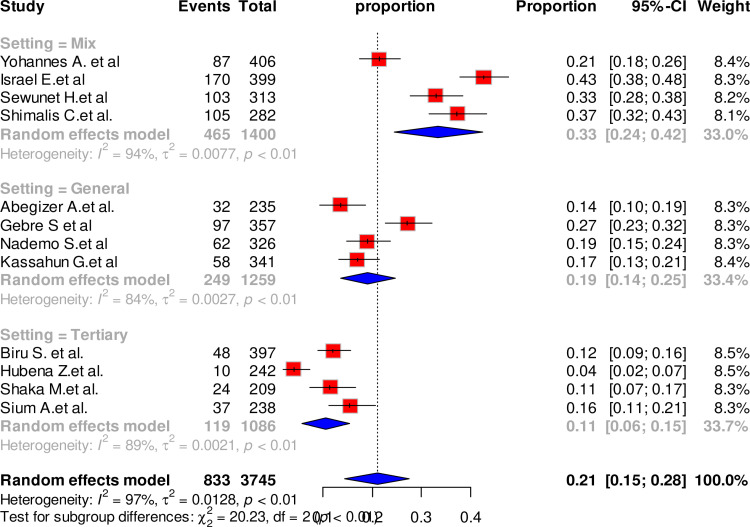 Figure 5
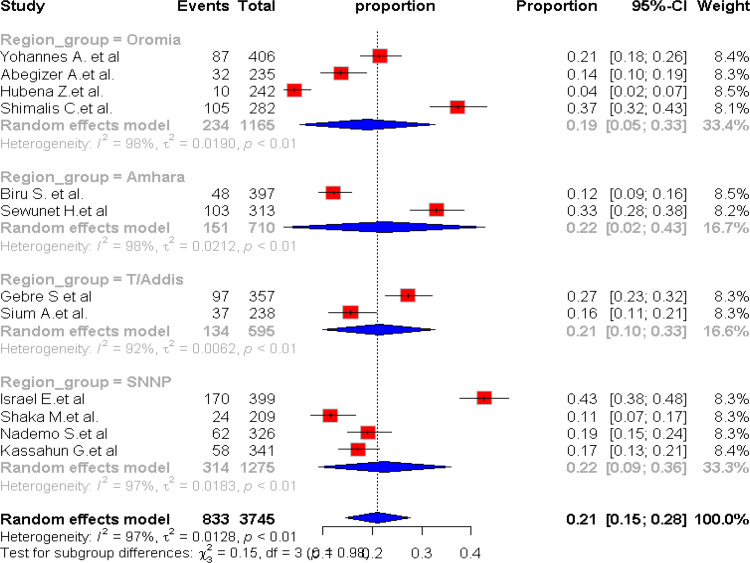 Figure 6
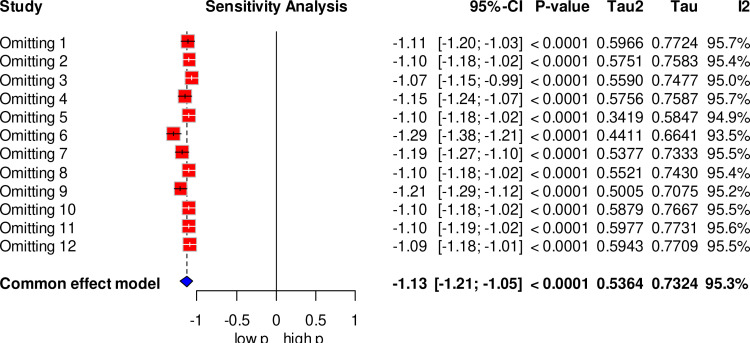 Figure 7
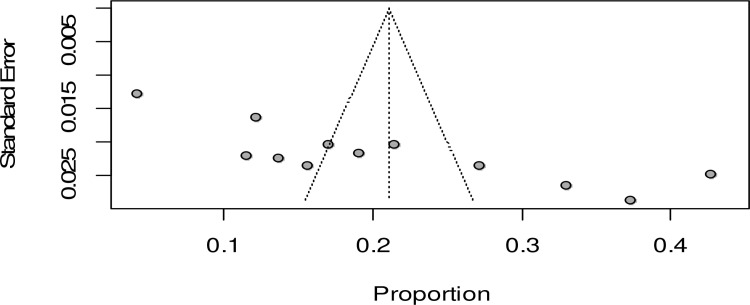 Figure 8
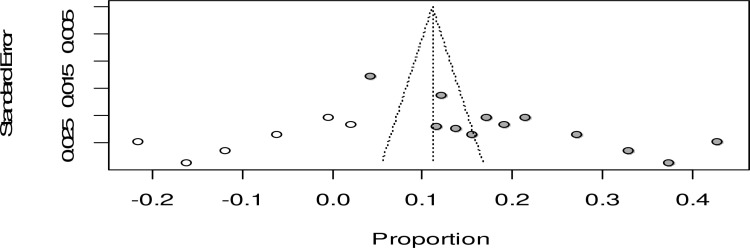 Figure 9
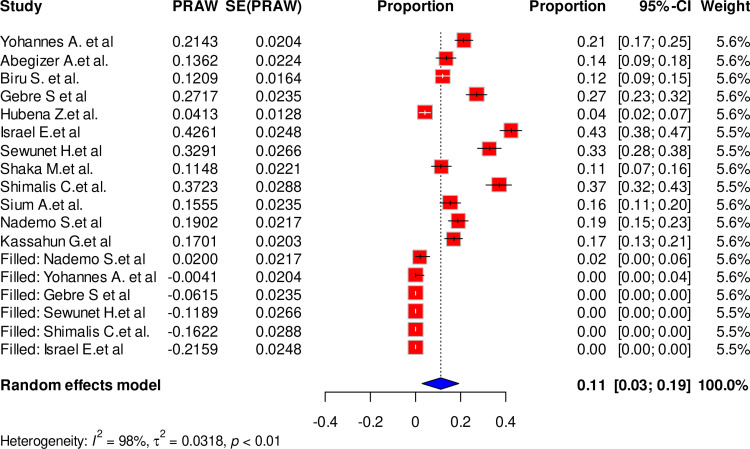 Figure 10
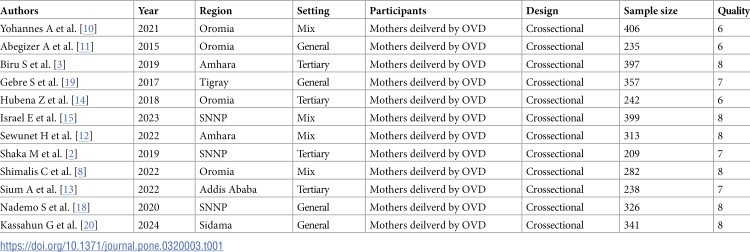 Figure 11
 Figure 12
 Figure 13
Peer Reviews
No public reviews on file for this paper yet. If you reviewed it on a platform where reviews are public (OpenReview, ICLR, NeurIPS, ICML), you can paste yours below so the community can read it here.
Videos
No videos yet. Explain this paper in a talk, walkthrough, or lecture? Add one.
Taxonomy
TopicsPelvic floor disorders treatments · Maternal and Perinatal Health Interventions · Anorectal Disease Treatments and Outcomes