Correlation of the Neutrophil-to-lymphocyte and Platelet-to-lymphocyte Ratios with Postoperative Complications and Survival in Surgery for Bone Metastasis of the Appendicular Skeleton
Matheus Silva Teixeira, Ana Valeria Rigolino Teixeira, Glauco Jose Pauka Mello, Fernando Issamu Tabushi, Claudio Luciano Franck, Carmen Austrália Paredes Marcondes Ribas

TL;DR
This study finds that higher neutrophil-to-lymphocyte and platelet-to-lymphocyte ratios are linked to shorter survival in patients undergoing surgery for bone metastases, though not to postoperative complications.
Contribution
The study identifies a novel correlation between elevated NLR and PLR levels and reduced survival in patients with bone metastases.
Findings
Patients with NLR ≥ 2 had a significant decrease in survival rates from 92.3% to 62.5% by the third month.
PLR ≥ 209 was associated with a decline in survival from 69% to 59.3% in the third month.
Higher neutrophil levels correlated with a 1% increased risk of postoperative complications per 100 neutrophils.
Abstract
Objective To analyze, in cases of long-bone metastases, the incidence of postoperative complications and survival of up to 1 year, correlating them with the neutrophil-to-lymphocyte ratio (NLR) and platelet-to-lymphocyte ratio (PLR). Methods Review of 160 medical records of patients who underwent surgery for bone metastases in the appendicular skeleton. We determined epidemiological characteristics and NLR and PLR values, which were correlated with survival and complications. Results Women represented 64.5% of the sample, and 62.6% presented primary breast tumor. The proximal femur was the most affected bone. The median survival was of 13.2 months, and the 1-year survival rate, of 34.7%. Tumor resection with endoprosthesis was the most common surgery. The postoperative complication rate was of 10%, and the mean time until occurrence was of 27.9 (range: 0–140) days. We observed a…
Genes, proteins, chemicals, diseases, species, mutations and cell lines named across the full text — each resolved to its canonical identifier and authoritative record.
Click any figure to enlarge with its caption.
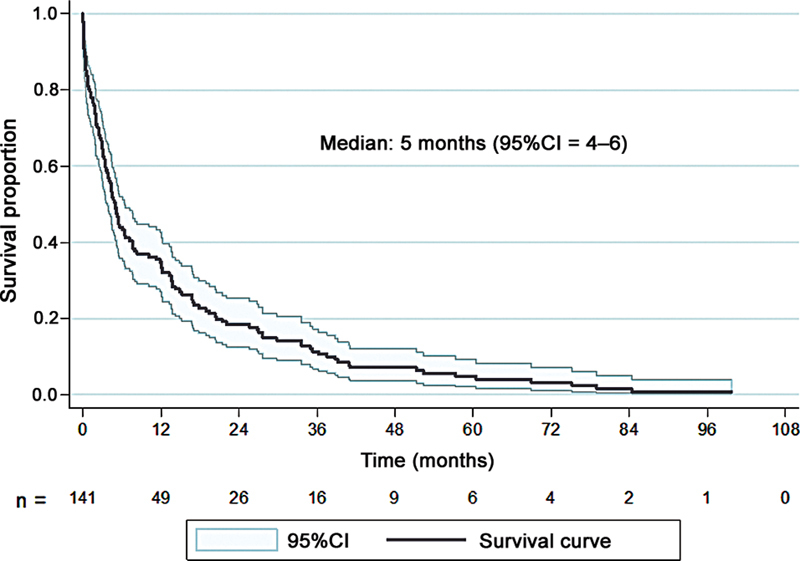 Figure 1
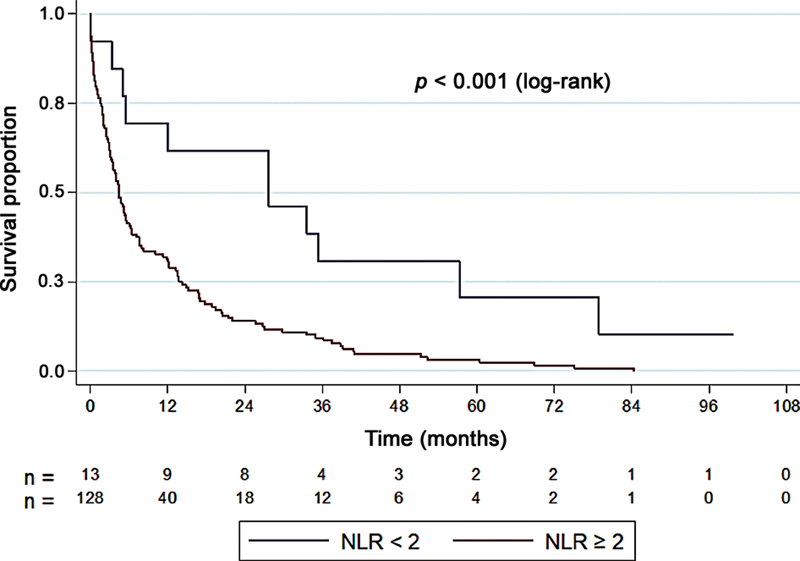 Figure 2
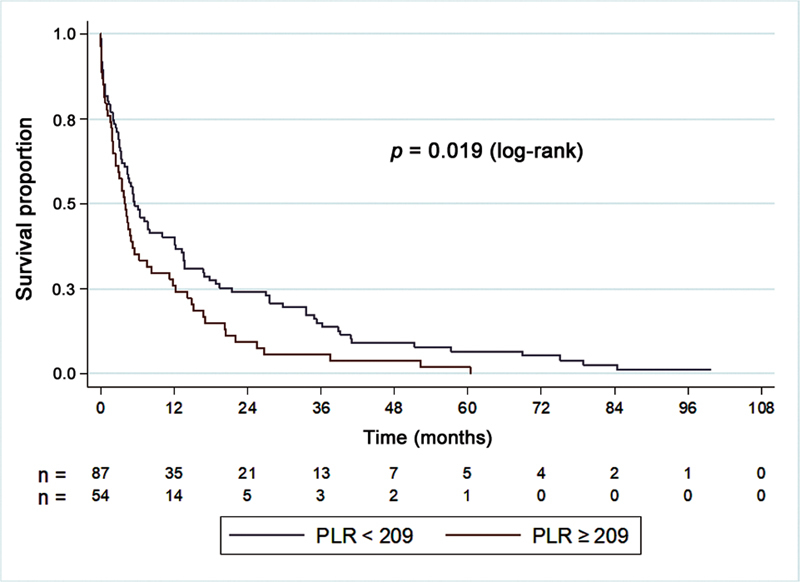 Figure 3
 Figure 4
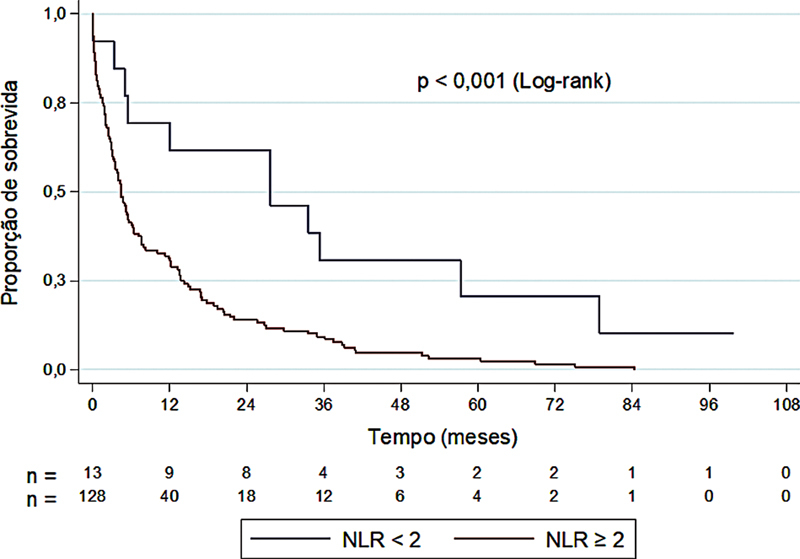 Figure 5
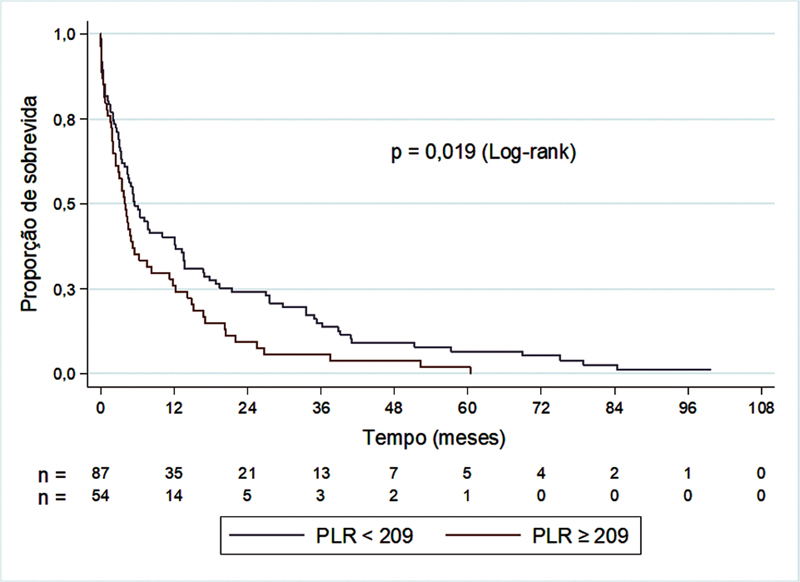 Figure 6
Peer Reviews
No public reviews on file for this paper yet. If you reviewed it on a platform where reviews are public (OpenReview, ICLR, NeurIPS, ICML), you can paste yours below so the community can read it here.
Videos
No videos yet. Explain this paper in a talk, walkthrough, or lecture? Add one.
Taxonomy
TopicsManagement of metastatic bone disease · Appendicitis Diagnosis and Management · Intraperitoneal and Appendiceal Malignancies