Diagnostic Performance of Articular Ultrasound Versus Magnetic Resonance Imaging in the Approach to Rotator Cuff Lesions at a Referral Hospital
Daniel F Duque, Jose Luis Montoya Restrepo, Juan D Ayala Torres, Juan Llano, Amalia Patiño Rengifo

TL;DR
The study compares ultrasound and MRI for diagnosing rotator cuff injuries, finding both effective for full tears but MRI better for subscapularis tendon issues.
Contribution
This study directly compares diagnostic performance of ultrasound and MRI for rotator cuff lesions using arthroscopy as the gold standard.
Findings
Ultrasound and MRI both detected 79% and 75% of supraspinatus lesions, respectively, with high sensitivity for complete ruptures.
MRI outperformed ultrasound in detecting subscapularis lesions (54.5% vs. 26.3%) and showed higher specificity.
Ultrasound performed better than MRI in traumatic cases and showed moderate agreement with arthroscopy for supraspinatus tears.
Abstract
Introduction Rotator cuff injury is a leading cause of musculoskeletal pain and the most common shoulder pathology. It is characterized by pain and limited mobility, particularly during overhead activities, and is associated with factors such as age, trauma, occupation, limb dominance, and cardiovascular risk. Diagnosis requires clinical evaluation and imaging, with ultrasound being a cost-effective and accessible option, whereas MRI is preferred for persistent or ambiguous cases. However, MRI access may be restricted by geographical and economic constraints. Methodology A retrospective census was conducted at a fourth-level hospital in Medellín, Antioquia (2015-2020), following research committee approval. Patients over 18 years old with suspected rotator cuff injury who underwent arthroscopy and had MRI and ultrasound reports within six months were included. Imaging and surgical…
Genes, proteins, chemicals, diseases, species, mutations and cell lines named across the full text — each resolved to its canonical identifier and authoritative record.
Click any figure to enlarge with its caption.
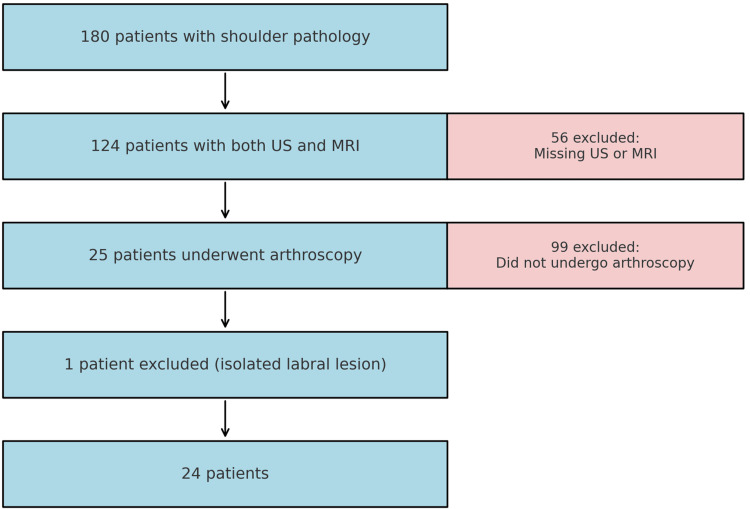 Figure 1
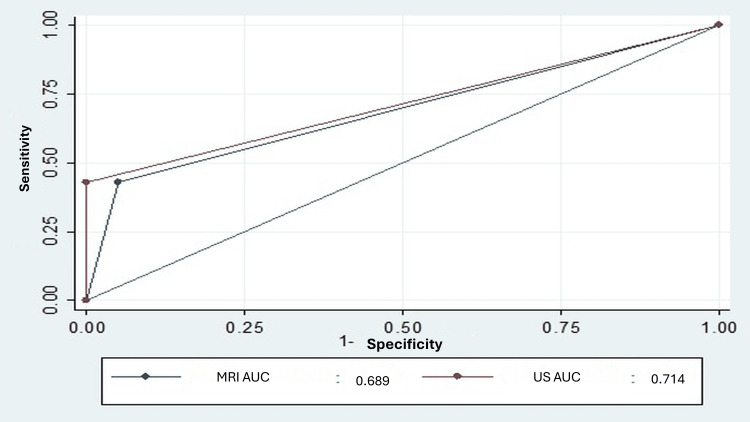 Figure 2
 Figure 3
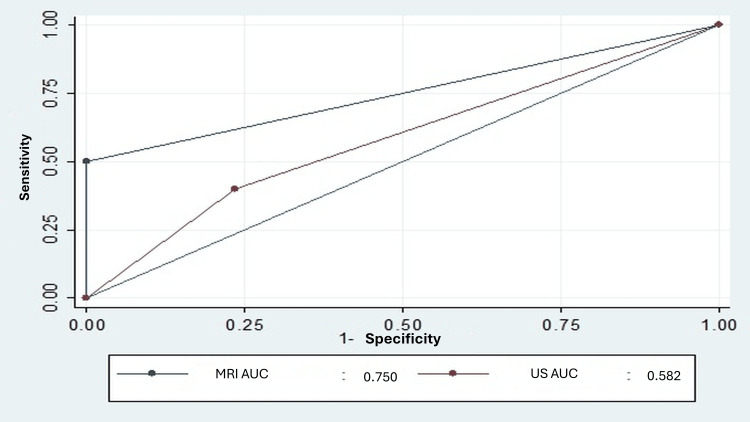 Figure 4
Peer Reviews
No public reviews on file for this paper yet. If you reviewed it on a platform where reviews are public (OpenReview, ICLR, NeurIPS, ICML), you can paste yours below so the community can read it here.
Videos
No videos yet. Explain this paper in a talk, walkthrough, or lecture? Add one.
Taxonomy
TopicsShoulder Injury and Treatment · Shoulder and Clavicle Injuries · Trauma Management and Diagnosis