Pharmacology and macrophage modulation of HPGDS inhibitor PK007 demonstrate reduced disease severity in DMD-affected muscles of the mdx mouse model
Sai Yarlagadda, Chynna-Loren Sheremeta, Sang Won Cheung, Alison Cuffe, Miranda D. Grounds, Mark L. Smythe, Peter G. Noakes

TL;DR
A new drug called PK007 reduces muscle damage and inflammation in a mouse model of Duchenne Muscular Dystrophy, potentially offering a promising treatment.
Contribution
PK007 is a novel HPGDS inhibitor that specifically targets PGD2 to reduce inflammation and muscle necrosis in DMD.
Findings
PK007 significantly reduced serum PGD2 levels and myonecrosis in multiple muscles of mdx mice.
Treatment improved muscle grip strength and locomotor activity in juvenile mdx mice.
PK007 decreased macrophage infiltration and pro-inflammatory cytokine expression in dystrophic muscles.
Abstract
Duchenne Muscular Dystrophy (DMD) is an X-linked disease characterised by chronic inflammation, progressive muscle damage, and muscle loss. Typically, initial symptoms affect lower limb muscles, including the gastrocnemius (GA), tibialis anterior (TA), and extensor digitorum longus (EDL). During the acute phase of DMD, particularly in boys aged 2–8 years, muscle damage resulting in necrosis (myonecrosis) involves a complex immune-inflammatory response. Prostaglandin D2 (PGD2) is recognised for enhancing pro-inflammatory chemokine and interleukin signalling and recruiting infiltrating immune cells such as pro-inflammatory macrophages, exacerbating myonecrosis. To reduce levels of PGD2, a novel hematopoietic prostaglandin D2 synthase (HPGDS) inhibitor, PK007, was characterised (i) for potency and pharmacokinetic profiles and then tested in the mdx mouse model of DMD during the acute…
Genes, proteins, chemicals, diseases, species, mutations and cell lines named across the full text — each resolved to its canonical identifier and authoritative record.
Click any figure to enlarge with its caption.
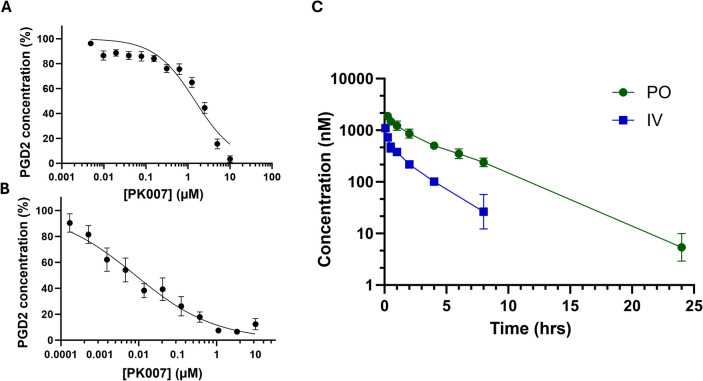 Figure 1
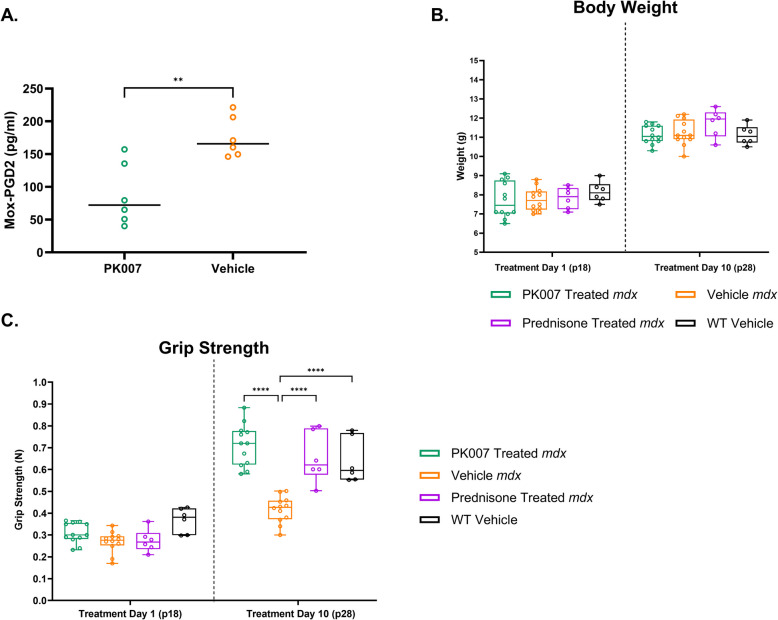 Figure 2
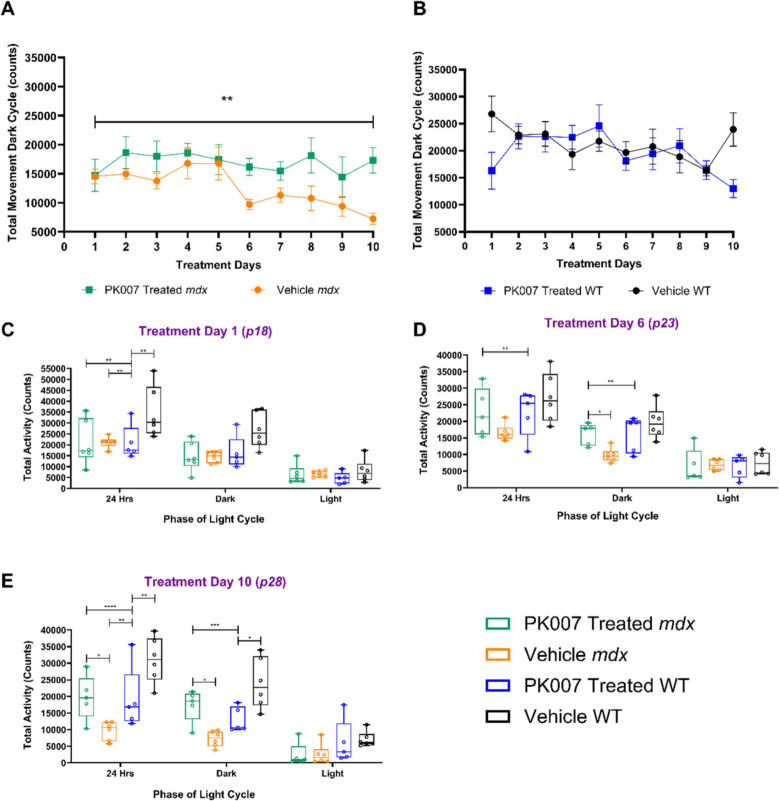 Figure 3
 Figure 4
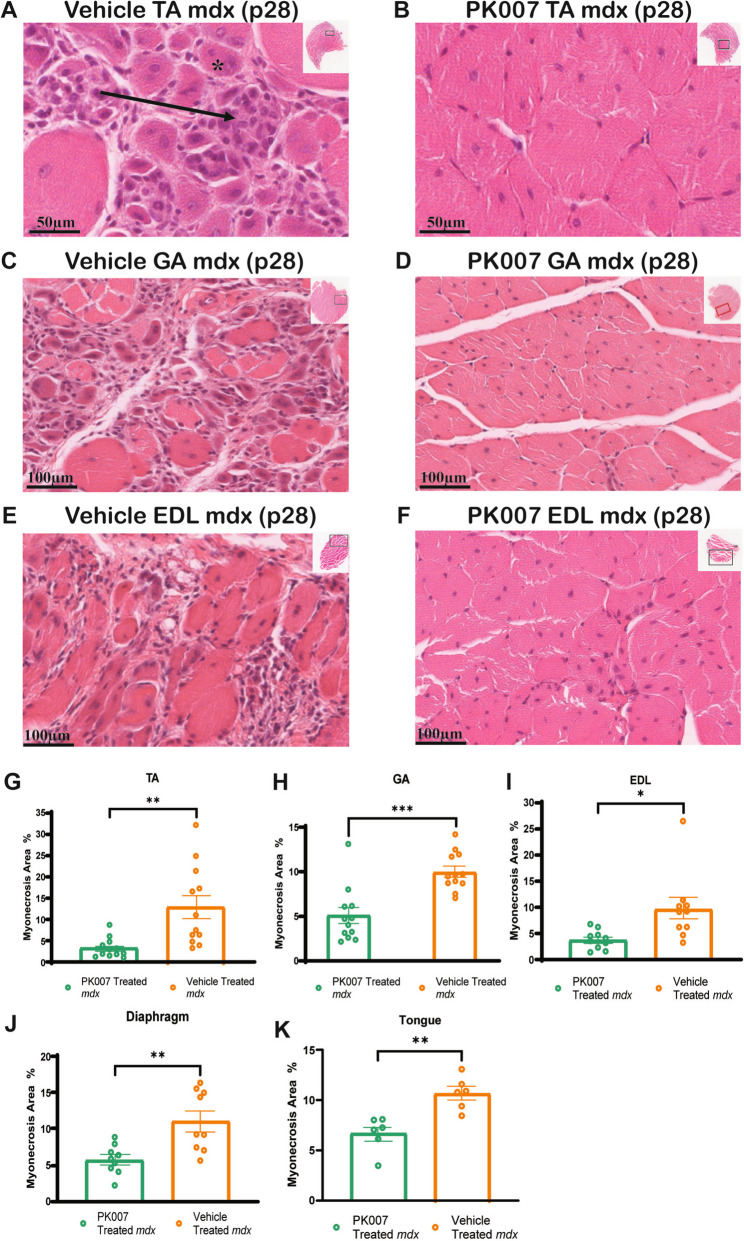 Figure 5
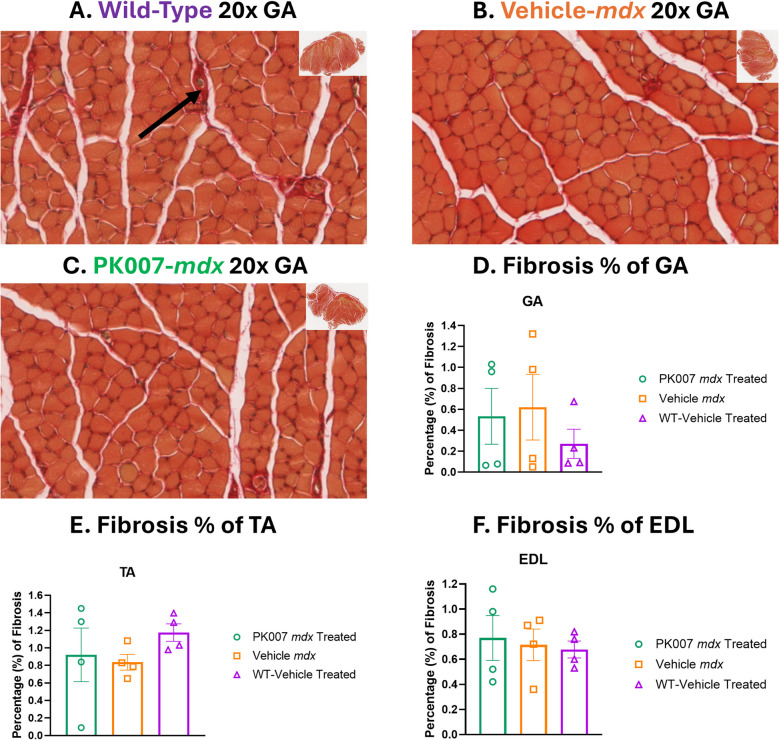 Figure 6
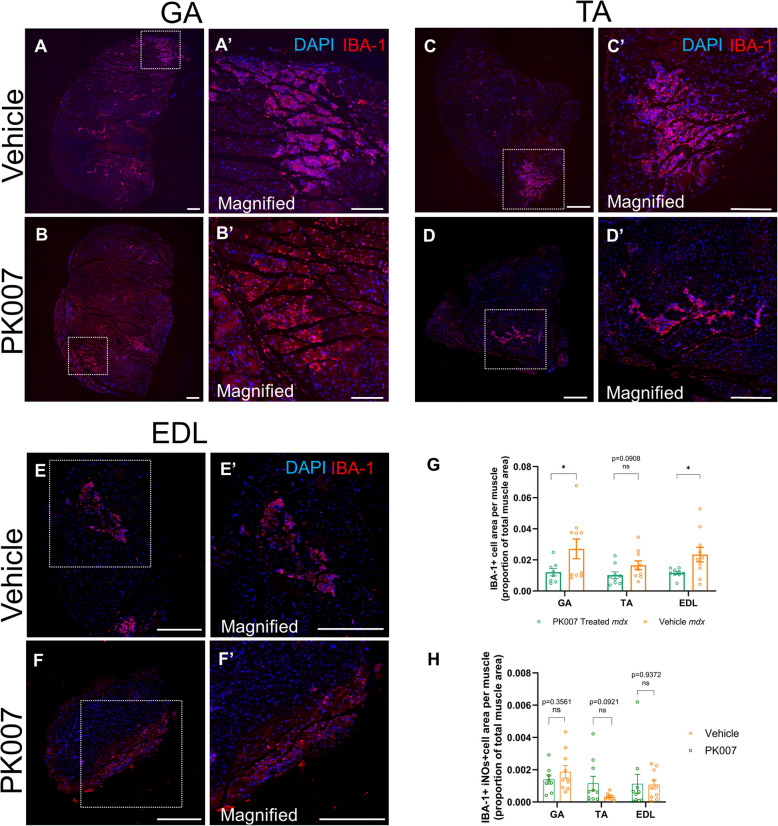 Figure 7
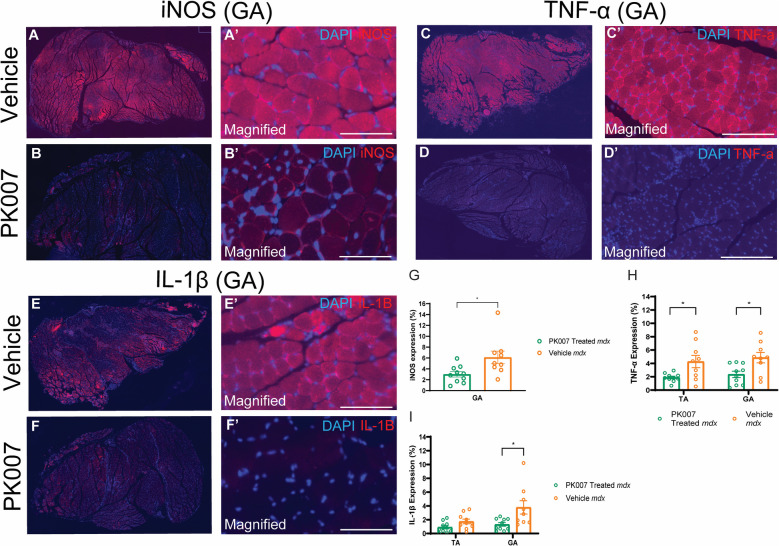 Figure 8
Peer Reviews
No public reviews on file for this paper yet. If you reviewed it on a platform where reviews are public (OpenReview, ICLR, NeurIPS, ICML), you can paste yours below so the community can read it here.
Videos
No videos yet. Explain this paper in a talk, walkthrough, or lecture? Add one.
Taxonomy
TopicsMuscle Physiology and Disorders · Neurogenetic and Muscular Disorders Research · Viral Infections and Immunology Research