CRISPR/Cas-mediated mRNA knockdown in the embryos of Xenopus tropicalis
Xiao-Lin Lin, Yi-Min Zhou, Ke Meng, Jia-Yi Yang, Han Zhang, Jin-Hua Lin, Hai-Yan Wu, Xiao-Yu Wang, Hui Zhao, Shan-Shan Feng, Kyu-Sang Park, Dong-Qing Cai, Li Zheng, Xu-Feng Qi

TL;DR
This study shows that CRISPRi is more effective than CRISPR-Cas13 for suppressing mRNA in Xenopus tropicalis embryos, offering a new tool for gene function research.
Contribution
The study introduces CRISPRi as a novel and effective method for mRNA knockdown in Xenopus tropicalis embryos.
Findings
CRISPRi using dCas9-KM efficiently targets both exogenous and endogenous transcripts in Xenopus tropicalis embryos.
The ZIM3-KRAB repressor alone performs as well as the traditional KRAB-MeCP2 repressor in transcript targeting.
CRISPRi is more effective than CRISPR-Cas13 for mRNA suppression in Xenopus tropicalis embryos.
Abstract
The Xenopus tropicalis (Western clawed frog) is an important amphibian model for genetics, developmental and regenerative biology, due to its diploid genetic background and short generation time. CRISPR-Cas13 and CRISPR interference (CRISPRi) systems have recently been employed to suppress mRNA expression in many organisms such as yeast, plants, and mammalian cells. However, no systematic study of these two systems has been carried out in Xenopus tropicalis. Here, we show that CRISPRi rather than CRISPR-Cas13 is an effective and suitable approach to suppress specific mRNA transcription in Xenopus tropicalis embryos. We demonstrated that CRISPRi composed of dCas9 and KRAB-MeCP2 (dCas9-KM) can efficiently target exogenous and endogenous transcripts in Xenopus tropicalis embryos. Moreover, our data suggest that the new KRAB domain from ZIM3 protein (ZIM3-KRAB, ZIM3K) alone has a comparable…
Genes, proteins, chemicals, diseases, species, mutations and cell lines named across the full text — each resolved to its canonical identifier and authoritative record.
Click any figure to enlarge with its caption.
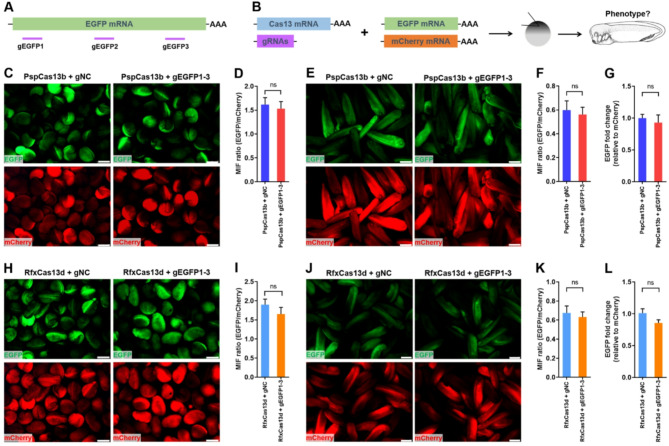 Figure 1
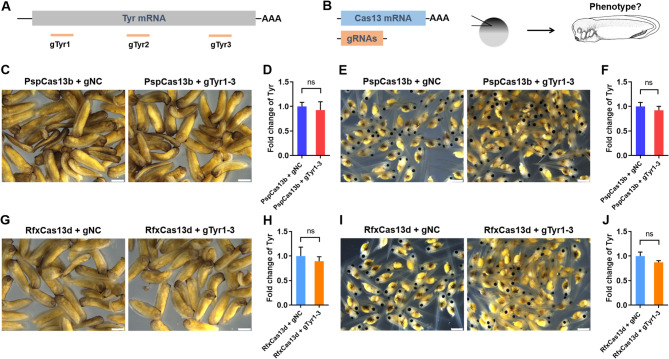 Figure 2
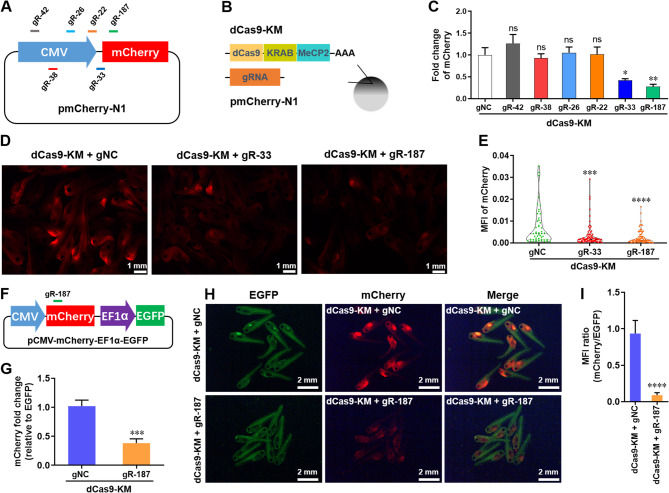 Figure 3
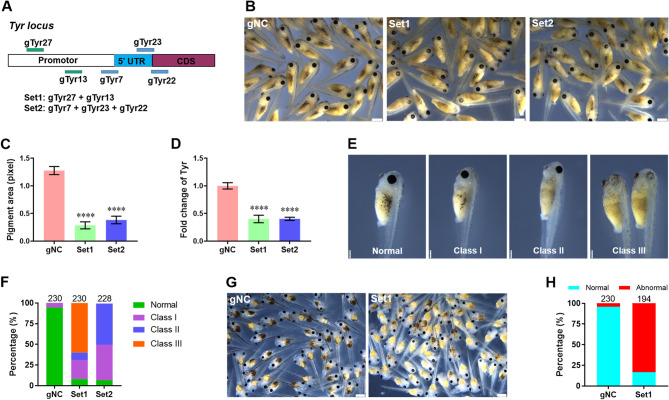 Figure 4
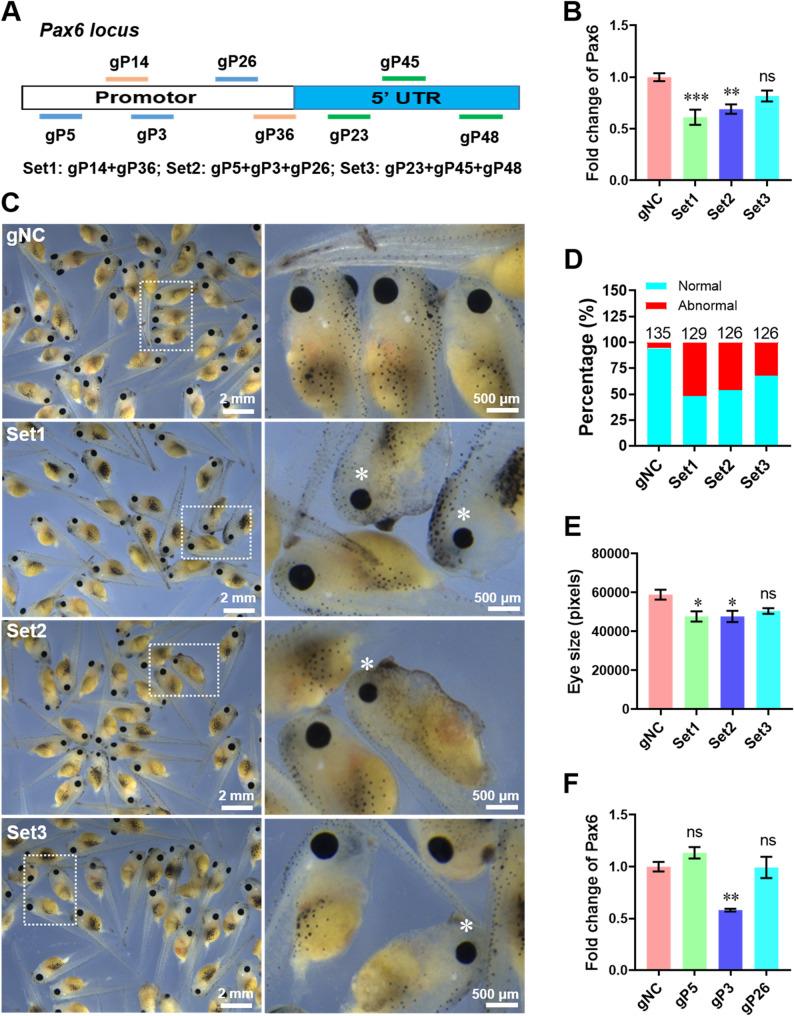 Figure 5
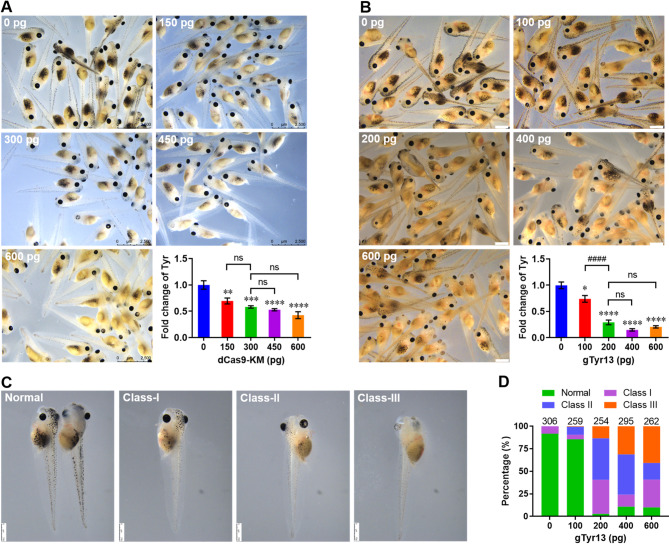 Figure 6
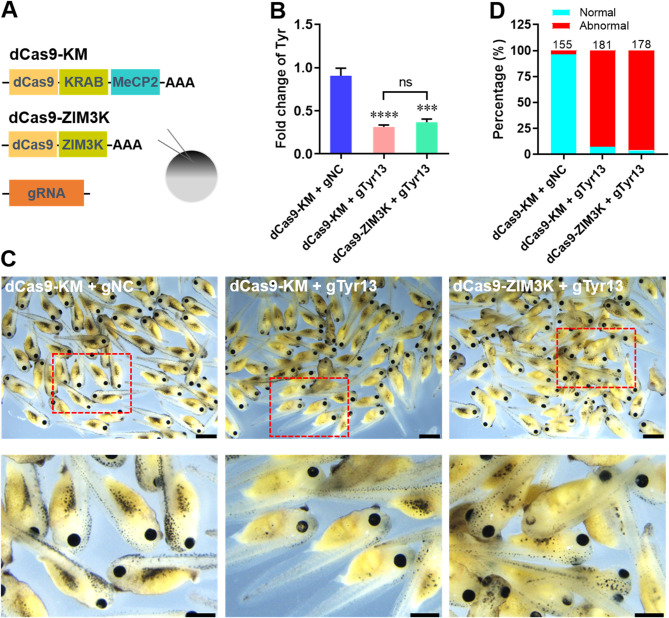 Figure 7
Peer Reviews
No public reviews on file for this paper yet. If you reviewed it on a platform where reviews are public (OpenReview, ICLR, NeurIPS, ICML), you can paste yours below so the community can read it here.
Videos
No videos yet. Explain this paper in a talk, walkthrough, or lecture? Add one.
Taxonomy
TopicsCRISPR and Genetic Engineering · Genetics, Aging, and Longevity in Model Organisms · RNA and protein synthesis mechanisms