Differential neuronal functions of LNX1 and LNX2 revealed by behavioural analysis in single and double knockout mice
Laura Cioccarelli, Joan A. Lenihan, Leah G. Erwin, Paul W. Young

TL;DR
This study reveals distinct roles of LNX1 and LNX2 proteins in mouse behavior, including anxiety, risk-taking, and communication.
Contribution
The study identifies novel behavioral roles for LNX1 and LNX2 proteins and an unexpected role for LNX1 in body weight regulation.
Findings
LNX2 knockout mice show more pronounced effects on anxiety and risk-taking behaviors compared to LNX1 knockout mice.
LNX1 knockout mice exhibit altered ultrasonic vocalizations and contribute to reduced body weight in double knockouts.
LNX1 and LNX2 differentially modulate specific behavioral tests like dark-light emergence and wire beam bridge paradigms.
Abstract
Ligand of NUMB protein-X 1 (LNX1) and LNX2 proteins are closely related PDZ domain-containing E3 ubiquitin ligases that interact with and potentially modulate numerous synaptic and neurodevelopmentally important proteins. While both LNX1 and LNX2 are expressed in neurons, it is noteworthy that neuronal LNX1 isoforms lack the catalytic domain responsible for ubiquitination of substrates. Thus, the shared interaction partners of LNX1 and LNX2 might be differentially regulated by these proteins, with LNX1 acting as a stabilizing scaffold while LNX2 may promote their ubiquitination and degradation. Despite the identification of many LNX interacting proteins and substrates, our understanding of the distinct in vivo functions of LNX1 and LNX2 remains very incomplete. We previously reported that mice lacking both LNX1 in the central nervous system and LNX2 globally exhibit decreased…
Genes, proteins, chemicals, diseases, species, mutations and cell lines named across the full text — each resolved to its canonical identifier and authoritative record.
Click any figure to enlarge with its caption.
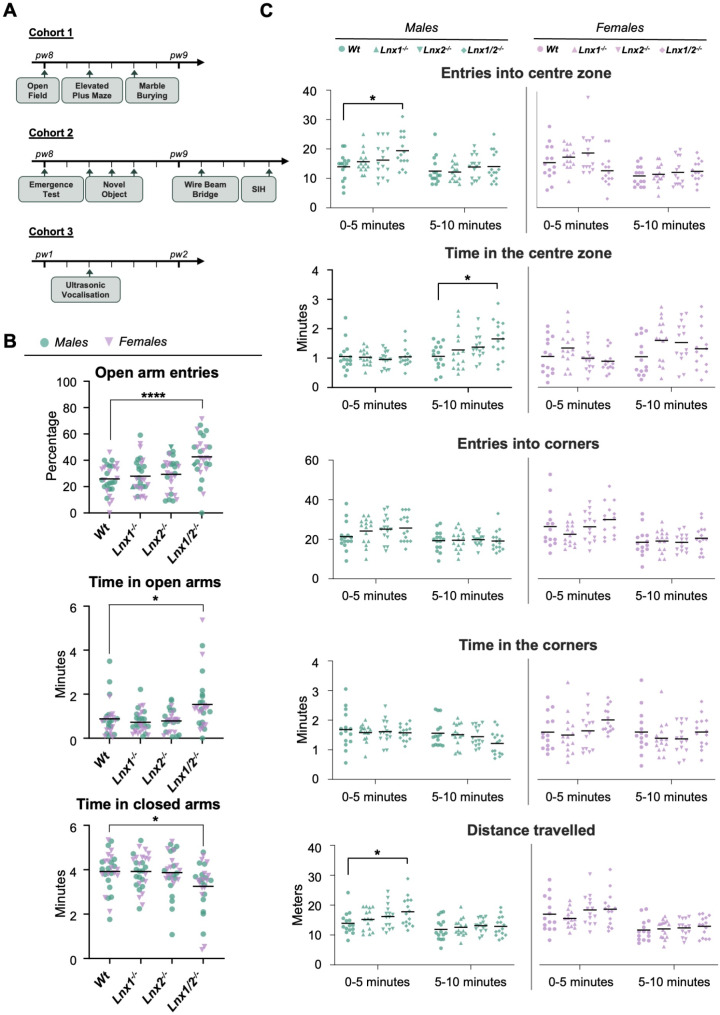 Figure 1
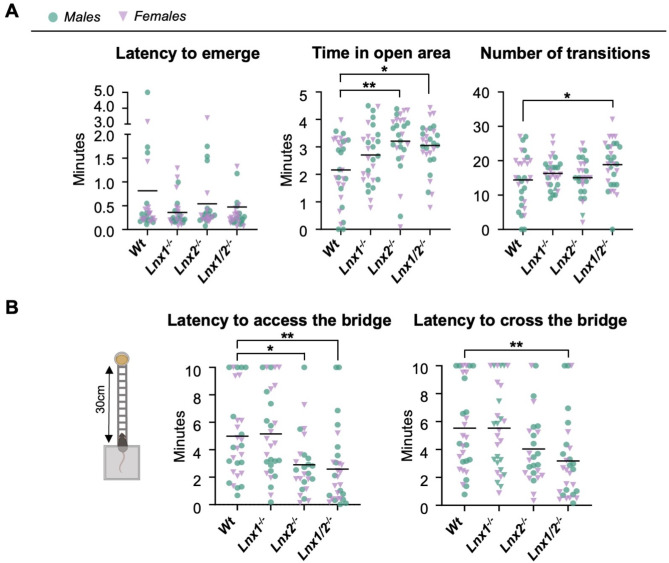 Figure 2
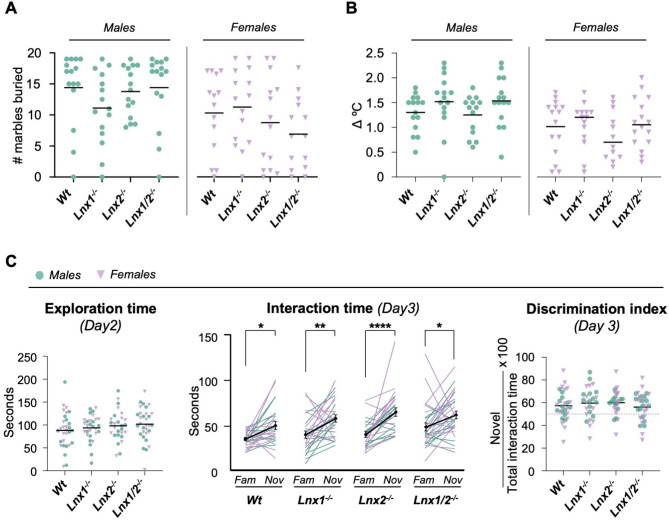 Figure 3
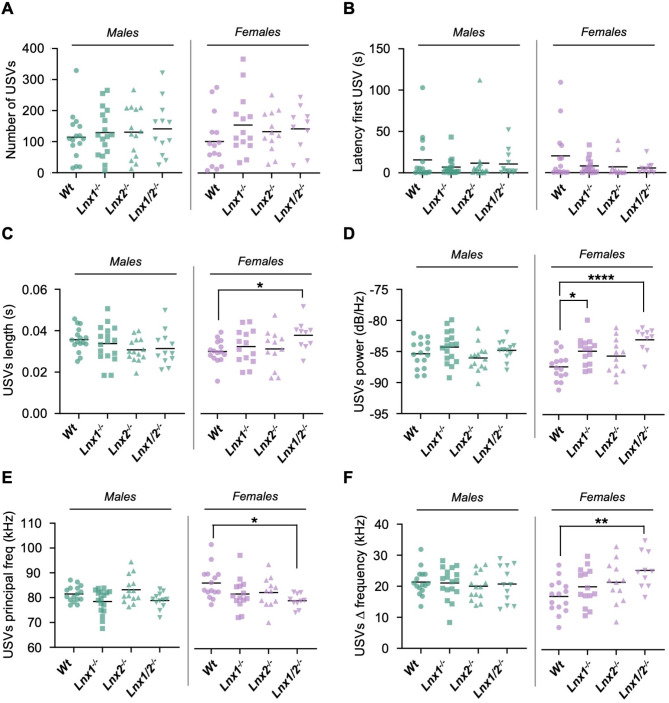 Figure 4
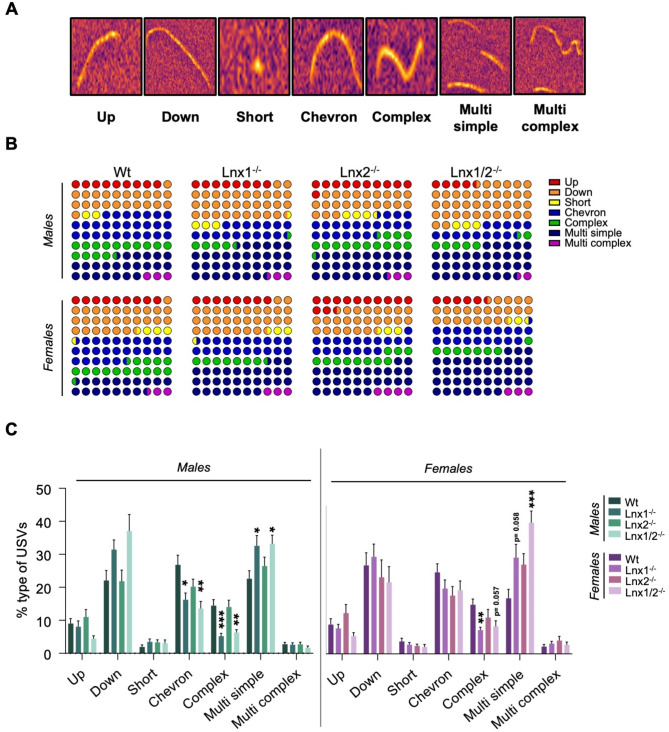 Figure 5
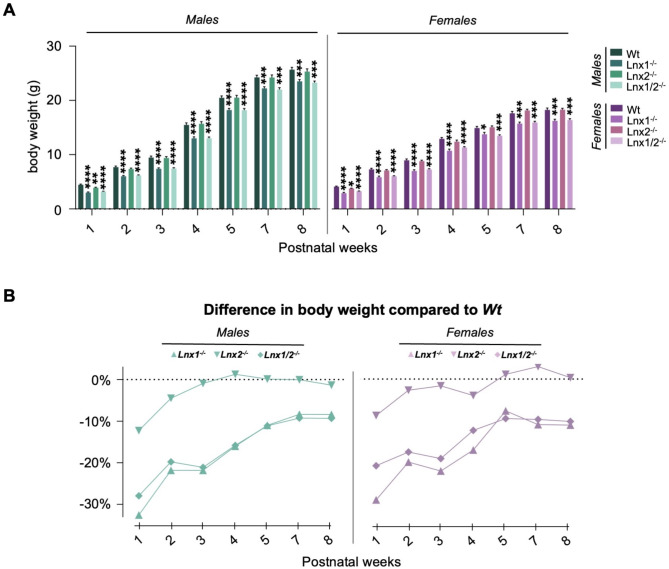 Figure 6
Peer Reviews
No public reviews on file for this paper yet. If you reviewed it on a platform where reviews are public (OpenReview, ICLR, NeurIPS, ICML), you can paste yours below so the community can read it here.
Videos
No videos yet. Explain this paper in a talk, walkthrough, or lecture? Add one.
Taxonomy
TopicsGenetics and Neurodevelopmental Disorders · Neurobiology and Insect Physiology Research · Neuroscience and Neuropharmacology Research