Neural network conditioned to produce thermophilic protein sequences can increase thermal stability
Evan Komp, Christian Phillips, Lauren M. Lee, Shayna M. Fallin, Humood N. Alanzi, Marlo Zorman, Michelle E. McCully, David A. C. Beck

TL;DR
A new method called NOMELT uses neural networks to design proteins that are more stable at high temperatures, successfully increasing the melting temperature of a fruit fly protein by 15.5 K.
Contribution
NOMELT introduces a novel neural machine translation approach specifically trained to enhance thermal stability in proteins.
Findings
NOMELT increases the melting temperature of a Drosophila melanogaster protein by 15.5 K.
The model ranks melting and half-activation temperatures across protein families without needing extensive homology data.
NOMELT learns thermophilicity rather than general natural variation, enabling zero-shot predictions.
Abstract
This work presents Neural Optimization for Melting-temperature Enabled by Leveraging Translation (NOMELT), a novel approach for designing and ranking high-temperature stable proteins using neural machine translation. The model, trained on over 4 million protein homologous pairs from organisms adapted to different temperatures, demonstrates promising capability in targeting thermal stability. A designed variant of the Drosophila melanogaster Engrailed Homeodomain shows a melting temperature increase of 15.5 K. Furthermore, NOMELT achieves zero-shot predictive capabilities in ranking experimental melting and half-activation temperatures across a number of protein families. It achieves this without requiring extensive homology data or massive training datasets as do existing zero-shot predictors by specifically learning thermophilicity, as opposed to all natural variation. These findings…
Genes, proteins, chemicals, diseases, species, mutations and cell lines named across the full text — each resolved to its canonical identifier and authoritative record.
Click any figure to enlarge with its caption.
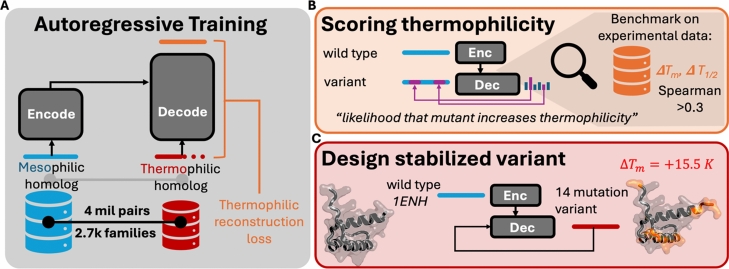 Figure 1
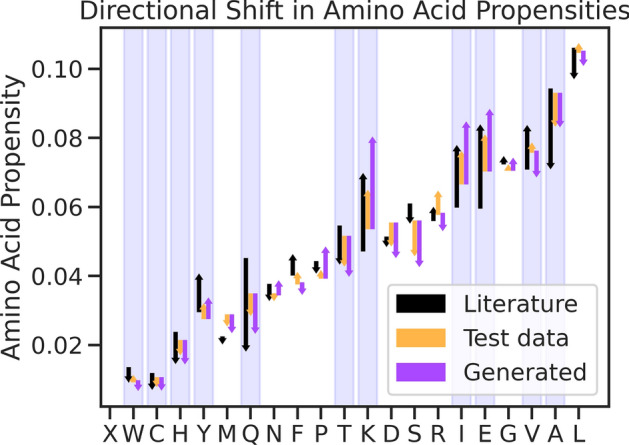 Figure 2
 Figure 3
 Figure 4
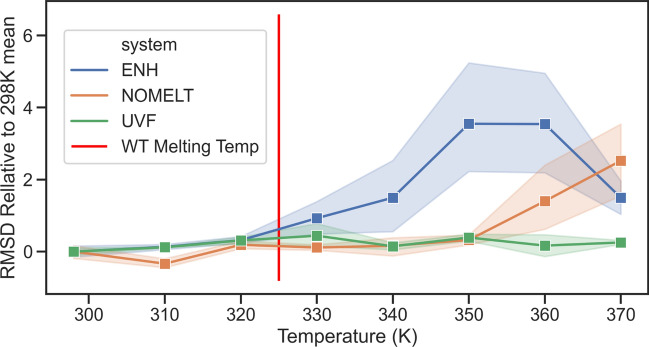 Figure 5
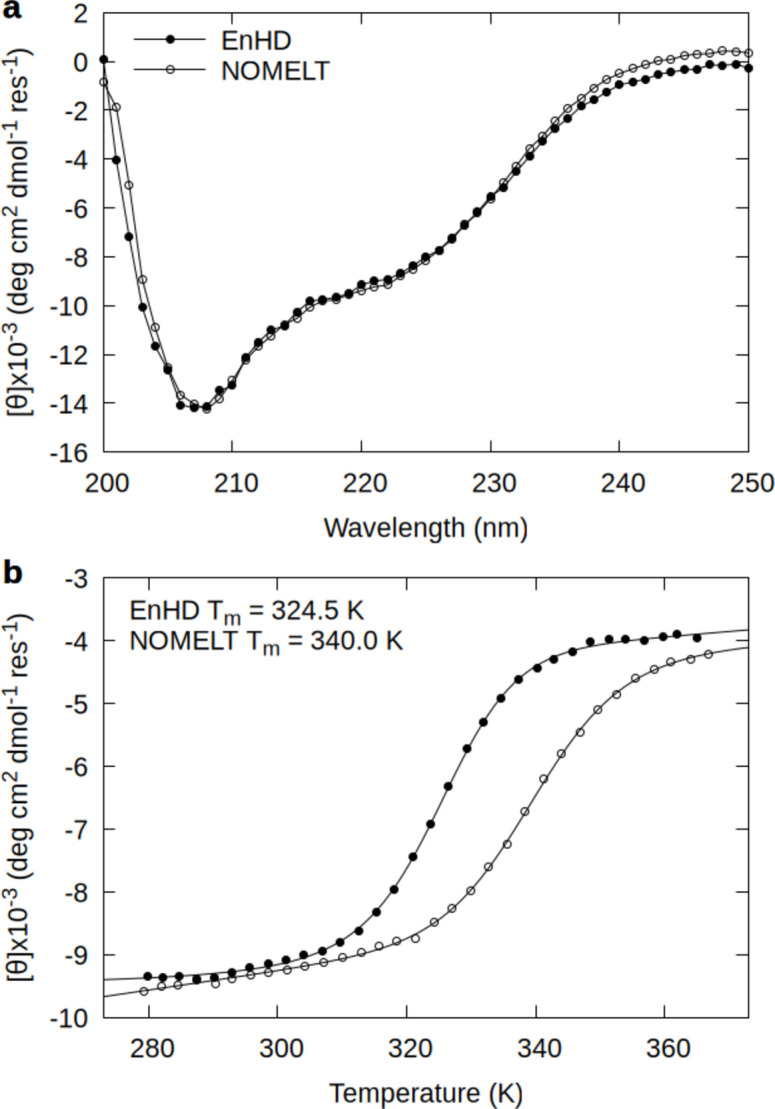 Figure 6
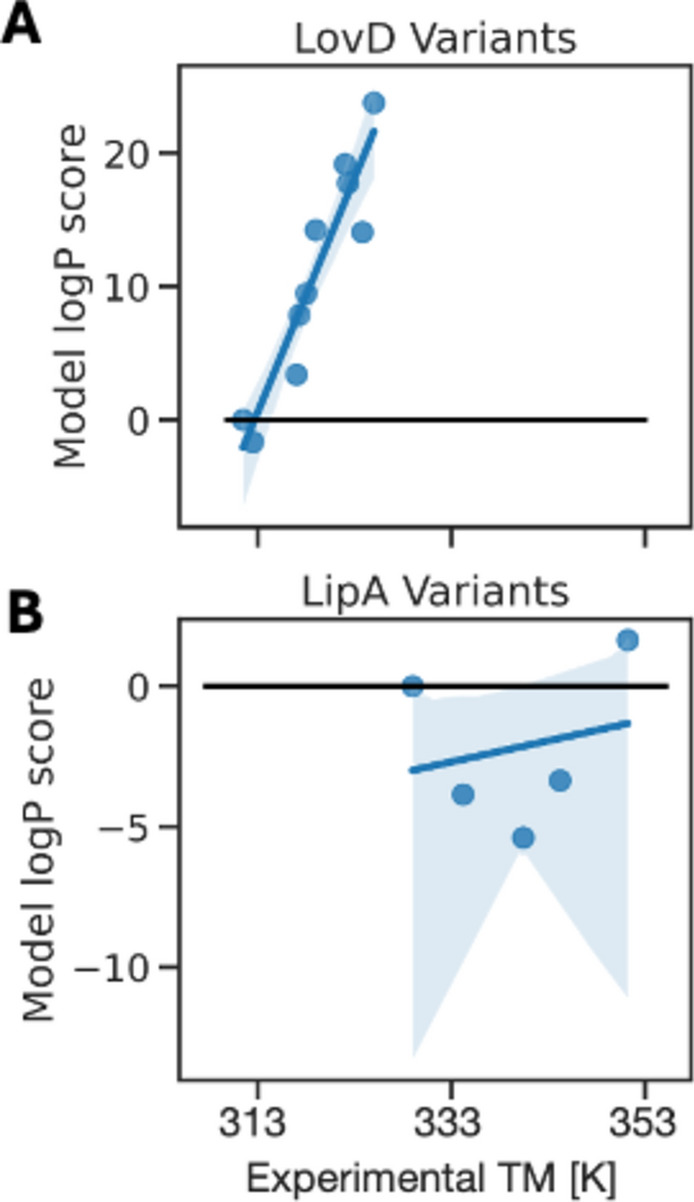 Figure 7
Peer Reviews
No public reviews on file for this paper yet. If you reviewed it on a platform where reviews are public (OpenReview, ICLR, NeurIPS, ICML), you can paste yours below so the community can read it here.
Videos
No videos yet. Explain this paper in a talk, walkthrough, or lecture? Add one.
Taxonomy
TopicsProtein Structure and Dynamics · Neurobiology and Insect Physiology Research · Insect and Arachnid Ecology and Behavior