Activation of the Insulin Receptor by Sarcopoterium spinosum Extract and Identification of Sarcocyanidin A as a Novel Active Compound
Ayala Wollman, Rania Hasib Afana, Shmuel Carmeli, Tovit Rosenzweig

TL;DR
This study identifies a new compound in Sarcopoterium spinosum that lowers blood sugar by activating the insulin receptor.
Contribution
Discovery of sarcocyanidin A, a novel procyanidin trimer, as an insulin receptor activator from Sarcopoterium spinosum.
Findings
Sarcocyanidin A activates insulin signaling in cell models and reduces blood glucose in mice.
The compound directly interacts with the insulin receptor, as shown by binding assays.
The antidiabetic effects of Sarcopoterium spinosum are partially mediated by sarcocyanidin A.
Abstract
Sarcopoterium spinosum is a medicinal plant, presenting glucose-lowering properties. The study aimed to identify the active components and their mechanisms of action. Bioguided fractionation was utilized to isolate the active molecules, followed by NMR and HRESI MS for their identification and structural elucidation. Binding to the insulin receptor (IR) and activation of the receptor were measured in vitro. Glucose-lowering effects were validated in vivo. A novel procyanidin trimer, named sarcocyanidin A (1, catechin-(4α-8)-epicatechin-(4β-8)-epicatechin), was identified. Sarcocyanidin A (1) activated insulin signaling in CHO-IR and L6 myotubes, while the IR inhibitor abolished this effect. IR autofluorescence and cell-based thermal shift assays indicate a direct interaction of sarcocyanidin A (1) with IR. Sarcocyanidin A (1) also activated insulin signaling and reduced blood glucose in…
Genes, proteins, chemicals, diseases, species, mutations and cell lines named across the full text — each resolved to its canonical identifier and authoritative record.
Click any figure to enlarge with its caption.
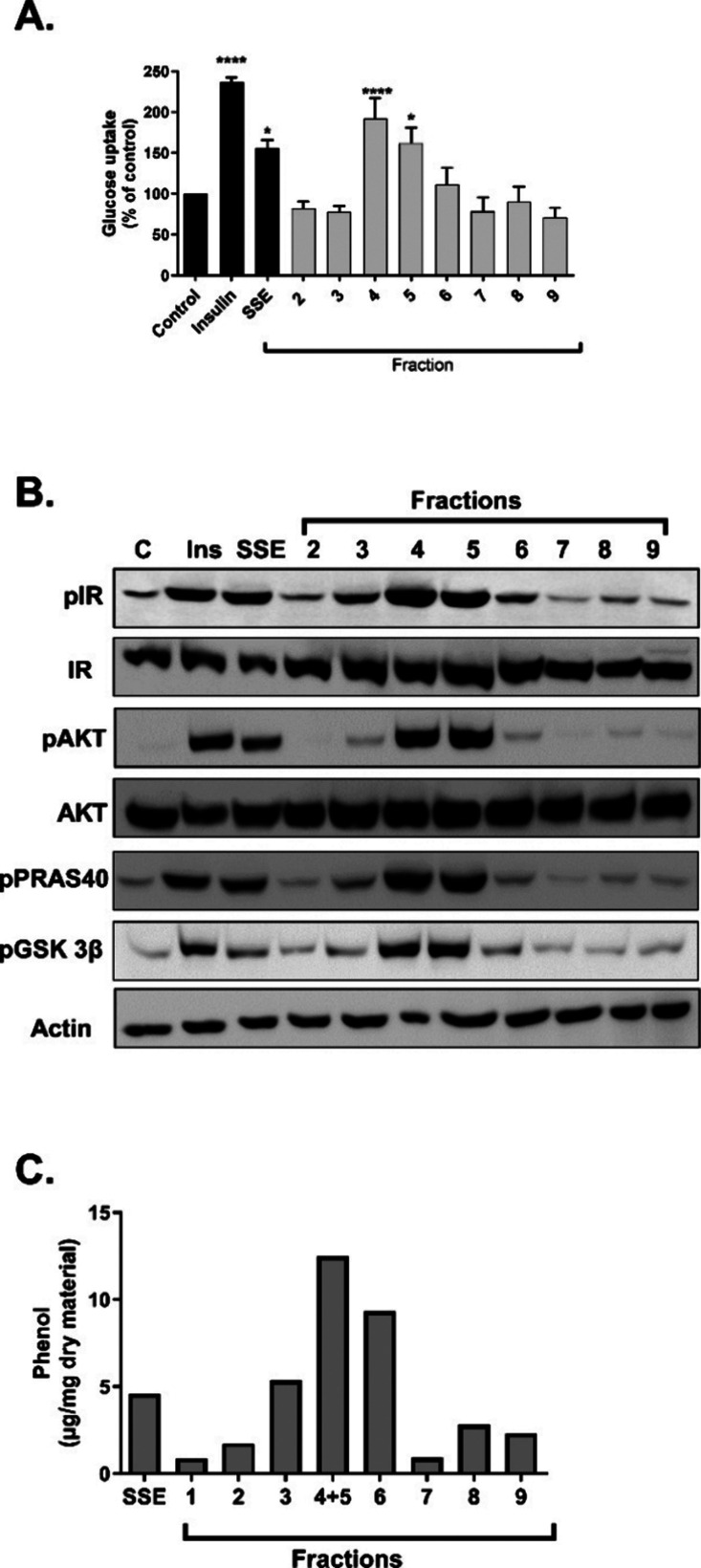 Figure 1
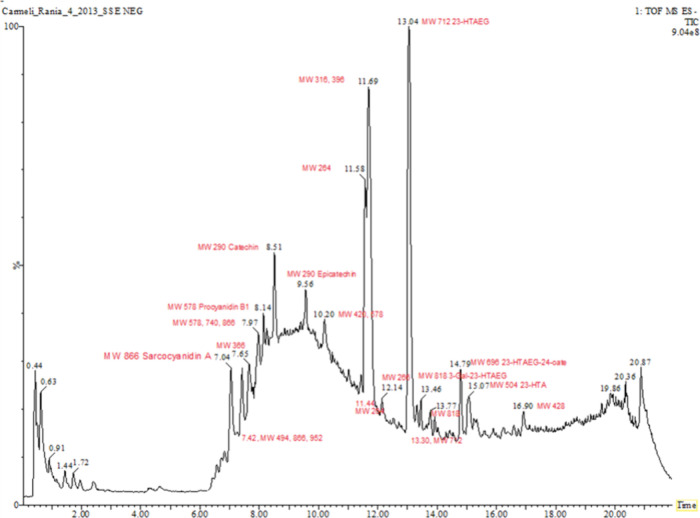 Figure 2
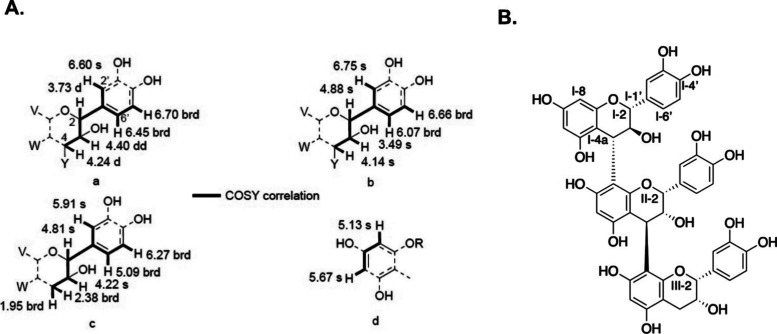 Figure 3
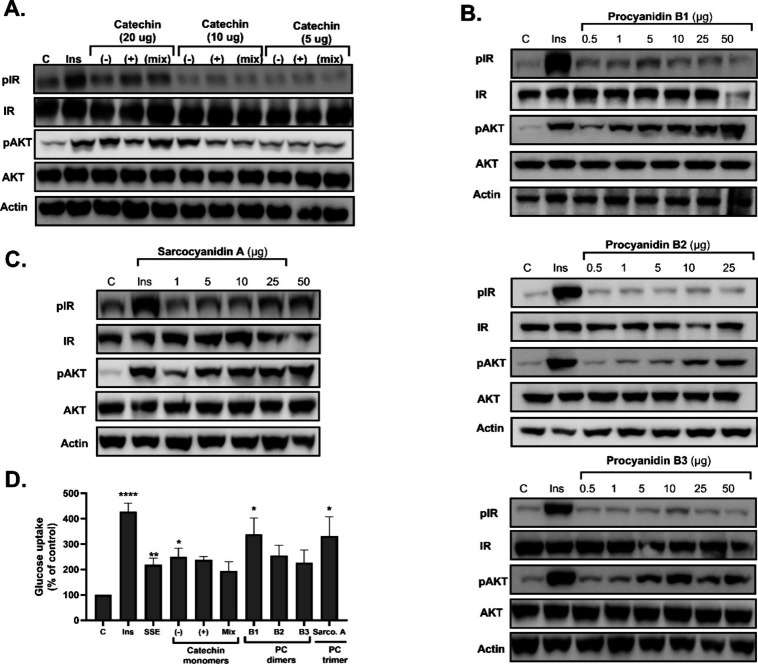 Figure 4
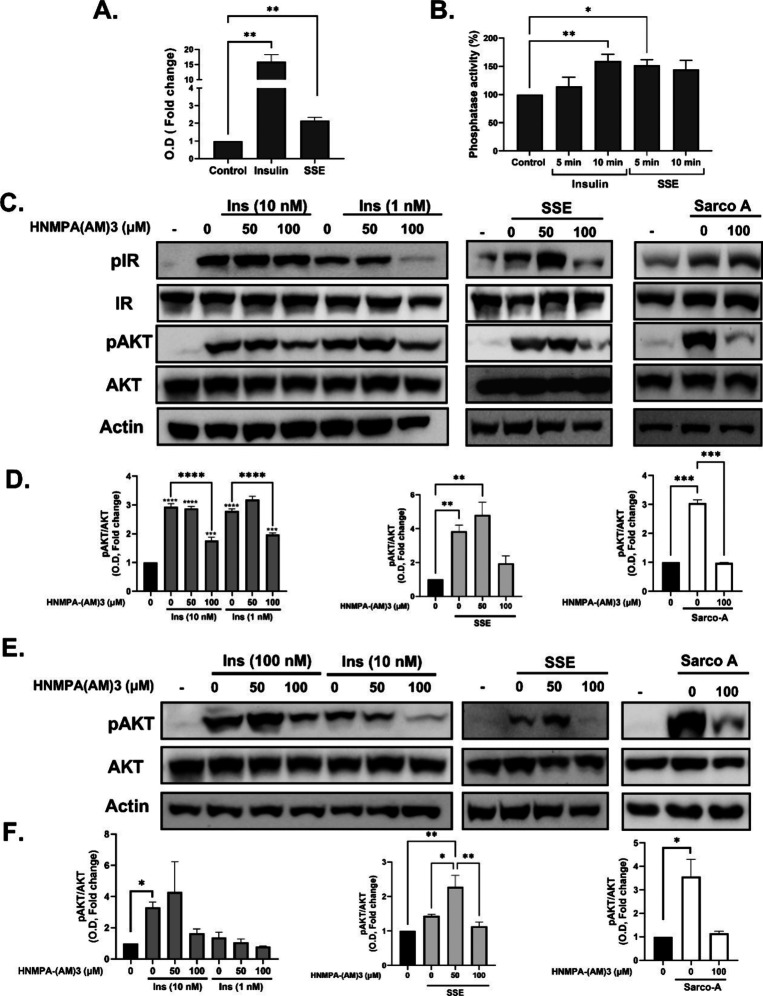 Figure 5
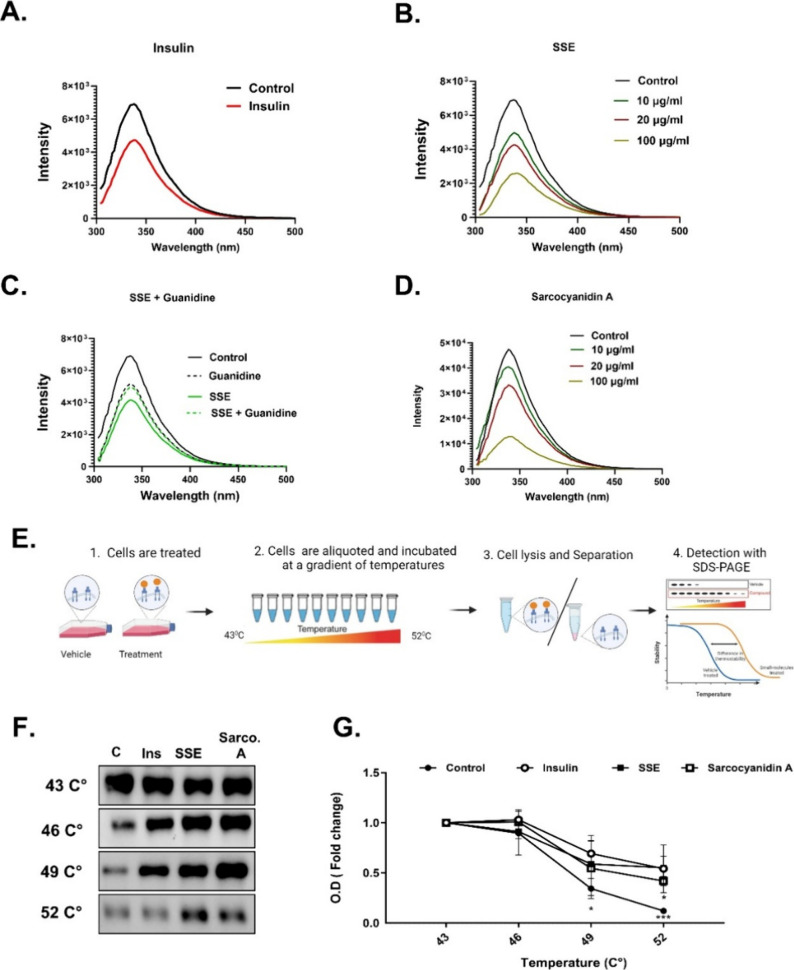 Figure 6
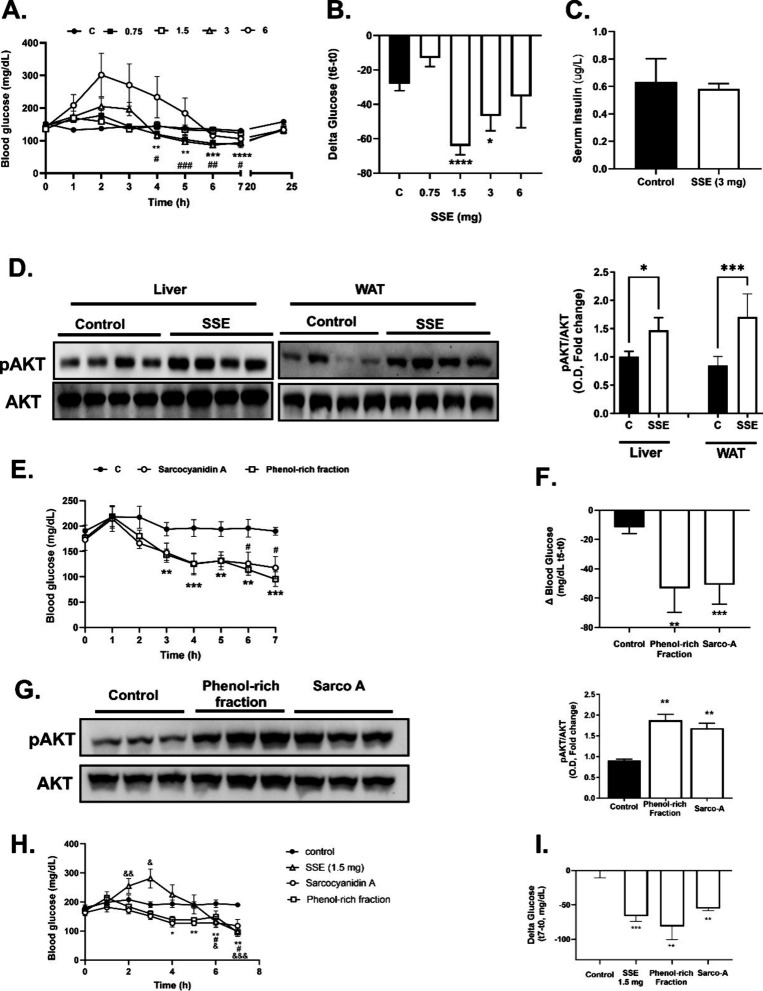 Figure 7
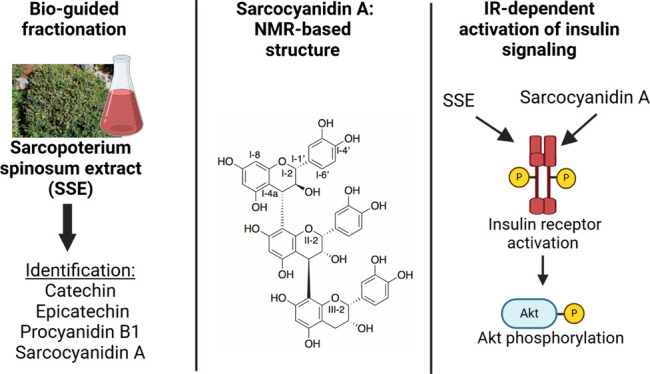 Figure 8
Peer Reviews
No public reviews on file for this paper yet. If you reviewed it on a platform where reviews are public (OpenReview, ICLR, NeurIPS, ICML), you can paste yours below so the community can read it here.
Videos
No videos yet. Explain this paper in a talk, walkthrough, or lecture? Add one.
Taxonomy
TopicsMicrobial Metabolites in Food Biotechnology · Chromatography in Natural Products · Natural Antidiabetic Agents Studies