DON-Apt19S bioactive scaffold transplantation promotes in situ spinal cord repair in rats with transected spinal cord injury by effectively recruiting endogenous neural stem cells and mesenchymal stem cells
Bi-Qin Lai, Rong-Jie Wu, Chuang-Ran Wu, Hai-Yang Yu, Jing Xu, Shang-Bin Yang, Zheng-Hong Chen, Xing Li, Yi-Nan Guo, Yue Yang, Ming-Tian Che, Ting-Ting Wu, Guang-Tao Fu, Yu-Hui Yang, Zhen Chen, Nan Hua, Rui Liu, Qiu-Jian Zheng, Yuan-Feng Chen

TL;DR
A bioactive scaffold promotes spinal cord repair in rats by recruiting stem cells and improving motor and sensory functions.
Contribution
A novel DNA aptamer-based scaffold that recruits both neural and mesenchymal stem cells for spinal cord repair.
Findings
DON-Apt19S scaffold effectively recruits endogenous NSCs and MSCs via ALPL binding.
The scaffold promotes neurogenesis and revascularization in the injured spinal cord.
Transplantation of DON-A improves motor and sensory functions in rats with SCI.
Abstract
The spinal cord's limited regeneration is attributed to the scarcity of endogenous stem cells and a poor post-injury microenvironment in adult mammals. To overcome these challenges, we transplanted a DNA aptamer 19S (Apt19S) sustained-release decellularized optic nerve (DON) scaffold (DON-A) into completely transected spinal cord injury (SCI) site in rats and investigated its effect on endogenous stem cell recruitment and differentiation, which subsequently contributed to in situ SCI repair. It has been demonstrated that Apt19S specifically binds to the membrane receptor alkaline phosphatase highly expressed on neural stem cells (NSCs) and mesenchymal stem cells (MSCs), and our study further proved that Apt19S can simultaneously recruit endogenous NSCs and MSCs to the lesion of SCI. In our study, the DON-A promoted stem cell proliferation in the early stage of the injury, followed by…
Genes, proteins, chemicals, diseases, species, mutations and cell lines named across the full text — each resolved to its canonical identifier and authoritative record.
Click any figure to enlarge with its caption.
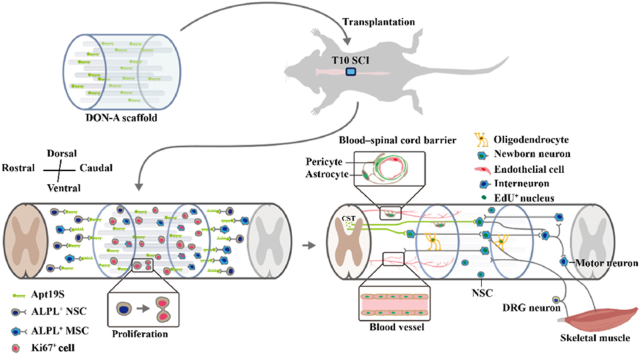 Figure 1
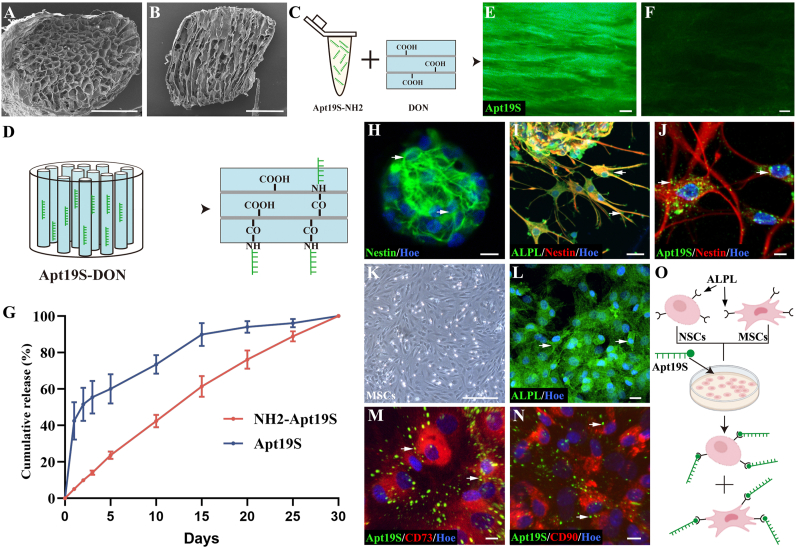 Figure 2
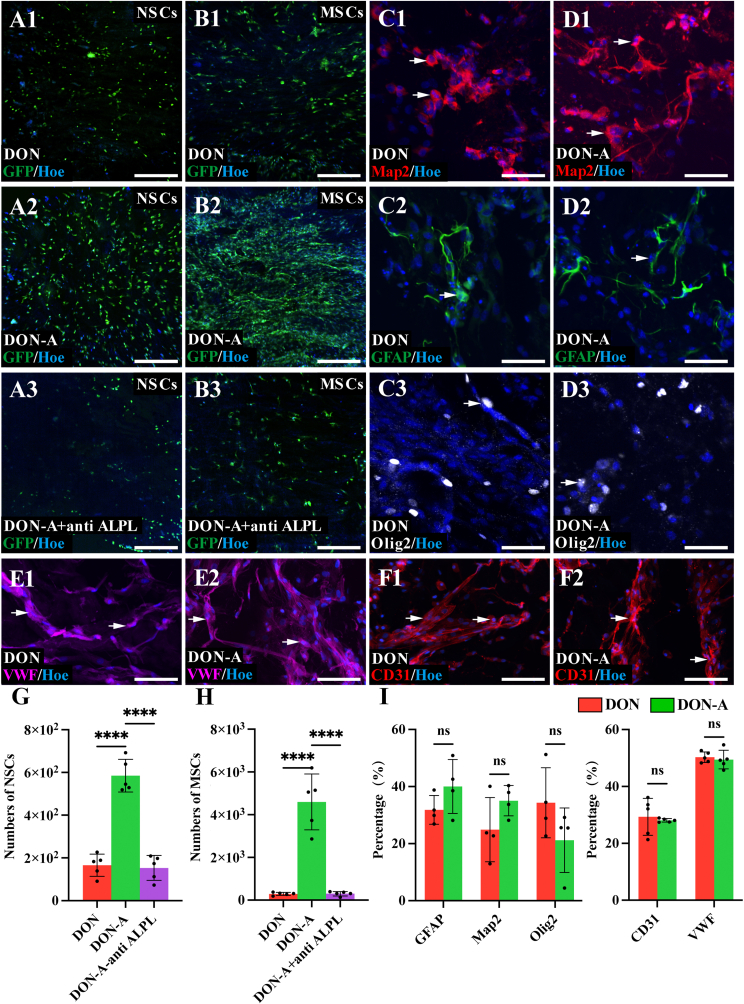 Figure 3
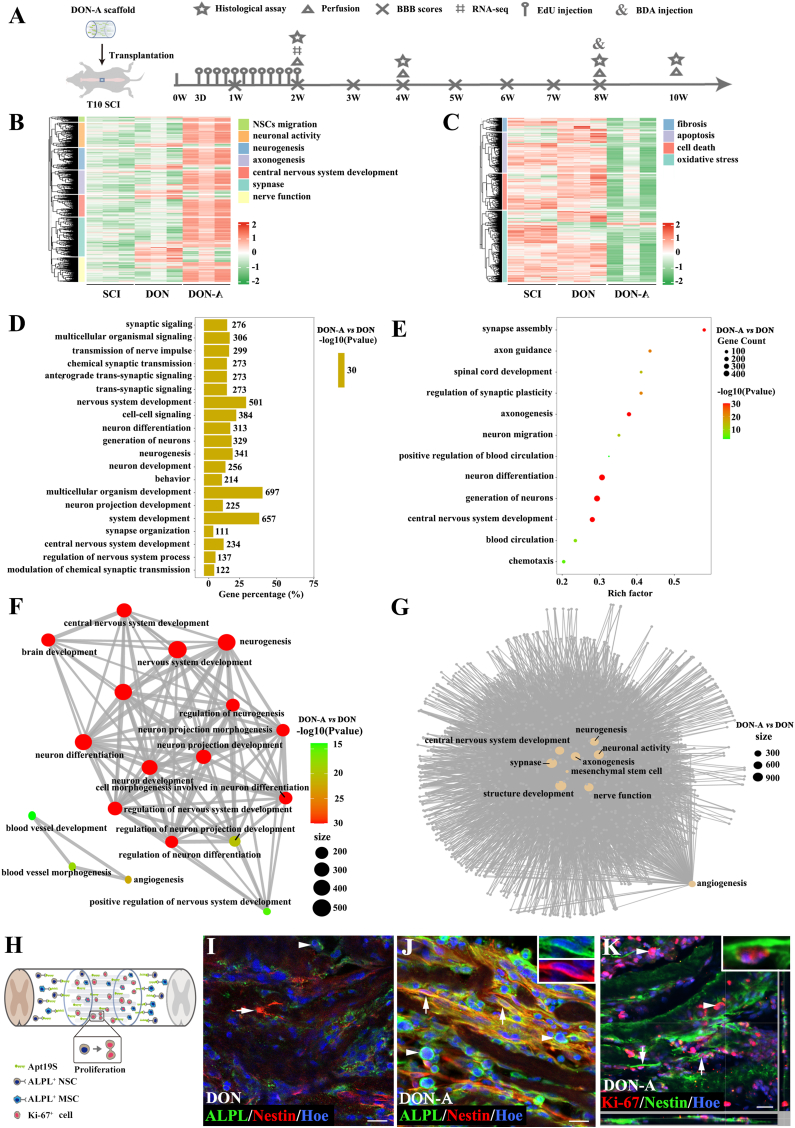 Figure 4
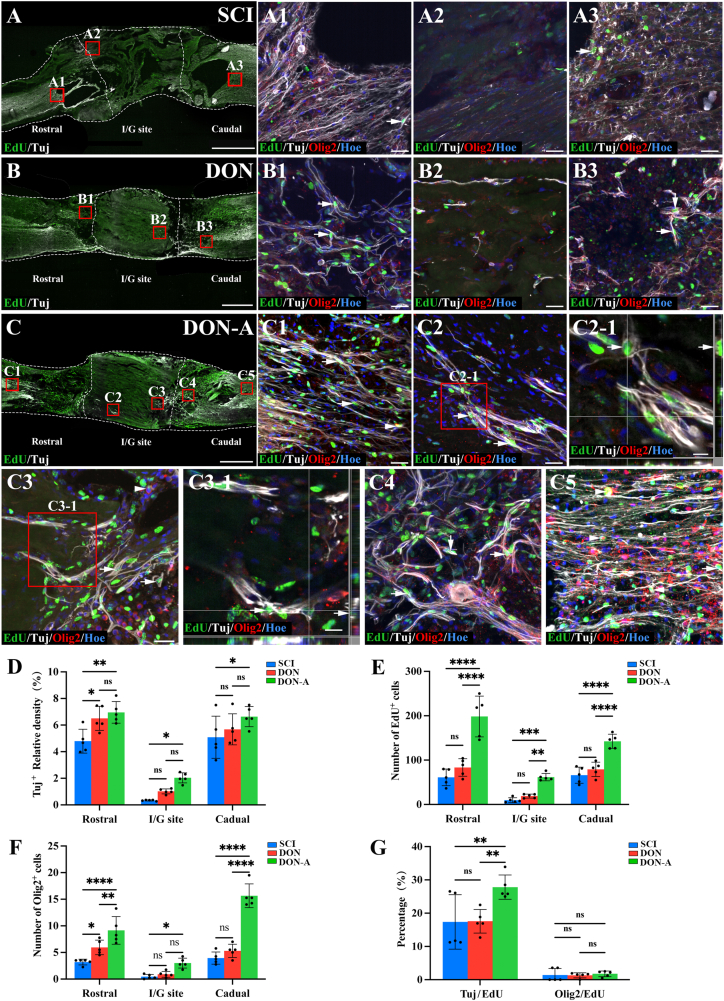 Figure 5
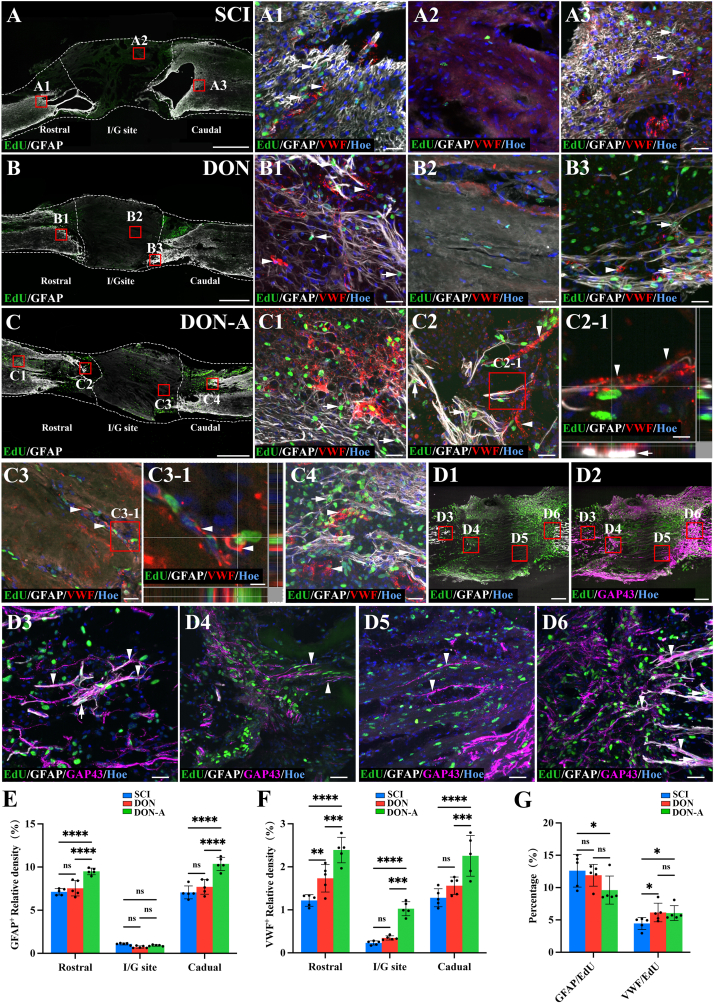 Figure 6
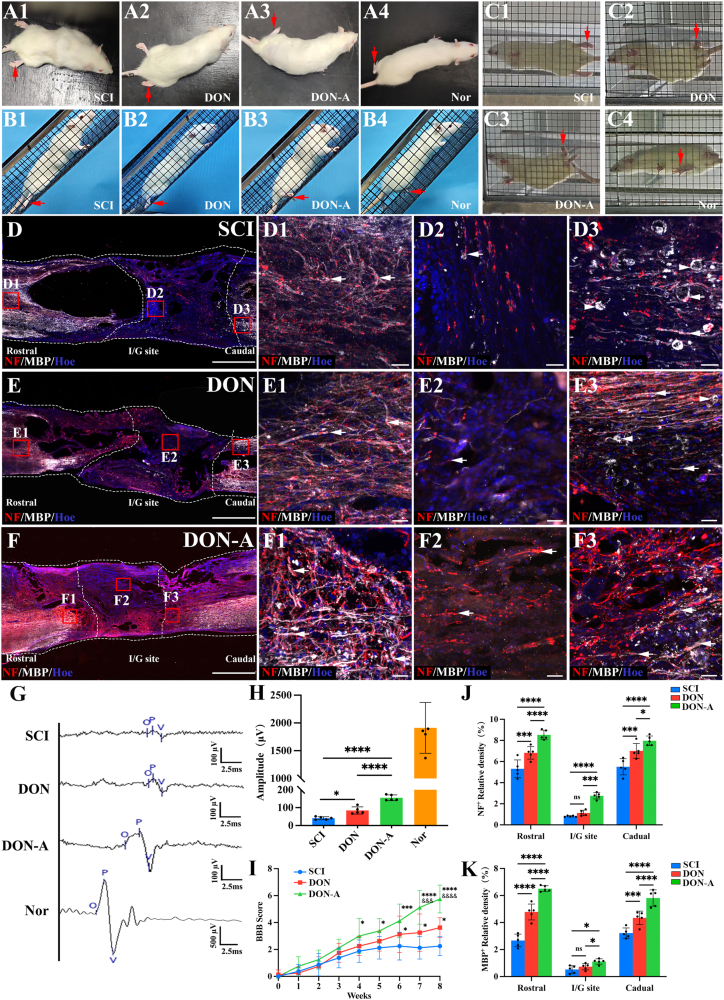 Figure 7
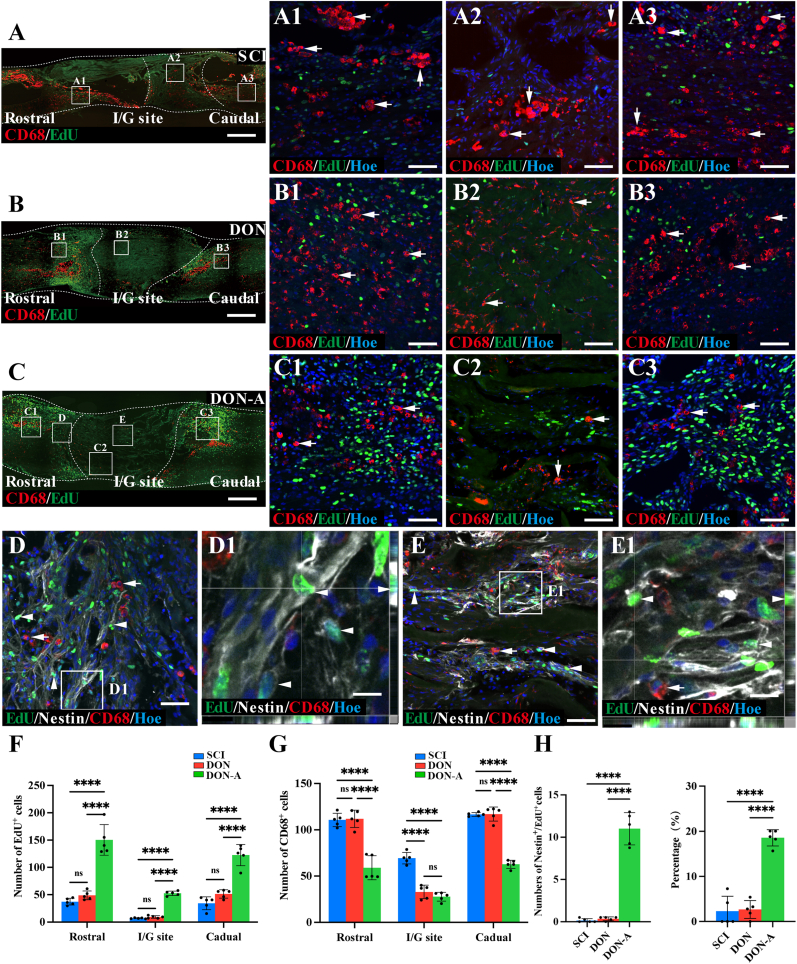 Figure 8
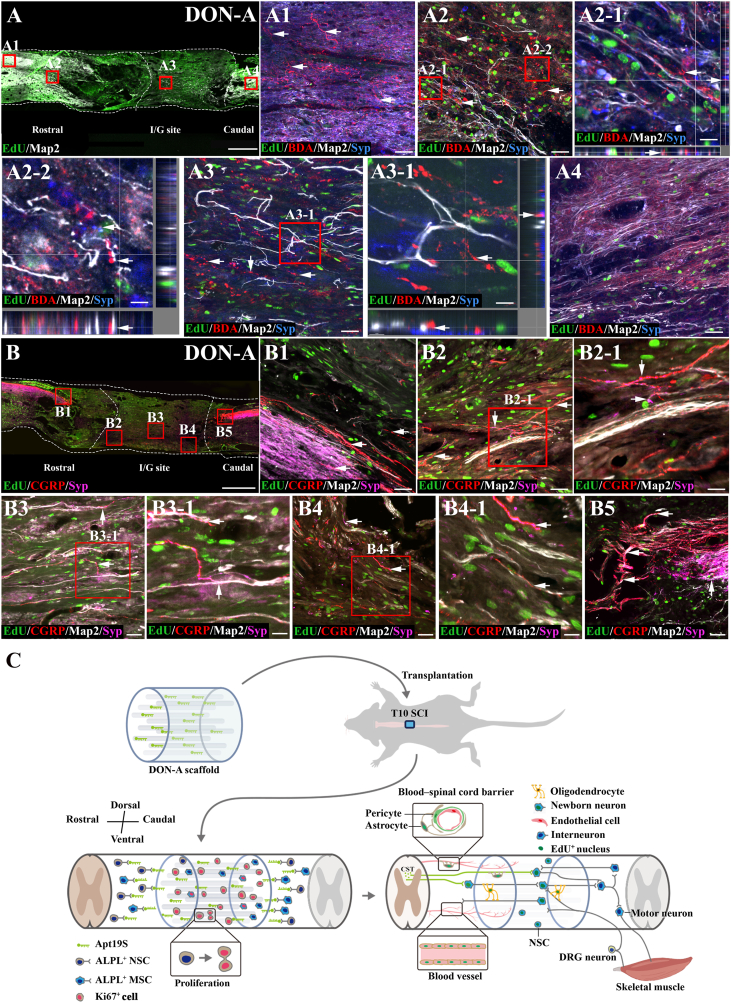 Figure 9
Peer Reviews
No public reviews on file for this paper yet. If you reviewed it on a platform where reviews are public (OpenReview, ICLR, NeurIPS, ICML), you can paste yours below so the community can read it here.
Videos
No videos yet. Explain this paper in a talk, walkthrough, or lecture? Add one.
Taxonomy
TopicsSpinal Cord Injury Research · Nerve injury and regeneration · Mesenchymal stem cell research