TransXLT: A novel ZTD prediction method with SASR-based data reconstruction
Shicheng Xie, Xuexiang Yu, Jiajia Yuan, Xu Yang, Mingfei Zhu, Yuchen Han, Min Wei, Zhongchen Guo

TL;DR
TransXLT is a new model that improves ZTD prediction accuracy by combining GNSS, ERA5, and GPT3 data with a novel missing data reconstruction method.
Contribution
The novel TransXLT model and SASR method improve ZTD prediction under data loss and complex weather conditions.
Findings
SASR reduces MAE by 24.5% compared to cubic Hermite interpolation for missing data.
TransXLT achieves an average RMSE of 8.13 mm, outperforming benchmarks by up to 76.54%.
ERA5-ZTD and station height are identified as key factors in ZTD prediction via SHAP analysis.
Abstract
Traditional Zenith Tropospheric Delay (ZTD) models often face difficulties in maintaining prediction accuracy under complex meteorological conditions and data loss. To address this, we propose the transformer-xLSTM (TransXLT) model, which integrates spatial-temporal information from global navigation satellite system (GNSS) stations, ERA5 (global atmospheric reanalysis), and GPT3 (empirical ZTD estimation). Missing data are reconstructed using a sparse attention-based time series reconstruction (SASR) method. Experimental results show: (1) under a 120-h data loss, SASR reduces mean absolute error (MAE) by 24.5% compared to cubic Hermite interpolation; (2) SASR lowers training root mean square error (RMSE) by 15.1% versus direct data deletion; and (3) TransXLT achieves an average RMSE of 8.13 mm across six sites, reducing RMSE by up to 76.54% compared to benchmarks like CNN-LSTM and…
Genes, proteins, chemicals, diseases, species, mutations and cell lines named across the full text — each resolved to its canonical identifier and authoritative record.
Click any figure to enlarge with its caption.
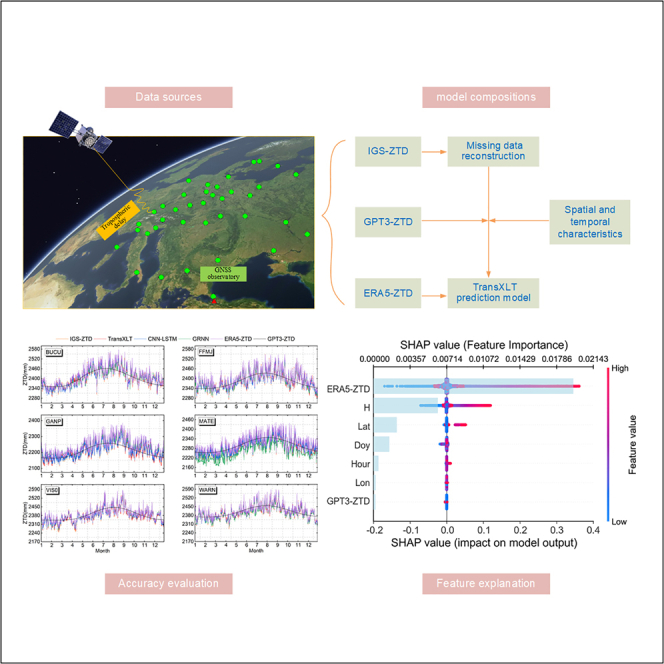 Figure 1
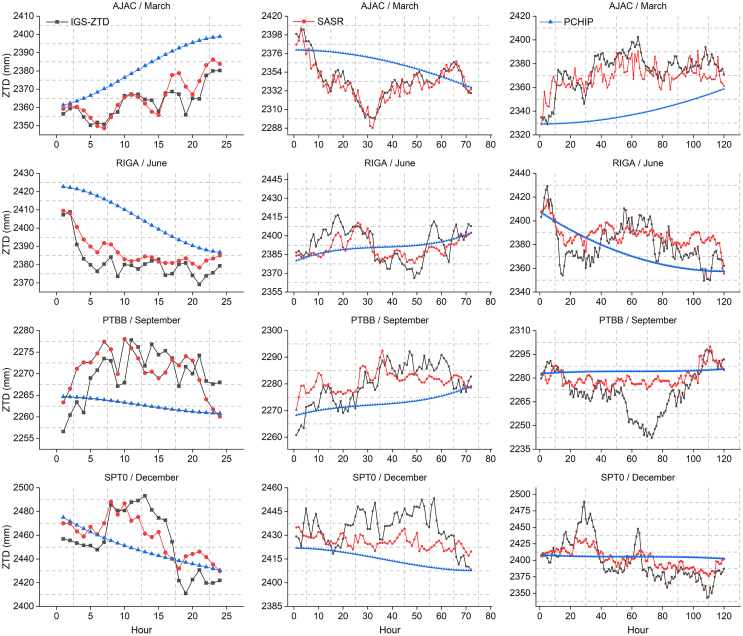 Figure 2
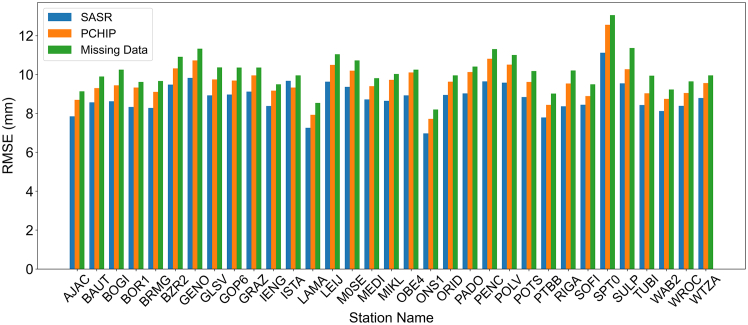 Figure 3
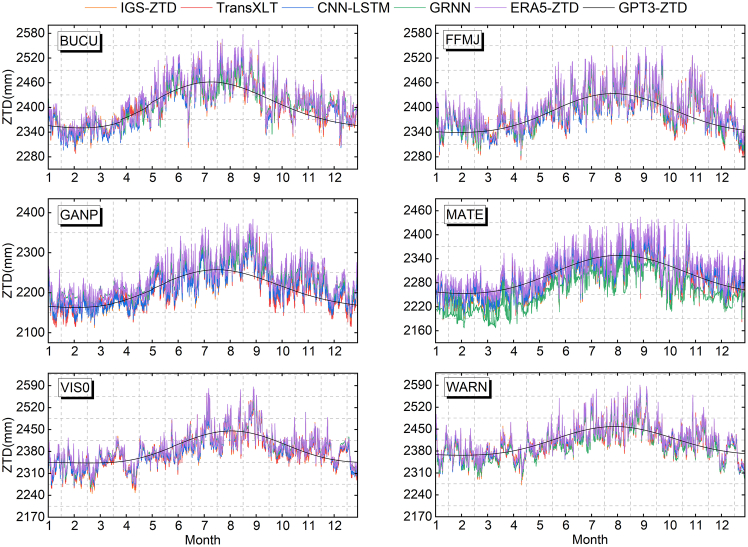 Figure 4
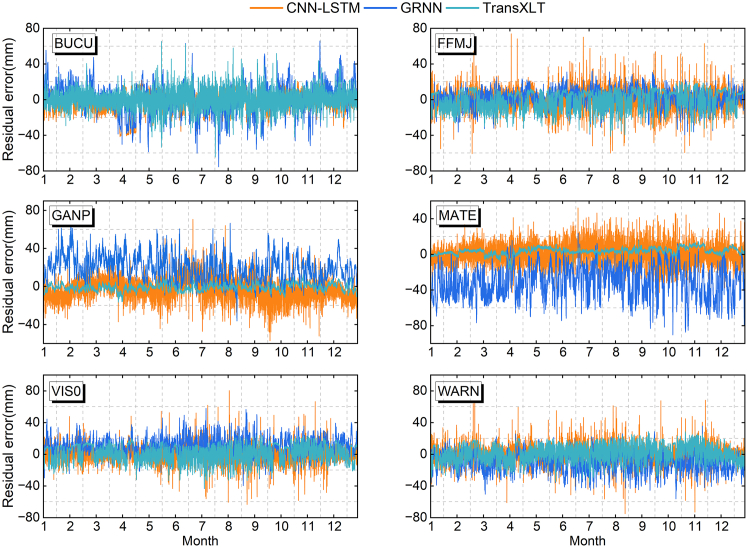 Figure 5
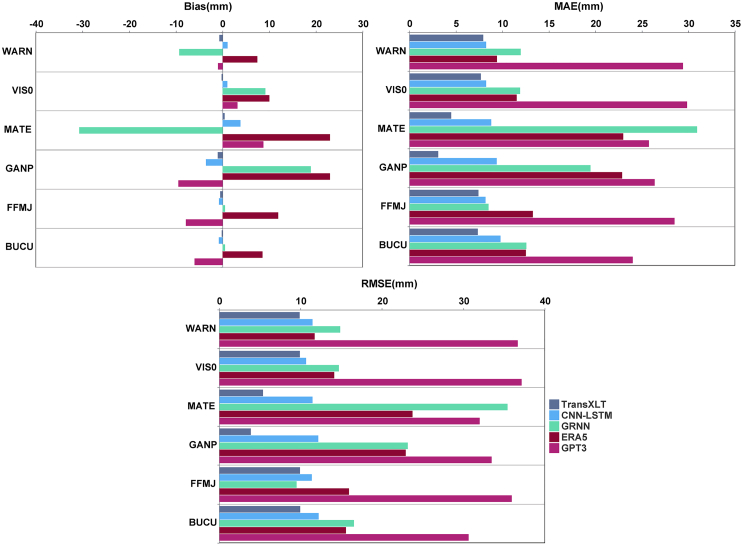 Figure 6
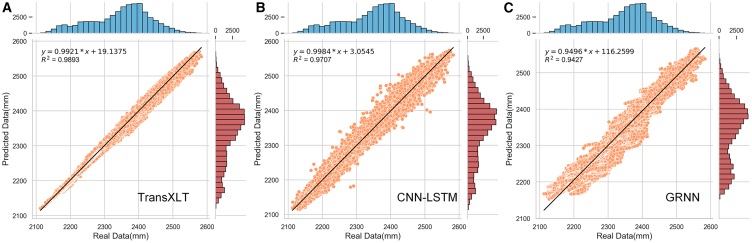 Figure 7
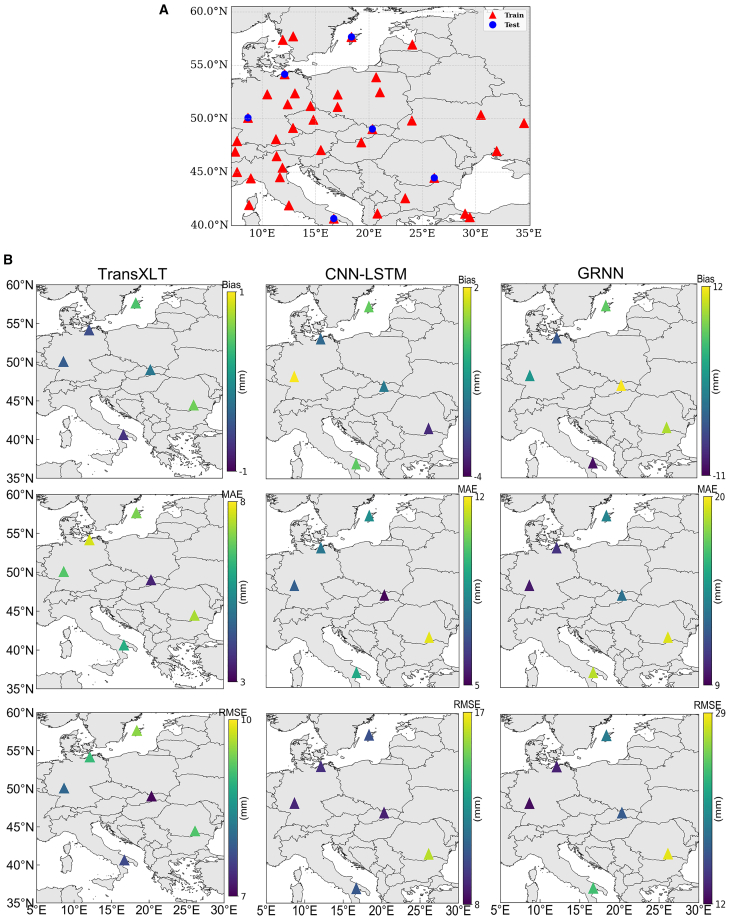 Figure 8
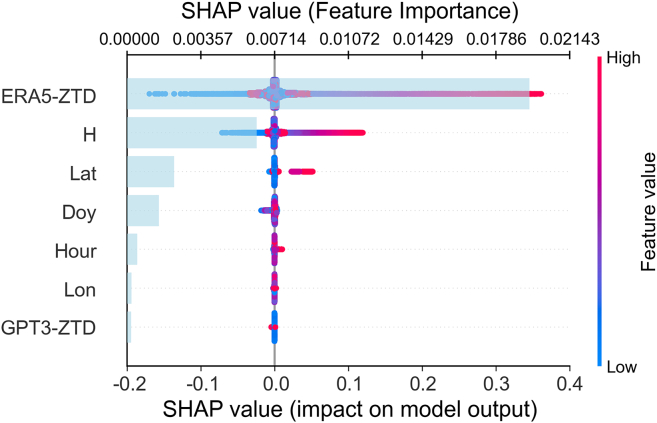 Figure 9
Peer Reviews
No public reviews on file for this paper yet. If you reviewed it on a platform where reviews are public (OpenReview, ICLR, NeurIPS, ICML), you can paste yours below so the community can read it here.
Videos
No videos yet. Explain this paper in a talk, walkthrough, or lecture? Add one.
Taxonomy
TopicsGeophysical Methods and Applications