Epitomic profiling and functional characteristics of pemphigus vulgaris autoantibody binding to keratinocyte M3 muscarinic acetylcholine receptor
Jorge Mauricio Reyes-Ruiz, Alex Chernyavsky, Sergei A. Grando, Charles Glabe

TL;DR
This study explores how autoantibodies in pemphigus vulgaris patients bind to a specific receptor on skin cells and cause different signaling effects.
Contribution
The paper identifies distinct epitopes and functional differences of anti-M3AR autoantibodies in pemphigus vulgaris.
Findings
Two types of anti-M3AR autoantibodies were found in PV patients, targeting different receptor sites.
Autoantibodies binding to the ACh-binding pocket caused strong signaling responses similar to full agonists.
Autoantibodies targeting allosteric sites produced weaker signaling responses like partial agonists.
Abstract
Patients with pemphigus vulgaris (PV) develop IgG autoantibodies (AuAbs) binding to keratinocyte desmogleins (Dsg), acetylcholine (ACh) receptors, mitochondrial proteins, and some other self-antigens. In this study, we identified linear and discontinuous peptide tetrameric epitope segments (ES) of M3 muscarinic ACh receptor (M3AR) targeted by different anti-M3AR AuAbs. As positive controls, we identified Dsg1 and Dsg3 ES targeted by PV sera. Healthy individuals also possessed natural antibodies targeting M3AR, Dsg1 and Dsg3 epitopes that were different from those targeted by AuAbs produced by patients with PV. The two targeted M3AR pentameric ES encompass the 10 amino acids-long epitope LSEPTITFGT included the tetramer TFGT containing Thr235 which is a part of the ACh-binding pocket. Previously, it has been demonstrated that the anti-M3AR AuAb produces an agonist-like effect on…
Genes, proteins, chemicals, diseases, species, mutations and cell lines named across the full text — each resolved to its canonical identifier and authoritative record.
Click any figure to enlarge with its caption.
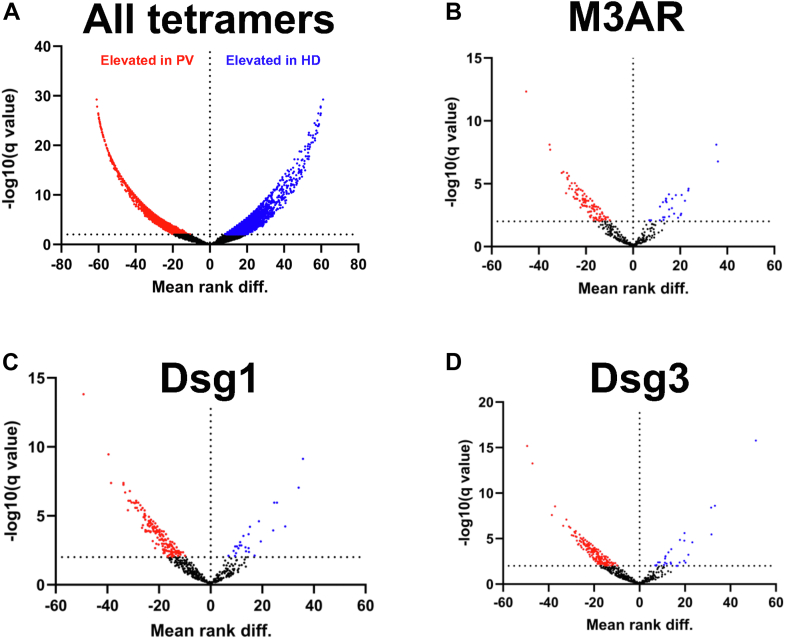 Figure 1
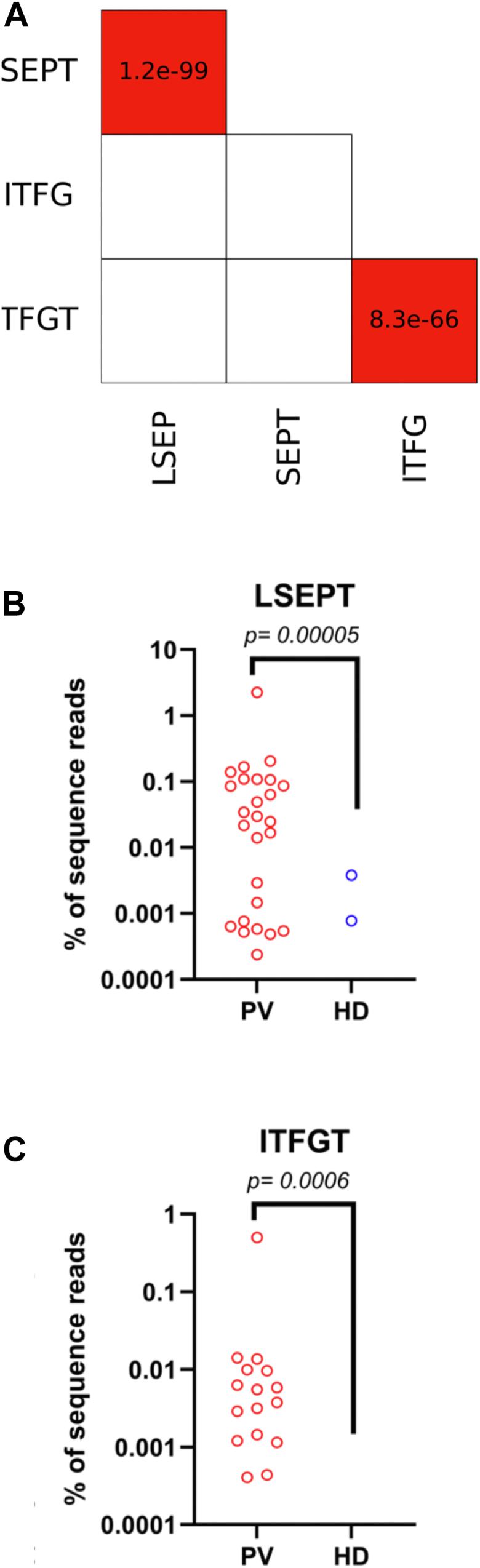 Figure 2
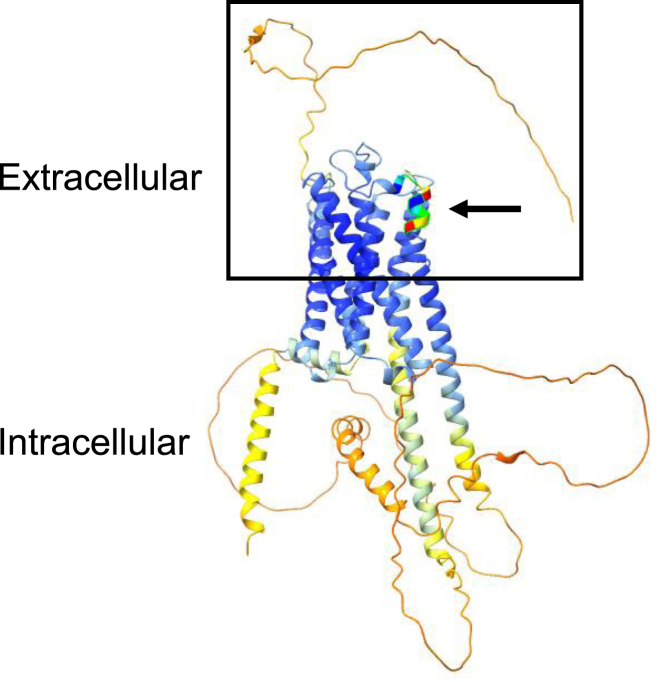 Figure 3
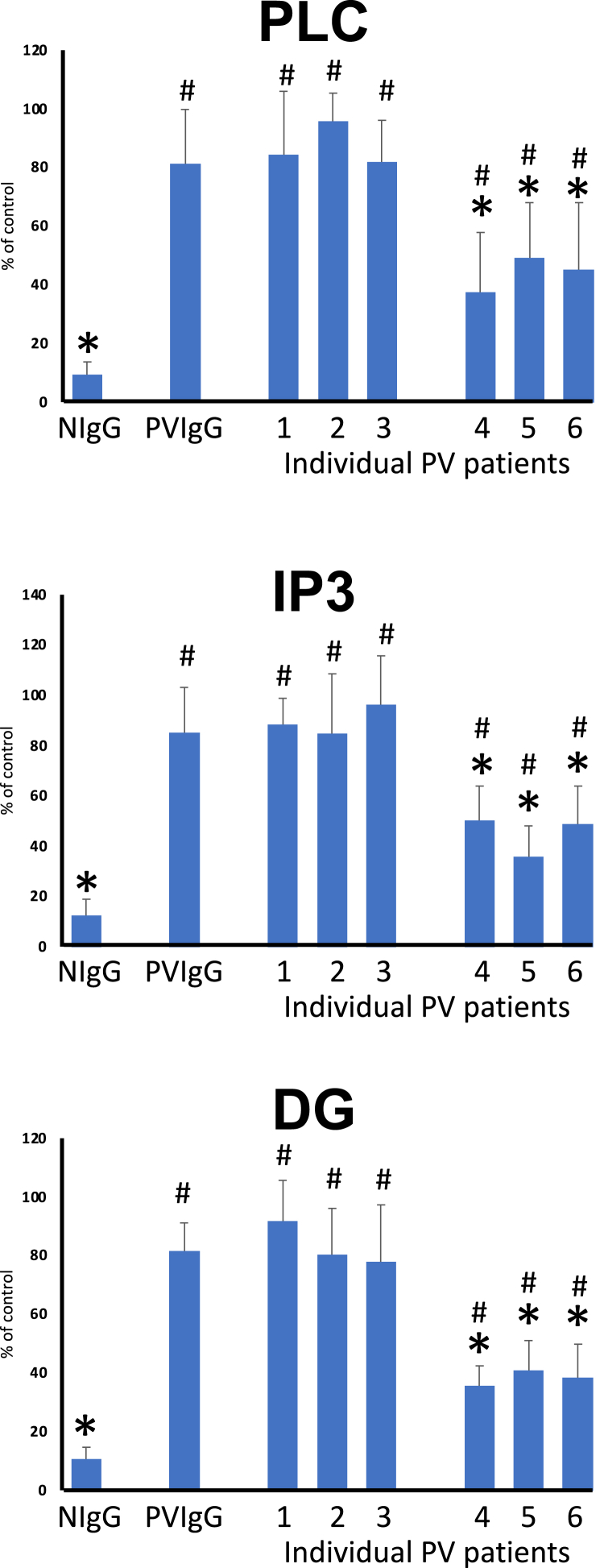 Figure 4
Peer Reviews
No public reviews on file for this paper yet. If you reviewed it on a platform where reviews are public (OpenReview, ICLR, NeurIPS, ICML), you can paste yours below so the community can read it here.
Videos
No videos yet. Explain this paper in a talk, walkthrough, or lecture? Add one.
Taxonomy
TopicsAutoimmune Bullous Skin Diseases · Coagulation, Bradykinin, Polyphosphates, and Angioedema · Urticaria and Related Conditions