Functionalized gold nanoflowers on carbon screen-printed electrodes: an electrochemical platform for biosensing hemagglutinin protein of influenza A H1N1 virus
Carlos Enrique Torres-Méndez, Sharmilee Nandi, Klara Martinovic, Patrizia Kühne, Yifan Liu, Sam Taylor, Maria Lysandrou, Maria Ines Berrojo Romeyro Mascarenhas, Viktoria Langwallner, Javier Enrique Sebastián Alonso, Ivana Jovanovic, Maike Lüftner, Georgia-Vasiliki Gkountana

TL;DR
A new electrochemical biosensor was developed to detect the H1 protein of the influenza A H1N1 virus using gold nanoflowers on carbon electrodes.
Contribution
The use of gold nanoflowers and 4-aminothiophenol functionalization significantly enhances biosensing performance for H1 detection.
Findings
The biosensor achieved a detection limit of 19 pg/mL for H1 in artificial saliva.
Functionalization with 4-aminothiophenol reduced charge transfer resistance by 100-fold.
The biosensor remained stable when integrated with an automated microfluidics system.
Abstract
An electrochemical biosensor based on modified carbon screen-printed electrodes was developed for the detection of hemagglutinin of influenza A H1N1 virus (H1). Gold nanoflowers were electrodeposited on the electrode to increase conductivity and surface area. The electrochemical signal was amplified by functionalization of the gold nanoflowers with 4-aminothiophenol, which resulted in a 100-fold decrease of the charge transfer resistance due to a tunneling effect. Subsequently, monoclonal antibodies against H1 were immobilized on the surface via covalent amide bond formation, followed by blocking with bovine serum albumin to minimize nonspecific hydrophobic binding. The electrodes were characterized by cyclic voltammetry and electrochemical impedance spectroscopy experiments in the presence of [Fe(CN)6]3−/4−. Differential pulse voltammetry was used to measure the change in current…
Genes, proteins, chemicals, diseases, species, mutations and cell lines named across the full text — each resolved to its canonical identifier and authoritative record.
Click any figure to enlarge with its caption.
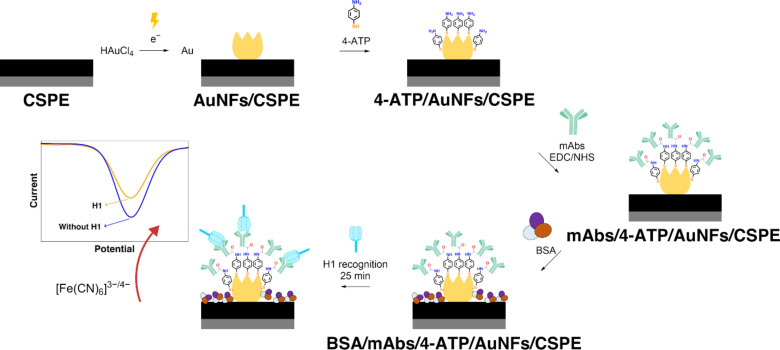 Figure 1
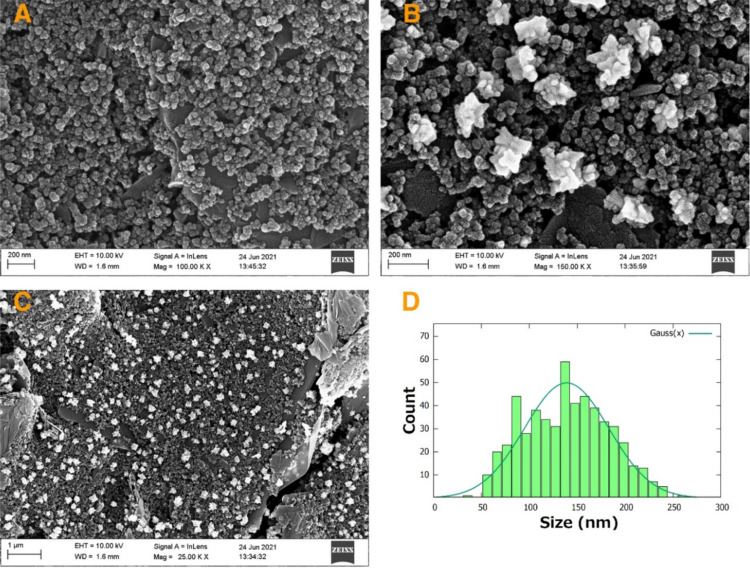 Figure 2
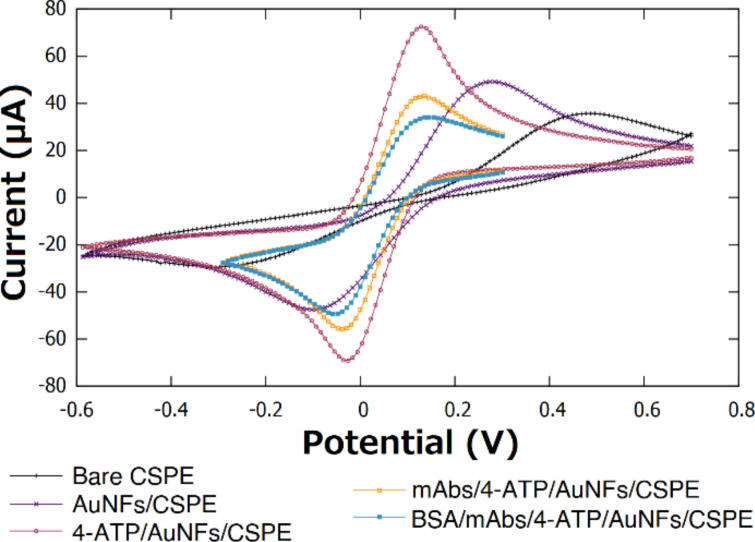 Figure 3
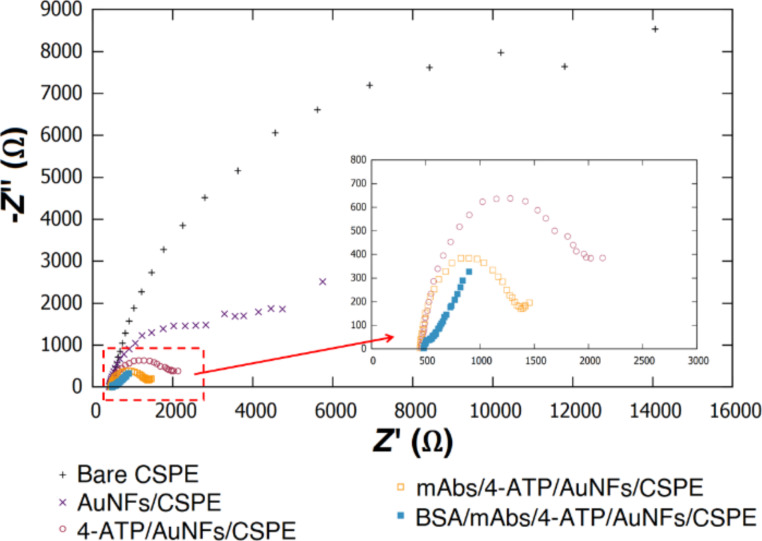 Figure 4
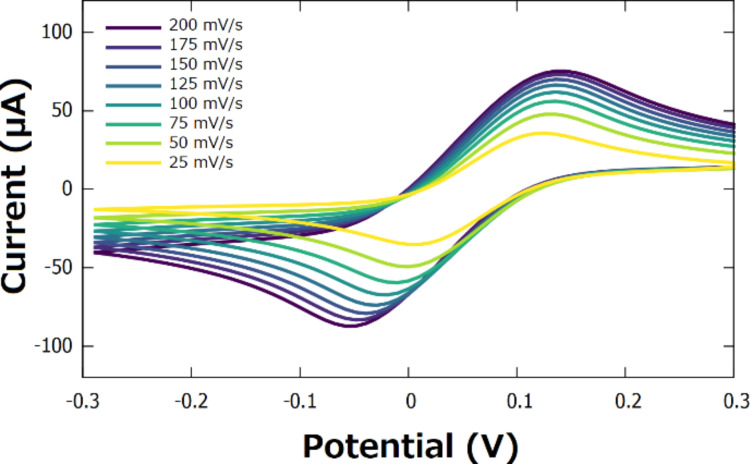 Figure 5
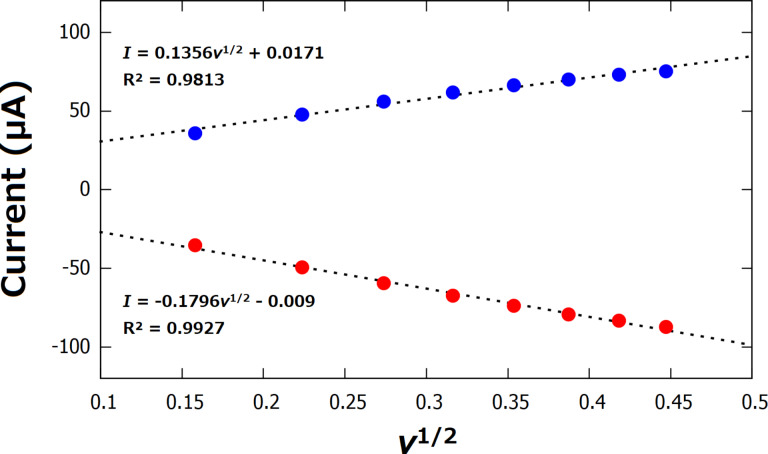 Figure 6
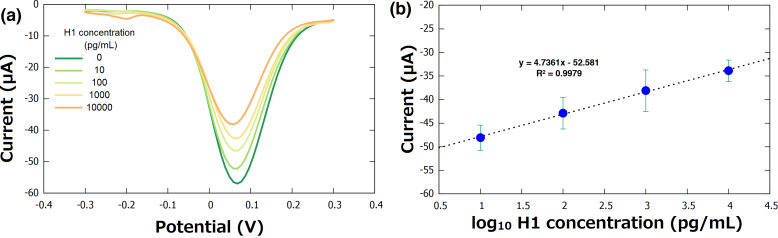 Figure 7
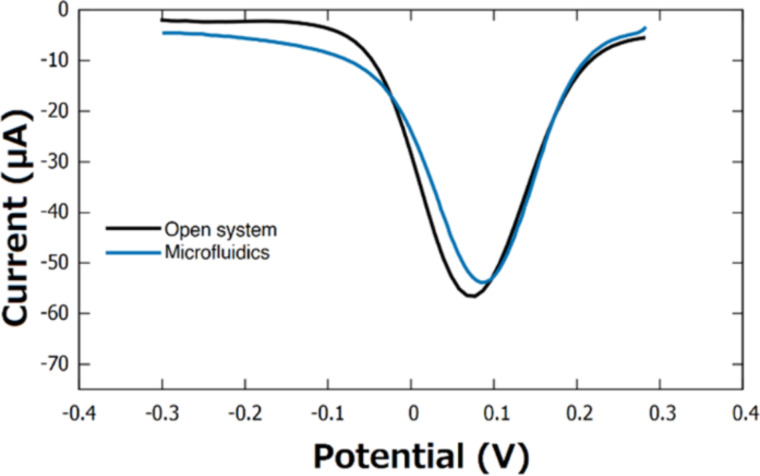 Figure 8
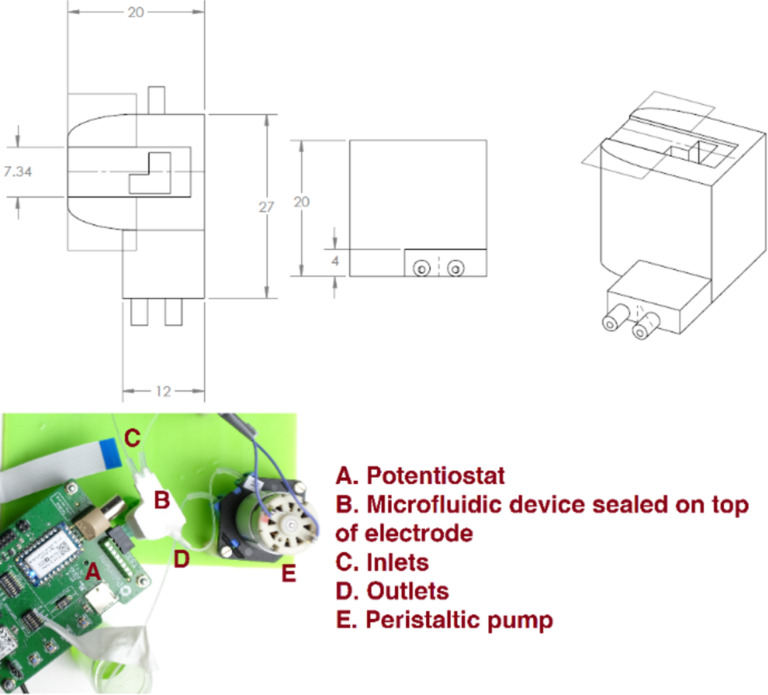 Figure 9
Peer Reviews
No public reviews on file for this paper yet. If you reviewed it on a platform where reviews are public (OpenReview, ICLR, NeurIPS, ICML), you can paste yours below so the community can read it here.
Videos
No videos yet. Explain this paper in a talk, walkthrough, or lecture? Add one.
Taxonomy
TopicsAdvanced biosensing and bioanalysis techniques · Biosensors and Analytical Detection · Advanced Biosensing Techniques and Applications