Development of Antisense Tools to Study Bodo saltans and Its Intracellular Symbiont
Mastaneh Ahrar, Lorna Glenn, Marie Held, Andrew Jackson, Krzysztof Kus, Gregory D. D. Hurst, Ewa Chrostek

TL;DR
This study shows that antisense inhibition cannot be used to study gene functions in the symbiotic relationship between Bodo saltans and its bacterial partner.
Contribution
The paper demonstrates the infeasibility of antisense inhibition in this aquatic symbiosis and provides alternative protocols for study.
Findings
Antisense inhibition is not feasible in Bodo saltans and its symbiont due to the holobiont feeding on the antisense molecules.
The study developed protocols to investigate the biology of Bodo saltans and its microbial associates.
The symbiosis increases in numbers when treated with antisense constructs, making the method ineffective.
Abstract
Obligate symbioses are common in nature and present a particular challenge for functional genetic analysis. In many cases, the host is a non‐model species with poor tools for genetic manipulation, and the symbiont cannot be cultured or its gene expression manipulated to investigate function. Here, we investigated the potential for using antisense inhibition to analyze host and symbiont gene function within an obligate aquatic symbiosis. We focused on the kinetoplastid host Bodo saltans and its bacterial symbiont, Candidatus Bodocaedibacter vickermanii, a member of Rickettsiales. We conclude that antisense inhibition is not feasible in the Bodo saltans and its symbiont, as the holobiont feeds on the antisense molecules—and increases in numbers—upon treatment with the antisense construct. Although our approach has proven unsuccessful, we have developed an array of protocols that can be…
Genes, proteins, chemicals, diseases, species, mutations and cell lines named across the full text — each resolved to its canonical identifier and authoritative record.
Click any figure to enlarge with its caption.
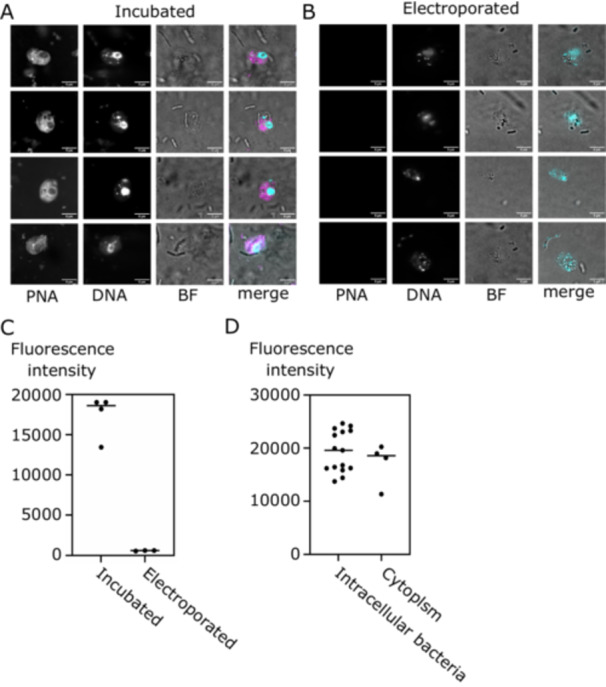 Figure 1
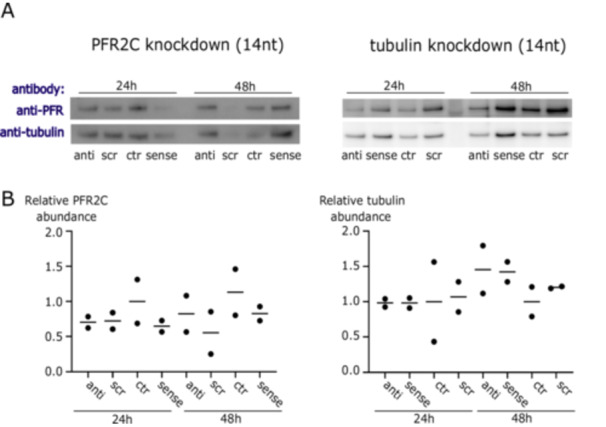 Figure 2
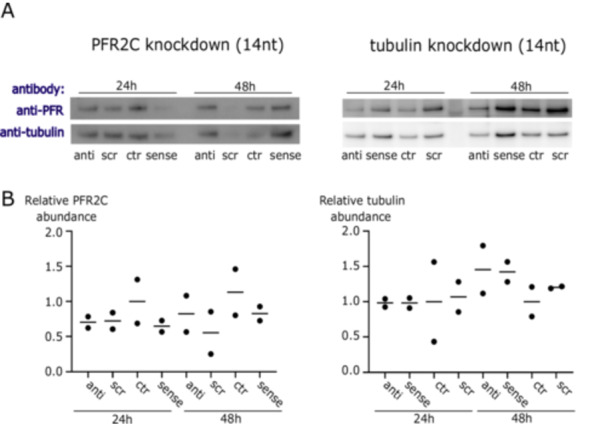 Figure 3
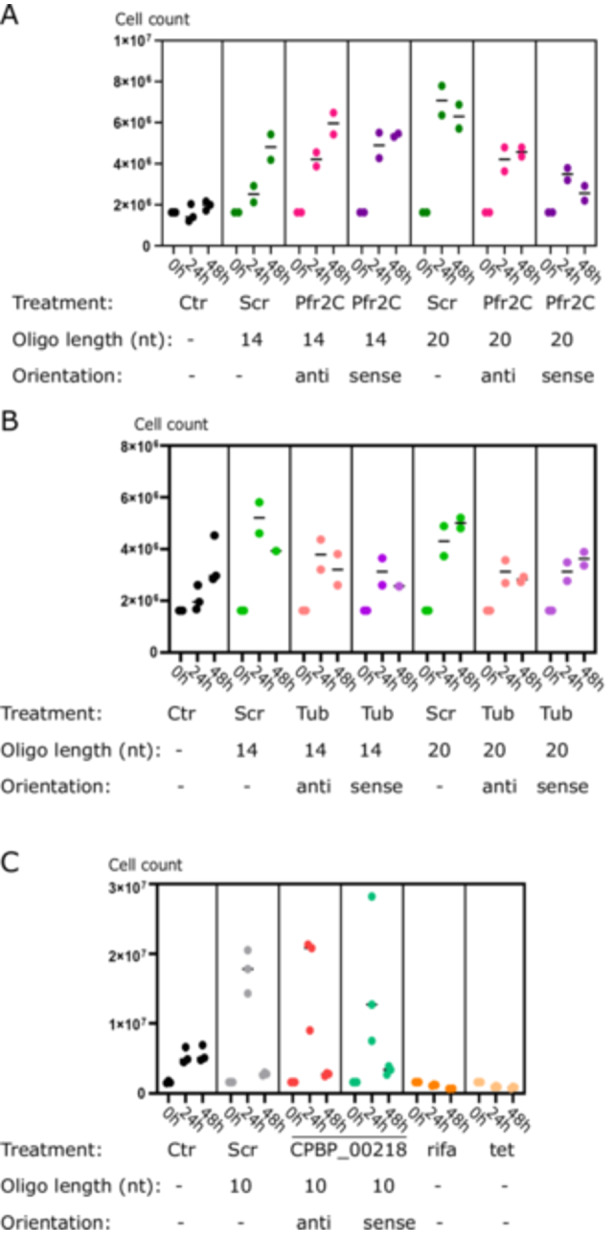 Figure 4
Peer Reviews
No public reviews on file for this paper yet. If you reviewed it on a platform where reviews are public (OpenReview, ICLR, NeurIPS, ICML), you can paste yours below so the community can read it here.
Videos
No videos yet. Explain this paper in a talk, walkthrough, or lecture? Add one.
Taxonomy
TopicsInsect symbiosis and bacterial influences · Insect and Pesticide Research · Insect-Plant Interactions and Control