A meta‐analysis of the effectiveness and safety of endoscopic ultrasound‐guided choledochoduodenostomy employing electrocautery‐enhanced lumen‐apposing metal stents for biliary drainage after failed endoscopic retrograde cholangiopancreatography
Safiya Ibnawadh, Abdulrahman Alfadda, Abdulrahman Ibnawadh

TL;DR
This study evaluates the effectiveness and safety of a new endoscopic procedure using metal stents for biliary drainage when traditional methods fail.
Contribution
The study provides a meta-analysis of electrocautery-enhanced lumen-apposing metal stents for endoscopic ultrasound-guided choledochoduodenostomy.
Findings
The overall technical success rate of the procedure was 94.3%.
The overall clinical success rate was 94.9%.
Adverse events occurred in 5.1% early and 10.8% late cases.
Abstract
Endoscopic ultrasound‐biliary drainage and choledochoduodenostomy (EUS‐CDD) are increasingly being used as alternative procedures for biliary drainage in patients in whom endoscopic retrograde cholangiopancreatography fails. Novel electrocautery‐enhanced lumen‐apposing metal stents (EC‐LAMS) are expected to be widely used for EUS‐CDD. We performed a systematic review and meta‐analysis to evaluate the technical and clinical success of EUS‐CDD using EC‐LAMS. We performed a comprehensive search of several databases from inception to May 2022 to search for relevant studies on the effectiveness and safety of endoscopic ultrasound‐guided biliary drainage using EC‐LAMS. The pooled rates of technical success, clinical success, and early and late adverse events were calculated. Ten studies with a total of 481 patients were included in this analysis. The overall technical success rate was…
Genes, proteins, chemicals, diseases, species, mutations and cell lines named across the full text — each resolved to its canonical identifier and authoritative record.
Click any figure to enlarge with its caption.
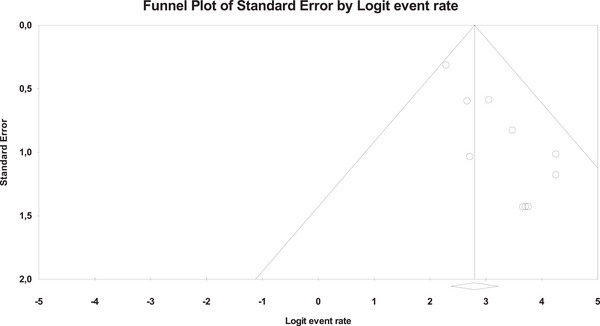 Figure 1
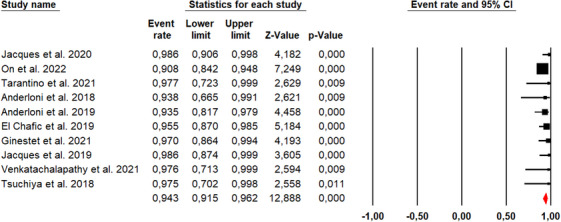 Figure 2
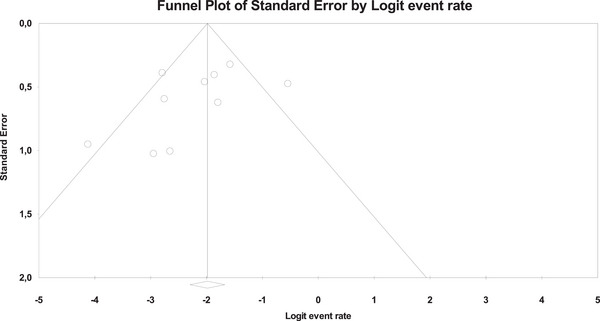 Figure 3
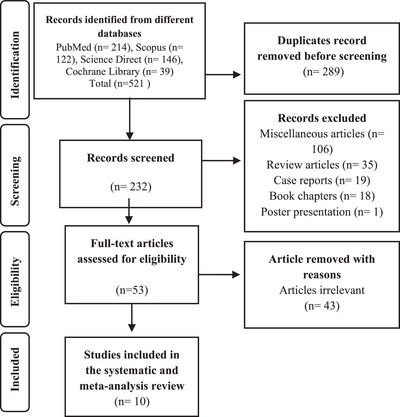 Figure 4
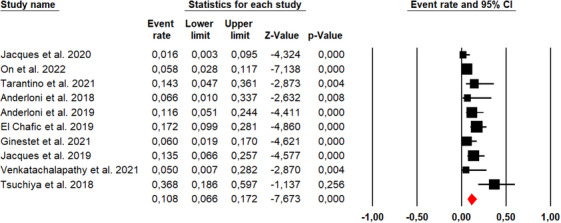 Figure 5
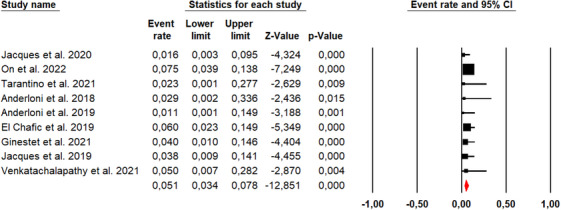 Figure 6
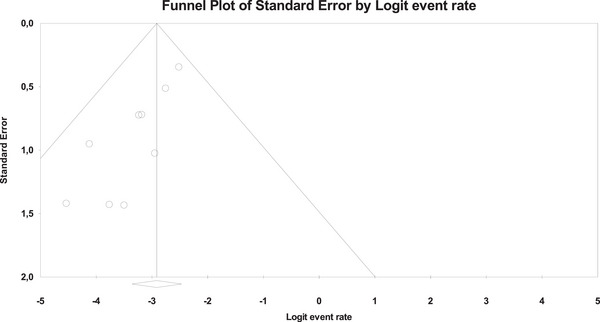 Figure 7
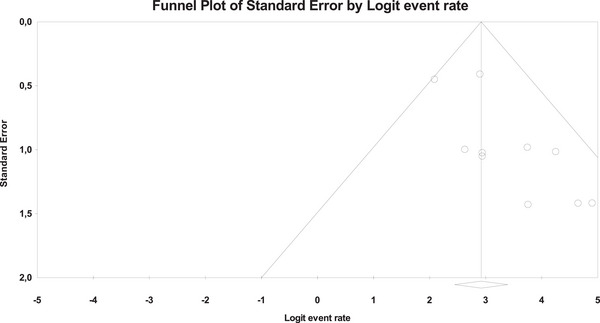 Figure 8
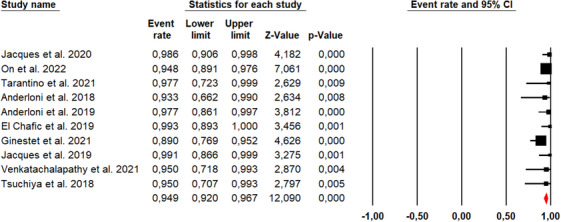 Figure 9
Peer Reviews
No public reviews on file for this paper yet. If you reviewed it on a platform where reviews are public (OpenReview, ICLR, NeurIPS, ICML), you can paste yours below so the community can read it here.
Videos
No videos yet. Explain this paper in a talk, walkthrough, or lecture? Add one.
Taxonomy
TopicsGallbladder and Bile Duct Disorders · Pediatric Hepatobiliary Diseases and Treatments · Esophageal and GI Pathology