Establishment of a pseudovirus neutralization assay for TGEV
Haojie Wang, Jianxing Chen, Lihong Xue, Yue Sun, Tongqing An, Yue Wang, Hongyan Chen, Changqing Yu, Changyou Xia, He Zhang

TL;DR
Researchers developed a new, efficient test to detect antibodies against TGEV, a virus that causes disease in pigs, improving vaccine evaluation.
Contribution
A novel pseudovirus-based neutralization assay for TGEV was established, offering improved sensitivity and specificity over traditional methods.
Findings
The pseudovirus-based neutralization test (pNT) achieved 100% sensitivity and 96.6% specificity.
The pNT showed no cross-reactivity with other swine viruses like PEDV and PDCoV.
The pNT method effectively tracked antibody changes after TGEV vaccination.
Abstract
Transmissible Gastroenteritis Virus (TGEV) is a major pathogen causing swine enteric diseases, necessitating effective control strategies. Vaccination plays a key role, but assessing vaccine efficacy remains challenging due to variations in immune response and existing detection limitations. Current antibody detection methods, such as neutralization assays and ELISA, are often subjective, labor-intensive, and time-consuming, highlighting the need for a more efficient evaluation approach. The TGEV S gene was amplified and inserted into the eukaryotic vector PM2.G-ΔG-HA to construct the recombinant plasmid PM2.G-ΔG-TGEV-S-HA. Transfecting ST cells with this plasmid, followed by infection with G*VSV-GFP/LUC, successfully produced TGEV P0 pseudoviruses. Western blot and electron microscopy confirmed the presence of TGEV S and VSV N proteins and the distinct pseudovirus morphology.…
Genes, proteins, chemicals, diseases, species, mutations and cell lines named across the full text — each resolved to its canonical identifier and authoritative record.
Click any figure to enlarge with its caption.
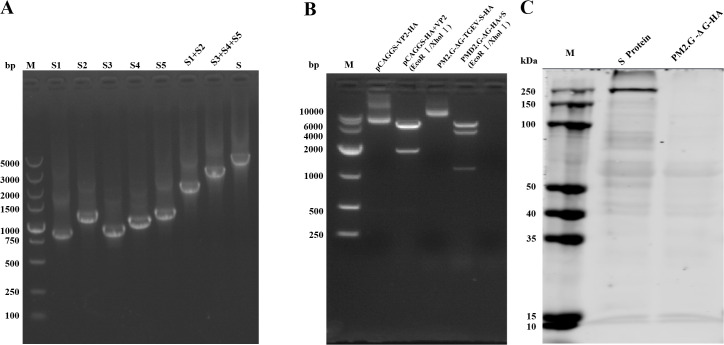 Figure 1
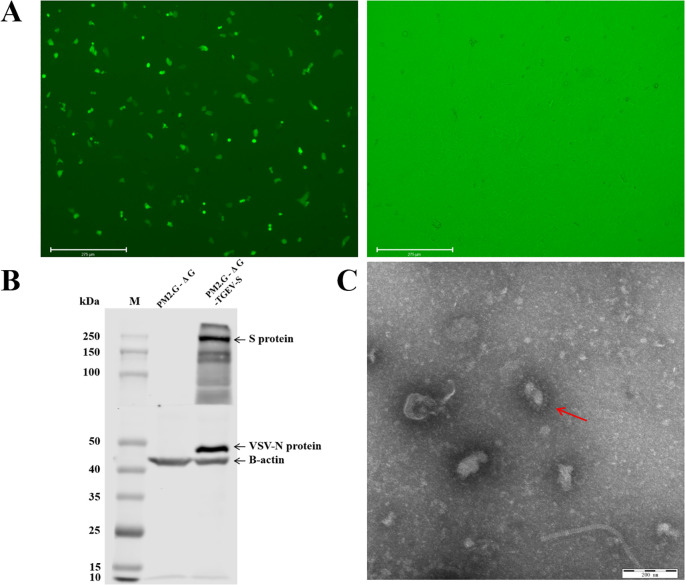 Figure 2
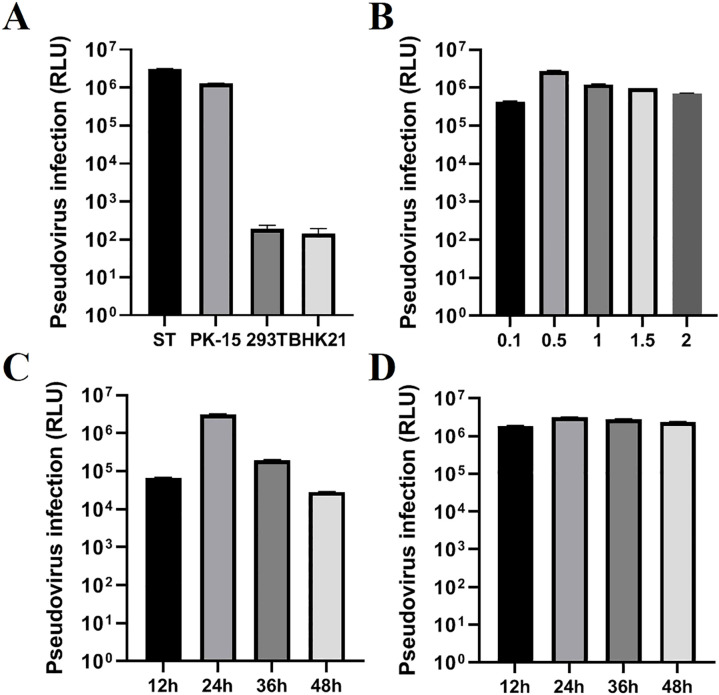 Figure 3
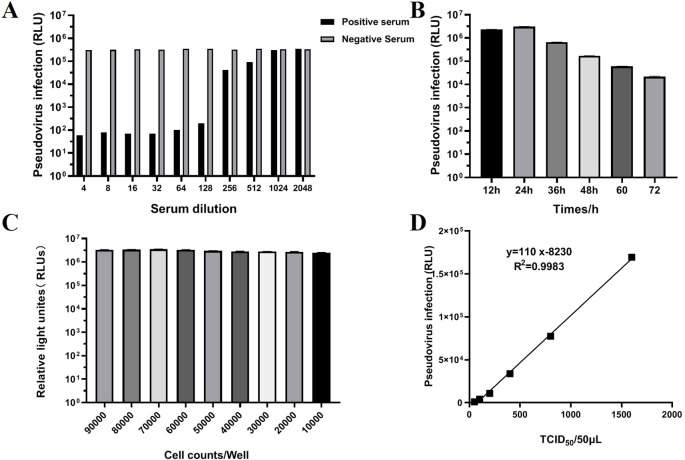 Figure 4
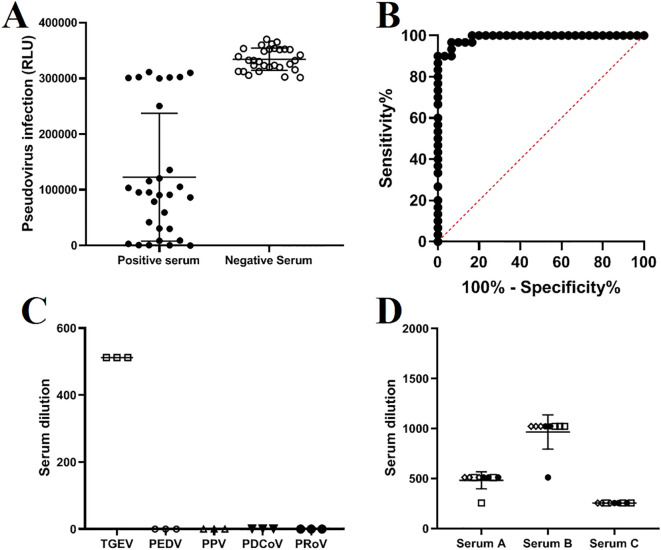 Figure 5
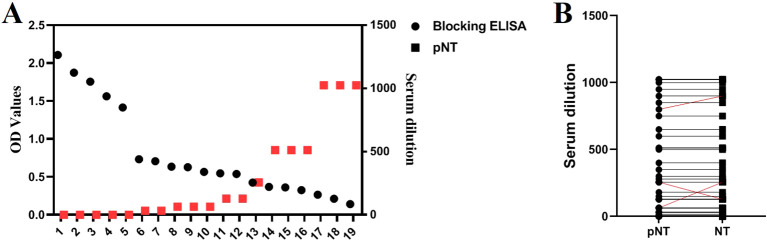 Figure 6
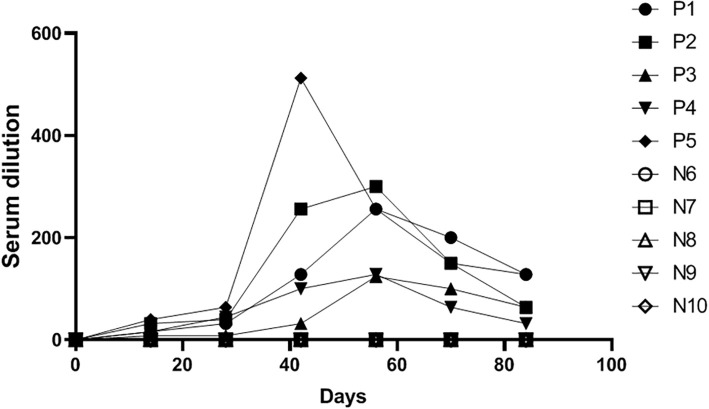 Figure 7
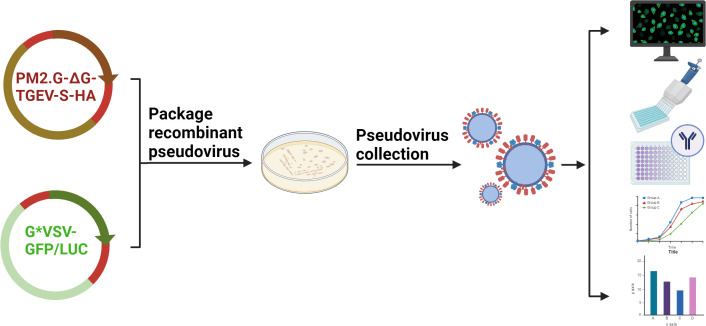 Figure 8
Peer Reviews
No public reviews on file for this paper yet. If you reviewed it on a platform where reviews are public (OpenReview, ICLR, NeurIPS, ICML), you can paste yours below so the community can read it here.
Videos
No videos yet. Explain this paper in a talk, walkthrough, or lecture? Add one.
Taxonomy
TopicsVirus-based gene therapy research · Cytomegalovirus and herpesvirus research · Respiratory viral infections research