A novel, major, and validated QTL for grain zinc concentration independent of yield traits in tetraploid wheat
Zhaoyong Zeng, Jian Ma, Bingjie Chen, Huaping Tang, Xin Xian, Yuanfeng Huo, Yinggang Xu, Xiaoyan Tang, Xuesong Gao, Guangdeng Chen

TL;DR
This study identifies a new genetic region in tetraploid wheat that increases grain zinc without affecting yield traits, offering a tool for improving wheat nutrition.
Contribution
A novel and stable QTL for grain zinc concentration in tetraploid wheat, independent of yield traits, is identified and validated.
Findings
A major QTL, QGrZnc.sau-AM-4A, was detected across all environments and explained 12.31%–30.50% of phenotypic variance.
The QTL had no significant impact on key agronomic traits, indicating no dilution effects.
A KASP marker linked to the QTL was developed and validated for use in marker-assisted selection.
Abstract
Zinc deficiency is a critical global health issue, with declining grain zinc concentration (GrZnc) over time. To address this, it is essential to explore and utilize genetic resources from wild relatives to enhance GrZnc in cultivated bread wheat (Triticum aestivum L.). This study aimed to identify quantitative trait loci (QTL) for GrZnc using a recombinant inbred line population (AM population), derived from a cross between the Sichuan‐endemic tetraploid wheat Ailanmai and wild emmer accession LM001. A linkage map was constructed based on the wheat 55K single‐nucleotide polymorphism array, and phenotypic data were collected from five different environments. Four QTL for GrZnc were identified, spanning three chromosomal regions. Notably, a novel and stable QTL, QGrZnc.sau‐AM‐4A, was detected in all environments and the best linear unbiased prediction dataset. This QTL, with LOD values…
Genes, proteins, chemicals, diseases, species, mutations and cell lines named across the full text — each resolved to its canonical identifier and authoritative record.
Click any figure to enlarge with its caption.
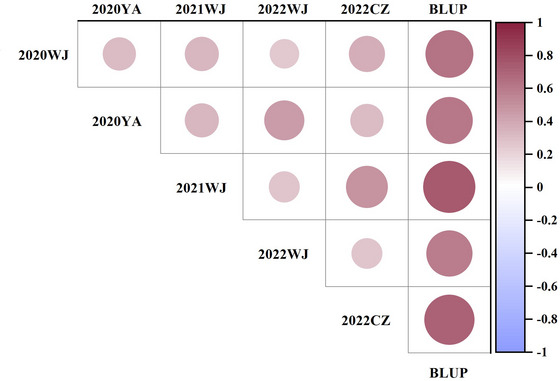 Figure 1
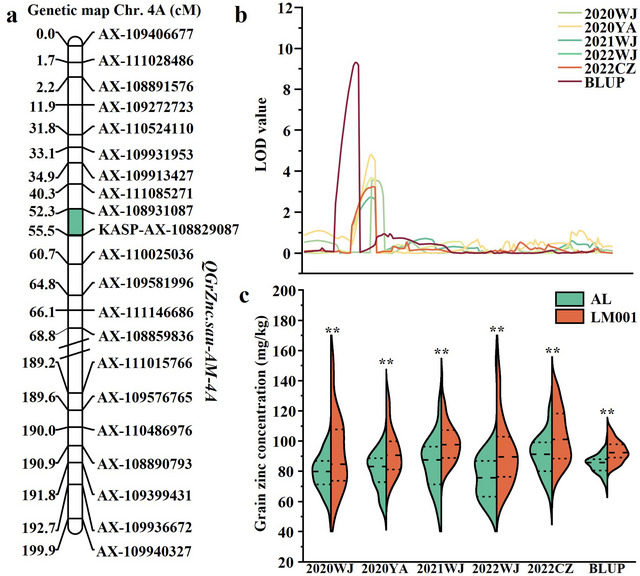 Figure 2
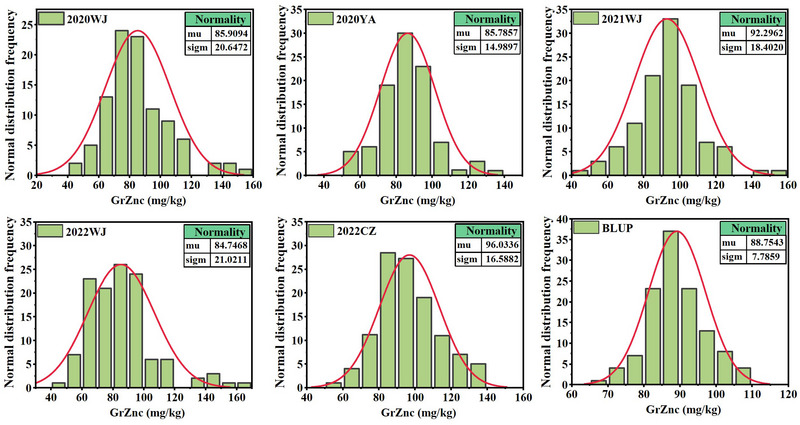 Figure 3
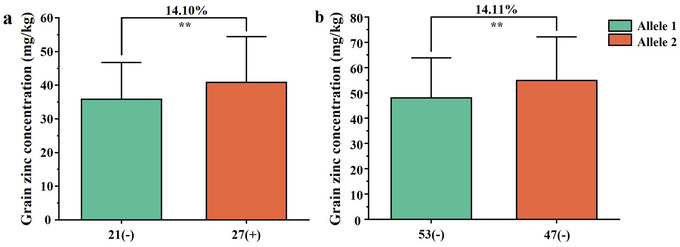 Figure 4
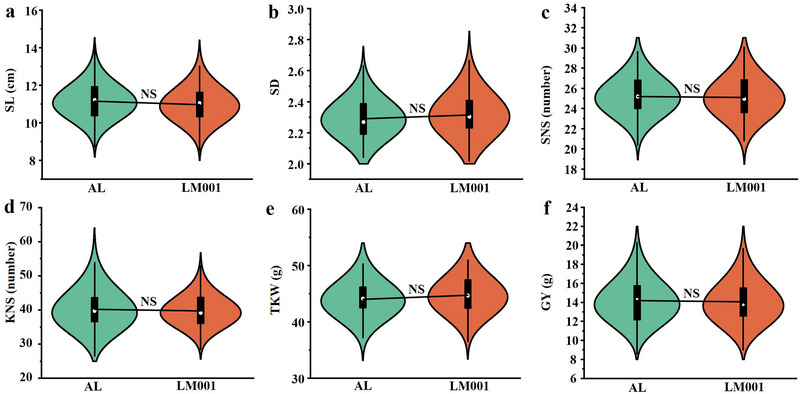 Figure 5
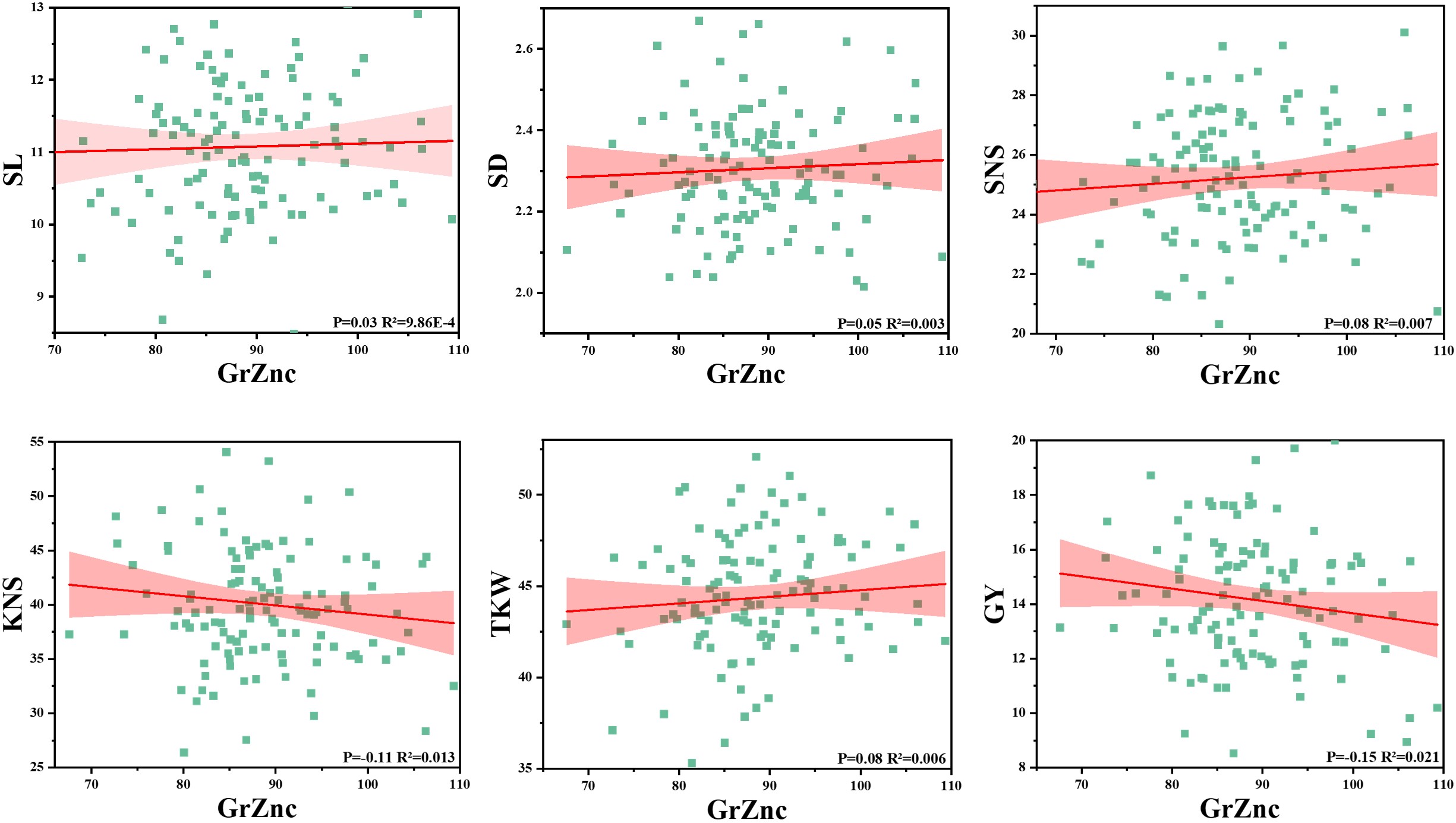 Figure 6
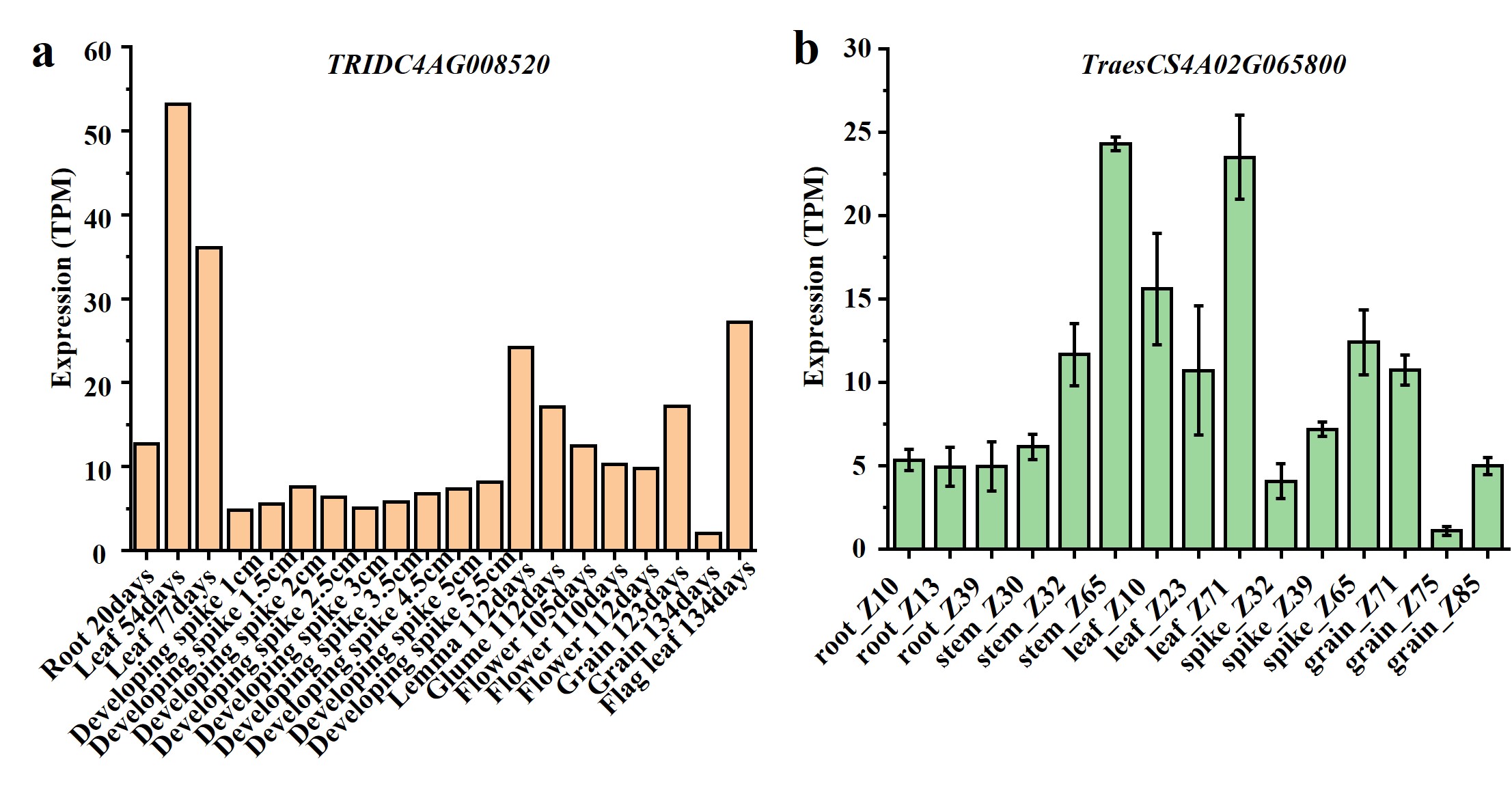 Figure 7
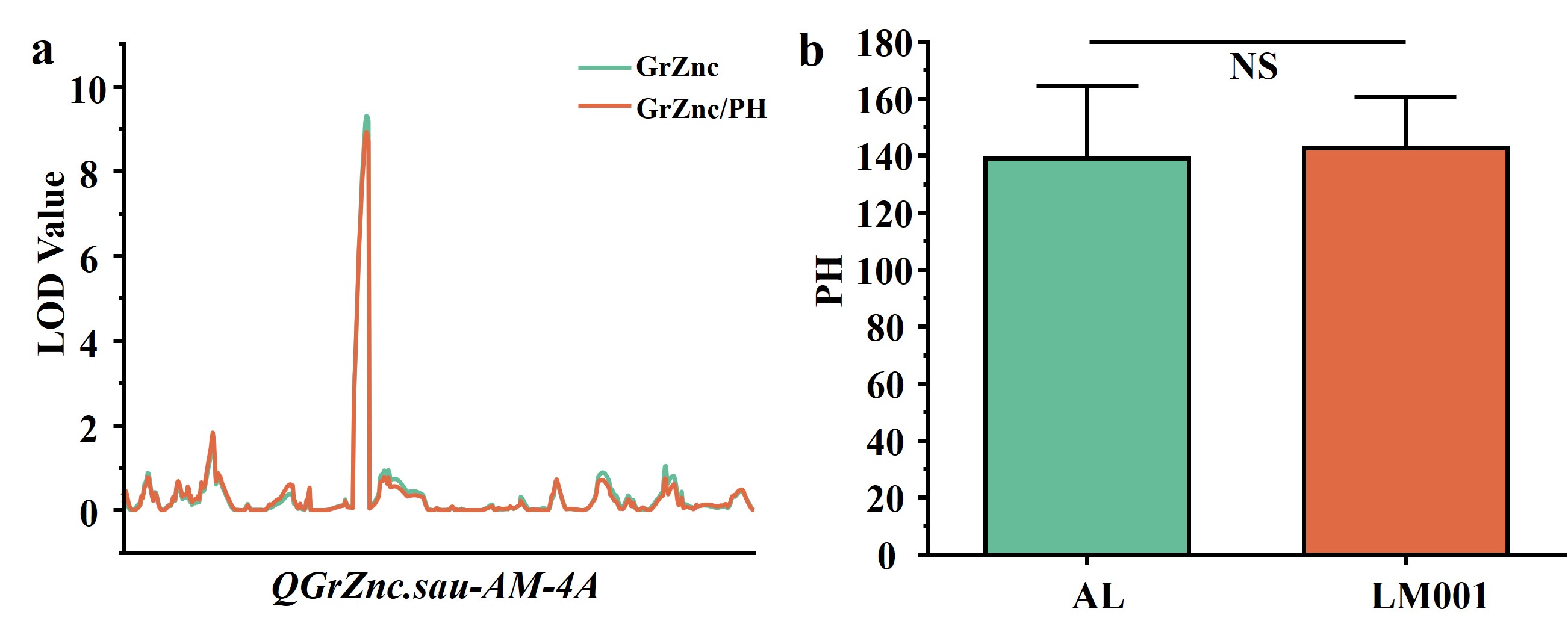 Figure 8
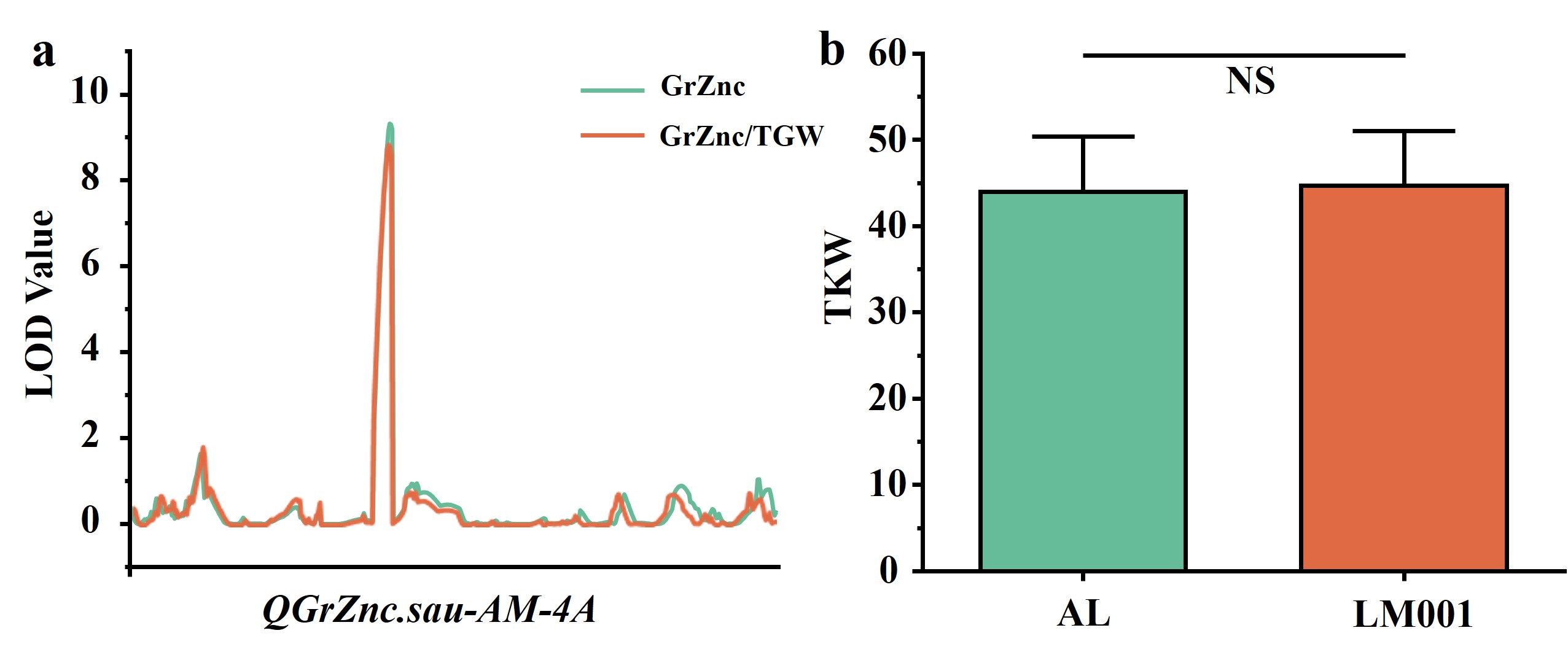 Figure 9
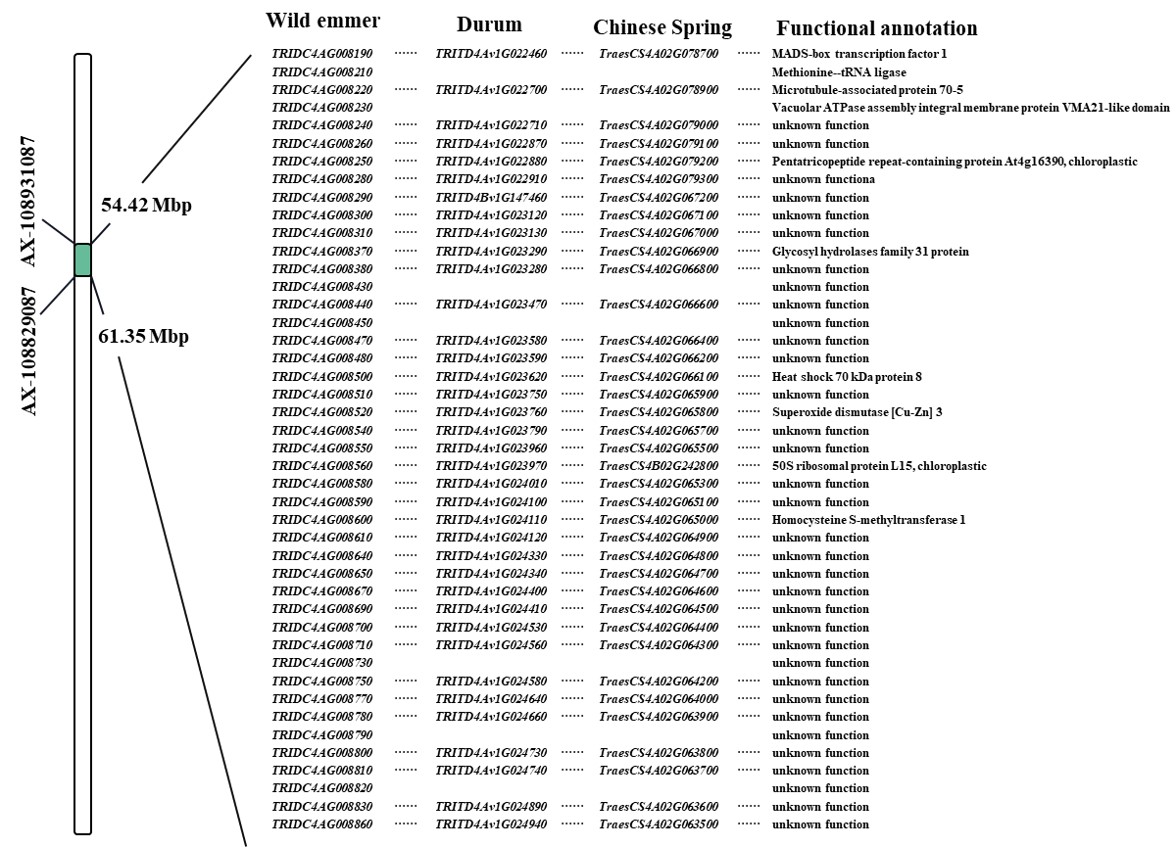 Figure 10
Peer Reviews
No public reviews on file for this paper yet. If you reviewed it on a platform where reviews are public (OpenReview, ICLR, NeurIPS, ICML), you can paste yours below so the community can read it here.
Videos
No videos yet. Explain this paper in a talk, walkthrough, or lecture? Add one.
Taxonomy
TopicsPlant Micronutrient Interactions and Effects · Genetics and Plant Breeding · Wheat and Barley Genetics and Pathology