MRI findings in human rabies: A case report on the importance of neuroimaging when biological tests are inconclusive
Zakaria Chahbi, Said Adnor, Soufiane Bigi, Mounir Salek, Soukaina Wakrim

TL;DR
This case report shows how MRI can help diagnose rabies when other tests are unclear, highlighting key brain imaging patterns in a 14-year-old patient.
Contribution
The paper presents a novel MRI case study of rabies encephalitis with specific imaging findings in a young patient.
Findings
MRI showed hyperintense signals in the basal ganglia, thalami, limbic cortex, and brainstem in a rabies case.
Spinal cord MRI findings resolved after one month of follow-up.
The study emphasizes the importance of MRI in early rabies diagnosis when biological tests are inconclusive.
Abstract
Rabies is a rare but fatal viral infection affecting the central nervous system, often presenting with nonspecific symptoms that can delay diagnosis. We report the case of a 14-year-old boy who presented with fever, headache, neck stiffness, photophobia, and convulsions, initially mimicking other central nervous system infections. Brain and spine MRI revealed hyperintense signals in the bilateral basal ganglia, thalami, limbic cortex and brainstem on T2-weighted and FLAIR images, without restricted diffusion on diffusion-weighted imaging and an MR spectroscopy consistent with rabies encephalitis. Spinal cord MRI showed an hyperintense signal that resolved on follow-up imaging after one month. This case highlights the role of MRI in detecting early neuroimaging changes in rabies encephalitis and underscores the need for clinical correlation for timely diagnosis and management. Further…
Genes, proteins, chemicals, diseases, species, mutations and cell lines named across the full text — each resolved to its canonical identifier and authoritative record.
Click any figure to enlarge with its caption.
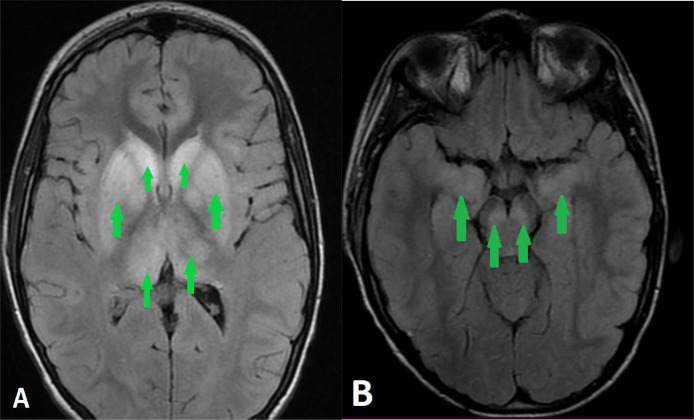 Figure 1
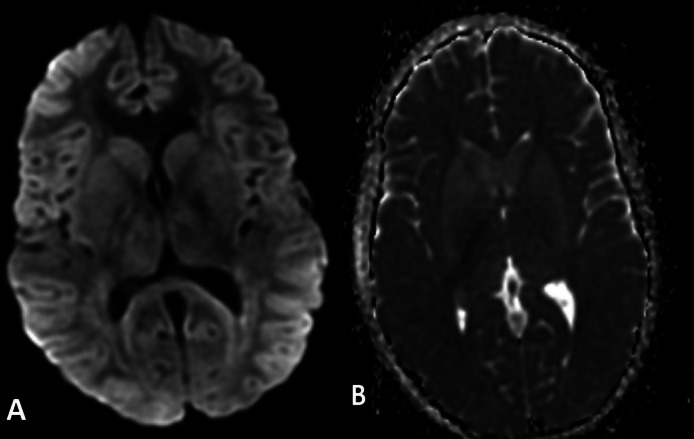 Figure 2
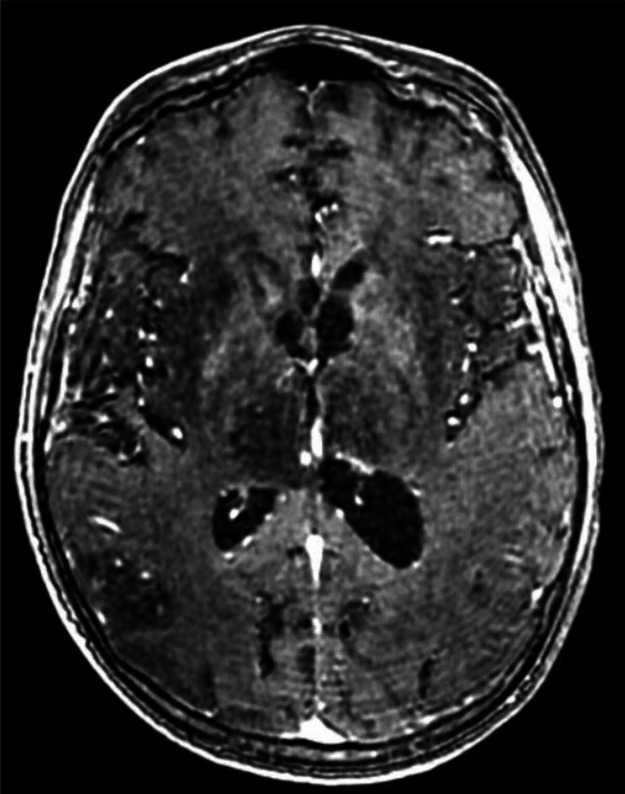 Figure 3
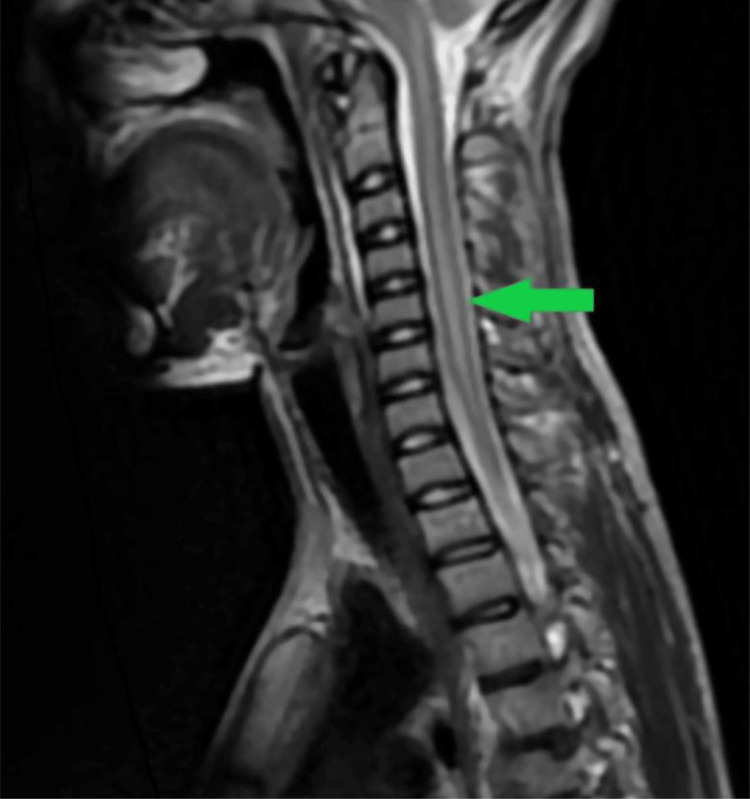 Figure 4
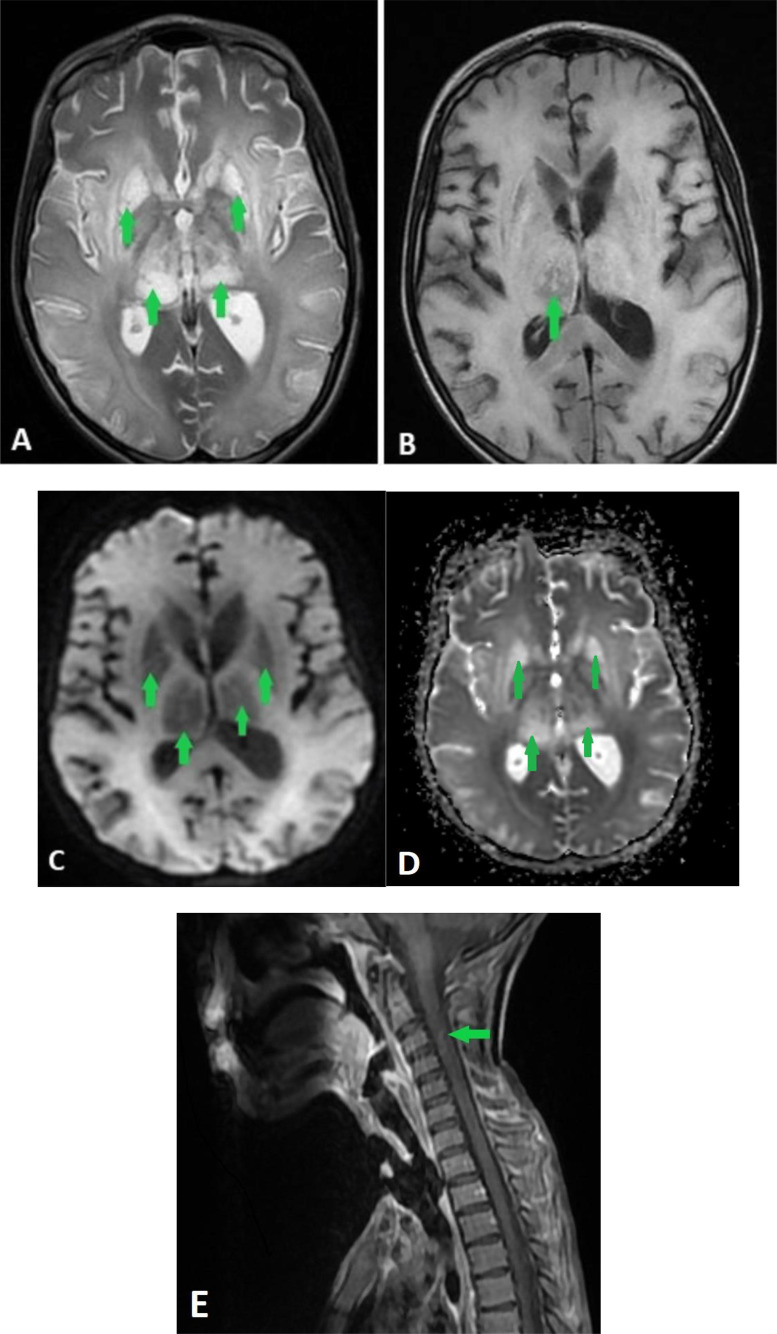 Figure 5
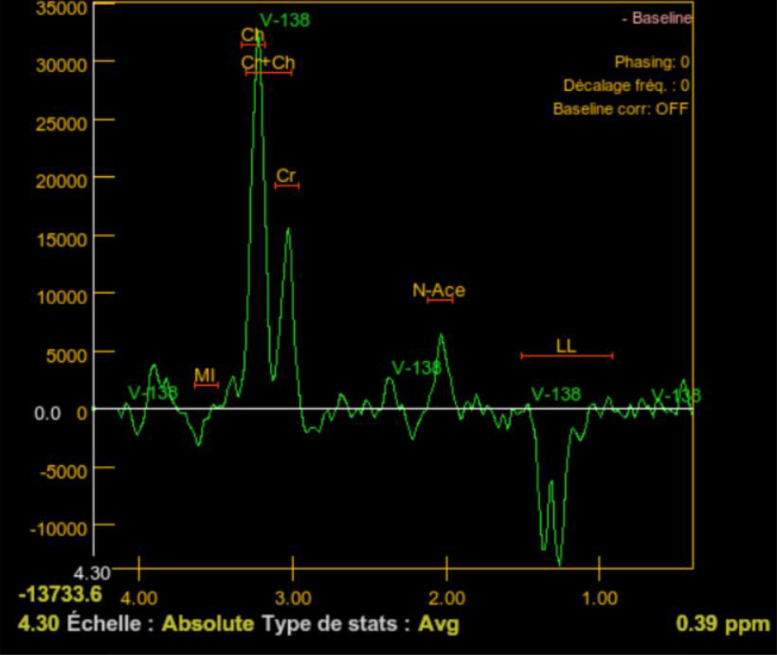 Figure 6
Peer Reviews
No public reviews on file for this paper yet. If you reviewed it on a platform where reviews are public (OpenReview, ICLR, NeurIPS, ICML), you can paste yours below so the community can read it here.
Videos
No videos yet. Explain this paper in a talk, walkthrough, or lecture? Add one.
Taxonomy
TopicsRabies epidemiology and control · Traumatic Ocular and Foreign Body Injuries · Streptococcal Infections and Treatments