Case Report: A novel missense variant in ZC4H2, c.196C>T p.(Leu66Phe), is associated with a mild, ZC4H2-related X-linked syndromic intellectual disability (ZARD) phenotype
Ria Garg, Wenying Zhang, Julianne E. Hartmann, Anne Slavotinek

TL;DR
A new genetic variant in the ZC4H2 gene is linked to a mild form of a rare X-linked intellectual disability disorder in a family.
Contribution
A novel ZC4H2 missense variant is reported and associated with a milder ZARD phenotype.
Findings
A hemizygous ZC4H2 variant c.196C>T p.(Leu66Phe) was identified in an 11-month-old male with congenital vertical talus.
The variant was inherited from the mother and present in a maternal uncle with cerebral palsy.
The variant affects the coiled-coil domain of ZC4H2 and may be linked to a milder ZARD phenotype.
Abstract
ZC4H2 is an X-linked gene that has emerged as critical for neural development, synaptic functioning, and gene regulation. We present an 11-month-old male who was evaluated for bilateral congenital vertical talus identified in the newborn period. Exome sequencing identified a hemizygous, missense variant in ZC4H2, NM_018684.4:c.196C>T p.(Leu66Phe), that affects the same amino acid residue as a previously reported, pathogenic ZC4H2 variant, c.197T>A p.(Leu66His). The variant was inherited from his mother, who had camptodactyly of the fifth fingers, and was also present in the maternal uncle who carried a diagnosis of cerebral palsy. The pathogenic missense variant in this family is located in the coiled-coil domain of the ZC4H2 protein. Although data remain scarce, missense variants in this domain may be associated with a milder, ZC4H2-associated rare disorder (ZARD) phenotype.
Genes, proteins, chemicals, diseases, species, mutations and cell lines named across the full text — each resolved to its canonical identifier and authoritative record.
Click any figure to enlarge with its caption.
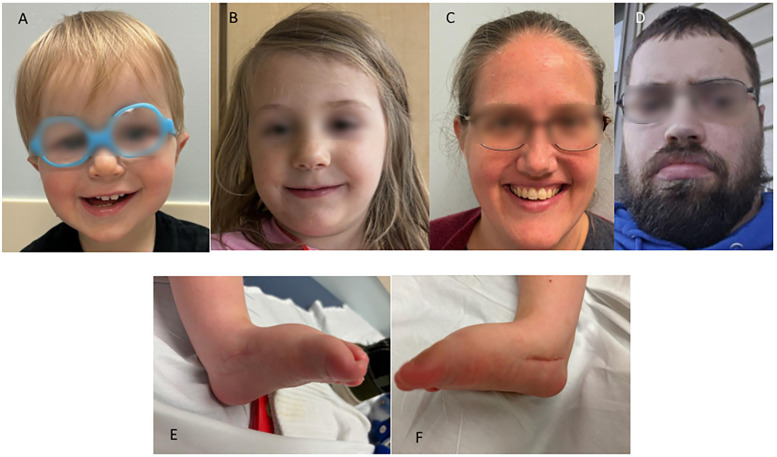 Figure 1
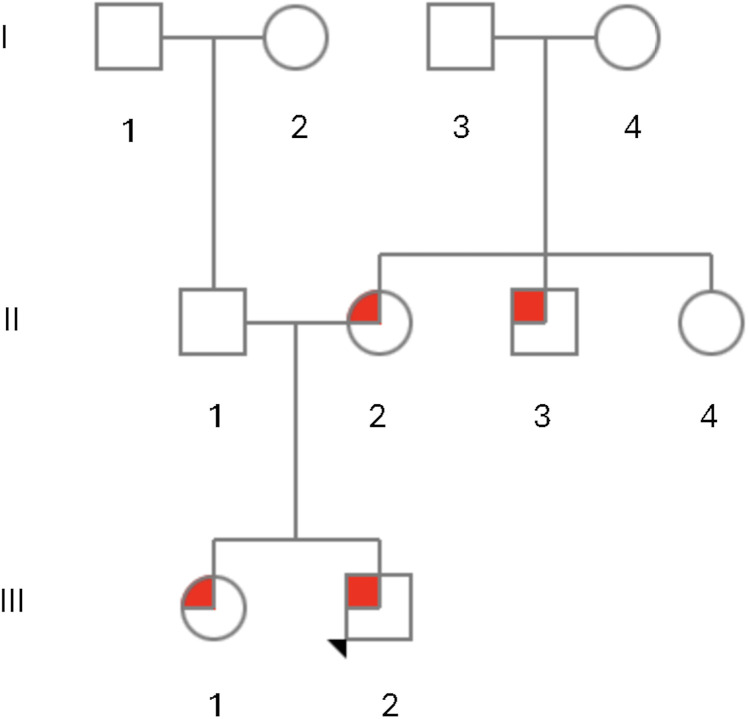 Figure 2
Peer Reviews
No public reviews on file for this paper yet. If you reviewed it on a platform where reviews are public (OpenReview, ICLR, NeurIPS, ICML), you can paste yours below so the community can read it here.
Videos
No videos yet. Explain this paper in a talk, walkthrough, or lecture? Add one.
Taxonomy
TopicsGenetics and Neurodevelopmental Disorders · Congenital heart defects research · Ubiquitin and proteasome pathways