Endoscope-assisted Transoral resection of an elongated fractured styloid process in Eagle syndrome: A case report
Fares Abdullrahman, Majed Al-Ajami, Firas Abdullrahman, Jafar Hamdy, Maher Al-Ajami

TL;DR
This case report describes a rare surgical treatment for Eagle syndrome, a condition causing facial and neck pain, using an endoscope-assisted transoral approach.
Contribution
The paper presents a novel endoscope-assisted transoral surgical technique for treating an elongated fractured styloid process in Eagle syndrome.
Findings
The patient experienced significant pain relief after endoscope-assisted transoral resection of the fractured styloid process.
Eagle syndrome was correctly diagnosed after multiple specialist consultations and imaging confirmed the elongated styloid process and calcified ligament.
The case highlights the importance of accurate diagnosis and specialized management to avoid misdiagnosis and delayed treatment.
Abstract
Eagle's syndrome is a rare condition associated with the elongation of the styloid process or calcification of the stylohyoid ligament; it is clinically characterized by unexplained referred pain that radiates into the mandible, ear, and throat, often misdiagnosed as various cervicocraniofacial disorders. A 38-year-old male presented with severe, unexplained neuralgic pain that persisted for about two months. The pain worsened with patient neck movements, and some relief was achieved only through lidocaine injections in the tonsillar bed. After multiple consultations with various specialists, investigations focused on a left elongated, non-displaced fracture of the styloid process, accompanied by calcification of the stylohyoid ligament, suggesting Eagle syndrome. The patient's symptoms significantly improved after surgery, with no recurrence of pain during the subsequent follow-up…
Genes, proteins, chemicals, diseases, species, mutations and cell lines named across the full text — each resolved to its canonical identifier and authoritative record.
Click any figure to enlarge with its caption.
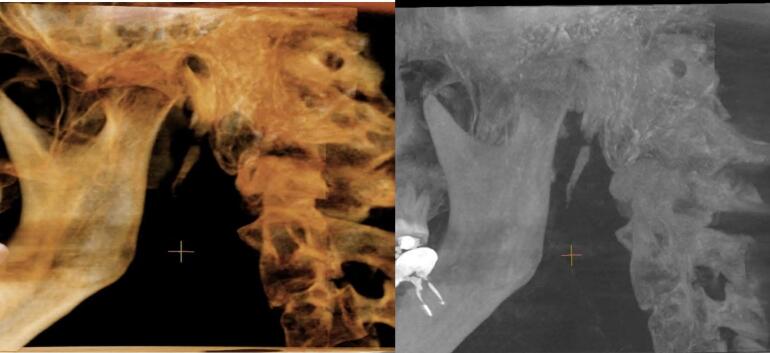 Figure 1
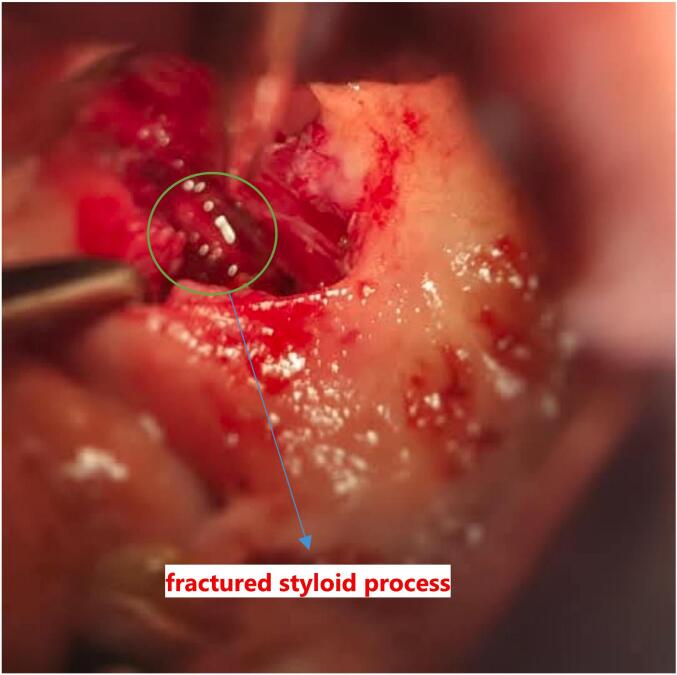 Figure 2
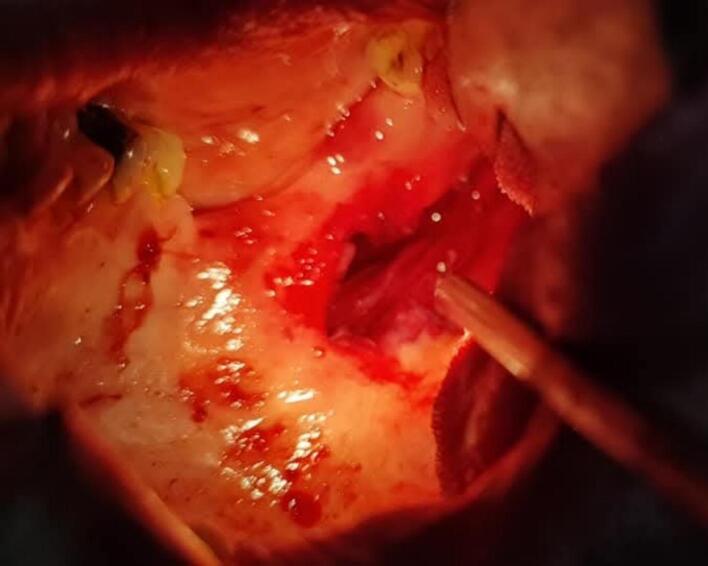 Figure 3
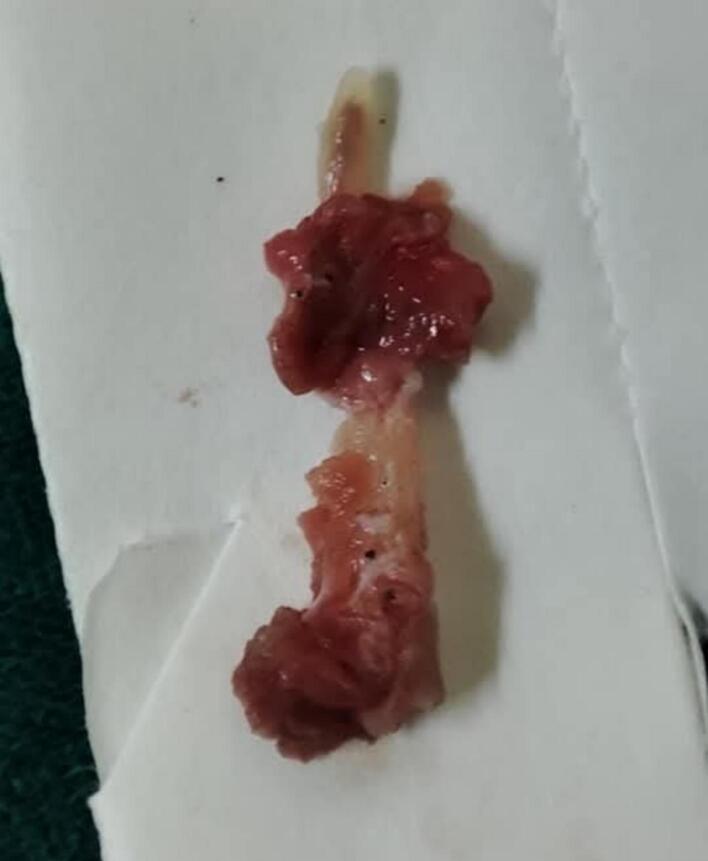 Figure 4
Peer Reviews
No public reviews on file for this paper yet. If you reviewed it on a platform where reviews are public (OpenReview, ICLR, NeurIPS, ICML), you can paste yours below so the community can read it here.
Videos
No videos yet. Explain this paper in a talk, walkthrough, or lecture? Add one.
Taxonomy
TopicsOropharyngeal Anatomy and Pathologies