A Relative Measurement of Oxidative Stress in NAFLD Through Cyclic Voltammetry Method for Clinical Translation
Dixa Sharma, Bhalendu S. Vaishnav, Nupur Pandya, Pratik Pataniya, C. K. Sumesh, Palash Mandal

TL;DR
This study uses a new electrochemical method to measure oxidative stress in nonalcoholic fatty liver disease patients, showing potential for clinical use.
Contribution
A novel cyclic voltammetry method is introduced to measure oxidative stress in NAFLD with high accuracy and potential for clinical translation.
Findings
The study found significant changes in anodic current in steatohepatitis patients compared to healthy individuals.
The electroanalytical method achieved less than 1.3% error in measuring oxidative stress in human plasma.
The method could detect disease status and monitor treatment response in NAFLD patients.
Abstract
A potential contributing factor in the development of various metabolic diseases such as nonalcoholic fatty liver disease (NAFLD) could be oxidative stress and the production of reactive oxygen radicals. A high level of lipid peroxidation, including oxidative stress, can cause irreversible effects. We investigated the consequences of NAFLD on the reducing power of the liver in patients through plasma antioxidant capacity using screen-printed electrodes (SPEs). The study includes a total of 67 patient's population with steatosis (n = 29) and steatohepatitis (n = 38). Anodic current intensity (la), anodic wave area (S), and the biological sample oxidation potentials can be determined via cyclic voltammetry (CV) analysis. The enzyme glutathione peroxidase (GPx) and products of oxidative damage such as malondialdehyde (MDA), advanced glycation-end product (AGE), total status of oxidants…
Genes, proteins, chemicals, diseases, species, mutations and cell lines named across the full text — each resolved to its canonical identifier and authoritative record.
Click any figure to enlarge with its caption.
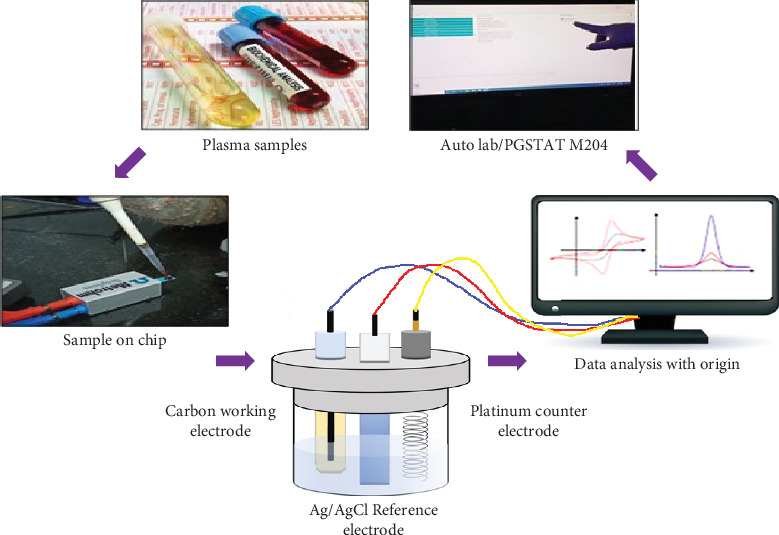 Figure 1
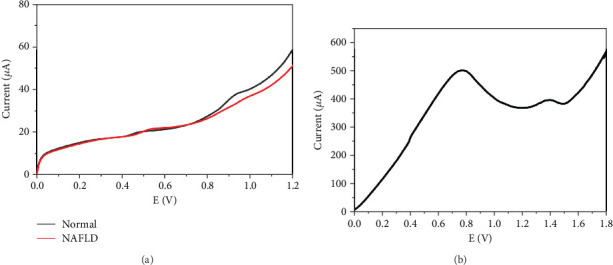 Figure 2
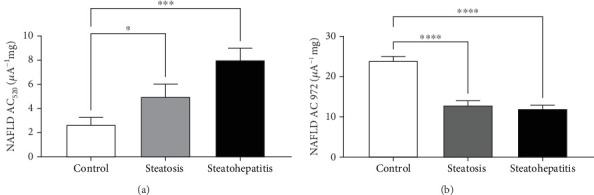 Figure 3
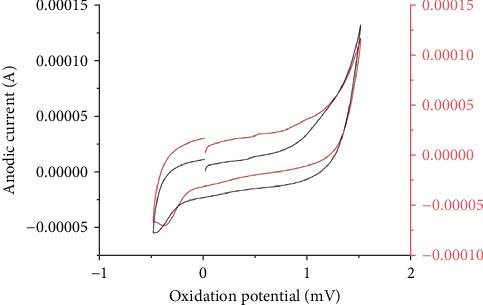 Figure 4
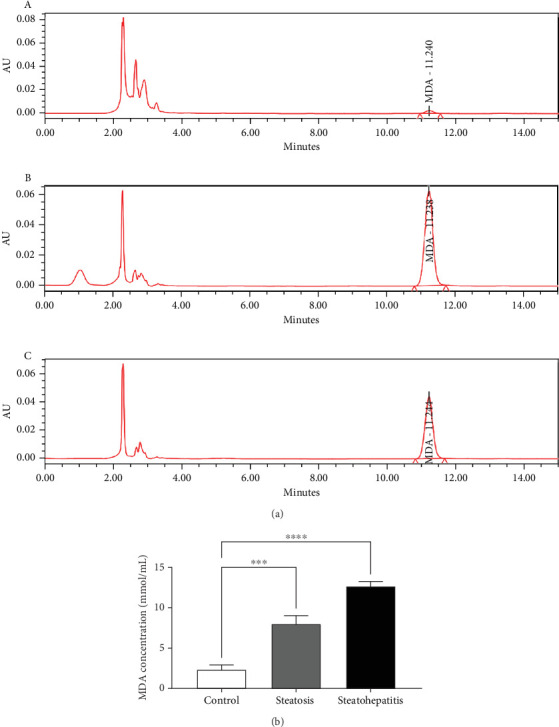 Figure 5
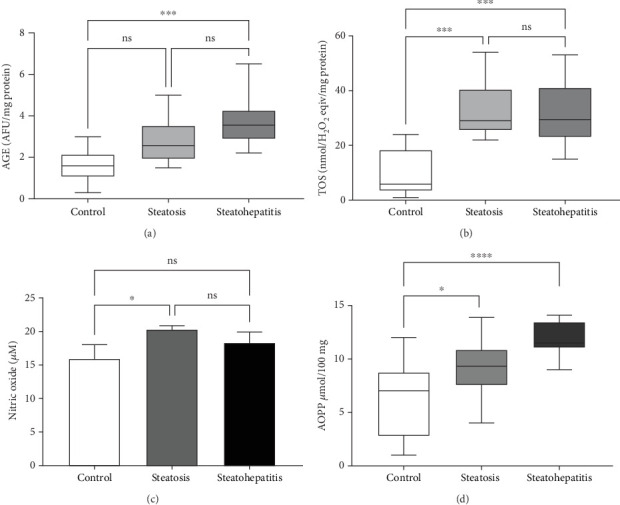 Figure 6
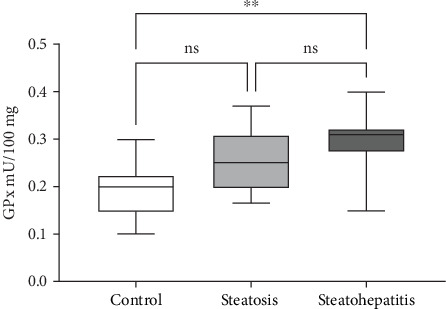 Figure 7
 Figure 8
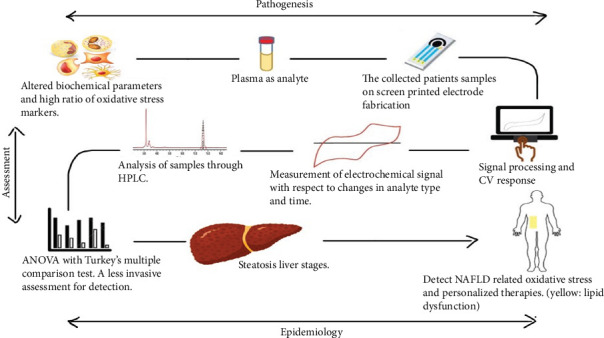 Figure 9
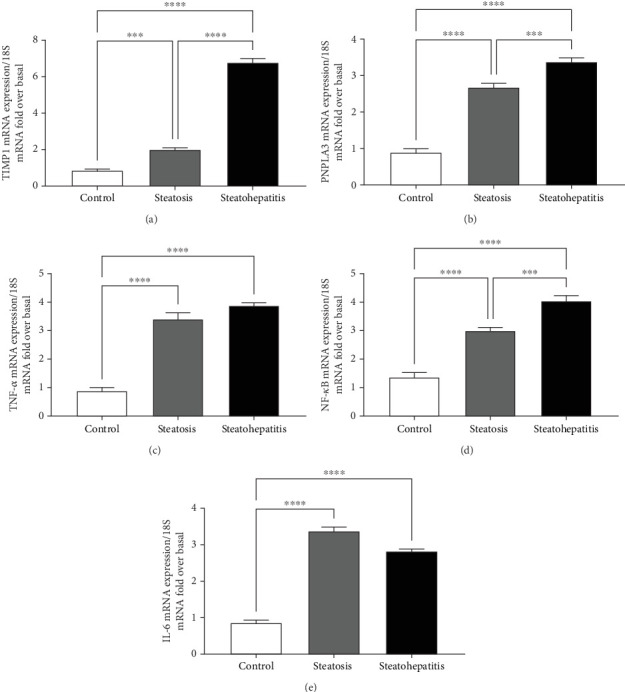 Figure 10
Peer Reviews
No public reviews on file for this paper yet. If you reviewed it on a platform where reviews are public (OpenReview, ICLR, NeurIPS, ICML), you can paste yours below so the community can read it here.
Videos
No videos yet. Explain this paper in a talk, walkthrough, or lecture? Add one.
Taxonomy
TopicsBiochemical effects in animals · Liver Disease Diagnosis and Treatment · Free Radicals and Antioxidants