Articles of Significant Interest in This Issue

Abstract
Click any figure to enlarge with its caption.
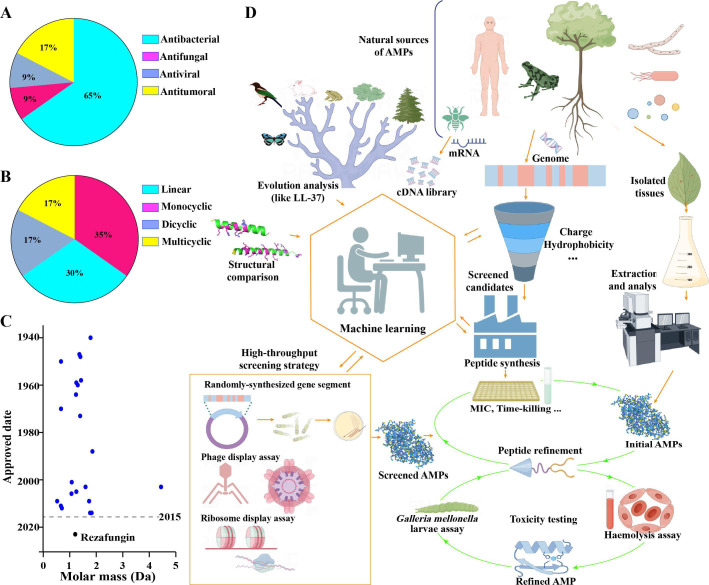 Figure 1
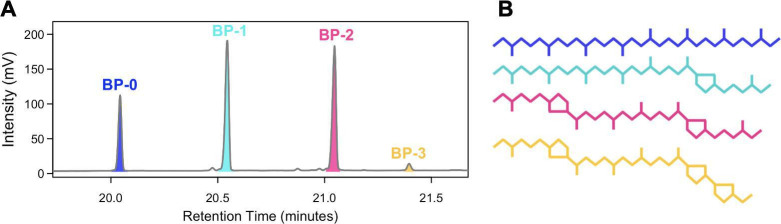 Figure 2
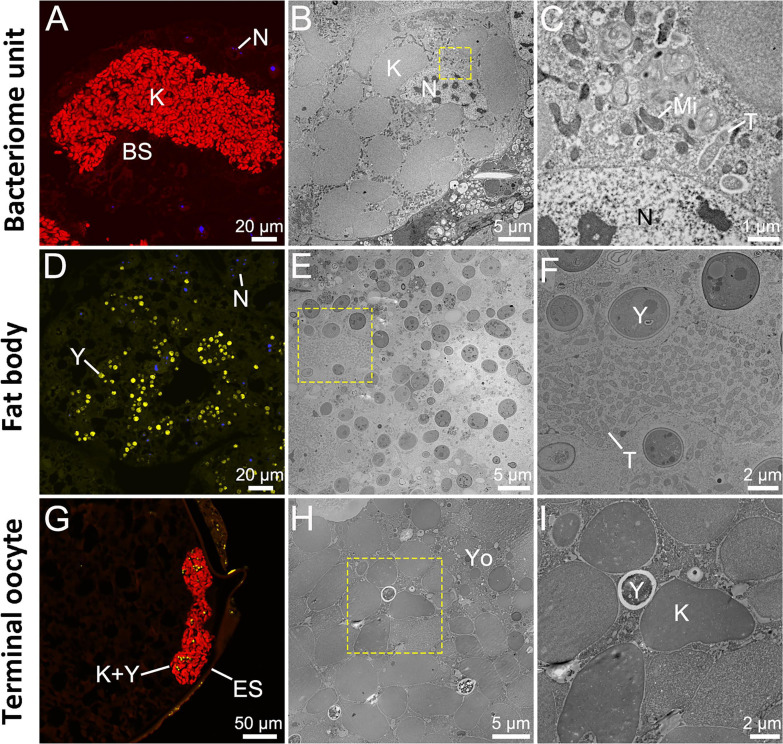 Figure 3
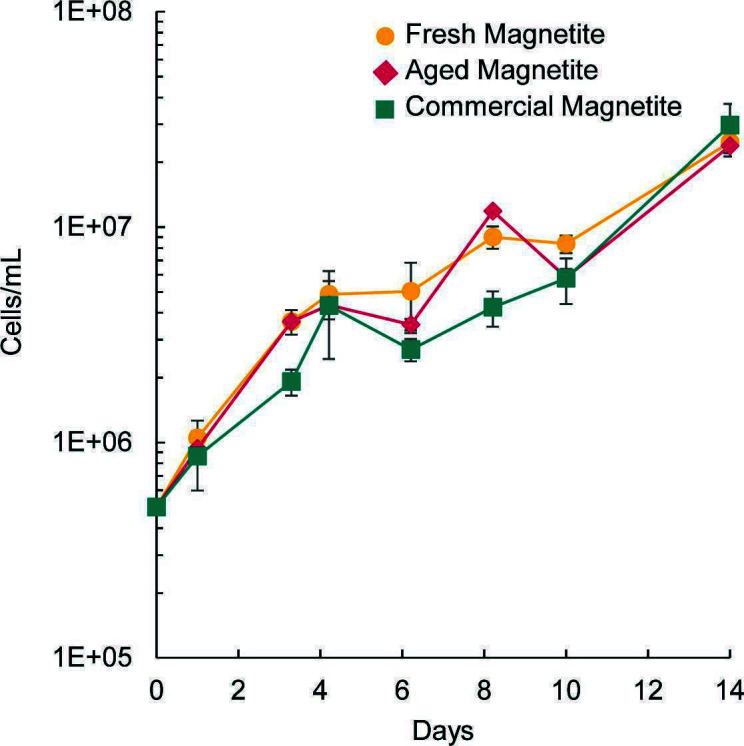 Figure 4
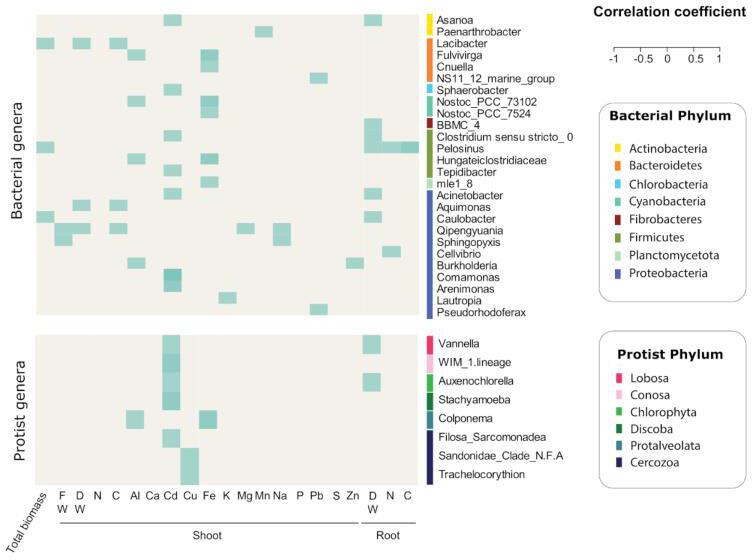 Figure 5
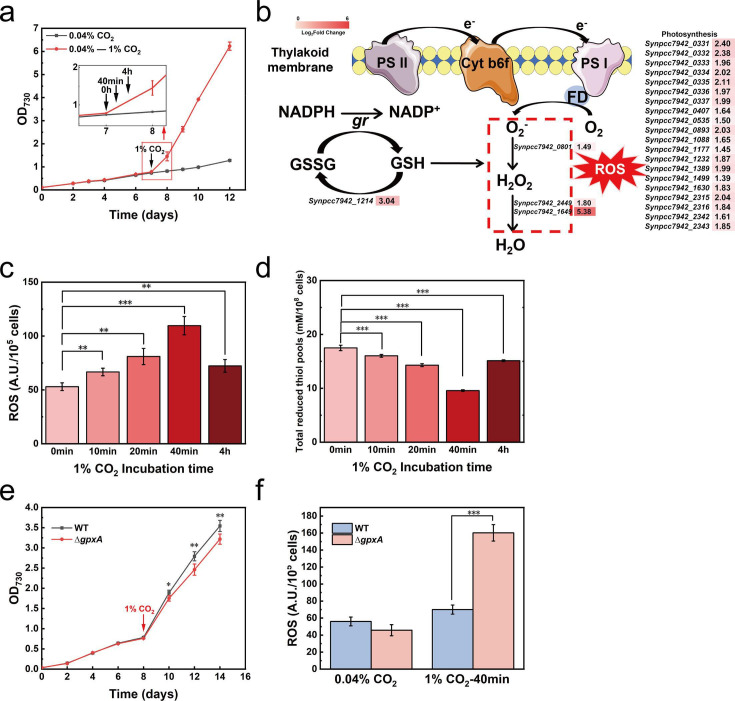 Figure 6
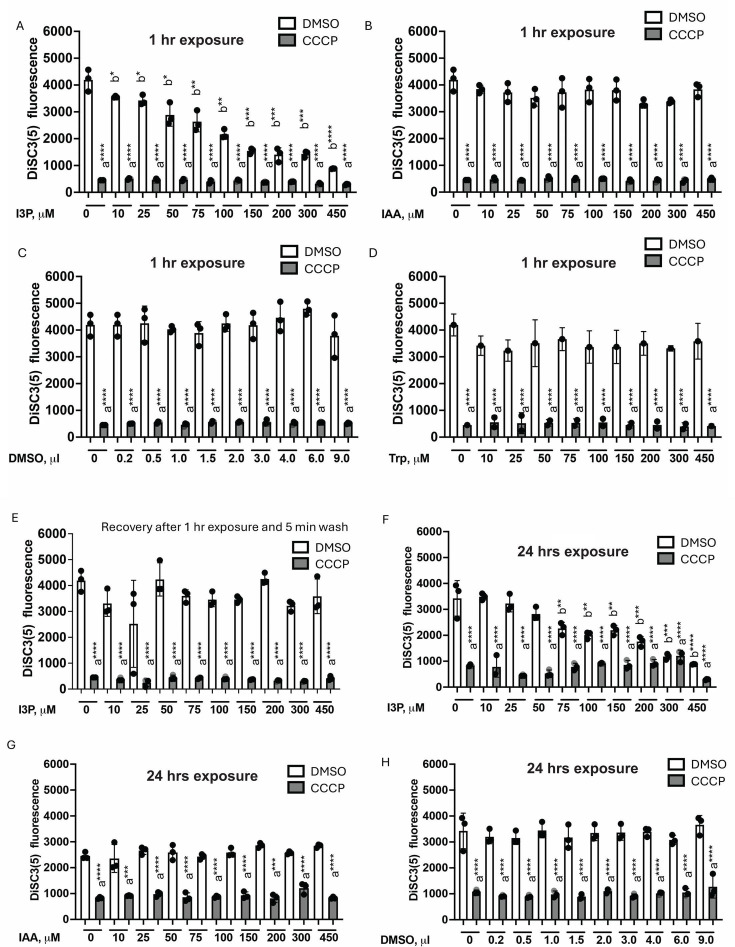 Figure 7
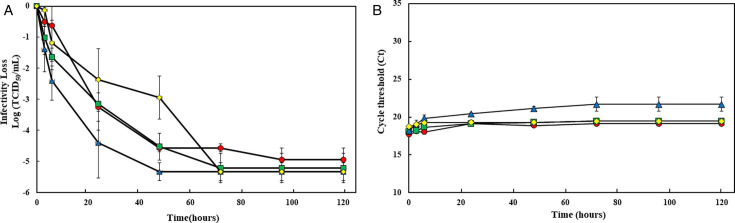 Figure 8
Peer Reviews
No public reviews on file for this paper yet. If you reviewed it on a platform where reviews are public (OpenReview, ICLR, NeurIPS, ICML), you can paste yours below so the community can read it here.
Videos
No videos yet. Explain this paper in a talk, walkthrough, or lecture? Add one.
Taxonomy
TopicsAntimicrobial Peptides and Activities · Biochemical and Structural Characterization · Microbial Natural Products and Biosynthesis
ANTIMICROBIAL PEPTIDES, FROM DISCOVERY TO MARKET
This minireview by Qi Zhang (e02115-24) summarizes recent developments in the search for antimicrobial peptides that can realistically provide therapeutic alternatives to antibiotics. Important read for those interested in solutions to the antibiotic resistance crisis.
A HYDROGEN ISOTOPIC VIEW OF ARCHAEAL LIPIDS
This study by Harris et al. (e01983-24) fills a critical gap in our understanding of hydrogen isotope fractionation in archaeal lipids under various extreme conditions and underscores the method’s utility to survey archaea in habitats where physicochemical extremes prevent other approaches.
AN EVOLUTIONARY TALE OF INSECT ENDOSYMBIONTS AND YEAST COMPETITORS
Symbionts in sap-feeding insects support the host’s nutritional needs. A comparative genomic study by Han et al. (e01738-24) of treehopper symbionts dissects the evolutionary steps that have led to the replacement of obligate partners by coexisting yeast-like symbionts.
IRON OXIDATION GOES MAGNETIC
Iron-reducing and -oxidizing bacteria cooperate to cycle this important element in nature. Keffer et al. (e01865-24) show that iron oxidizers also have specialized electron transfer chains to oxidize magnetite, a reduced product of iron reducers of mixed iron valence.
A PROTIST ALLY FOR THE BIOCONTROL OF PLANT PATHOGENS
Predatory protists show promise as biocontrol agents in crop production systems. Amacker et al. (e00240-25) identify protist species and amendment conditions for consistent and predictable improvements in plant performance.
A CYANOBACTERIAL SURVIVAL GUIDE TO HIGH CO2 STRESS
Cyanobacteria are promising chassis for CO_2_ conversion applications, yet they cannot tolerate high concentrations of the gas. Mu et al. (e00115-25) describe regulatory networks driving the cyanobacterial response to high-CO_2_ stress. These insights help us to understand the ecophysiology of these bacteria and inform strategies for the development of robust industrial strains.
RHIZOBACTERIA: SELF-PRESERVATION WITH POSITIVE PLANT OUTCOMES
Rhizobacteria produce an indole-based phytohormone to promote plant growth. Ganusova et al. (e02384-24) show that by making the hormone, rhizobacteria detoxify indole. A selfish act with notable benefits to plants and humans.
SARS-CoV-2 SURROGATE CORONAVIRUSES FOR ENVIRONMENTAL SURVEYING
Park et al. (e01688-24) describe coronaviruses that can be used as surrogates for SARS-CoV-2 seasonal surveying. Caution is needed when generalizing the results, however, due to the variable stability of the most promising strains under certain environmental conditions.