Estrous Behaviour and Vulva Score in Captive Female Malayan Tapir (Tapirus indicus)
Donny Yawah, Jeffrine Rovie-Ryan, Azlan Che-Amat, Michelle Fong Wai Cheng, Hartini Ithnin, Mohd Adli Ahmad, Enos Jeoffry, Madzlan Misnan, Zaihamrezal Abdul Hamid, Mark WH Hiew

TL;DR
This study examines estrus behaviors and vulva changes in captive Malayan tapirs to support conservation efforts.
Contribution
The study provides the first detailed analysis of estrus behaviors and vulva scoring in captive Malayan tapirs.
Findings
Vocalisation was the most common estrus behavior observed in female Malayan tapirs.
Paired females exhibited more estrus behaviors than non-paired females.
Vulva changes showed a cyclic pattern with an average cycle length of 31 days.
Abstract
The ex-situ propagation of the Malayan tapir in Malaysia is an important conservation strategy to increase the population of this endangered species. However, the scarcity of reproductive physiology studies impedes potential conservation efforts. This study aimed to investigate the expression of estrus signs through observation of estrus behaviour and vulva score in captive Malayan tapirs. This study was conducted from January to April at the Sungai Dusun Wildlife Conservation Centre, Selangor, Malaysia. A total of five female Malayan tapirs aged between 3 to 18 years old were involved in this study. Two of the tapirs were kept with a male partner, while three others were kept individually. Closed-circuit television (CCTV) cameras with night vision and audio recording function connected to a digital video recorder were used to record the female activity from 1930 to 0730 hours. The…
Genes, proteins, chemicals, diseases, species, mutations and cell lines named across the full text — each resolved to its canonical identifier and authoritative record.
Click any figure to enlarge with its caption.
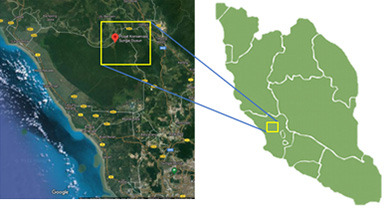 Figure 1
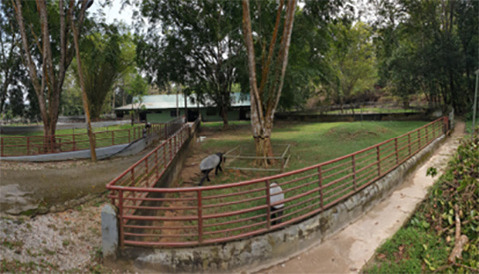 Figure 2
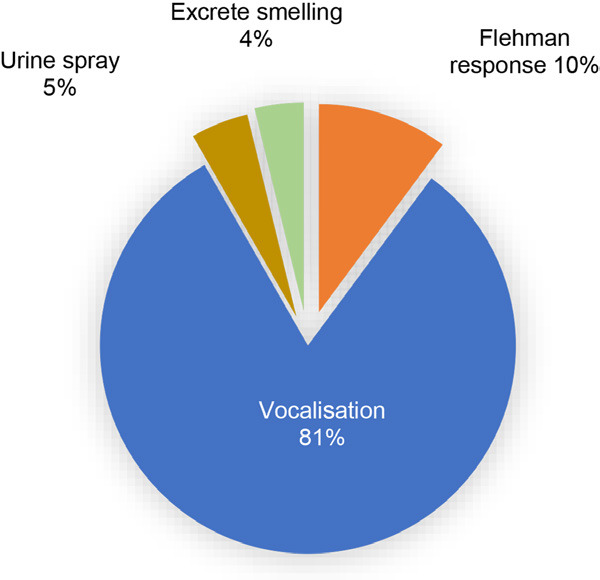 Figure 3
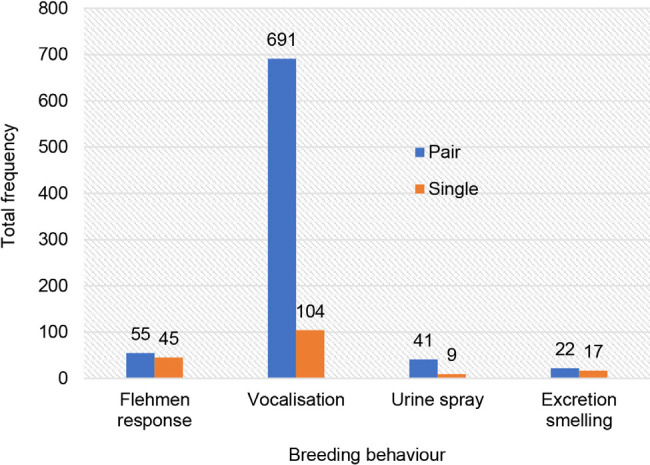 Figure 4
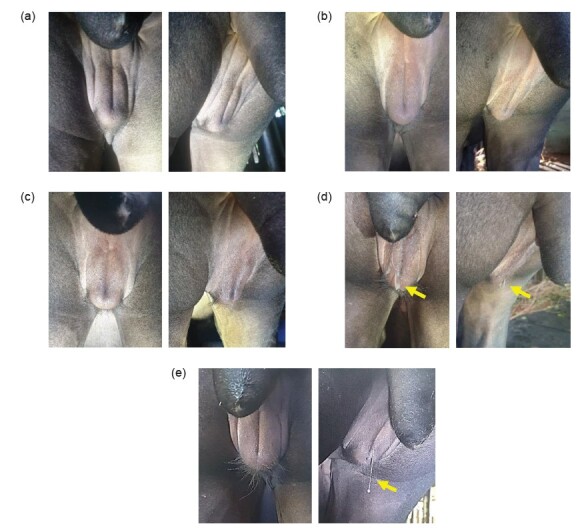 Figure 5
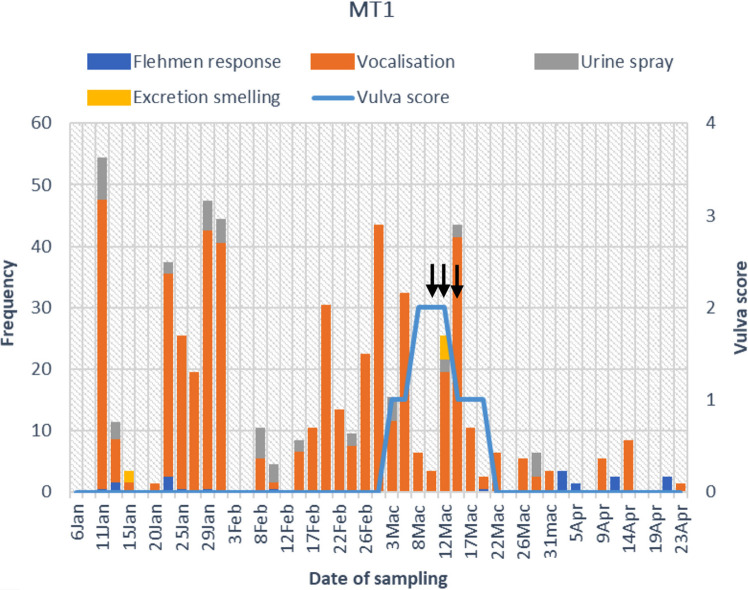 Figure 6
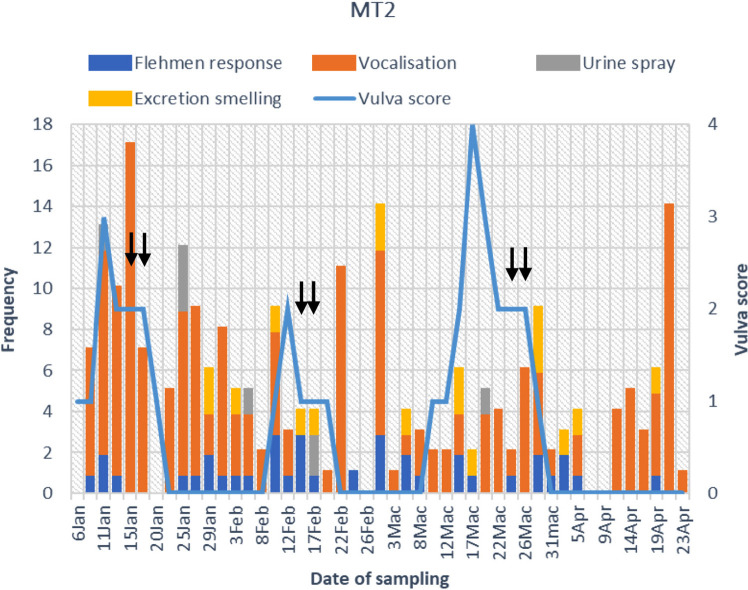 Figure 7
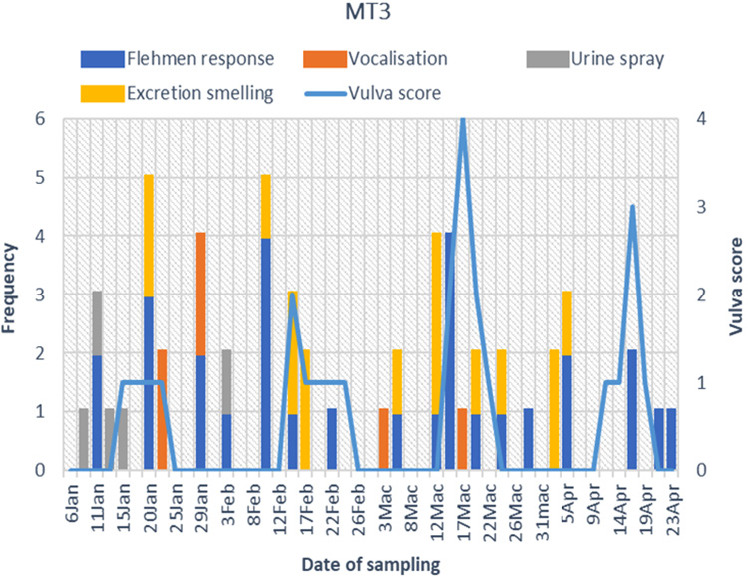 Figure 8
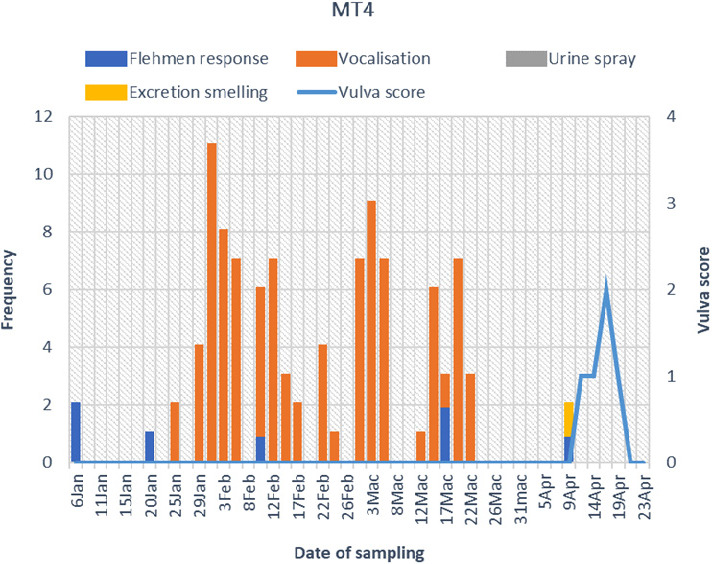 Figure 9
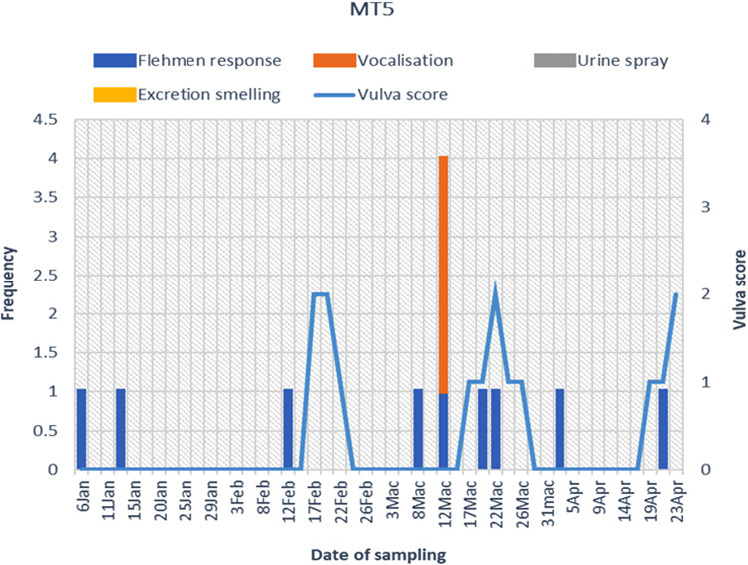 Figure 10
- —National Conservation Trust Fund (NCTF)
Peer Reviews
No public reviews on file for this paper yet. If you reviewed it on a platform where reviews are public (OpenReview, ICLR, NeurIPS, ICML), you can paste yours below so the community can read it here.
Videos
No videos yet. Explain this paper in a talk, walkthrough, or lecture? Add one.
Taxonomy
TopicsGenetic and phenotypic traits in livestock · Reproductive Physiology in Livestock · Livestock Farming and Management
INTRODUCTION
Malayan tapir (Tapirus indicus), also known as Asian tapir, is the largest of the four world tapir species. It is exclusively distributed in the Southeast Asian region which includes Peninsular Malaysia, the southern part of Myanmar and Thailand, and Sumatera, Indonesia. The Malayan tapir is endangered because of habitat destruction and fragmentation, being accidentally caught in snare wires and being victim of road kills (Holden et al. 2003; Corlett 2007). According to the International Union for Conservation of Nature (IUCN) Red List of Threatened Species, the estimate of the world tapir population is approximately 2,500 mature individuals (Traeholt et al. 2016). Malaysia has a population of between 1,100 and 1,500 individuals (PERHILITAN 2009). In Indonesia and Thailand, the tapir population is estimated to reach 400 to 500 (Traeholt et al. 2016) and 532 to 720 individuals, respectively (Kanchanasaka 2015). No population estimate exists for Myanmar.
The Malayan tapir is a solitary animal (Williams & Petrides 1980) but has been seen in pairs or groups around salt licks (Williams & Petrides 1980; Tawa et al. 2021), especially during the breeding season (William & Petrides 1980; Kusuda et al. 2007) or when a female is together with its offspring (Donny et al. 2022). In the wild, Malayan tapirs are nocturnal and are mostly active during the night (1900–0600 h) as well as occasionally during the daytime (0600–0800, 1000–1100 and 1600–1700 h) (Holden et al. 2003; Novarino & Grant 2005; Magintan et al. 2009; Khadijah-Ghani 2010; Marlius et al. 2018). Captive Malayan tapirs exhibit both nocturnal (Lynam et al. 2012; Suwannaphong et al. 2018) and diurnal (Gillmore 2007; Kusuda et al. 2008; Kamisan 2017; Suwannaphong et al. 2018; Arumugam et al. 2020) activity. In captivity, the Malayan tapir spends most of the day time resting (sleeping and lying), followed by eating, drinking, exploring and mating (Wazirotul et al. 2014; Suwannaphong et al. 2018). However, there are no reports on the night time activity patterns of captive Malayan tapirs. Sexual behaviours are more likely to be expressed at night or twilight rather than daytime (Novarino & Grant 2005; Lynam et al. 2012).
In a recent review of the technique for monitoring the estrous cycle in Malayan tapirs, Donny and Hiew (2024) highlighted significant gaps in our understanding of Malayan tapir reproductive physiology. The estrus behaviour patterns vary according to the different phases of the estrous cycle. According to Sankar Ganesh et al. (2014), females in estrus display distinct behaviours including increased restlessness, vocalisation, standing heat, vaginal discharge and decreased food intake. Schaftenaar et al. (2006) did not observe any typical estrus behaviours in their study of a captive Malayan tapir. In contrast, Kusuda et al. (2008) found that female Malayan tapirs exhibited increased vocalisation and urine squirting during the copulatory period compared to the non-copulatory period in their study of two different pairs. The smelling of excretion or external genitalia of a female which was often followed by flehmen response is a common way for a male mammal to determine a female in estrus (Campbell 2004) and this has been seen in tapirs (Kusuda et al. 2008). The flehmen response is manifested by dorso-flexion of the neck with eyes rolled back and the upper lip curled exposing the upper incisors and adjacent gums (Gillmore 2007). However, it is unknown whether these behaviours could indicate estrus although they have been occasionally observed by keepers at Sungai Dusun Wildlife Conservation Centre during mating season.
The swelling of the vulva accompanied by clear mucus discharge has been documented (Schaftenaar et al. 2006) alongside low progesterone (P4) concentrations (Kusuda et al. 2007). Hence, visual changes in the vulva act as real-time indicators of a female’s estrus (Kusuda et al. 2007). However, no research has been conducted on vulva appearance in relation to behaviour changes during estrus in Malayan tapirs. Both of these techniques could benefit the captive breeding management of Malayan tapirs. This study aimed to investigate the estrus behaviour pattern and vulva changes of captive female Malayan tapirs.
MATERIALS AND METHODS
Ethical Statement
This study was approved by the Institutional Animal Care and Use Committee of Universiti Putra Malaysia (Reference number: UPM/IACUC/AUP-R068/2020). It was completed in strict accordance with the relevant guidelines and regulations from the Department of Wildlife and National Parks Peninsular Malaysia (Permit number: B-00369-16-2).
Study Site
This study was conducted at Sungai Dusun Wildlife Conservation Centre, in the state of Selangor, Malaysia (Fig. 1). The centre has 10 central nightstalls surrounded by seven outdoor enclosures which the animals have access to at all times of the day. Each nightstall has an area of approximately 20 m^2^ with feeding and drinking trays provided. The area of each outdoor enclosure is approximately 250 m^2^ and is composed of grass and several trees (Fig. 2). The outdoor enclosures are bordered by concrete walls and metal bars. The centre is used to shelter and provide veterinary care and treatment for rescued Malayan tapirs as well as for breeding in captivity.
Animals
Five adult female Malayan tapirs aged between 3 and 18 years old were selected for this study (Table 1). Two of the tapirs (MT1, MT2) were kept with a male, while the other three (MT3, MT4 and MT5) were kept individually. Both males were proven bulls with a track record of producing offspring. All tapirs were kept in their own enclosures. The tapirs were fed similar diets which included leaves, fruits and commercial horse pellets. Clean and fresh water was provided ad libitum.
Observation and Documentation of Estrus Behaviour
Ten closed-circuit television (CCTV) cameras (HDCVI Bullet Camera, Dahua Technology, Hangzhou) with night vision and audio recording functions were used to record each subject’s activity (two for each enclosure, one for nightstall and the other for the outdoor enclosure). The CCTV cameras were connected to a digital video recorder and set for continuous recording between 1930 h and 0730 h from January to April. The recorded video footage was retrieved weekly and evaluated for estrus behaviour according to an ethogram which included vocalisation, smelling of excretion, flehmen response and spraying urine (Table 2). Behaviour expressed by each subject was observed at every minute and the total was recorded as the daily frequency. Mounting behaviour of the paired group was also documented.
Observation and Evaluation of Vulvar Changes
Evaluation of the vulva was performed with the tapir in a standing position, from approximately one meter posterior to the animal. Before the vulva was scored, the hindlimbs were made sure to be parallel to each other. The vulva was evaluated from the left, right and centre for any swelling and/or discharge. The final vulva score was recorded as the sum of the vulva swelling score and the vaginal discharge score (Table 3).
Data Analysis
The daily estrus behaviour frequency and vulva score for each tapir were recorded and analysed for patterns and relationships. Mann-Whitney U test was used to compare the estrus behaviour of paired and non-paired groups. Meanwhile, Spearman’s correlation was used to determine the correlation between vulva score (when vulva score > 0) and each estrus behaviour. Both tests were run in IBM SPSS version 26 (IBM Corps, USA). p < 0.05 was considered statistically significant.
RESULTS
Estrus Behaviour
The estrus behaviour of captive female Malayan tapir was dominated by vocalisation (81%), followed by flehmen response (10%), urine spraying (5%) and excretion smelling (4%) (Fig. 3). Tapirs housed in pairs (MT1 and MT2) exhibited a greater frequency of estrus behaviours than those housed individually (MT3, MT4 and MT5) (Fig. 4). The estrus behaviour patterns of each individual are shown in Fig. 6. Meanwhile, the mounting behaviour of the paired group (MT1 and MT2) was noted in the graphs in Figs. 6a and 6b.
Vulva Score
Vulva scores of 0 to 4 were observed in this study (Fig. 5). A total of 12 events and 7 cycles associated with increased vulva scores were observed among the five Malayan tapirs. Based on the vulva scores, a cyclical pattern was observed in all tapirs (Fig. 6). The median and range of the duration and length of the increased vulva score were as follows: the duration had a median of 9 days and range of 4 to 16 days. Meanwhile the length had a median of 31 days and range of 28 to 33 days (Table 4).
Mann-Whitney U Test for Significant Different Between Paired Group and Non-paired Group
Mann-Whitney U test was run to analyse the values of flehmen response, vocalisation, urine spraying and excretion smelling between the paired group and non-paired group (when vulva score > 0). The test revealed a significant difference for vocalisation (U = 0.00, p = 0.010, Z = −2.566) and urine spraying (U = 0.00, p = 0.008, Z = −2.640). However, there were no significant differences for flehmen response and excretion smelling (Table 5).
Spearman Correlation Test for Vulva Score and Estrus Behaviour Camparison
A Spearman correlation test was conducted to compare vulva scores and estrus behaviour. The result indicates a strong positive correlation between vulva score and flehmen response (r**s = 0.900, n = 5, p = 0.037) and very strong positive correlation between vulva score and excretion smelling (r**s = 0.975, n = 5, p = 0.005). However, there were no significant correlations for vulva score with vocalisation and urine spraying (Table 6).
DISCUSSION
Mammals express substantial variations in the display of behaviours during different reproductive stages. For many species in captivity, estrus signs are not easily observed. This is particularly due to changes in social, natural habits or enclosure conditions, stress caused by handling, and management (Santiago et al. 2007). In this study, the non-paired group expressed significantly less estrus behaviour compared to the paired group and this is possibly due to the lack of stimulation from a male. In terms of vocalisation, the females in the non-paired group showed fewer vocalisations than those in the paired group. This provides evidence that the presence of a male has a significant influence on the female. Females were seen to vocalise more when the males actively trailed and chased them during estrus.
A total of 100 flehmen responses were recorded from the five females over the course of the study with the paired group at 55 and the non-paired group at 45. The females in the paired group showed flehmen response after smelling the male’s excretion or external genitalia. Meanwhile, MT3 and MT5 showed flehmen response after smelling either their own excretion or excretion from the neighbouring tapir. Although flehmen response is a common way for a male mammal to determine a female in estrus (Campbell 2004), it is unknown whether flehmen response in the female tapir could indicate estrus. The occurrence of flehmen response in this study is infrequent and few (1–4 times within 12 h), making it an impractical method to determine estrus in Malayan tapirs.
Urine spraying is a natural marking behaviour for many mammals. The female tapirs in this study showed a total of 50 urine spraying events. The paired group displayed significantly more spraying (n = 41) compared to the non-paired group (n = 9) (Fig. 4). The female tapir’s urine spraying was significantly associated with the presence of the male in the same enclosure. They regularly sprayed urine at the male during mating attempts. This behaviour is likely essential for the female to signal her current physiological reproductive condition to the male either as an indication of estrus or as a deterrent if she is not receptive to mounting. Meanwhile, the non-paired tapirs sprayed urine into the air or to the wall, probably for similar reasons observed in the paired group. Smelling female excretion is a general behaviour for a male mammal to determine female estrus (Campbell 2004). However, it is unknown whether the smelling of excretion by the female tapir is associated with their physiological reproductive stages. Tapir reproductive behaviour in captive settings was found to be affected by the captive environment such as the enclosure type and size, presence of visitors and maternal experience (Arumugam et al. 2020). Similarly, the variation in estrus behaviour in this study could be influenced by these factors.
Throughout the study, vulva changes were observed at least once in all females. Signs of swelling include an increase in the labia thickness and elongation of the vulva slit (Fig. 5c). In some tapirs, the dorsal portion of the vulva was bulging and the ventral tip of the vulva was rounded. Additionally, clear, thick and string-like discharge (Fig. 5e) was observed when the vulva size increased in MT2, MT3 and MT5. Similar findings were reported by Schaftenaar et al. (2006) and Kusuda et al. (2007). MT1 did not have an increase in vulva score from January to February due to an injury to the right labium of the vulva (5 cm × 2 cm deep) sustained from fighting with a male. In an adult tapir, the average length of the vulva slit is approximately 4.8 cm (Lilia et al. 2010) and the size could increase during estrus. The length of the slit could be used to indicate swelling of the vulva. However, morphometric measurements of the vulva were not performed in this study to avoid unnecessary stress on the animal and to ensure the safety of the handler. Vulva changes are influenced by the concentration of hormones during different stages of the estrous cycle. During periods of low progesterone concentrations (with high estrogen concentration), the vulva appears swollen and vaginal discharge was observed (Kusuda et al. 2007). In this study, based on the increased in vulva score, there was evidence of a cyclical pattern (Fig. 6) with a median interval of 31 days (ranges 28–33 days) between peaks (Table 4). An increase in the vulva score is highly suspected to correlate with the female’s estrus stage: Score 1 = Doubtful; Score 2 = Possibly in estrus; and Scores 3 and 4 = Highly likely to be in estrus. Based on the observation of mounting behaviour in the paired group, which coincided with an increase in vulva score, it is likely that the increase in vulva score in the non-paired group is also an indication of estrus.
Estrus behaviour and increased vulva score was observed in both paired and non-paired tapirs. The estrus behaviours were observed more frequently in the paired group, especially at the time of increased vulva scores which allows us to postulate that this coincides with estrus. Statistically, there is evidence of a significant difference in vocalisation and urine spraying between the paired group and the non-paired group when the vulva score is more than 0.
During the first and second week of March, MT1 had an increase in vulva score which was concurrent with increased mating activity such as trailing, vocalisation and mounting. Subsequently, MT2, MT3, MT4 and MT5 were observed to exhibit increases in their vulva score during the second and third week of March (Fig. 6). During that period, MT2 was also observed to demonstrate an increase in mating activities similar to MT1. Additionally, MT3 displayed an increase in activity such as vocalising, running around the paddock and spraying urine while MT1 was mating. These finding suggest the possibility of a ‘synchronisation of estrus’ as the female could be stimulated by the mating activities (vocalisation and pheromones) of their neighbours. From April onwards, there were no changes in the vulva scores of MT1 and MT2 as both were confirmed to be pregnant through serum progesterone hormone concentration and ultrasonography. Both tapirs also did not exhibit any estrus mating behaviours thereafter. Hence, the rise in the vulva score is likely associated with estrus, making it a suitable non-invasive parameter to determine estrus in captive Malayan tapirs.
CONCLUSION
In conclusion, relying solely on the changes in estrous behaviour, especially within the non-paired females, does not provide reliable indication for the prediction of estrus. However, the combination of both estrous behaviour and vulva score allows for early prediction of the reproductive status in captive Malayan tapirs. These findings are important to develop a non-invasive method of monitoring the estrous cycle in captive Malayan tapirs.
The reference list from the paper itself. Each links out to its DOI / PubMed record.
- 1Arumugam KA Top MM Ibrahim WNW Buesching CD Annavi G 2020 Social and reproductive behavior of captive Malayan tapirs (Tapirus indicus): Interactions with maternal experience and environmental conditions Scientific Reports 1011910.1038/s 41598-020-60429-032139707 PMC 7058076 · doi ↗ · pubmed ↗
- 2Campbell CJ 2004 Patterns of behavior across reproductive states of free-ranging female black-handed spider monkeys (Ateles geoffroyi)American Association of Physical Anthropologists 12416617610.1002/ajpa.1035015160369 · doi ↗ · pubmed ↗
- 3Corlett RT 2007 The impact of hunting on the mammalian fauna of tropical Asian forest Biotropica 39329230310.1111/j.1744-7429.2007.00271.x · doi ↗
- 4Donny Y Magintan D Enos G Rahmat T Abdul-Kadir AH 2022 Retrospective review of captive breeding of Malayan tapir in Sungai Dusun Wildlife Conservation Centre, Peninsular Malaysia from 2004 to 2020 Journal of Wildlife and Parks 37114
- 5Donny Y Hiew MWH 2024 Review on estrous cycle monitoring and pregnancy detection techniques in Malayan tapir (Tapirus indicus) in captivity Journal of Wildlife and Parks 39105117
- 6Gillmore M 2007 Tapir behavior: An examination of activity patterns, mother-young interactions, spatial use, and environmental effects in captivity on two species (Tapirus indicus and Tapirus bairdii)Master’s thesis Oklahoma State University
- 7Holden J Yanuar A Martyr D 2003 The Asian Tapir in Kerinci Seblat National Park, Sumatra: Evidence collected through photo-trapping Oryx 371344010.1017/S 0030605303000097 · doi ↗
- 8Kamisan N 2017 Behavioral analysis of captive Malayan Tapirs (Tapirus indicus)Undergraduate diss Universiti Putra Malaysia