Imaging gastric cancer metastasis progression in an organotypic, three-dimensional functional model of the human peritoneum
Arianna Castagna, Frank-Jürgen Weinreich, Andreas Brandl, Janine Spreuer, Nicola Herold, Birgit Schittek, Marc André Reymond, Wiebke Solass

TL;DR
Researchers created a 3D model of gastric cancer metastasis in the peritoneum to better understand the disease and develop personalized treatments.
Contribution
The novel contribution is a reproducible 3D organotypic model of gastric cancer peritoneal metastasis for studying tumor progression.
Findings
The model allows for reproducible tumor adhesion, invasion, and growth studies under various conditions.
Imaging techniques confirmed the model's sustainability and enabled comparison of morphological changes.
The model can serve as a platform for testing chemotherapy schemes and advancing personalized treatment strategies.
Abstract
Despite the introduction of multimodal treatment regimens, the prognosis of gastric cancer peritoneal metastasis (GCPM) remains poor. To establish efficient therapies, a deeper understanding of pathophysiological mechanisms in the development of GCPM is necessary and this requires adequate functional models. Therefore, we established a three-dimensional model to study tumor adhesion, invasion and growth. A co-culture of peritoneal mesothelial cells with fibroblasts and collagen I was cultivated to further seed human gastric cancer cell lines on the surface. Different imaging techniques (optical microscopy, immunohistochemistry, scanning (SEM) and transmission (TEM) electron microscopy) served as tools to proof the sustainability of the model. We demonstrated the feasibility of creating a robust GCPM model. We showed that the model is reproducible under various conditions (6-, 12-, and…
Genes, proteins, chemicals, diseases, species, mutations and cell lines named across the full text — each resolved to its canonical identifier and authoritative record.
Click any figure to enlarge with its caption.
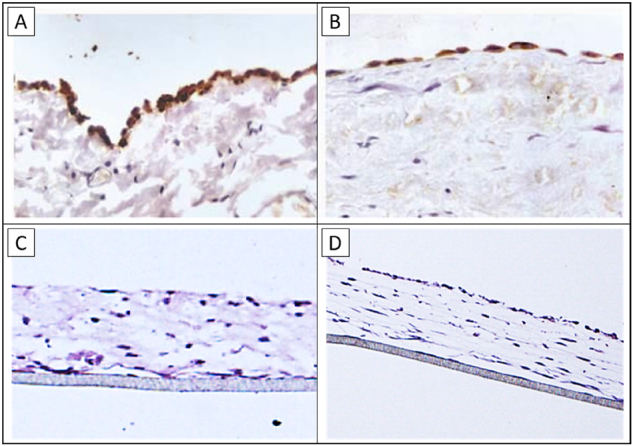 Figure 1
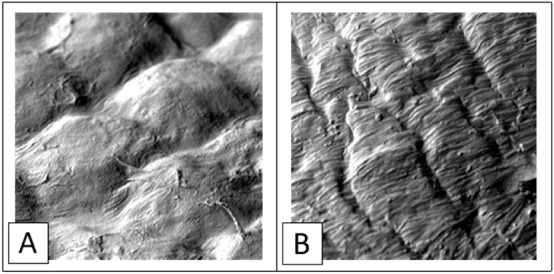 Figure 2
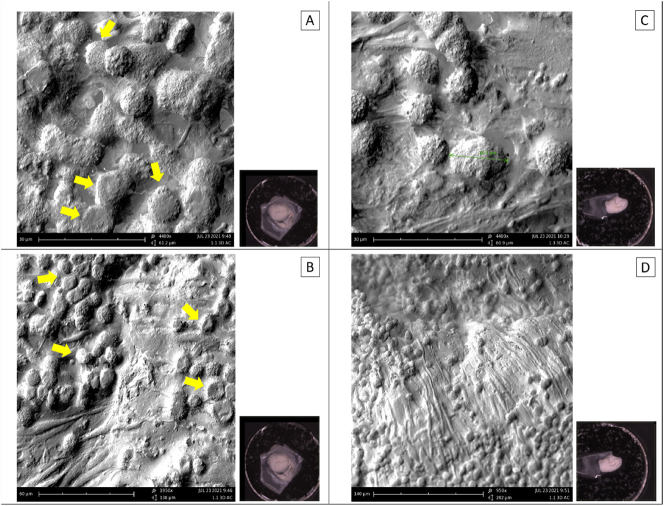 Figure 3
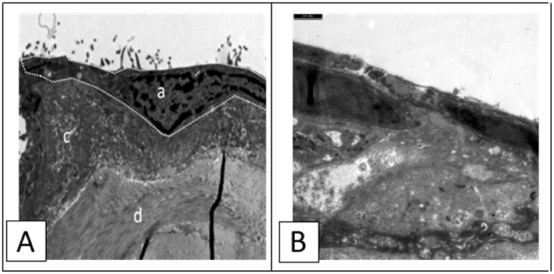 Figure 4
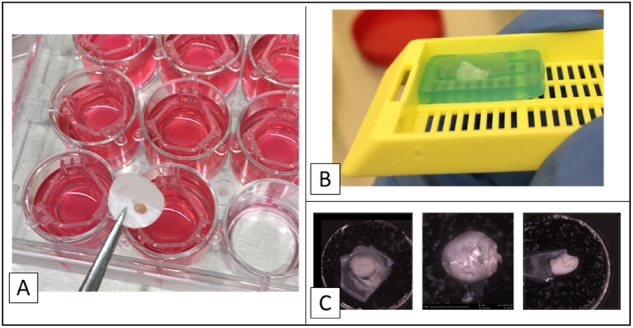 Figure 5
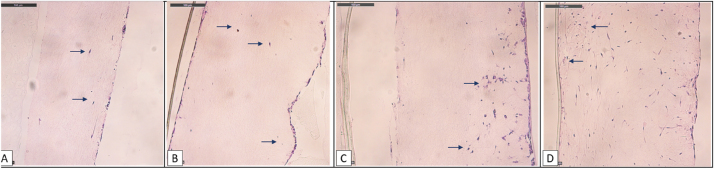 Figure 6
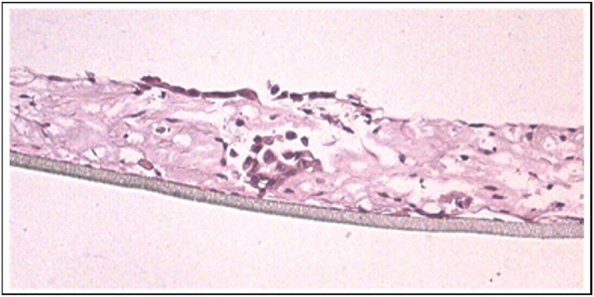 Figure 7
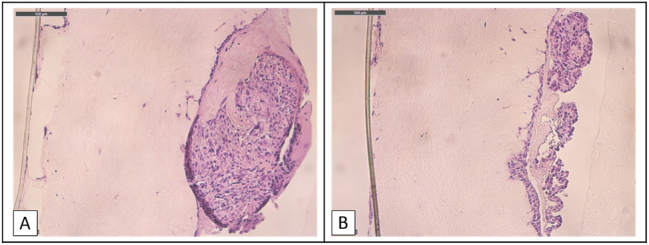 Figure 8
Peer Reviews
No public reviews on file for this paper yet. If you reviewed it on a platform where reviews are public (OpenReview, ICLR, NeurIPS, ICML), you can paste yours below so the community can read it here.
Videos
No videos yet. Explain this paper in a talk, walkthrough, or lecture? Add one.
Taxonomy
TopicsGastrointestinal Tumor Research and Treatment · Cancer Research and Treatments · Intraperitoneal and Appendiceal Malignancies