2-Ethylhexyl Diphenyl Phosphate Affects Steroidogenesis and Lipidome Profile in Human Adrenal (H295R) Cells
Chander K. Negi, Darshak Gadara, Lola Bajard, Zdeněk Spáčil, Ludek Blaha

TL;DR
This study shows that EHDPP, an organophosphate flame retardant, disrupts hormone production and lipid balance in human adrenal cells, suggesting it may act as an endocrine disruptor.
Contribution
The study is the first to demonstrate EHDPP's effects on adrenal steroidogenesis and lipid metabolism in human cells.
Findings
EHDPP exposure increases estradiol, cortisol, and aldosterone secretion in H295R cells.
EHDPP alters lipid profiles, reducing cholesterol esters and sphingolipids while increasing phospholipids and triglycerides.
EHDPP exposure shifts mitochondrial dynamics and affects corticosteroidogenic gene expression.
Abstract
The ever-increasing use of chemicals and the rising incidence of adverse reproductive effects in the modern environment have become an emerging concern. Several studies have shown that environmental contaminants, such as organophosphate flame retardants (OPFRs), negatively impact reproductive health. To evaluate the potential endocrine-related adverse reproductive effects of widely used and priority-listed compound 2-Ethylhexyl diphenyl phosphate (EHDPP), we characterized its effects on adrenal steroidogenesis in human adrenocortical (H295R) cells. The cells were exposed to EHDPP (1 and 5 μM) for 48 h, and the production of hormones, including progesterone, androstenedione, testosterone, estradiol, cortisol, and aldosterone, was measured. In addition, LC-MS/MS-based lipidomics analysis was done to quantify intracellular lipid profiles, and transcriptional assays were performed to…
Genes, proteins, chemicals, diseases, species, mutations and cell lines named across the full text — each resolved to its canonical identifier and authoritative record.
Click any figure to enlarge with its caption.
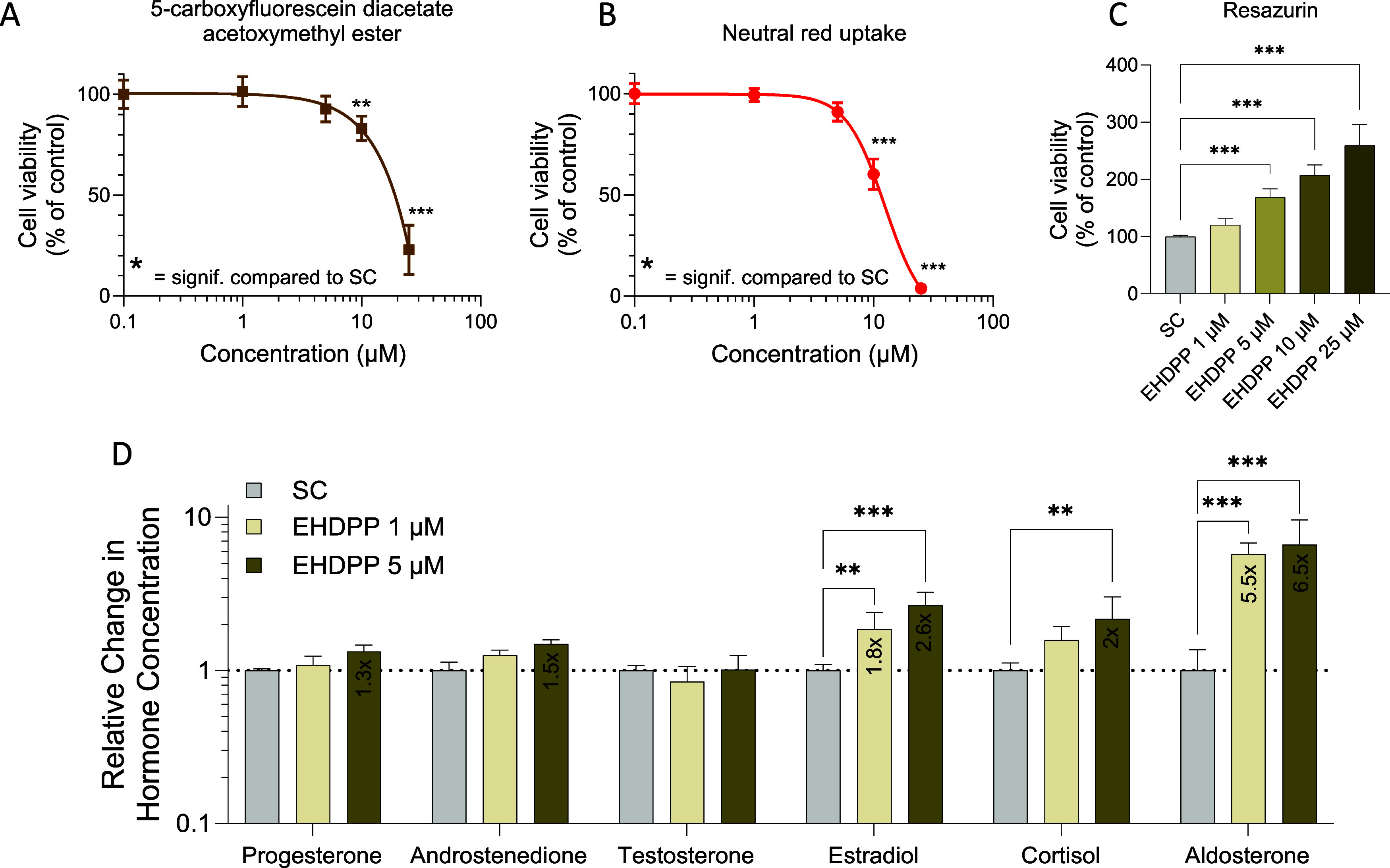 Figure 1
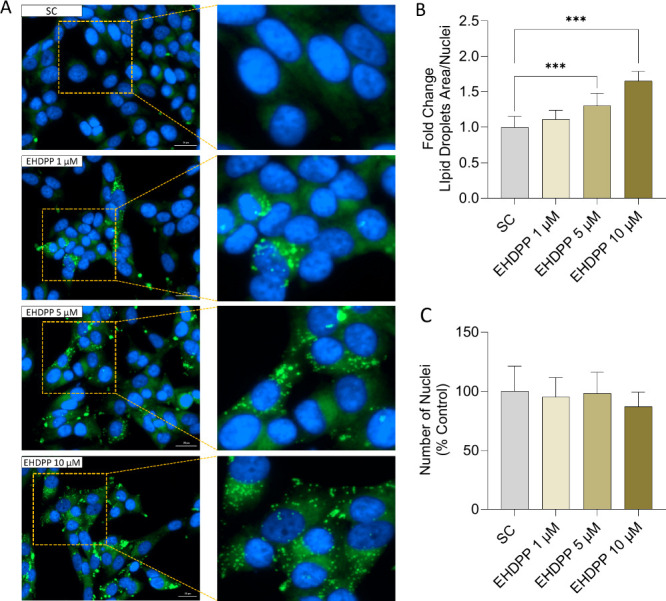 Figure 2
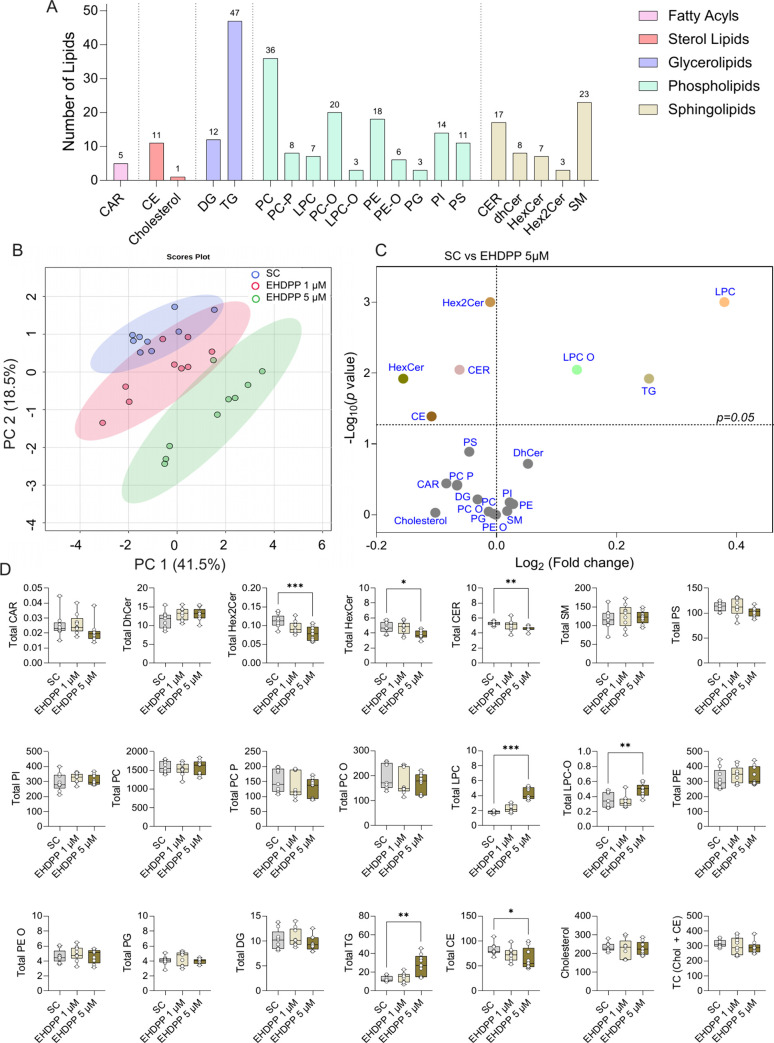 Figure 3
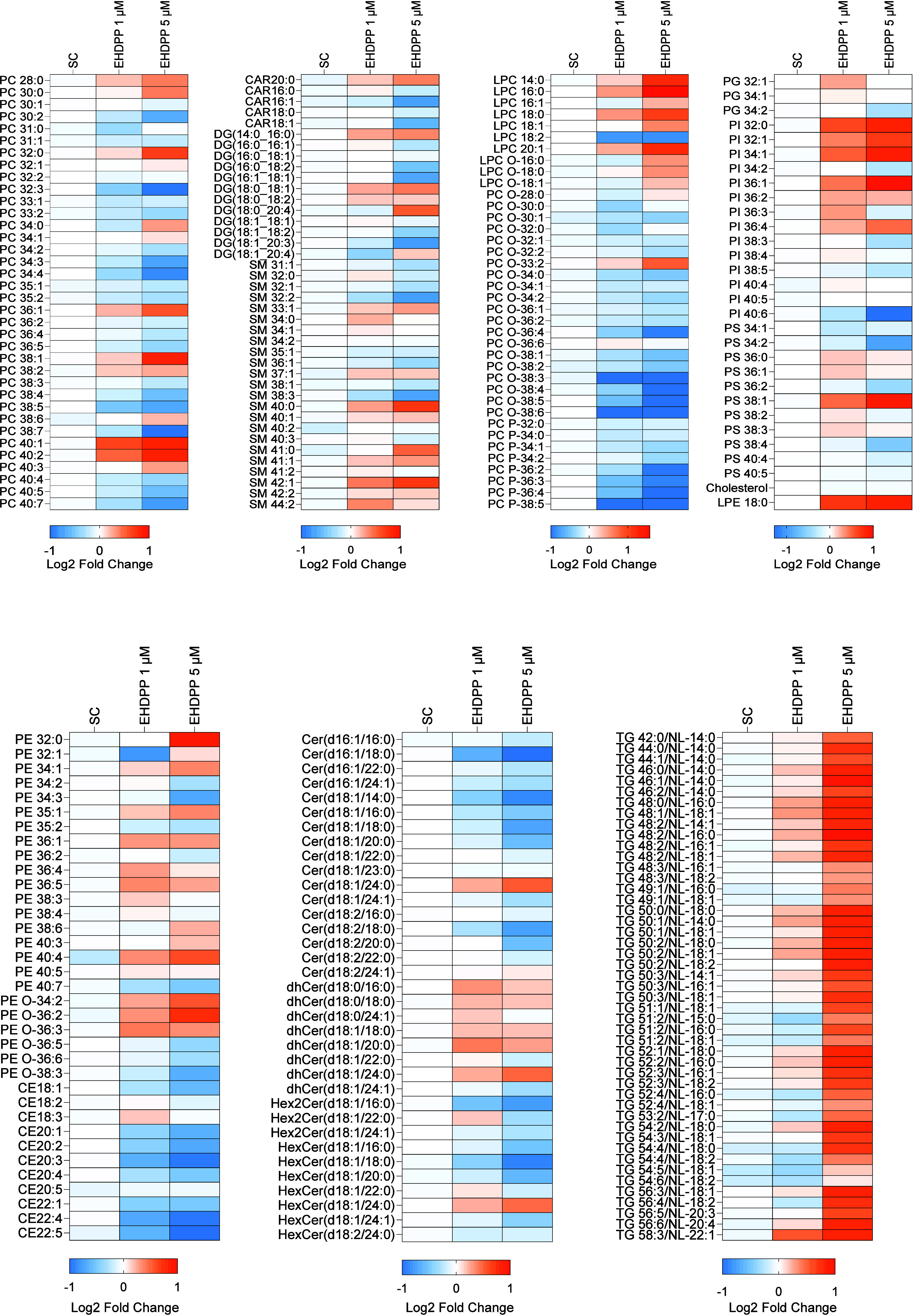 Figure 4
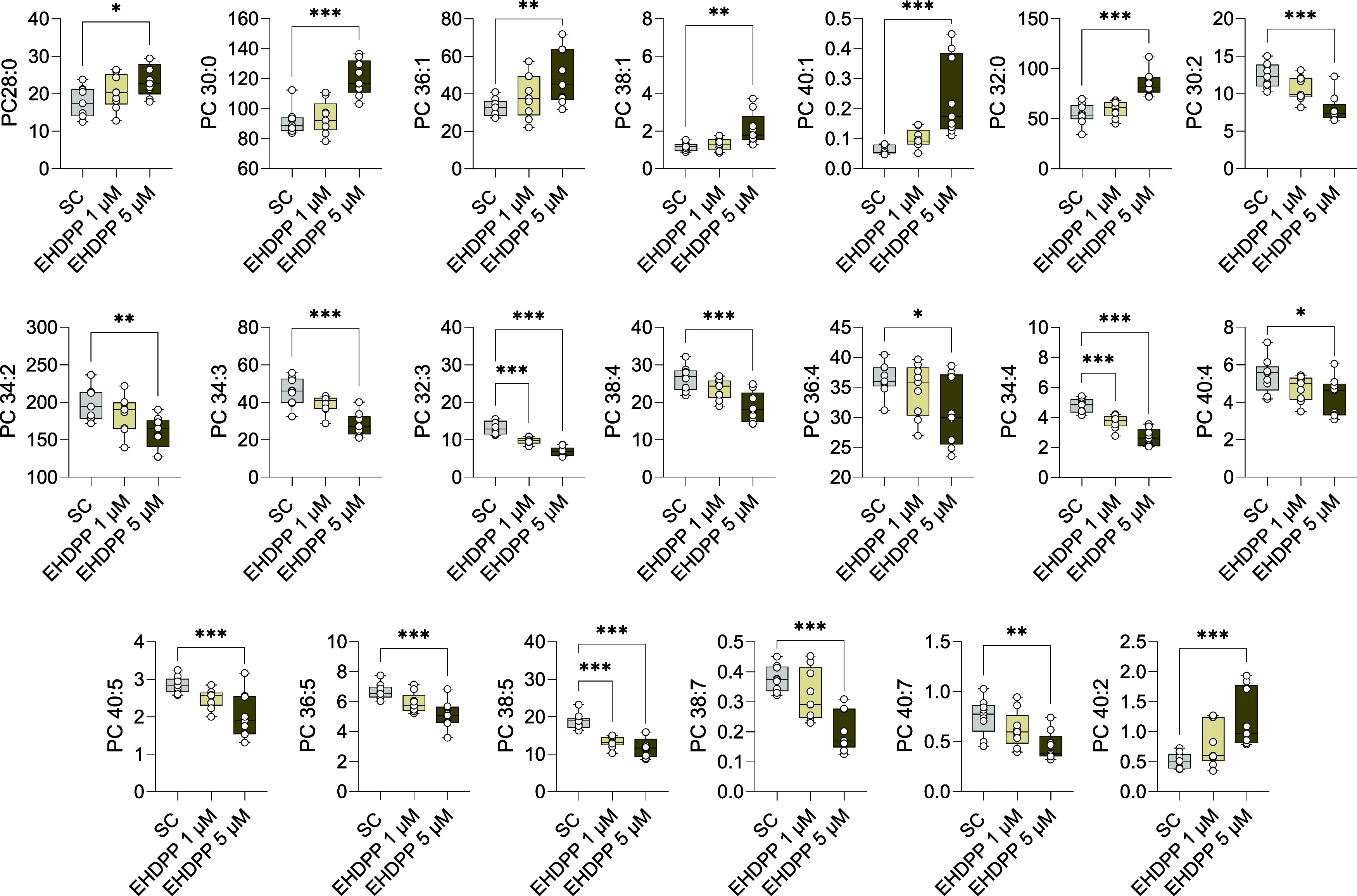 Figure 5
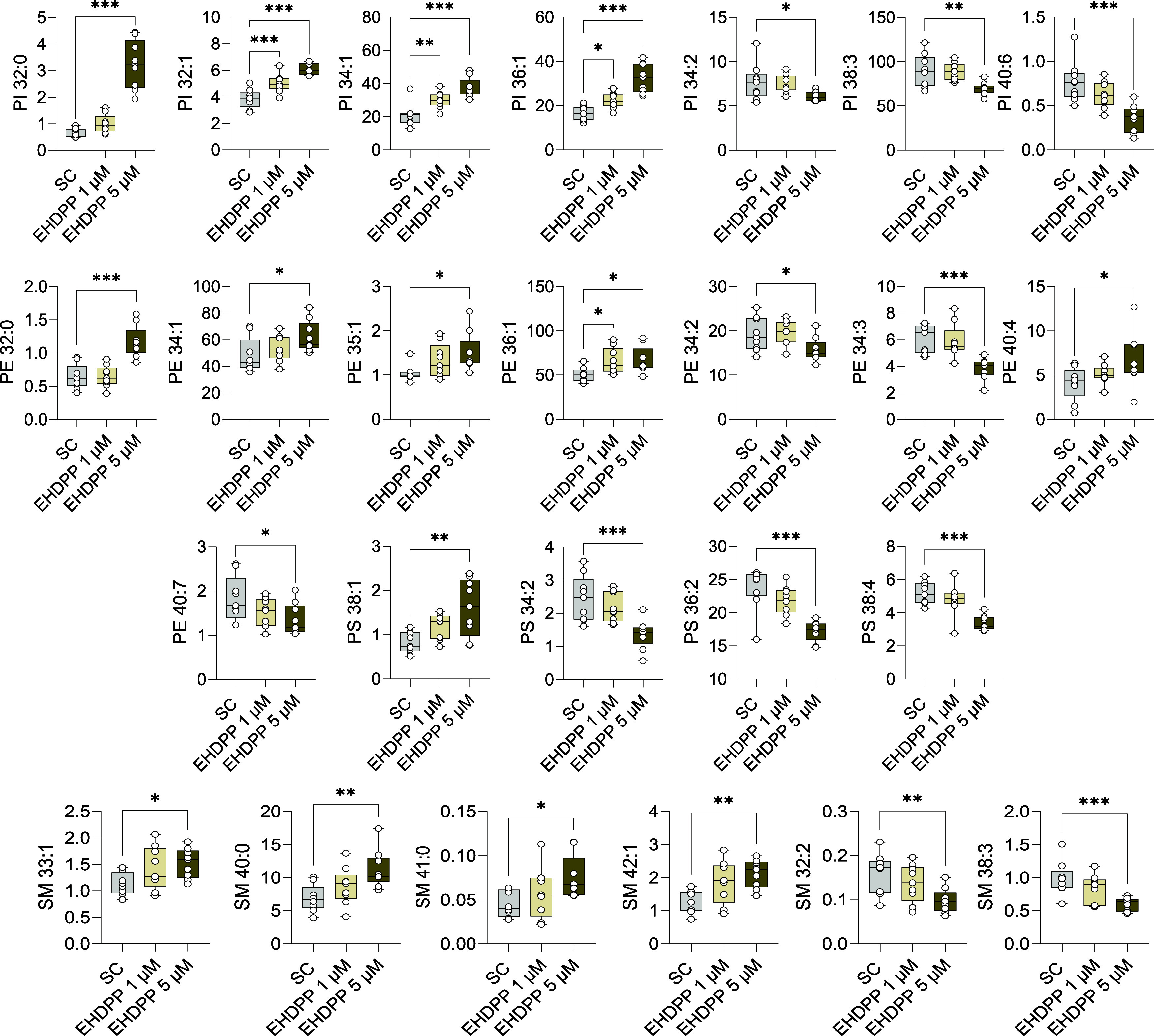 Figure 6
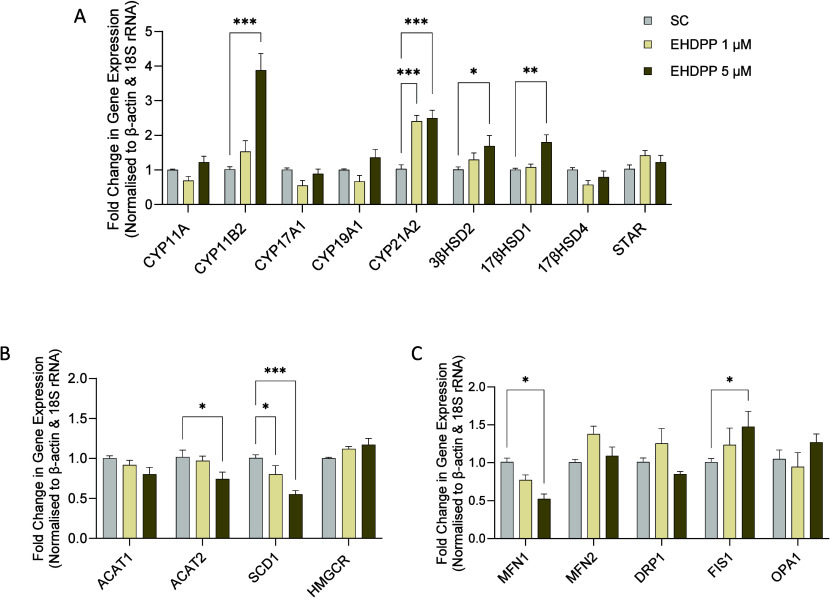 Figure 7
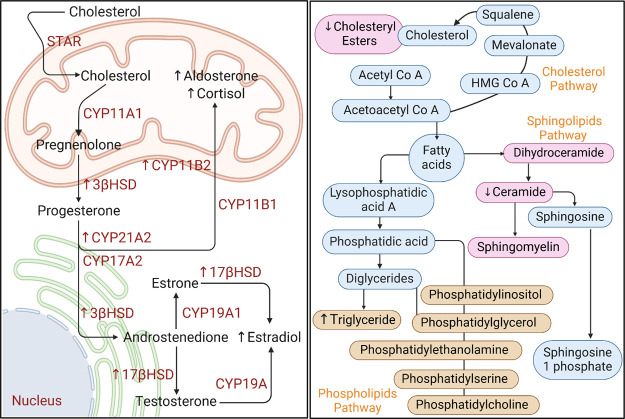 Figure 8
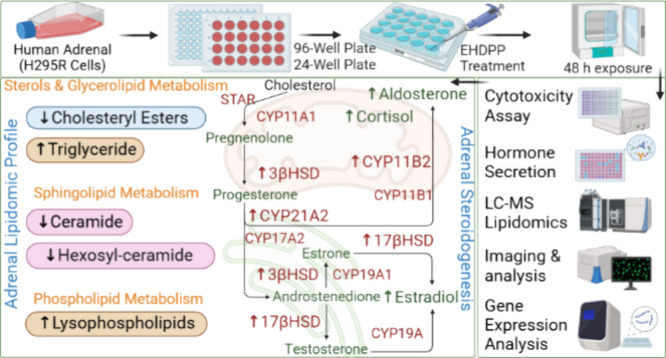 Figure 9
Peer Reviews
No public reviews on file for this paper yet. If you reviewed it on a platform where reviews are public (OpenReview, ICLR, NeurIPS, ICML), you can paste yours below so the community can read it here.
Videos
No videos yet. Explain this paper in a talk, walkthrough, or lecture? Add one.
Taxonomy
TopicsAdipose Tissue and Metabolism · Hormonal and reproductive studies · Fatty Acid Research and Health