BCI move: exploring pediatric BCI-controlled power mobility
Leah Hammond, Danette Rowley, Corinne Tuck, Erica Danielle Floreani, Amy Wieler, Vella Shin-Hyung Kim, Hosein Bahari, John Andersen, Adam Kirton, Eli Kinney-Lang

TL;DR
This study explores how children with severe physical disabilities can use brain-computer interfaces to control powered mobility devices, showing improvements in performance and skill acquisition.
Contribution
The study introduces a practical framework for BCI-enabled power mobility training tailored to children with severe disabilities.
Findings
Participants showed significant improvements in performance and satisfaction with BCI-controlled mobility.
Most participants achieved increased power mobility skills over time.
BCI setup was practical, but calibration consistency varied.
Abstract
Children and young people (CYP) with severe physical disabilities often experience barriers to independent mobility, placing them at risk for developmental impairments and restricting their independence and participation. Pilot work suggests that brain-computer interface (BCIs) could enable powered mobility control for children with motor disabilities. We explored how severely disabled CYP could use BCI to achieve individualized, functional power mobility goals and acquire power mobility skills. We also explored the practicality of pediatric BCI-enabled power mobility. Nine CYP aged 7-17 years with severe physical disabilities and their caregivers participated in up to 12 BCI-enabled power mobility training sessions focused on a personalized power mobility goal. Goal achievement was assessed using the Canadian Occupational Performance Measure (COPM) and Goal Attainment Scaling (GAS).…
Genes, proteins, chemicals, diseases, species, mutations and cell lines named across the full text — each resolved to its canonical identifier and authoritative record.
Click any figure to enlarge with its caption.
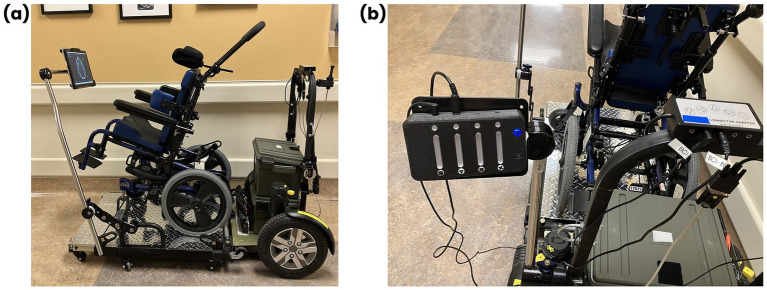 Figure 1
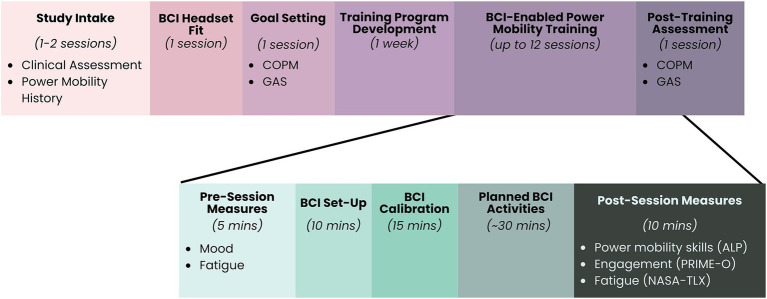 Figure 2
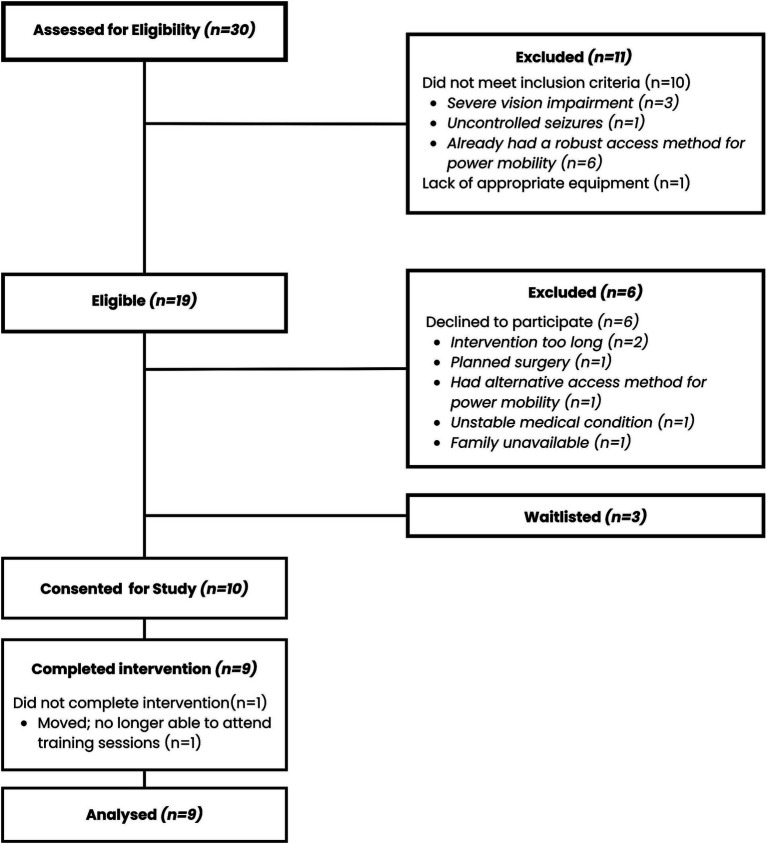 Figure 3
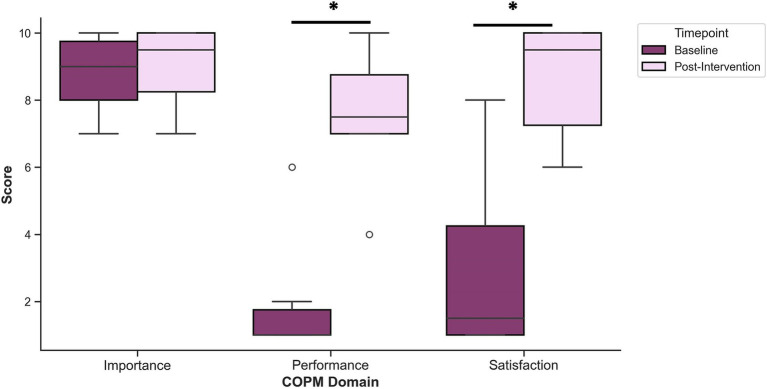 Figure 4
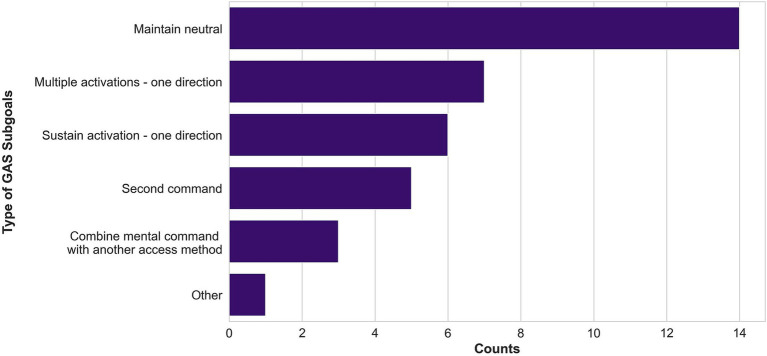 Figure 5
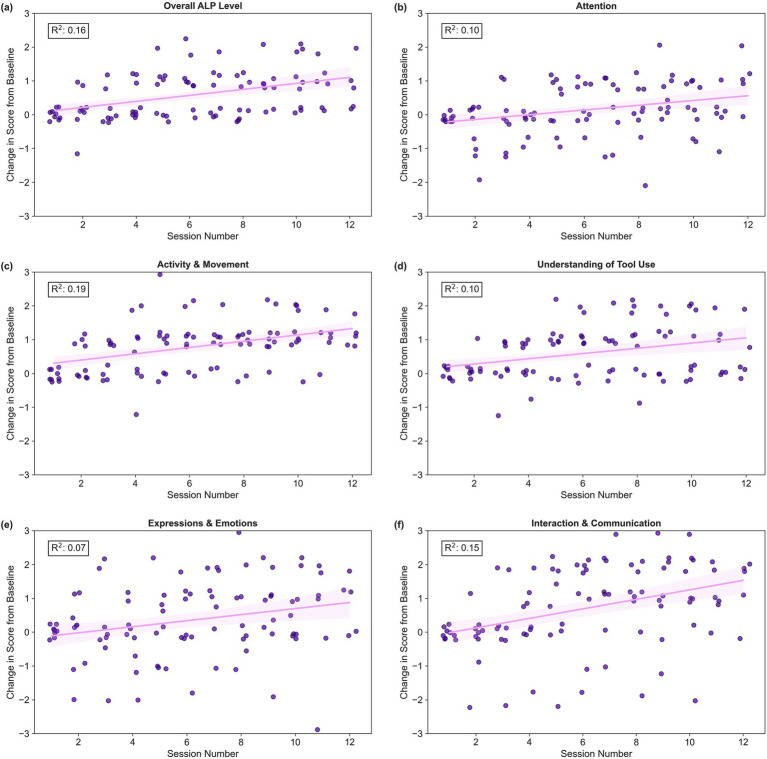 Figure 6
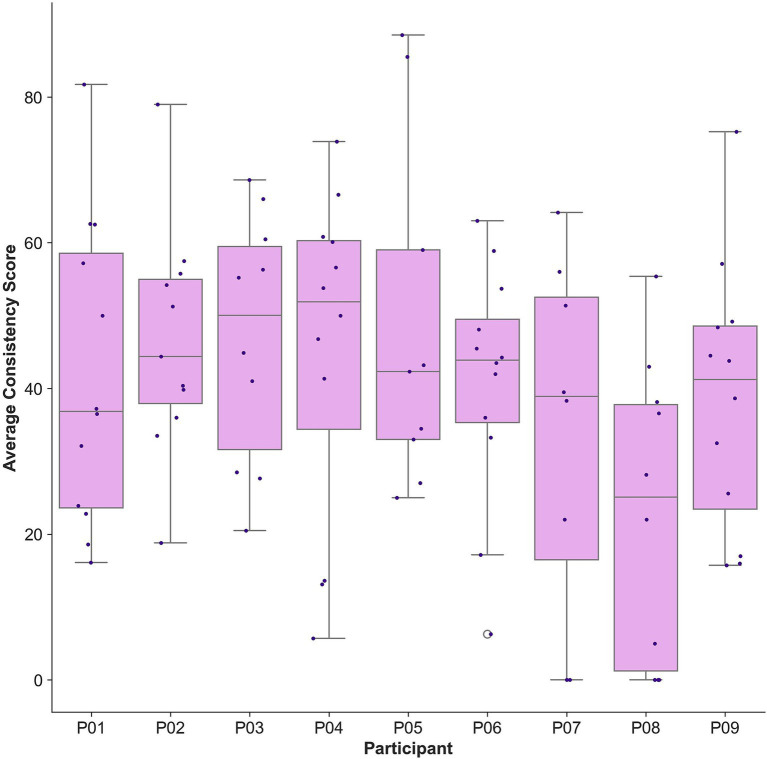 Figure 7
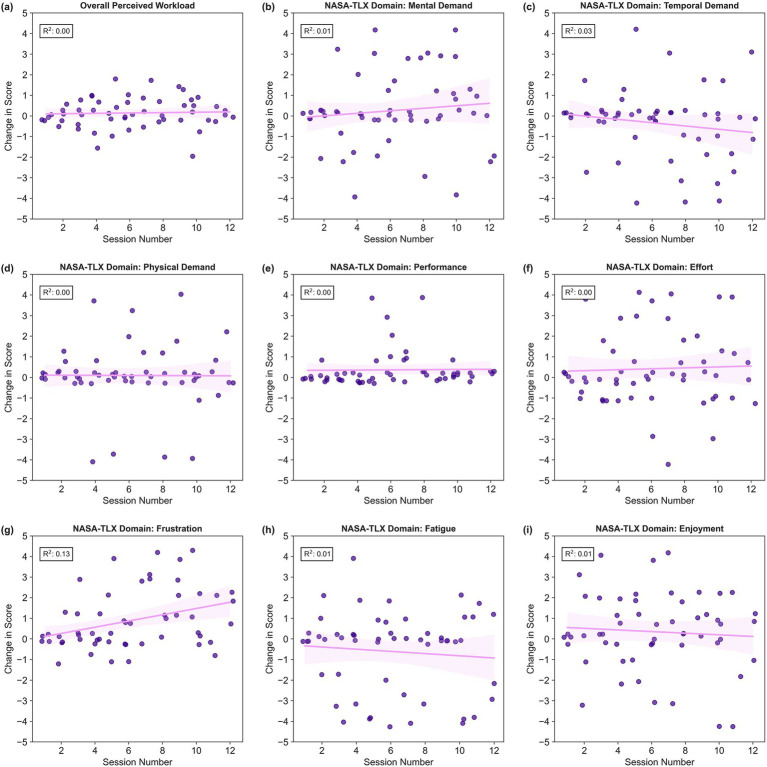 Figure 8
Peer Reviews
No public reviews on file for this paper yet. If you reviewed it on a platform where reviews are public (OpenReview, ICLR, NeurIPS, ICML), you can paste yours below so the community can read it here.
Videos
No videos yet. Explain this paper in a talk, walkthrough, or lecture? Add one.
Taxonomy
TopicsEEG and Brain-Computer Interfaces · Assistive Technology in Communication and Mobility · Gaze Tracking and Assistive Technology