Reconciling the Neurophysiological and Cognitive Theories of Stimulus–Response Spatial Compatibility Effects: A Visual–Motor Dissociation Approach
Elton H. Matsushima, Jose Antonio Aznar-Casanova

TL;DR
This study explores how different visual processing pathways affect reaction times in spatial tasks, revealing distinct patterns of interaction.
Contribution
The research introduces a visual–motor dissociation approach to bridge neurophysiological and cognitive theories of spatial compatibility.
Findings
In the Direction Stroop, both the ventral and dorsal pathways influenced performance equally.
The Location Stroop showed minimal interference from the ventral pathway on the dorsal pathway.
Keyboard rotation disrupted hand-eye coordination, affecting pathway interactions in the Direction Stroop.
Abstract
This study investigated the differential impact of two visual dimensions (direction and spatial location) in two spatial Stroop tasks, where the relevant dimension for the response varied. Three studies compared the interactions between spatial compatibility and congruence effects on reaction time performances to infer how the dorsal pathway (DP) and ventral pathway (VP) of visual processing interfered with one another in processing relevant and irrelevant spatial information. This allowed us to bridge neurophysiological mechanisms with dual-process models of spatial compatibility. The participants responded from an avatar’s perspective, manipulated through rotations relative to the forward position, along with independent rotations of the avatar’s screen and keyboard. The results revealed two distinct response patterns: in the Direction Stroop, the performance was influenced equally by…
Genes, proteins, chemicals, diseases, species, mutations and cell lines named across the full text — each resolved to its canonical identifier and authoritative record.
Click any figure to enlarge with its caption.
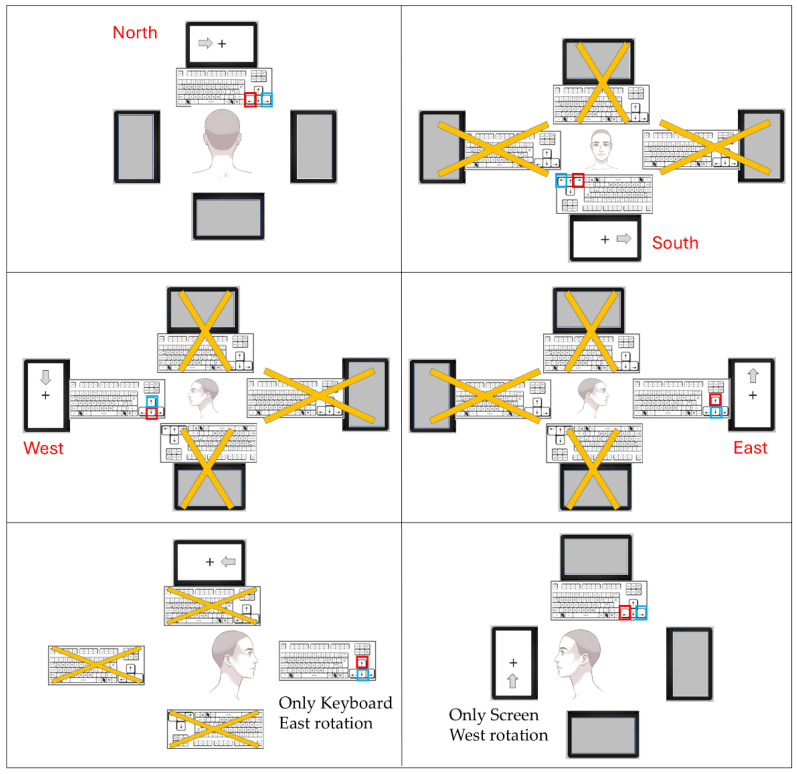 Figure 1
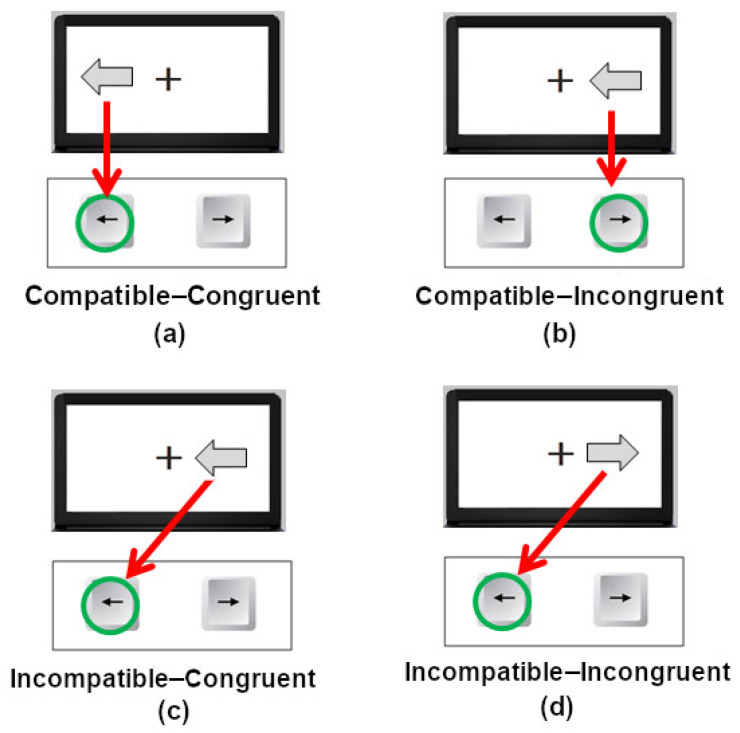 Figure 2
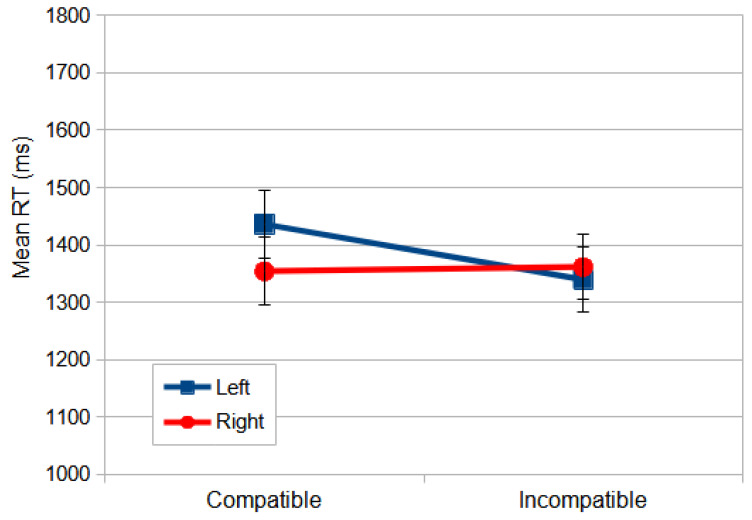 Figure 3
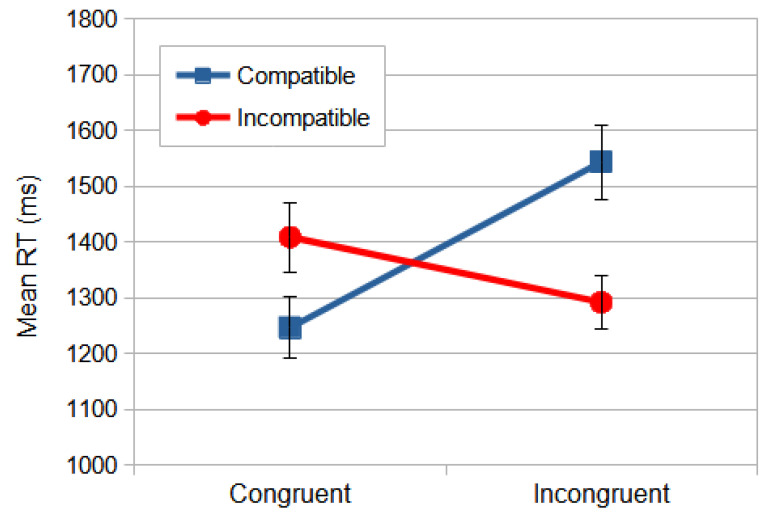 Figure 4
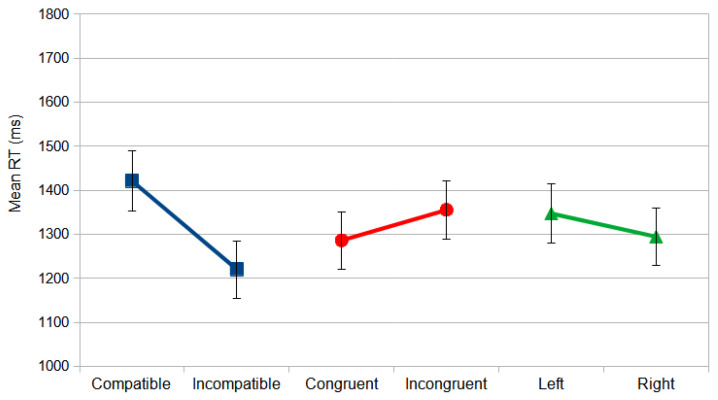 Figure 5
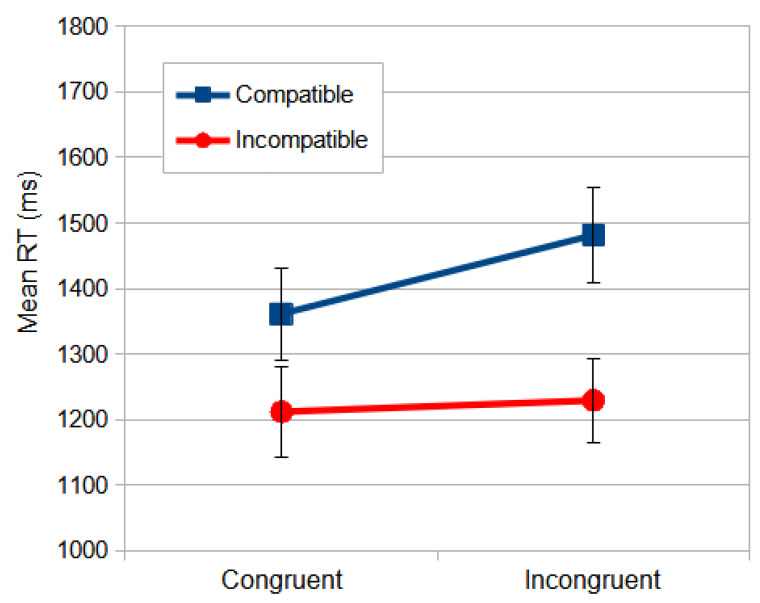 Figure 6
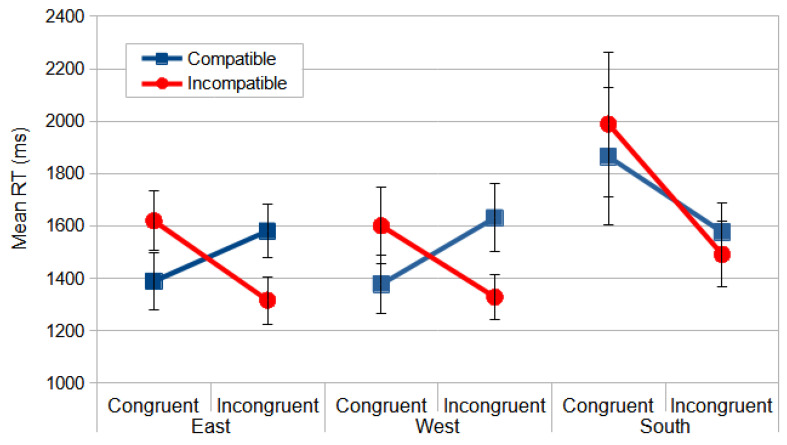 Figure 7
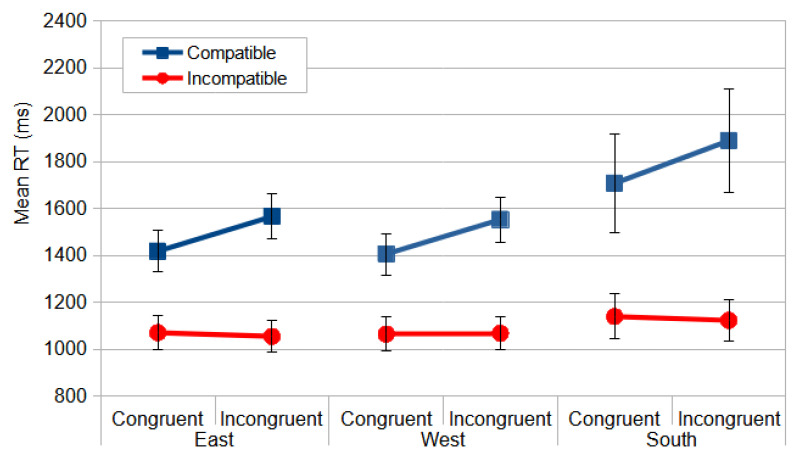 Figure 8
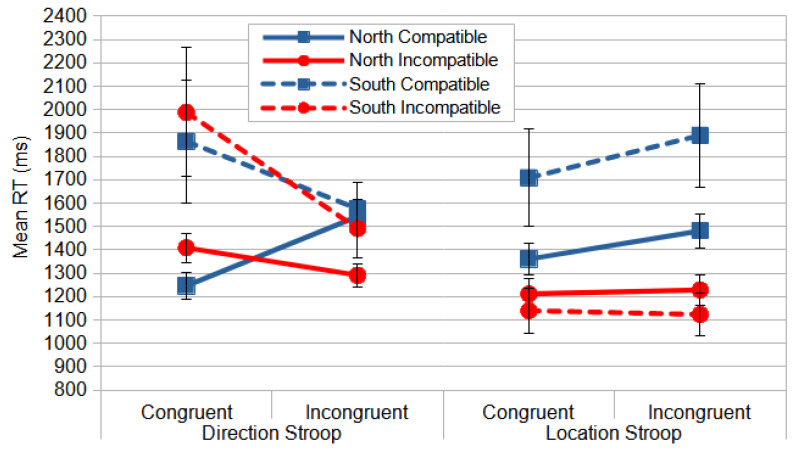 Figure 9
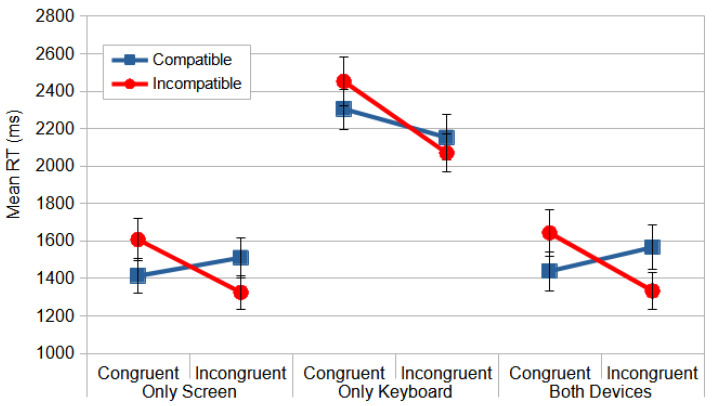 Figure 10
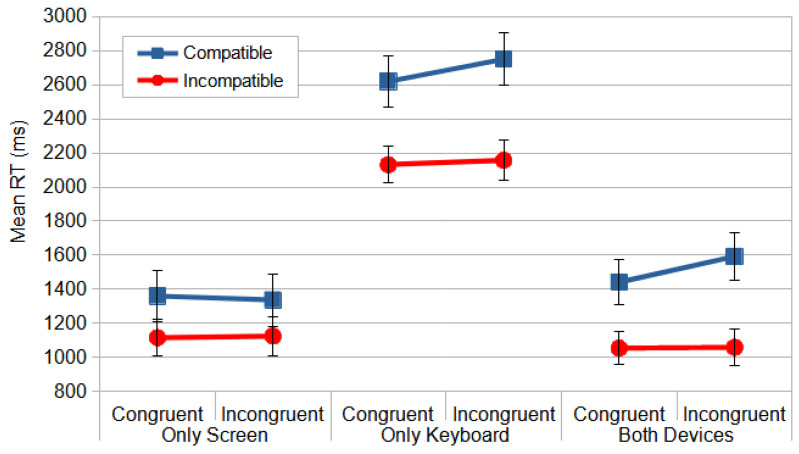 Figure 11
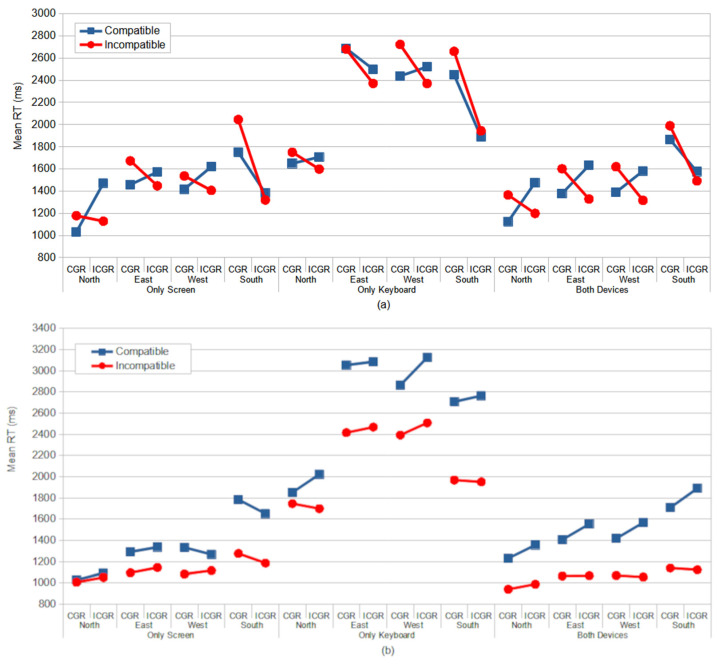 Figure 12
Peer Reviews
No public reviews on file for this paper yet. If you reviewed it on a platform where reviews are public (OpenReview, ICLR, NeurIPS, ICML), you can paste yours below so the community can read it here.
Videos
No videos yet. Explain this paper in a talk, walkthrough, or lecture? Add one.
Taxonomy
TopicsMotor Control and Adaptation · Visual perception and processing mechanisms · Neural and Behavioral Psychology Studies