Sensory Modality in Students Enrolled in a Specialized Training Program for Security Forces and Its Impact on Karate Performance Indicators
Ivan Uher, Ján Pivovarník, Mária Majherová

TL;DR
This study explores how students' sensory preferences change during a three-year security forces training program and how these changes affect their karate performance.
Contribution
The study introduces a theoretical model suggesting that balanced engagement of visual, auditory, and kinesthetic modalities enhances martial arts performance.
Findings
Students showed a positive shift toward a balanced use of sensory modalities after three years of training.
Higher-ranked students demonstrated a more optimal distribution of sensory modalities.
Females showed more progress in sensory synergy and situational evaluation during decision-making.
Abstract
Objectives: The present study examined the sensory preferences adopted by students over three years of training in a specialized training program for security forces (STPSF). It determines their impact on karate performance metrics. Methods: Thirty-one students aged 20 to 26 (SD = 0.81) completed the modified Visual, Aural, Read/Write, and Kinesthetic questionnaire (VARK), a tool designed to help identify students’ preferred learning styles. This research suggests a theoretical model in which the balanced and optimal engagement of visual, auditory, and kinesthetic modalities rather than a strict mathematical equation might provide an optimal foundation for improving proficiency in martial arts. Balanced engagement of these sensory modalities can foster a deeper understanding of karate techniques, improve performance, minimize dependence on a single sensory channel, and bolster real-time…
Genes, proteins, chemicals, diseases, species, mutations and cell lines named across the full text — each resolved to its canonical identifier and authoritative record.
Click any figure to enlarge with its caption.
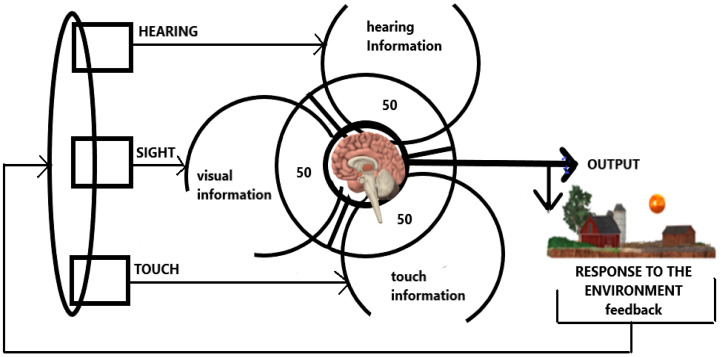 Figure 1
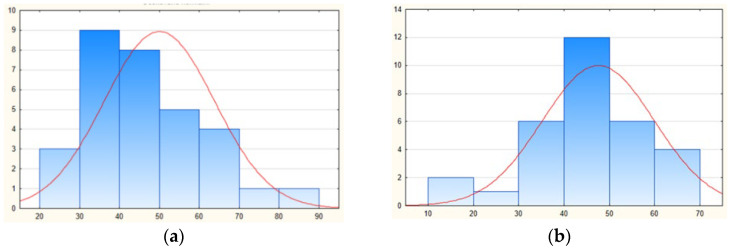 Figure 2
Peer Reviews
No public reviews on file for this paper yet. If you reviewed it on a platform where reviews are public (OpenReview, ICLR, NeurIPS, ICML), you can paste yours below so the community can read it here.
Videos
No videos yet. Explain this paper in a talk, walkthrough, or lecture? Add one.
Taxonomy
TopicsSport Psychology and Performance · Sports Performance and Training · Sports and Physical Education Research