Gaze Error Estimation and Linear Transformation to Improve Accuracy of Video-Based Eye Trackers
Varun Padikal, Alex Plonkowski, Penelope F. Lawton, Laura K. Young, Jenny C. A. Read

TL;DR
This paper introduces a method to enhance the accuracy of eye tracking systems using linear transformations.
Contribution
The novel contribution is the use of linear coordinate transformations to correct gaze errors in video-based eye trackers.
Findings
Linear transformations significantly improve gaze accuracy over a large field of view.
The method involves stretching, shearing, and translating coordinates to correct errors.
Abstract
Eye tracking technology plays a crucial role in various fields such as psychology, medical training, marketing, and human–computer interaction. However, achieving high accuracy over a larger field of view in eye tracking systems remains a significant challenge, both in free viewing and in a head-stabilized condition. In this paper, we propose a simple approach to improve the accuracy of video-based eye trackers through the implementation of linear coordinate transformations. This method involves applying stretching, shearing, translation, or their combinations to correct gaze accuracy errors. Our investigation shows that re-calibrating the eye tracker via linear transformations significantly improves the accuracy of video-based tracker over a large field of view.
Genes, proteins, chemicals, diseases, species, mutations and cell lines named across the full text — each resolved to its canonical identifier and authoritative record.
Click any figure to enlarge with its caption.
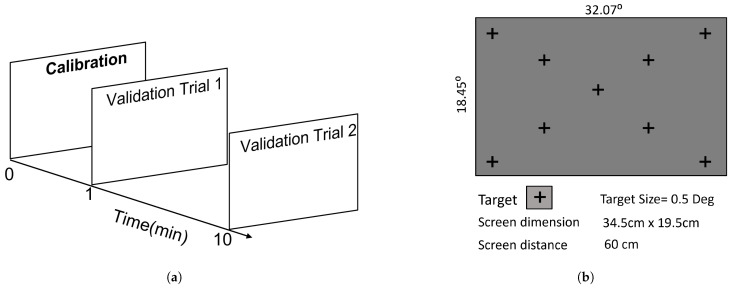 Figure 1
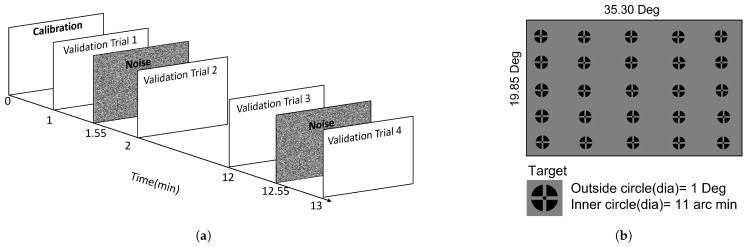 Figure 2
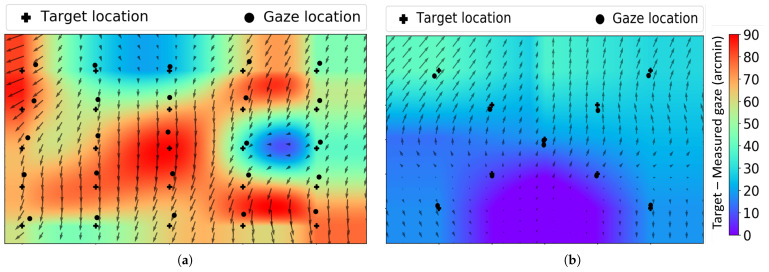 Figure 3
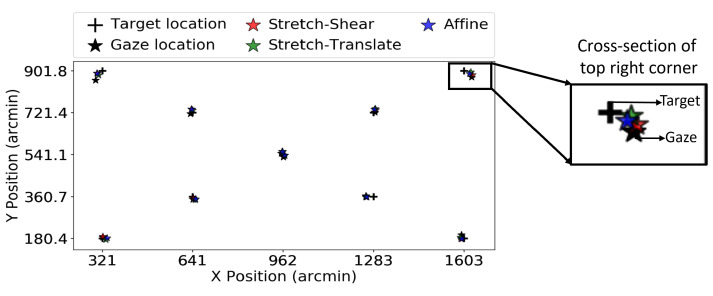 Figure 4
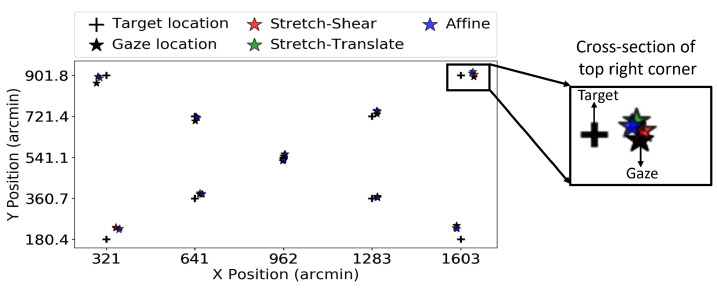 Figure 5
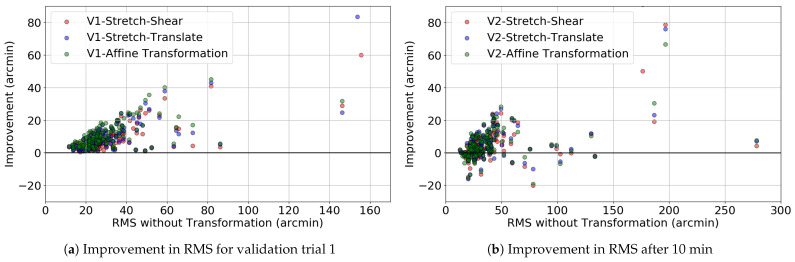 Figure 6
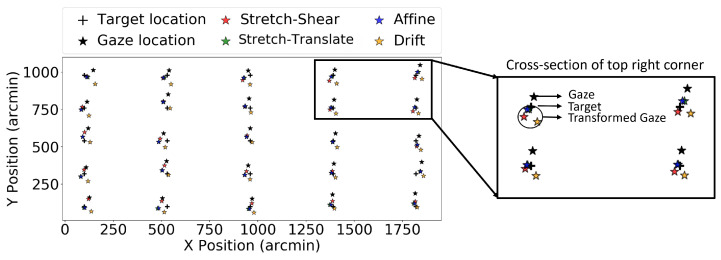 Figure 7
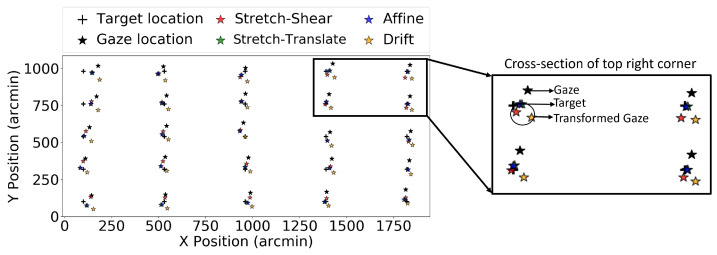 Figure 8
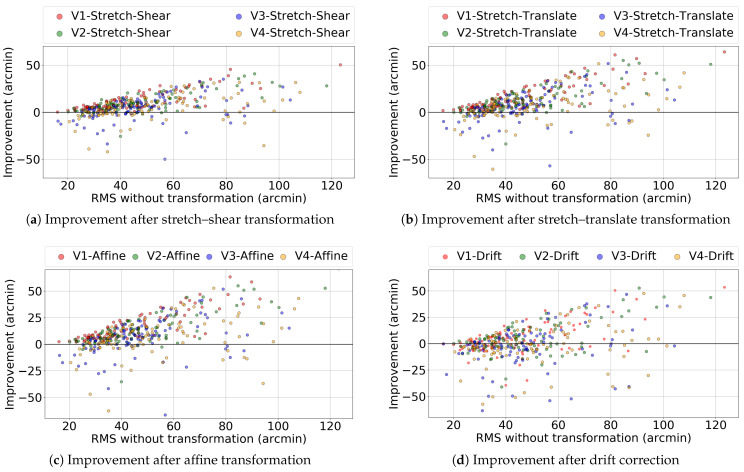 Figure 9
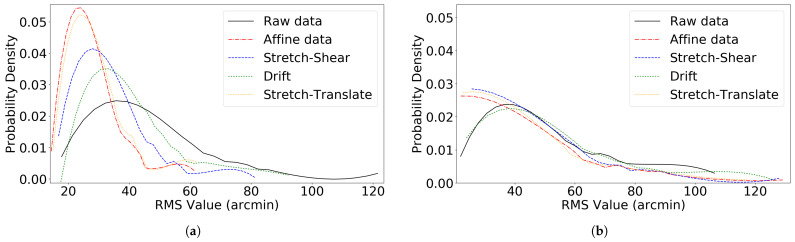 Figure 10
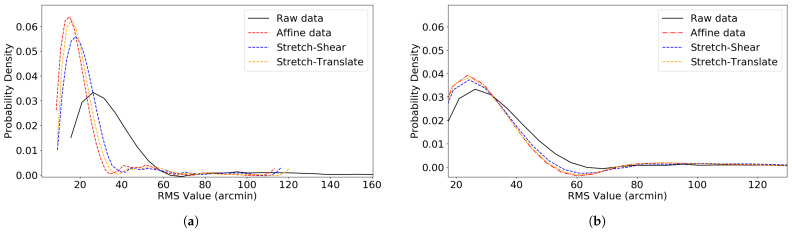 Figure 11
Peer Reviews
No public reviews on file for this paper yet. If you reviewed it on a platform where reviews are public (OpenReview, ICLR, NeurIPS, ICML), you can paste yours below so the community can read it here.
Videos
No videos yet. Explain this paper in a talk, walkthrough, or lecture? Add one.
Taxonomy
TopicsGaze Tracking and Assistive Technology · Glaucoma and retinal disorders · Image and Video Stabilization