Visualizing Catalytic Oxidation of Tryptophan by Nanoceria via an Oligonuclear Cerium Oxo-Complex Model
Sara Targonska, Francesca Greenwell, Tatiana Agback, Gulaim A. Seisenbaeva, Vadim G. Kessler

TL;DR
Researchers studied how a cerium complex can directly oxidize tryptophan, mimicking the activity of ceria nanoparticles in biological systems.
Contribution
The study reveals a direct oxidation mechanism of tryptophan by a cerium oxo-complex without reactive oxygen species intermediates.
Findings
A hexanuclear cerium oxo-complex (Ce-BA-DMF) was structurally characterized using X-ray crystallography.
The CeIV/III redox couple in the complex can directly oxidize tryptophan through electron-and-proton transfer.
This mechanism mimics the nanozyme activity of ceria nanoparticles in catalytic oxidation.
Abstract
Metal oxide species interact with biologically relevant molecules, which are crucial to the life cycle of plants and animals. Metal oxides can also act as catalysts in various reactions required for proper plant development. In this study, we investigated the hydrolysis of inorganic Ce(IV) precursors in the presence of carboxylic acids, leading to the formation of oligonuclear cerium oxo-complexes. The structure of the species was obtained by X-ray single-crystal studies and found to be hexanuclear, with the composition Ce6O4(OH)4(H2O)2(NO3)3(C7H5O2)9(C3H7NO)4 (Ce-BA-DMF). The catalytic properties of these complexes on the oxidation of amino acids have been investigated, aiming to establish a transformation mechanism providing insights into both molecular and surface interactions. A redox feature assigned to the CeIV/III couple in the cerium oxo-complex was observed by cyclic…
Genes, proteins, chemicals, diseases, species, mutations and cell lines named across the full text — each resolved to its canonical identifier and authoritative record.
Click any figure to enlarge with its caption.
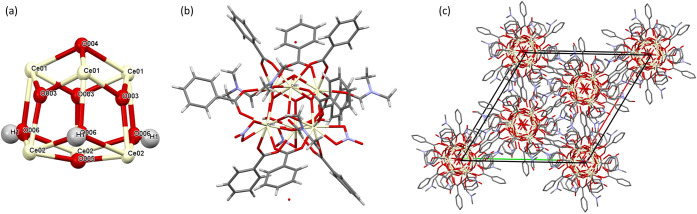 Figure 1
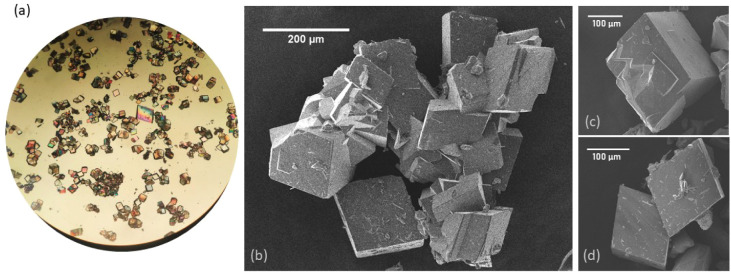 Figure 2
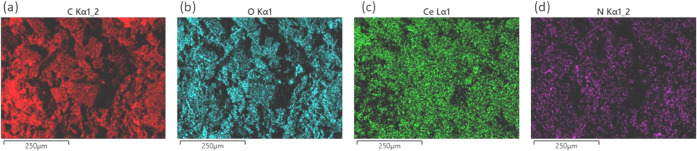 Figure 3
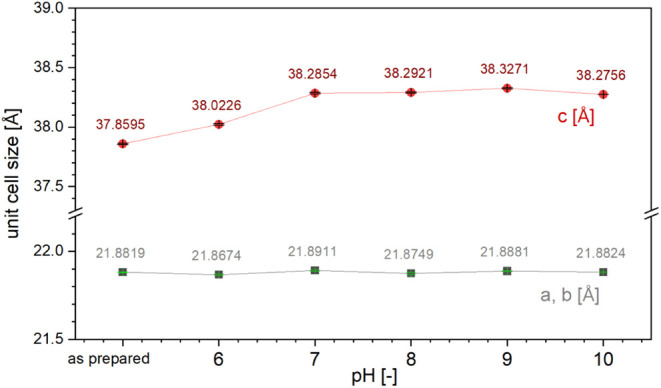 Figure 4
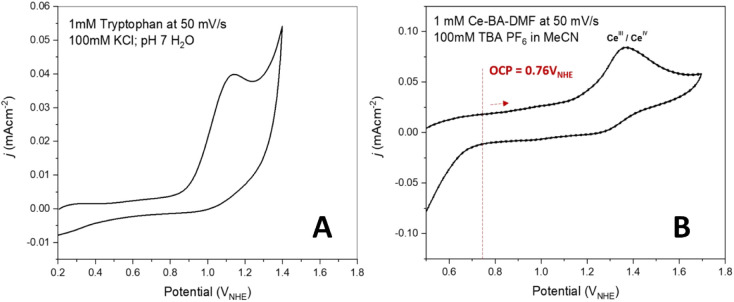 Figure 5
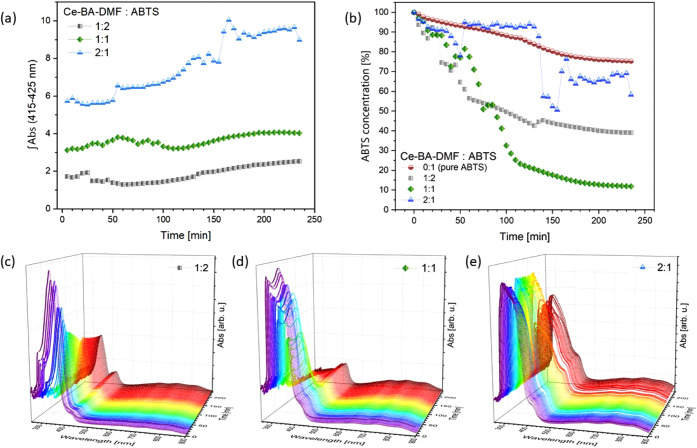 Figure 6
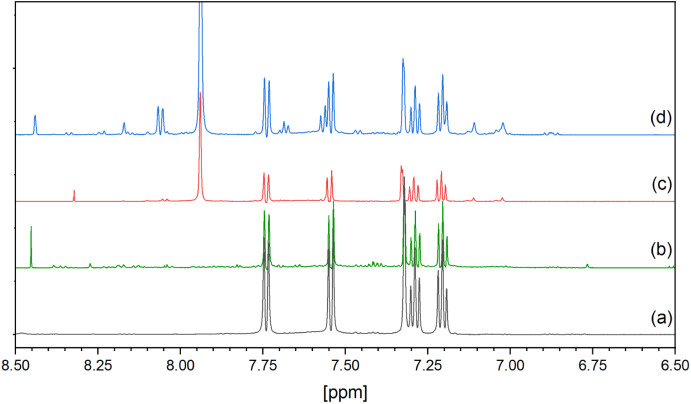 Figure 7
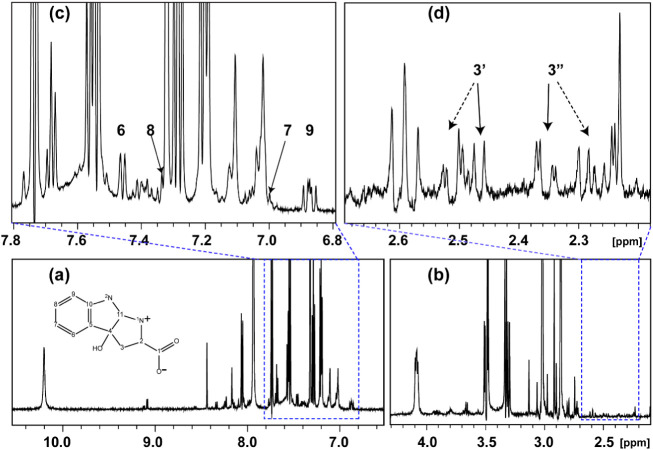 Figure 8
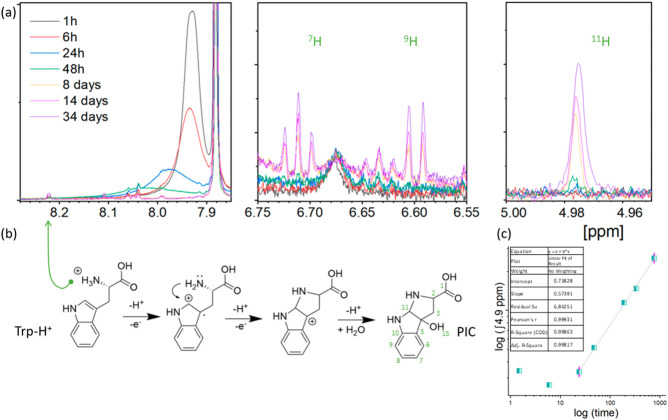 Figure 9
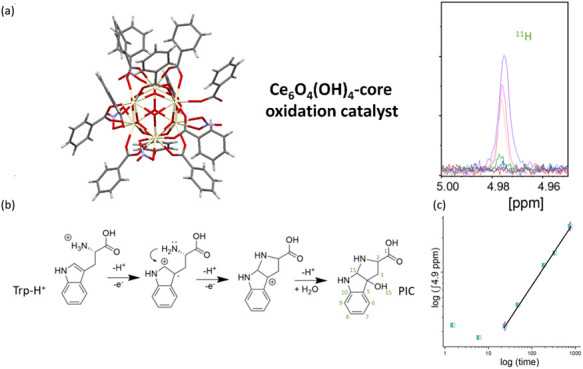 Figure 10
 Figure 11
 Figure 12
Peer Reviews
No public reviews on file for this paper yet. If you reviewed it on a platform where reviews are public (OpenReview, ICLR, NeurIPS, ICML), you can paste yours below so the community can read it here.
Videos
No videos yet. Explain this paper in a talk, walkthrough, or lecture? Add one.
Taxonomy
TopicsAdvanced Nanomaterials in Catalysis · Electrochemical sensors and biosensors · Electrochemical Analysis and Applications