Histological and Immunohistochemical Insights into Disc Perforation in the Temporomandibular Joint: A Case Report
Josè Freni, Antonio Centofanti, Fabiana Nicita, Davide Labellarte, Giovanna Vermiglio, Michele Runci Anastasi

TL;DR
This case report examines the tissue changes in a perforated TMJ disc, revealing how mechanical stress and inflammation contribute to its degeneration.
Contribution
The study provides novel histological and immunofluorescence insights into the mechanisms of disc perforation in TMJ disorders.
Findings
Perforated disc tissue showed disorganized collagen fibers and increased fibro-chondrocytes with vascular proliferation.
Reduced collagen type I and fibrillin-1, along with elevated MMP-3, MMP-9, and CD68, indicated ECM degradation and inflammation.
The findings highlight biomechanical stress and inflammation as key factors in TMJ disc perforation.
Abstract
Background/Objectives: Anterior disc displacement without reduction (ADDwoR) is a temporomandibular joint (TMJ) disorder characterized by progressive dysfunction and potential complications. Persistent displacement leads to abnormal mechanical stress, predisposing the TMJ disc to structural degeneration, including perforation. This case report aimed to examine the histological and immunofluorescence characteristics of perforated disc tissue to elucidate the mechanisms contributing to its pathology. Methods: A 50-year-old patient with bilateral ADDwoR and disc perforation underwent functional arthroplasty. Tissue samples from the perforated disc were histologically analyzed using hematoxylin–eosin and Azan Mallory staining. Immunofluorescence was performed to assess the expression of collagen type I, fibrillin-1, matrix metalloproteinases (MMPs)-3 and -9, and cluster of differentiation…
Genes, proteins, chemicals, diseases, species, mutations and cell lines named across the full text — each resolved to its canonical identifier and authoritative record.
Click any figure to enlarge with its caption.
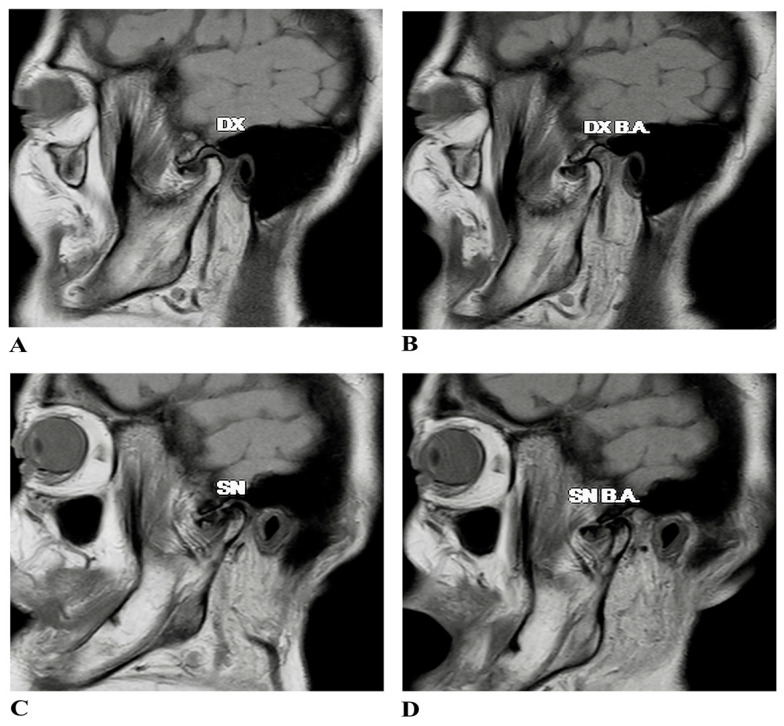 Figure 1
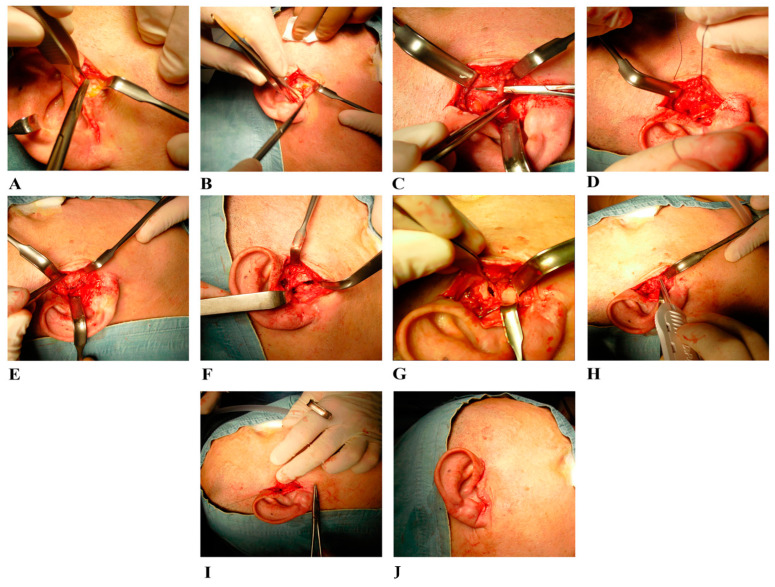 Figure 2
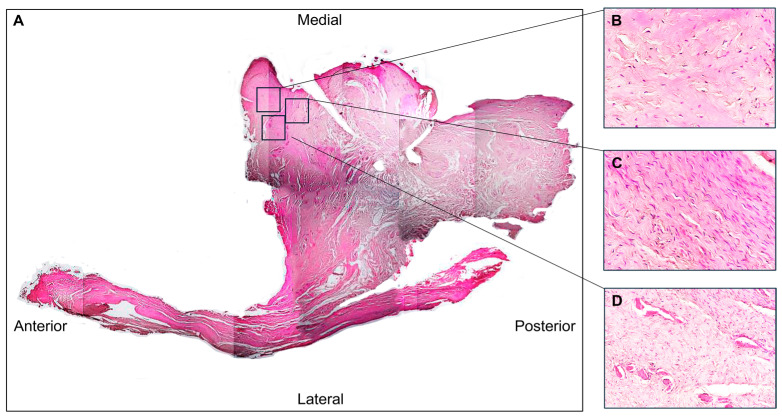 Figure 3
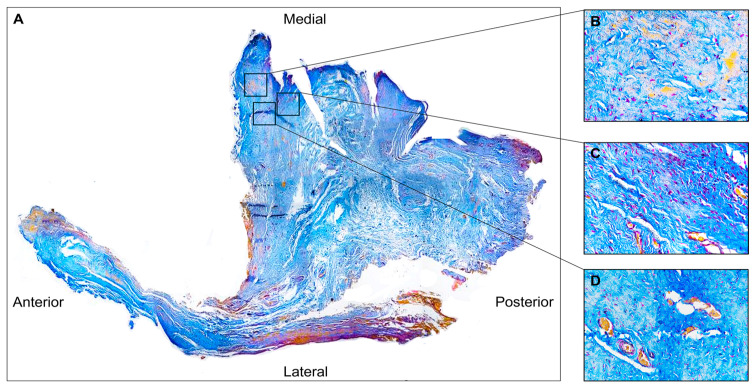 Figure 4
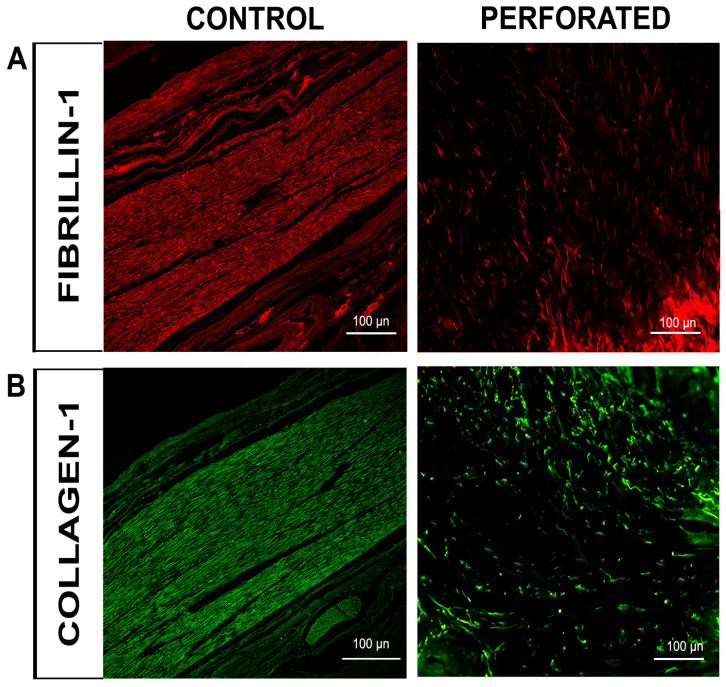 Figure 5
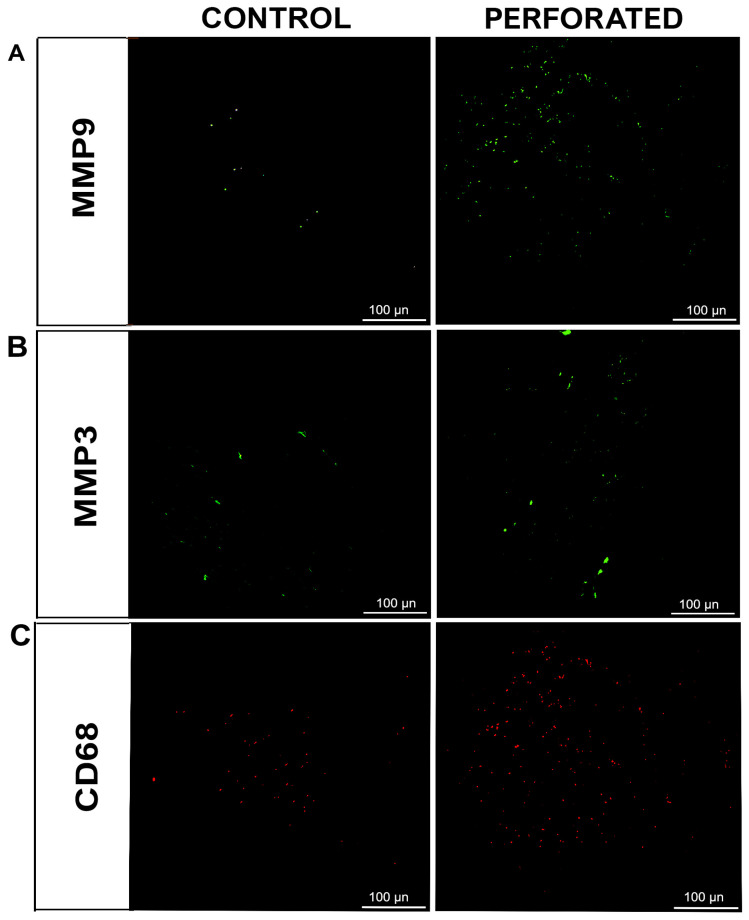 Figure 6
Peer Reviews
No public reviews on file for this paper yet. If you reviewed it on a platform where reviews are public (OpenReview, ICLR, NeurIPS, ICML), you can paste yours below so the community can read it here.
Videos
No videos yet. Explain this paper in a talk, walkthrough, or lecture? Add one.
Taxonomy
TopicsTemporomandibular Joint Disorders · Osteoarthritis Treatment and Mechanisms · Periodontal Regeneration and Treatments